- Category
- Vegetables
- State
- Preserved
- Usual unit
- unit
What it is
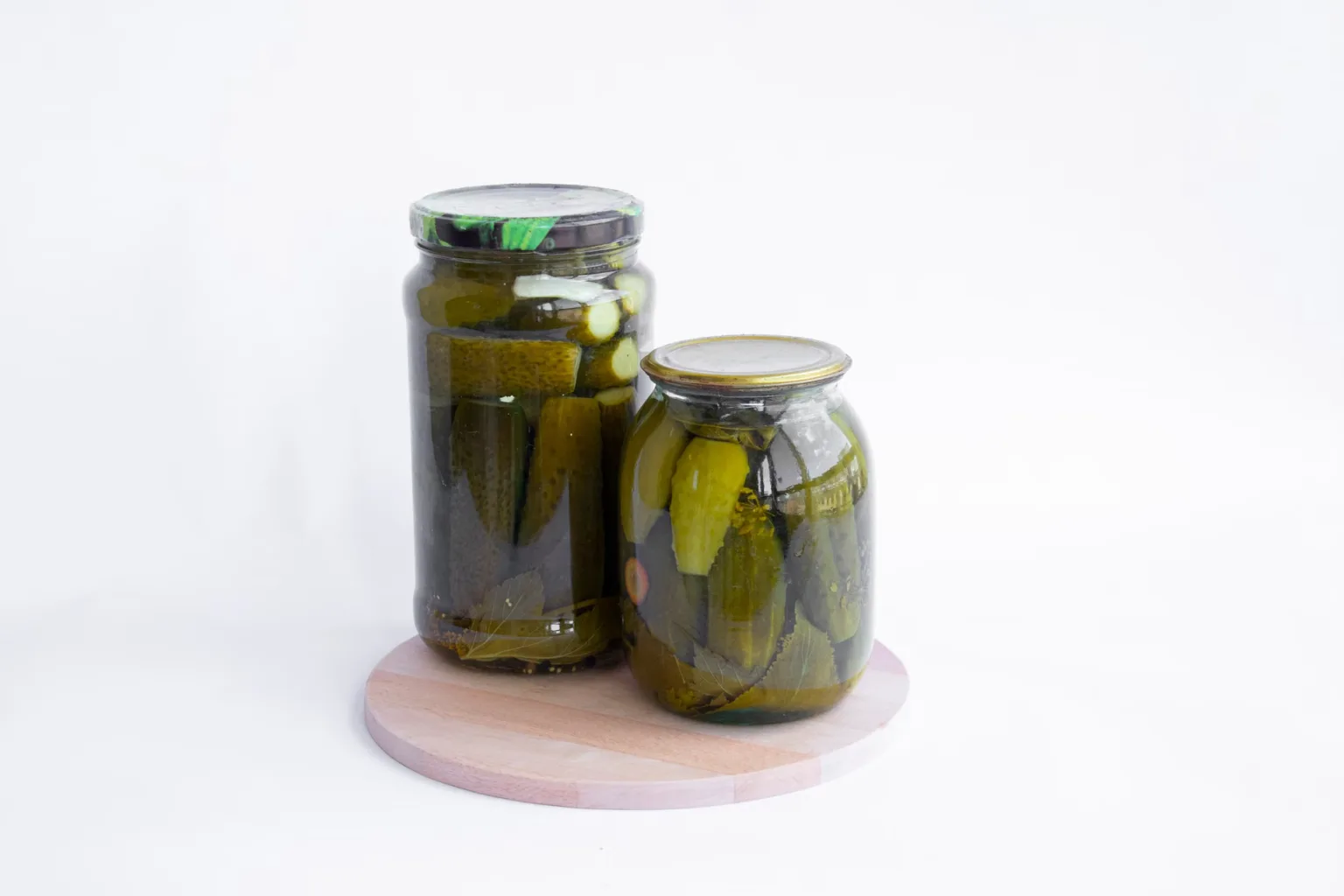
Pickles are cucumbers preserved by pickling, commonly in an acidic preparation or brine. They do not have just one style: products may be sour, sweet, or spiced, and their methods can differ. Some are quick-process pickles made with vinegar; others are fermented in brine. The method, ingredients, and cut all affect flavor and texture. The word “pickle” can describe small cucumber pickles as well as other forms of pickled cucumber, so the product name and ingredient list help identify what is in the jar. Pickles may be sold whole, sliced, or in other forms. They are preserved ingredients or accompaniments rather than fresh cucumber, and they are best chosen according to the flavor and texture wanted in the dish.
When to use it
Use pickles when a dish would benefit from a sour, crunchy, or sweet-and-sour contrast. Serve a whole pickle as a snack or accompaniment, put slices in a sandwich, or add chopped pieces to a salad. Styles differ, so choose a sharper pickle for a pronounced tang or a sweet style for a gentler contrast. Check the label to see whether the product is sweet, spiced, fermented, or quick-pickled, and use an amount that complements rather than overwhelms the other ingredients.
How to use it
Serve pickles whole as an accompaniment, or slice them for a sandwich. You can also chop them into a salad, distributing the pieces so their flavor is balanced through the dish. Drain them if you do not want to add liquid; if using the jar liquid as a culinary ingredient, keep the product stored as directed on its label. Taste before adding extra salt or other strongly acidic ingredients, since pickles may already contribute saltiness and acidity. When making pickles for shelf-stable storage, use a tested recipe and do not change its proportions of vinegar, food, or water.
Flavour and texture
Pickles are commonly sour and salty, though some are sweet or flavored with spices. Their texture may be firm and crisp, but it depends on the product, cut, and preparation method. A whole pickle may feel more substantial than a thin slice, while the vinegar or brine affects how intense it tastes. Check the label to identify the style before pairing it with other ingredients.
How to choose it
Choose a style to suit the dish: a sour pickle gives a sharper contrast, while a sweet one brings a gentler note. Read the package to learn the preparation style and ingredients, because “pickle” does not refer to one single recipe. Check that the package is intact and, if the product is sold refrigerated, that it is cold. Avoid damaged, bulging, or leaking containers, and follow the product’s storage directions and date information.
Storage
Store the product according to its label; some pickles are sold refrigerated, while products may have different storage directions. Keep hands, utensils, and containers clean when handling the food, and close the package after serving. Do not assume a preserved food is safe based only on its appearance or smell. For homemade pickles intended for storage, use a tested recipe and do not change its specified acid proportions.
Substitutions
Other pickled cucumbers can serve a similar role in a sandwich or salad, but their acidity, sweetness, spices, and texture may differ. A sweet pickle changes the balance compared with a sharper one. Choose a substitute according to the flavor you want to retain and taste before adding more salt or acidity; no style is an exact match for every other style.
Common mistakes
Treating all pickles as one style can make a dish too sour or too sweet. Avoid adding much salt before tasting, since pickles may already be salty. A more serious mistake is changing the vinegar, food, or water proportions when making home-preserved pickles: acidity matters for safety, so use tested recipes as written.
Safety and allergens
Follow the package storage directions and handle the food with clean hands and utensils. For home-preserved pickles, use a tested recipe; do not change the proportions of vinegar, food, or water, and do not use vinegar with unknown acidity. Appearance and smell alone cannot establish that preserved food is safe.
Culinary uses
- A sour, crunchy garnish for sandwiches and snacks.
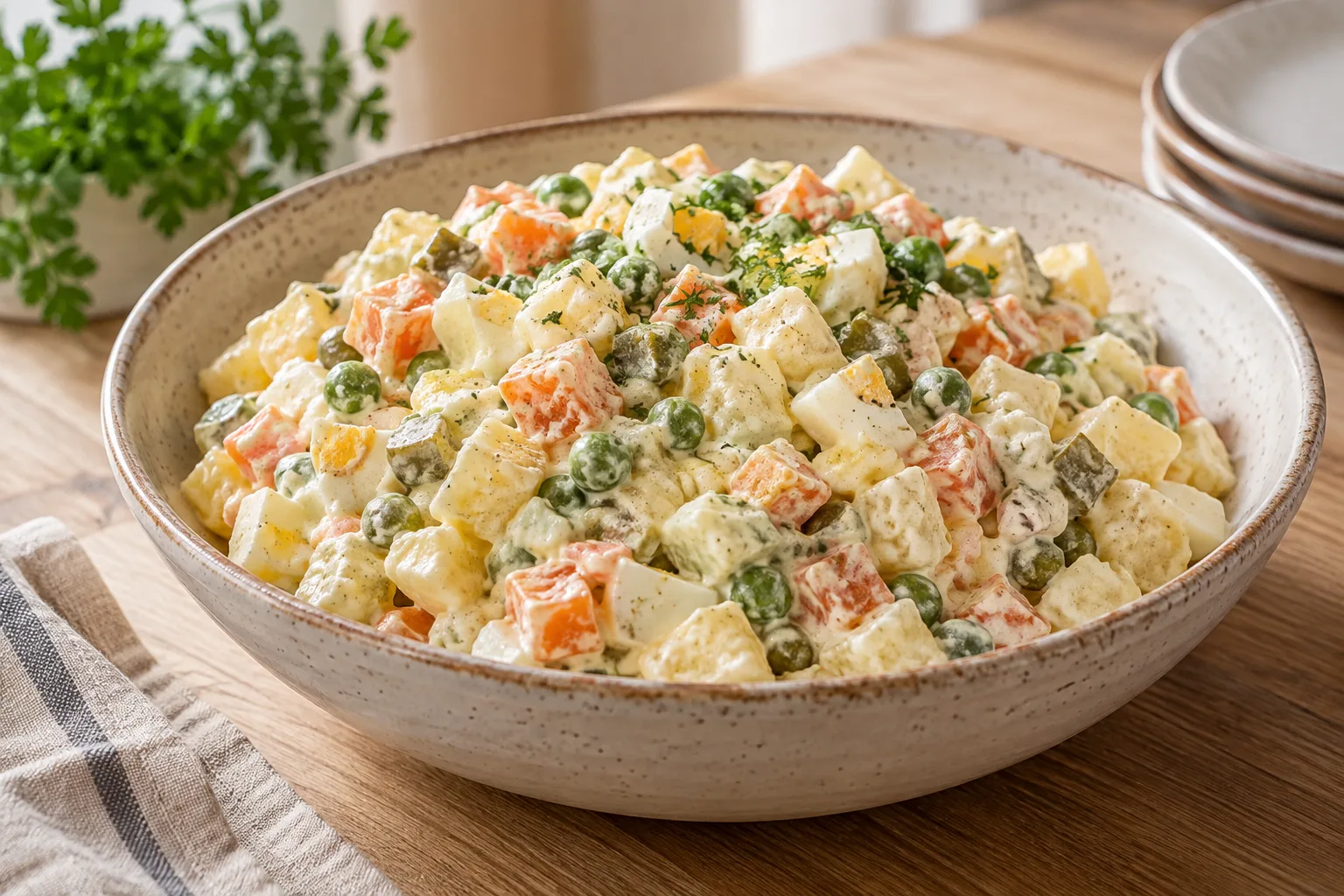
- A sharp or sweet-sour contrast in salads and meals.
Recommended techniques
- Serve whole or slice before serving.
- Chop and mix into salads or other dishes.
Pairs well with
- Sandwiches
- Salads
- Snacks and meals
Frequently asked questions
Are all pickles made with vinegar?
No. Some are quick-process pickles made with vinegar, while others are fermented in brine. The method and ingredients on the label help distinguish them.
How can I serve pickles?
Serve them whole as an accompaniment, slice them into a sandwich, or add them to a salad. Their flavor provides a sour or sweet-and-sour contrast.
Can I change the proportions when making pickles for storage?
Do not change the vinegar, food, or water proportions in a tested preserving recipe. A uniform level of acidity is important for product safety.
Ingredient allergens
Allergen listThere are no verified associations for these ingredients yet.
Estimated nutrition
- Fat
- 0 g
- Saturates
- 0 g
- Carbohydrate
- 46.7 g
- Sugars
- 33.3 g
- Fibre
- 3.3 g
- Protein
- 0 g
- Salt
- 0 g
Sources and review
Automatically researched, cross-checked and validated content. Sources consulted:
- Client Challenge doi.org/10.2307/jj.27939689.16
- Food Selection & Storage | Home & Garden Information Center hgic.clemson.edu/factsheet/food-selection-storage/
- USDA FoodData Central libguides.marist.edu/fdc
- Food | Ohioline ohioline.osu.edu/topic/food
- FABRICACION DE ENCURTIDOS DE PEPINILLO www.mapa.gob.es/ministerio/pags/biblioteca/hojas/hd_1988_06-07.pdf
- Food Preservation: Making Pickled Products | NDSU Agriculture www.ndsu.edu/agriculture/extension/publications/food-preservation-making-pickled-products
- A Chef's Insight: Pickling Summer Vegetables | Institute of Culinary Education www.ice.edu/blog/chefs-insight-pickling-summer-vegetables
- Proceso Rápido para preparar Pepinillos en Vinagre (Spanish) - National Center for Home Food Preservation nchfp.uga.edu/how/pickle/cucumber-pickles/proceso-rapido-para-preparar-pepinillos-en-vinagre…
- Articles | UNL Food | Nebraska food.unl.edu/free-resources/articles/
- Pepinillo Km 0 de Lleida seleccionado desde la experiencia agrícola y gastronómica - Km0 km0andanifruits.com/pepinillo-historia-tipos-y-usos-culinarios/
- Pepinillos en vinagre: beneficios y propiedades www.aceitunasbravo.com/pepinillos-en-vinagre-propiedades-contraindicaciones/