- Category
- Meat
- State
- Preserved
- Usual unit
- Variable
What it is
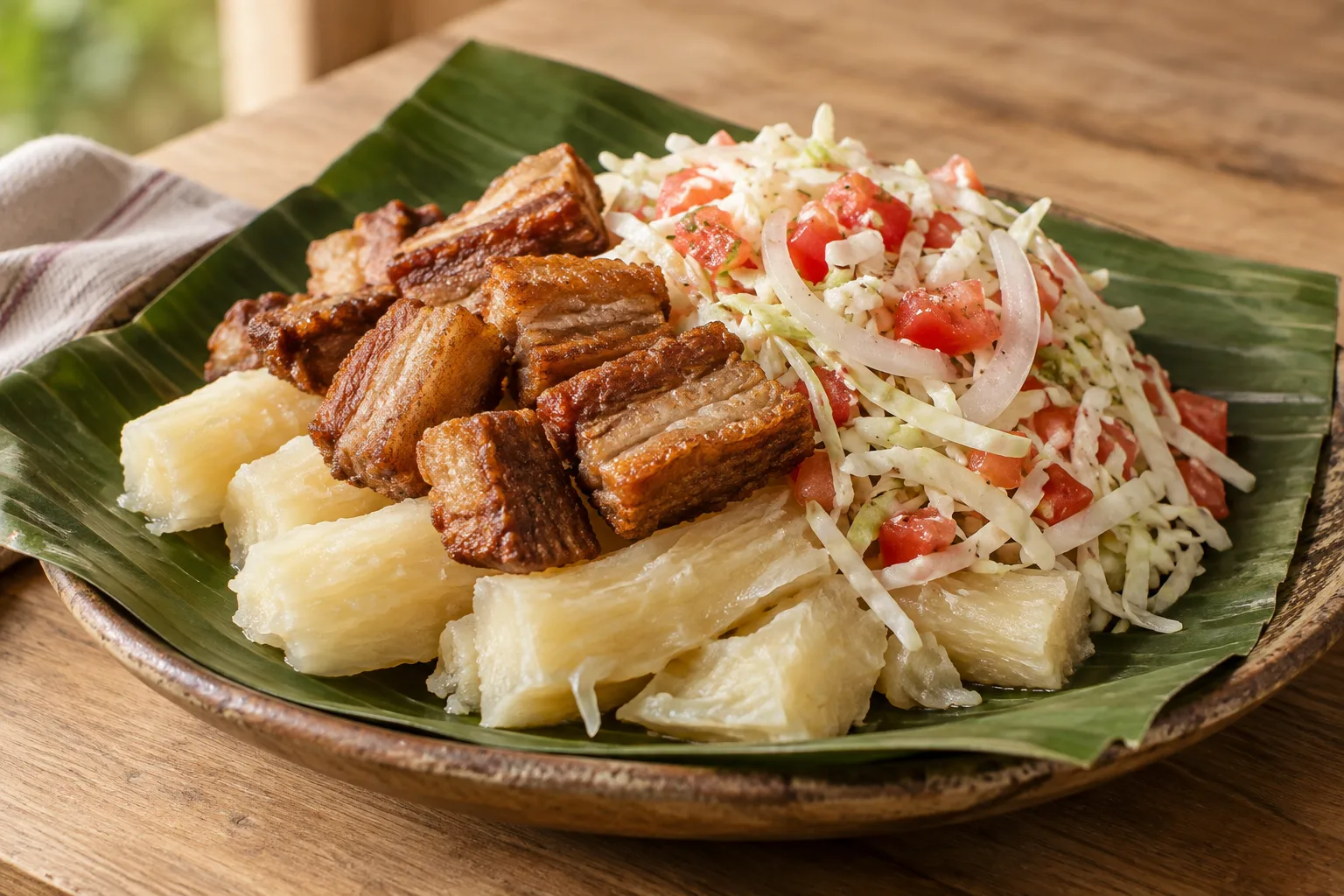
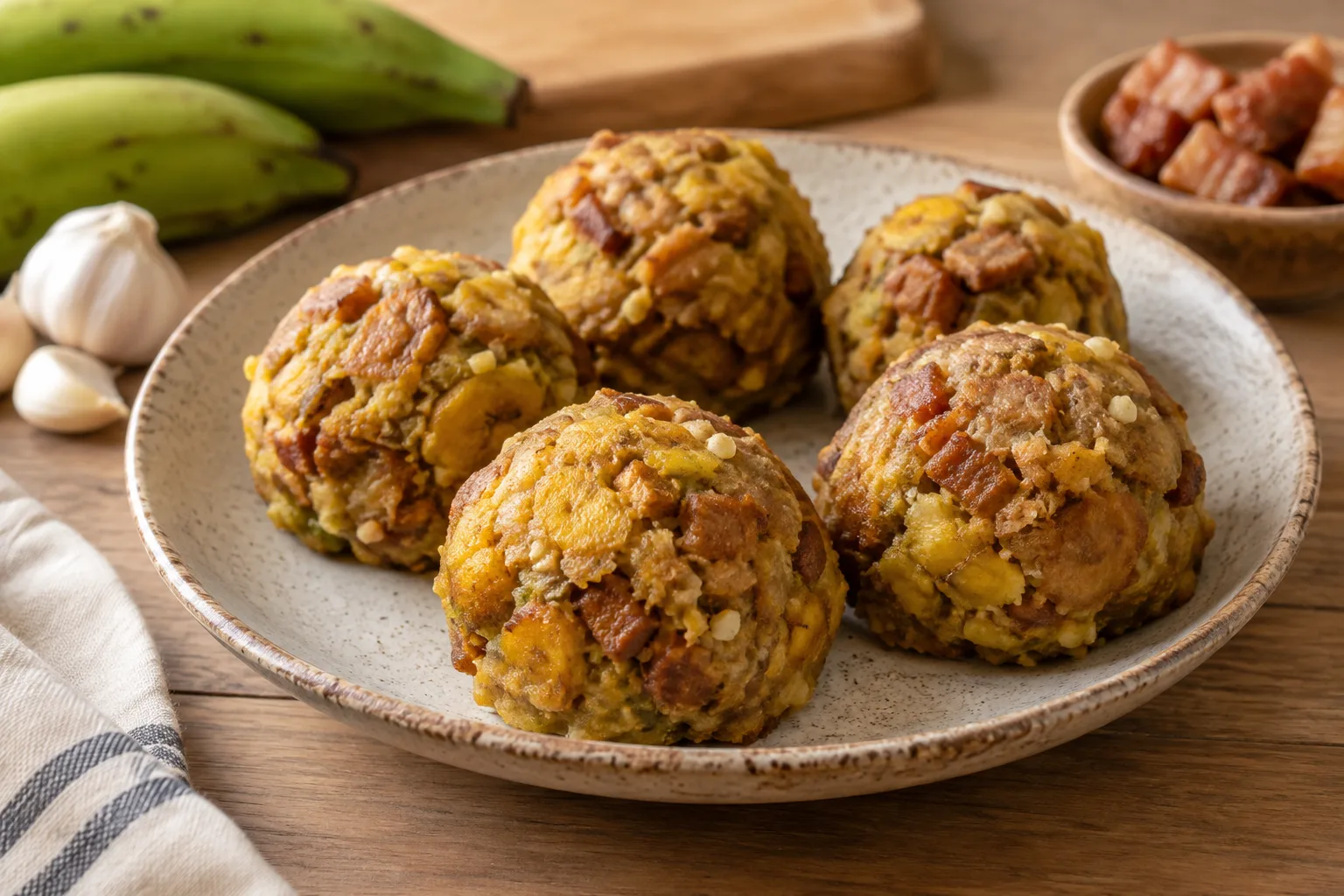
Pork cracklings are not one identical product everywhere. They may be fried pork skin, skin with some meat attached, or, in some preparations, pieces of pork meat and fat cooked in the animal’s own fat. Their appearance, meat content, and texture therefore vary with the style and method of preparation. Some versions are served dry and crunchy; others are added to stews or pressed for use as a filling. Flour-based snacks with similar names are also available, but they are not pork cracklings. Check the label or ask the seller how the product is made before choosing it, especially if you want crisp skin or a meatier preparation.
When to use it
Use pork cracklings when you want to add a savory, crunchy bite to a meal or make a distinctive pork filling. Crisp pieces can be served as a snack with red or green salsa; they can also be chopped for tacos, quesadillas, and gorditas. For a softer dish, add cracklings to a sauce and cook them in it: they will lose some of their crunch and become part of the stew. The result depends on the style. Choose crisp pieces when texture matters, and a pressed or meat-containing variety when you want to make a filling.
How to use it
Serve crisp pieces as they are, as a snack, or with red or green salsa. To make a filling, chop or crumble the cracklings and use them in tacos, quesadillas, or gorditas; adjust the amount of sauce to the product’s moisture. You can also cook them with a sauce to add them to a stew. In this use they soften and may help thicken the dish, rather than keeping the crunch of a snack. Styles differ: some contain skin alone, while others include meat or fat, so check the product before deciding how to use it. If you handle raw pork during preparation, keep its juices away from ready-to-eat foods and clean your hands, utensils, and surfaces before using them again.
Flavour and texture
Pork cracklings generally have a pronounced pork flavor, and some styles are salty. Their texture varies with the product and preparation: fried skin may be dry, firm, and crunchy, while pieces with meat have a meatier bite. Cooking them in sauce softens them and reduces their crunch. Check the style if you have a particular texture in mind.
How to choose it
Read the label or ask how the product is made: it may be fried skin, skin with meat, or a preparation of pork meat and fat. Do not confuse it with flour-based products that may have similar names. If you want a crunchy snack, look for a texture typical of that style and check that the package is intact. For fillings or stews, consider whether the product has attached meat or is pressed, as these differences affect the finished dish.
Storage
Different forms of cracklings do not necessarily have the same storage requirements. Follow the package directions and date, and do not assume every product can be stored at room temperature. If it is sold fresh or the label says to refrigerate it, keep it cold. There is no single storage duration that applies to every style, so use the directions for the product you bought.
Substitutions
For a similar profile, replace one style of cracklings with another pork preparation: crisp skin, skin with meat, or a fattier version. The amount of meat and the texture will change. A flour-based product is not an equivalent substitute if you want a pork ingredient. No universal substitute reproduces the crunch, flavor, and composition of every style at once.
Common mistakes
Do not assume that all cracklings are skin alone or that they will stay crunchy in a stew. Check the style before choosing it: cooking cracklings in sauce softens them, and pieces with meat or fat have a different texture. Do not substitute a flour-based snack if you want the flavor and composition of a pork product.
Safety and allergens
Store cracklings according to their package directions and refrigerate them if sold fresh or if the label says to do so. When handling raw pork, wash your hands and clean utensils and surfaces; keep raw meat and its juices separate from ready-to-eat foods. Thaw pork in the refrigerator, in cold water, or in a microwave, not at room temperature.
Culinary uses
- Savory snack or small bite
- Filling for tacos, quesadillas, and gorditas
- Crisp or softened component in cooked dishes
Recommended techniques
- Fry pork skin or pork with skin until crisp
- Cook cracklings in sauce until softened
- Chop or crumble for use as a filling
Pairs well with
- Red or green salsa
- Tortillas, gorditas, and other breads
- Cooked beans or other savory dishes
Frequently asked questions
Are all pork cracklings fried skin?
No. Depending on the style, they may be skin alone, skin with attached meat, or a preparation of pork meat and fat.
How can I use cracklings in a stew?
Cook them with the sauce. They soften and may help thicken the dish, so they will not keep the crunch of a snack.
How should I store pork cracklings?
Follow the package directions. Storage depends on the form of the product, and there is no single duration for every style.
Ingredient allergens
Allergen listThere are no verified associations for these ingredients yet.
Estimated nutrition
- Fat
- 41.74 g
- Saturates
- 15.12 g
- Carbohydrate
- 0 g
- Sugars
- 0 g
- Fibre
- 0 g
- Protein
- 45.03 g
- Salt
- 3.22 g
Sources and review
Automatically researched, cross-checked and validated content. Sources consulted:
- ¿Por qué la muerte es origen de miedos y tabúes? doi.org/10.64628/aao.fccyk3qj3
- The Essential Glossary of Cooking Terms for the Culinary Arts - Escoffier www.escoffier.edu/blog/culinary-arts/the-essential-glossary-of-cooking-terms-for-the-culinar…
- Gastronomía del Perú - Wikipedia, la enciclopedia libre es.wikipedia.org/wiki/Gastronom%C3%ADa_del_Per%C3%BA
- Safe Handling of Pork | Home & Garden Information Center hgic.clemson.edu/factsheet/safe-handling-of-pork/
- Qué es (y qué no es) la estadística, usos y abusos de una disciplina clave en la vida de los países y las personas | Estudios económicos doi.org/10.52292/j.estudecon.2015.740
- A Recipe for Memory: Hispanic Heritage as Told Through Cultural Dishes news.sunyempire.edu/a-recipe-for-memory-hispanic-heritage-as-told-through-cultural-dishes/
- IMPLEMENTACION DE UNA LINEA DE PRODUCTOS QUE MANTENGA LA IDENTIDAD DEL RESTAURANTE TRAGALDABAS | OpenAlex openalex.org/W7133026448
- Los mil y un usos del chicharrón de cerdo – Gastronomía y recetas de México gastronomiamexicana.wordpress.com/2015/03/18/los-mil-y-un-usos-del-chicharron-de-cerdo/
- Chicharrón - Wikipedia, la enciclopedia libre es.wikipedia.org/wiki/Chicharr%C3%B3n
- Qué son chicharrones: análisis y comparativa de los mejores quesos y embutidos para entender su sabor y textura laovejaquebala.es/que-son-chicharrones/
- - YouTube www.google.com/goto?url=CAESZgHrOzAVNmCY2GibVhI7Oz3QVCF8UWdfDleNdnzDJ5c5h8YT7Tdxb-3u7WLhDcjb…
- Identificación de platos típicos del municipio de Anapoima (Cundinamarca) como parte de una estrategia que impulse la cultura gastronómica | OpenAlex openalex.org/W7132896260