- Category
- Meat
- State
- Fresh
- Usual unit
- g
What it is
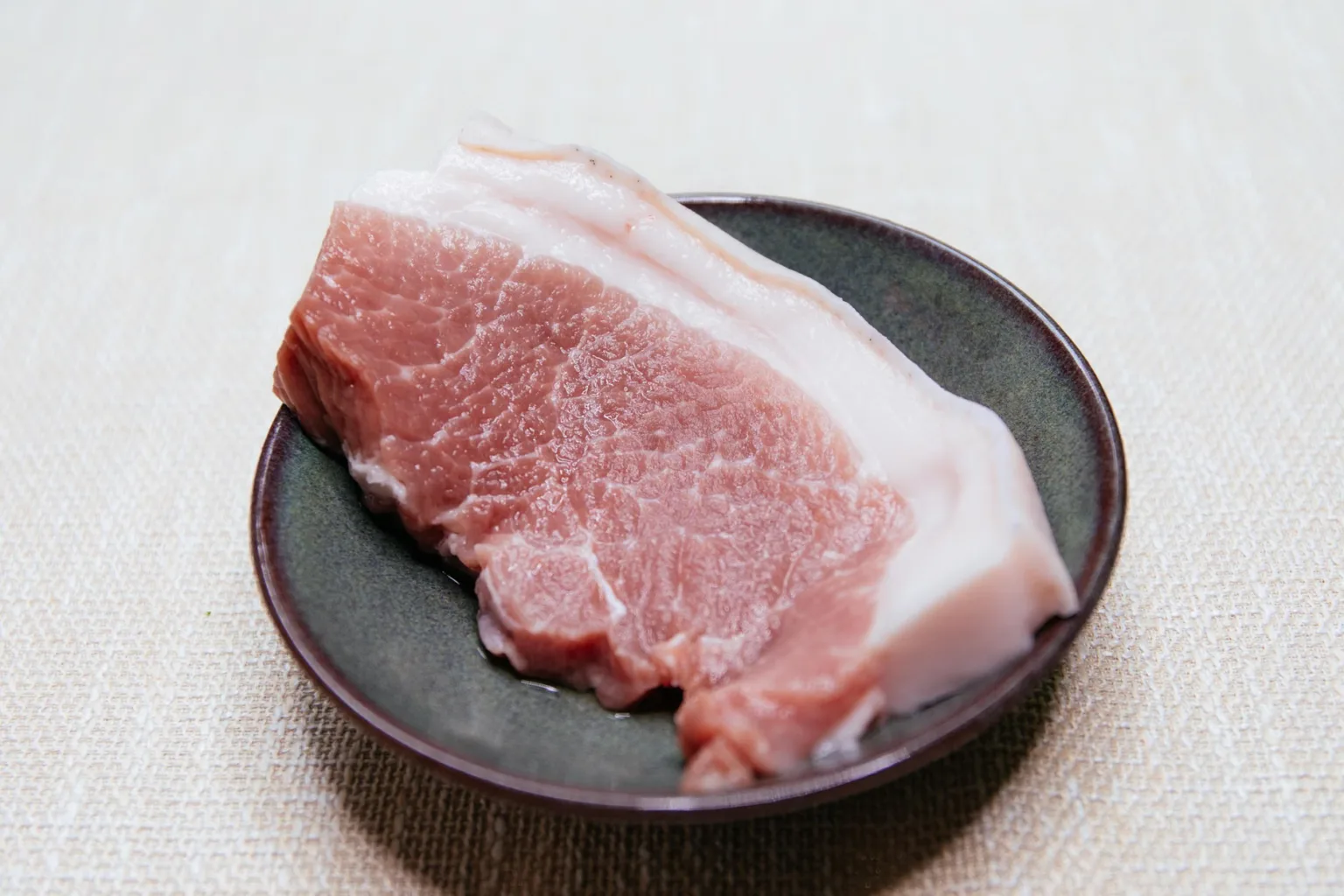
Pork knuckle is a cut from a pig’s leg, around a joint. The name can refer to pieces from different parts of the leg or of different sizes, so ask the butcher which cut is being sold. It is commonly sold bone-in and may retain its skin and a layer of fat. These features make it suitable for long cooking: the meat can become tender while the outside is treated differently depending on the method. Not all pork knuckles are alike. Fresh, uncured meat is different from a brined, cured, cooked, or partly cooked product, and flavor, saltiness, and preparation needs can vary. “Schweinshaxe” commonly refers to a roasted preparation in German-speaking cuisines, while “Eisbein” is associated with cured or brined knuckle cooked in liquid. A dish name alone does not establish the product’s state, so check the label or ask the seller before following a recipe.
When to use it
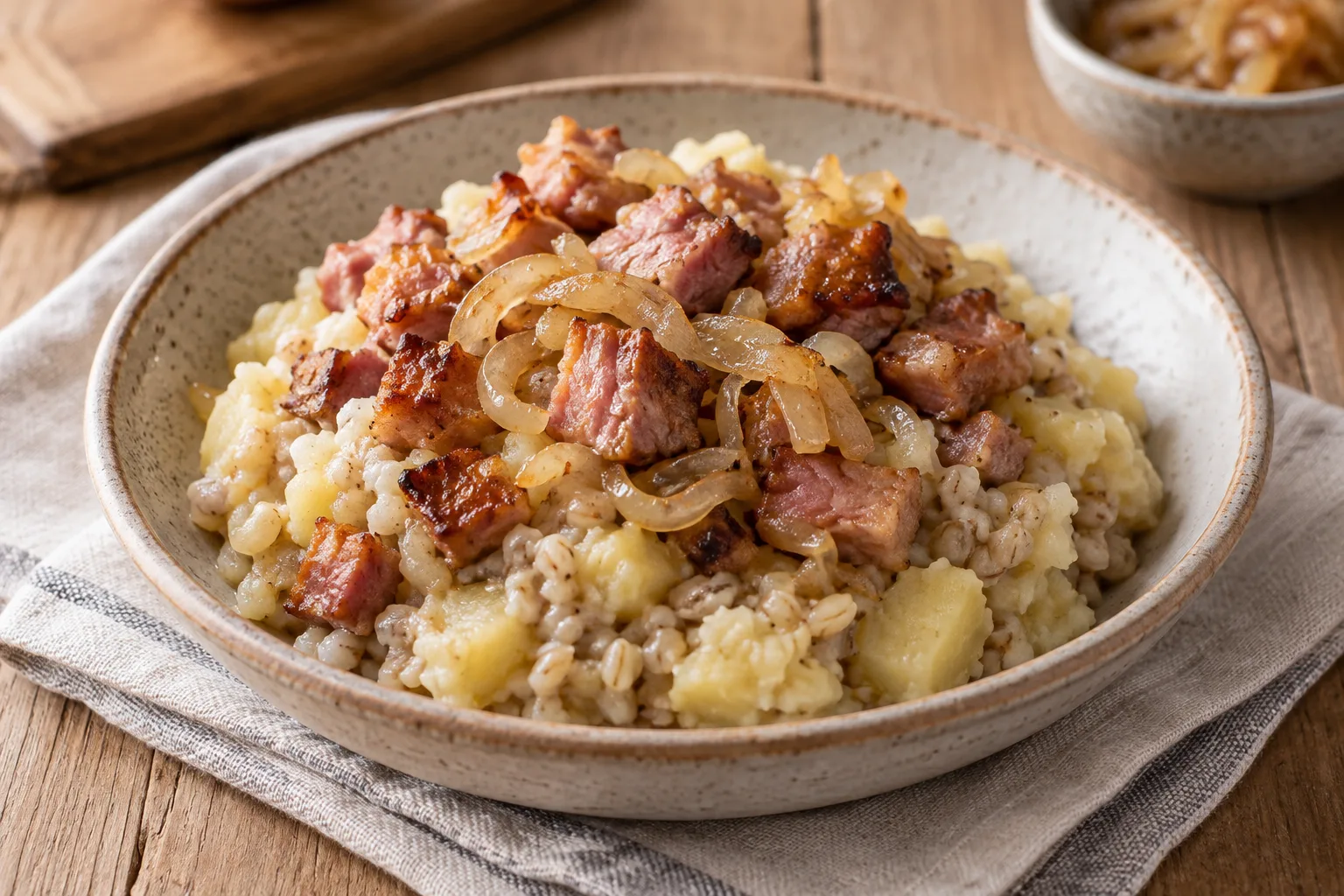
Choose pork knuckle for a substantial centrepiece that can cook slowly, or as pork for stews, broths, and dishes with pulses. A skin-on piece may suit a meal where you want a crisp exterior with tender meat, although that finish depends on managing moisture and using a dry final stage. If the recipe calls for a mild, unsalted flavor, look for fresh, uncured meat; cured or brined pieces are saltier and may need a different approach. Knuckle also works well in meals with cabbage, potatoes, or lentils. Before buying, establish whether it is raw, cured, or precooked. These product states are not interchangeable, and a recipe for one should not automatically be applied to another.
How to use it
First check the label or ask whether the knuckle is fresh, cured, brined, or precooked, then choose a method accordingly. For a raw piece, moist, prolonged cooking—such as braising or simmering—is a common option; slow roasting is another. Some preparations use an initial moist-cooking stage to tenderize the meat, followed by an oven finish to brown the skin. For a crisp exterior, dry the skin thoroughly before that finish and avoid covering it with liquid or sauce during the crisping stage. Cured pieces may already be salty, so taste the cooking liquid before adding more salt. Serve with cabbage, potatoes, pea purée, lentils, or mustard. Follow package directions for precooked products, and do not handle a cooked piece as though it were raw.
Flavour and texture
Pork knuckle usually has a pronounced pork flavor, and its texture changes considerably with cooking. It may be firm when undercooked and become tender and succulent after prolonged cooking. If present, the skin can remain soft in moist preparations or turn browned and crisp with a dry, hot finish. The amount of meat, fat, and connective tissue varies with the piece and its location. Curing or brining can add saltiness and give the meat a different profile from fresh pork.
How to choose it
Ask whether the piece is from the front or rear of the leg if that distinction is available, and confirm whether it is fresh, cured, brined, or precooked. Size, meat-to-fat ratio, and whether skin is attached can vary. For roasting with skin, check that the piece retains it; for a recipe intended to be mild in salt, do not assume a cured knuckle is a direct substitute for fresh. Read the package details and choose a size suited to the intended dish.
Storage
Store pork knuckle according to its package and the seller’s instructions, taking account of whether it is fresh, cured, or precooked. Keep raw meat separate from ready-to-eat foods and prevent its juices from contacting other items. Refrigerate or freeze it as directed for that product; do not infer a storage period from the cut’s name alone. After cooking, store leftovers safely and follow your local official food-safety guidance.
Substitutions
Pork shoulder can replace knuckle in long-cooked dishes, but the shape, bone and skin content, and finished texture will differ. Another pork cut suited to slow cooking may also work. If the recipe depends on cured or brined knuckle, fresh pork will not provide the same saltiness; cured meat can make a recipe designed for fresh pork too salty. Adapt the method to the replacement cut and its product state.
Common mistakes
A common mistake is treating every pork knuckle as the same product. Fresh, cured, and precooked pieces may need different methods and cooking times. Taste before salting a brined piece, and do not expect crisp skin if it stays wet or covered in liquid during the finishing stage. The cut’s location, size, and whether it has skin also affect the result.
Safety and allergens
Treat fresh pork knuckle as raw meat: keep it separate from ready-to-eat foods, clean surfaces that have contacted it, and cook it thoroughly. For cooking times, temperatures, and storage, follow the package and official food-safety guidance in your area.
Culinary uses
- Slow-cooked main dish
- Ingredient for stews, soups, and braises
- Roasted cut served as a centrepiece
Recommended techniques
- Braising or stewing
- Slow roasting
- Boiling or simmering before roasting
Pairs well with
- Sauerkraut or other cabbage dishes
- Potatoes or pea purée
- Lentils and mustard
Frequently asked questions
Are fresh and cured pork knuckle the same?
No. Cured or brined knuckle may be saltier and needs preparation suited to that state. Check the label before cooking.
How can I get crisp skin?
If the piece has skin, dry it thoroughly and finish with dry heat. The result depends on the cut, moisture, and method; some pieces have no skin.
What is commonly served with pork knuckle?
Cabbage or sauerkraut, potatoes, pea purée, lentils, and mustard are suitable accompaniments. The choice varies with the dish and culinary tradition.
Ingredient allergens
Allergen listThere are no verified associations for these ingredients yet.
Sources and review
Automatically researched, cross-checked and validated content. Sources consulted:
- ¿Por qué la muerte es origen de miedos y tabúes? doi.org/10.64628/aao.fccyk3qj3
- Evolución del léxico culinario desde 1932 a 1972 | OpenAlex openalex.org/W2291578502
- Codillo de cerdo - Wikipedia, la enciclopedia libre es.wikipedia.org/wiki/Codillo_de_cerdo
- - YouTube www.youtube.com/watch?v=I2r8ZNrUi3Q
- Codillo de cerdo cocinado al estilo alemán y terminado con diferentes glaseados, un lujo gastronómico al alcance de todos los bolsillos. - Cocina y Aficiones www.cocinayaficiones.com/codillo-de-cerdo/
- Codillo de Cerdo – Carnes Selectas Ali carnesselectasali.com.mx/codillo-de-cerdo/
- Codillo de cerdo: tradición alemana en tu cocina jetextramar.com/blog/actualidad/codillo-de-cerdo/
- El codillo de cerdo, plato típico de la Oktoberfest www.dw.com/es/el-codillo-de-cerdo-plato-t%C3%ADpico-de-la-oktoberfest/video-63155854
- Codillo de cerdo_Baidu Enciclopedia baike.baidu.com/es/item/Codillo%20de%20cerdo/1548054
- Cómo cocinar el codillo de cerdo tierno: método infalible con cerveza - Recetas deliciosas www.gzrecipes.com/es/dadcook/como-cocinar-el-codillo-de-cerdo-tierno-metodo-infalible-con-ce…
- Codillo semicocido de cerdo - EMBUTIDOS LA GRANJA embutidoslagranja.es/codillo-semicocido-de-cerdo/
- Codillo de cerdo al horno fácil | Tierno, jugoso y crujiente lacocinaderomero.com/como-hacer-un-codillo-de-cerdo/