- Category
- Fruit
- State
- Preserved
- Usual unit
- unit
What it is
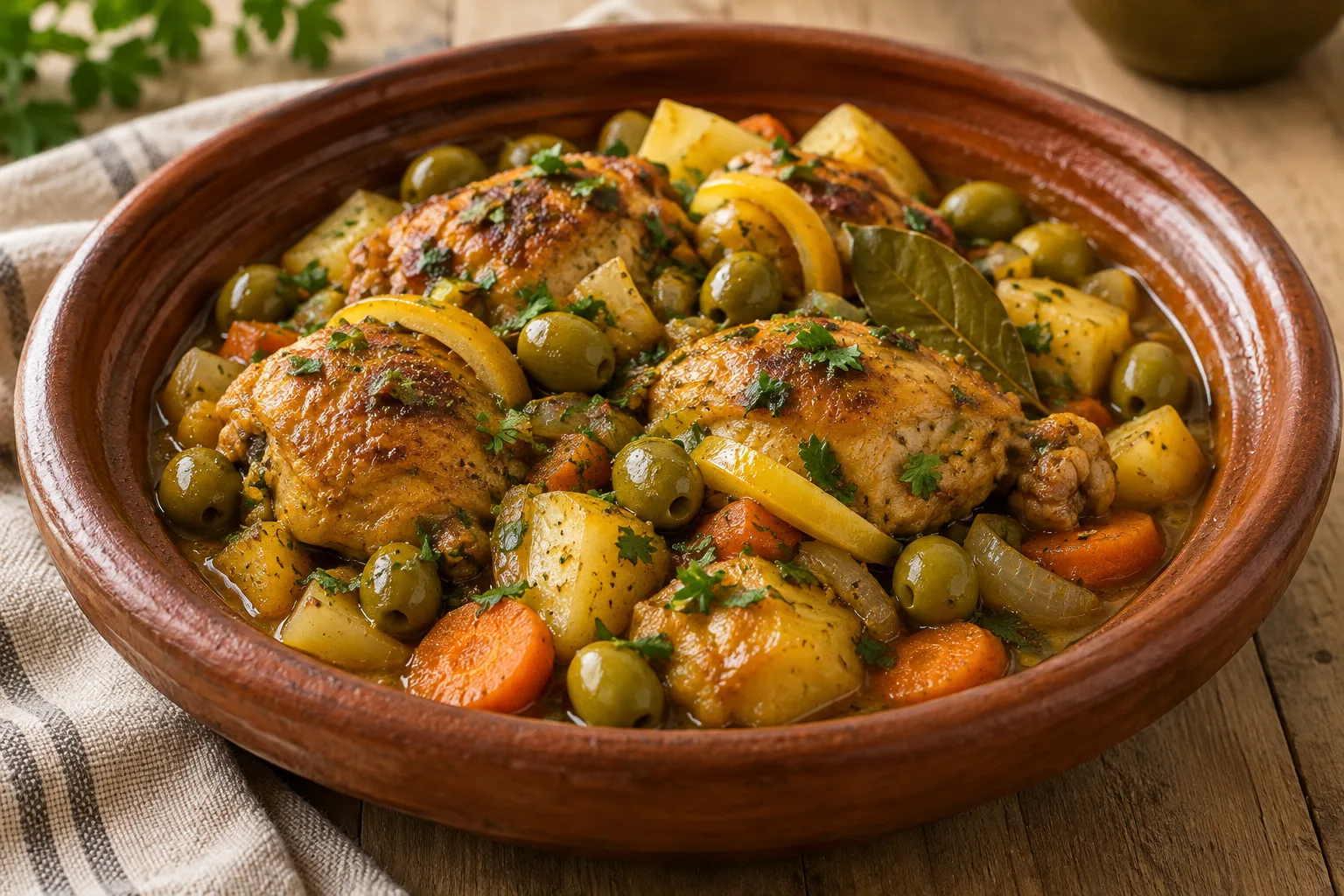
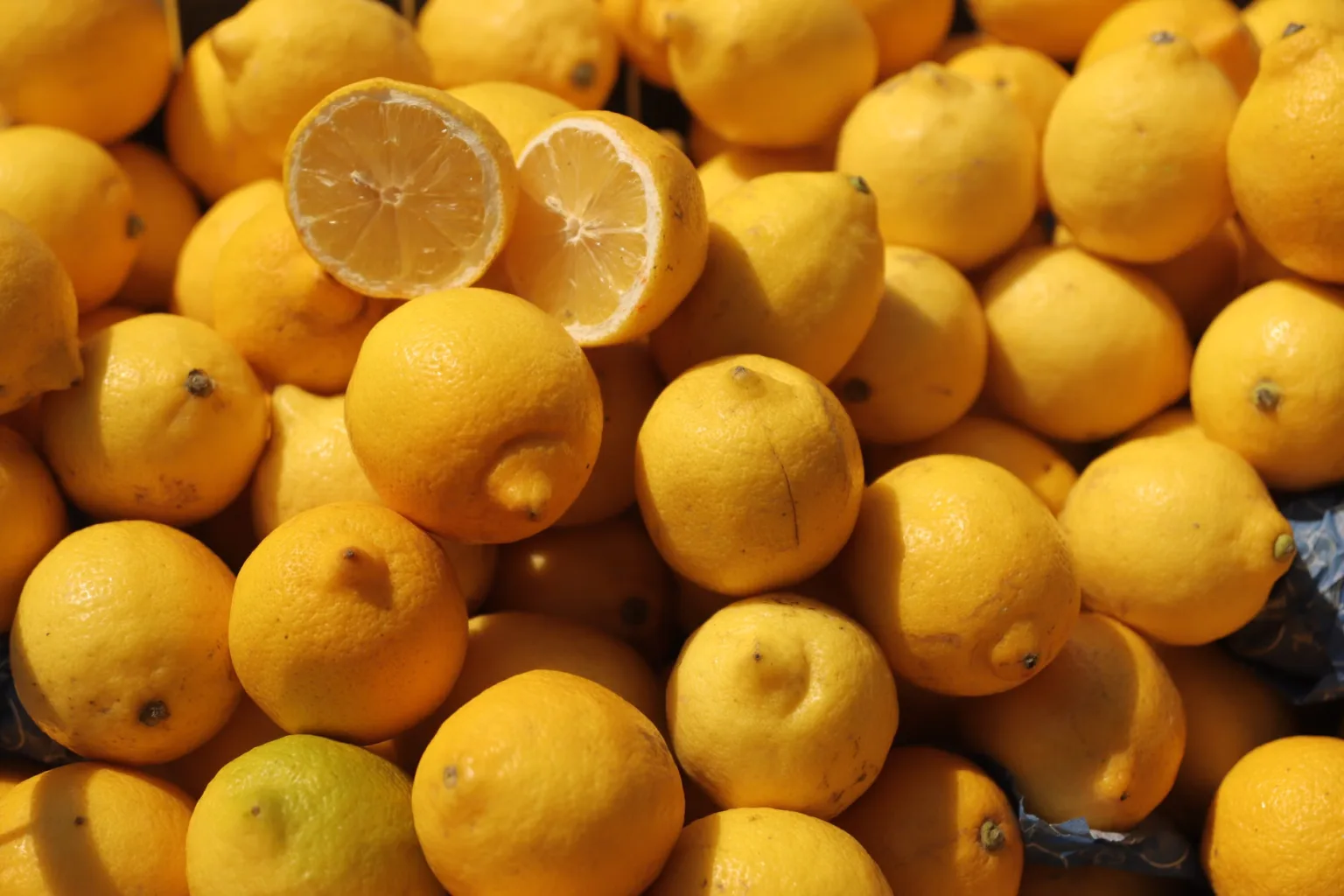
Preserved lemon, also called salted lemon, is lemon transformed during preservation, often with salt and lemon juice. There is no single formula: preparations may include a covering liquid and spices, and products can differ in intensity, texture and the proportion of peel to pulp. The peel is commonly used as a seasoning, while the pulp can also be added to stews or sauces. It does not behave like fresh lemon: its flavor is more concentrated and salty, so taste it before adding more salt to a dish.
When to use it
Use it when you want a citrus accent with salty, aromatic notes rather than the more direct acidity of fresh lemon. It can work in couscous, meat or fish stews, vegetables, salads and sauces. Finely sliced or diced peel distributes its aroma through a dish; the pulp can add flavor and moisture to cooked preparations. Saltiness varies between products, so begin with a small amount, taste, and adjust at the end. Rinse lightly if the salty flavor is too intense.
How to use it
Taste a small piece first to judge the product's saltiness and intensity. If needed, rinse it lightly and pat it dry; cut the peel into thin strips or dice it for salads, couscous, vegetables and cooked dishes. Add the pulp to a stew or sauce when you want a more integrated flavor, or use peel and pulp separately to control the result. Add the lemon gradually and taste before salting the rest of the dish. Preserved lime or fresh lemon zest with a little salt can echo some of its notes, but will not fully reproduce its texture or aroma.
Flavour and texture
Its flavor combines pronounced lemon notes with saltiness and a rounder aroma than fresh fruit. Preserved peel can become softer and more tender; intensity and texture vary with the preparation. The pulp tastes different from the peel, so use them together or separately.
How to choose it
Choose a product in an intact container and check its ingredient list and storage directions. Preparations vary: some contain only lemon and salt, while others include juice, covering liquid or spices. Check which part of the fruit is intended for use and how salty the preparation is before deciding how much to add to a recipe.
Storage
Follow the product's storage directions because commercial and homemade preparations are not all the same. Once opened, use clean utensils and avoid leaving the product exposed unnecessarily. If the directions specify refrigeration, keep it refrigerated and store the lemons as directed on the label; do not infer a storage life from appearance.
Substitutions
Preserved lime can provide a salty citrus note, though its flavor will not be identical. For a simple approximation, try fresh lemon zest with a small amount of salt. Neither option exactly reproduces the tender peel and developed aroma of preservation; add the substitute gradually and adjust the balance of the dish.
Common mistakes
A common mistake is to add it like fresh lemon and then salt the dish without tasting: the preserved fruit can be very salty. Do not assume the pulp and peel serve the same purpose, or that every brand has the same texture or ingredients. Start with a little, taste and adjust.
Safety and allergens
Check the product label and follow its storage directions. If you have a food allergy, check the ingredients and allergen information for the specific product; recipes and products can vary.
Culinary uses
- Condimento cítrico salado
- Acento aromático para guisos, ensaladas y salsas
Recommended techniques
- Enjuagar ligeramente para moderar la sal antes de usar
- Picar o cortar la piel; usar la pulpa por separado cuando la preparación lo requiera
Pairs well with
- Cuscús y otros platos de cereales
- Carnes, pescado y verduras
- Ensaladas y salsas
Frequently asked questions
Should I use the peel or pulp of preserved lemon?
You can use the peel, pulp or both, depending on the dish and the result you want. The peel is often chopped or sliced for seasoning; the pulp can be added to stews and sauces.
Should preserved lemon be rinsed?
Not always. Taste it first and rinse it lightly if its saltiness is too strong for your recipe.
What can I use instead?
Preserved lime or fresh lemon zest with a little salt can provide some similar notes, but neither fully matches its texture or aroma.
Ingredient allergens
Allergen listThere are no verified associations for these ingredients yet.
Estimated nutrition
- Fat
- 6.67 g
- Saturates
- 1.33 g
- Carbohydrate
- 13.3 g
- Sugars
- 0 g
- Fibre
- 6.7 g
- Protein
- 0 g
- Salt
- 2.68 g
Sources and review
Automatically researched, cross-checked and validated content. Sources consulted:
- Etiquetado de sustancias que causan alergias e intolerancias alimentarias www.aesan.gob.es/seguridad-alimentaria/informacion-alimentaria/etiquetado-sustancias
- Limones o limas en conserva | Gastronomía & Cía www.gastronomiaycia.com/limones-o-limas-en-conserva/
- Limones encurtidos, el cítrico en conserva del mundo árabe - Koketo koketo.es/limones-encurtidos
- Allergies - Food Safety - European Commission food.ec.europa.eu/food-safety/campaign-2026/allergies_en
- Have Food Allergies? Read the Label | FDA www.fda.gov/consumers/consumer-updates/have-food-allergies-read-label
- Etiquetado precautorio de alérgenos NO intencionados < Tecoal ® tecoal.net/seguridad-alimentaria/etiquetado-precautorio-alergenos-no-intencionados/
- Allergen guidance for food businesses - GOV.UK www.gov.uk/government/publications/allergen-guidance-for-food-businesses
- Management of Packaged Foods - Finding a Path to Safety in ... - NCBI www.ncbi.nlm.nih.gov/books/NBK435951/
- Limones Encurtidos Marroquíes - Shoot the Cook - Recetas fáciles y sabrosas www.shoothecook.es/limones-encurtidos-marroquies/
- Limones encurtidos en sal - Limón marroquí jugandoconlacocina.blogspot.com/2021/06/limones-encurtidos-en-sal-limon-marroqui.html
- ▷ Limones encurtidos en Marruecos: cómo son | Turismo Marruecos www.turismomarruecos.net/blog/limones-encurtidos-en-marruecos-un-secreto-del-exito-de-su-coc…
- - YouTube www.youtube.com/watch?v=hJoooq8q5Tg
- Limones encurtidos | www.cocinista.es www.cocinista.es/web/es/recetas/cocina-internacional/africa-y-oriente-medio/limones-encurtid…
- Limones Encurtidos denuestracasa.blogspot.com/2021/05/limones-encurtidos.html
- Cómo hacer limones encurtidos marroquíes - Recetas de Miriam García / El invitado de invierno invitadoinvierno.com/como-hacer-limones-encurtidos-marroquies/