- Category
- Grains, flour and pasta
- State
- Powdered
- Usual unit
- g
What it is
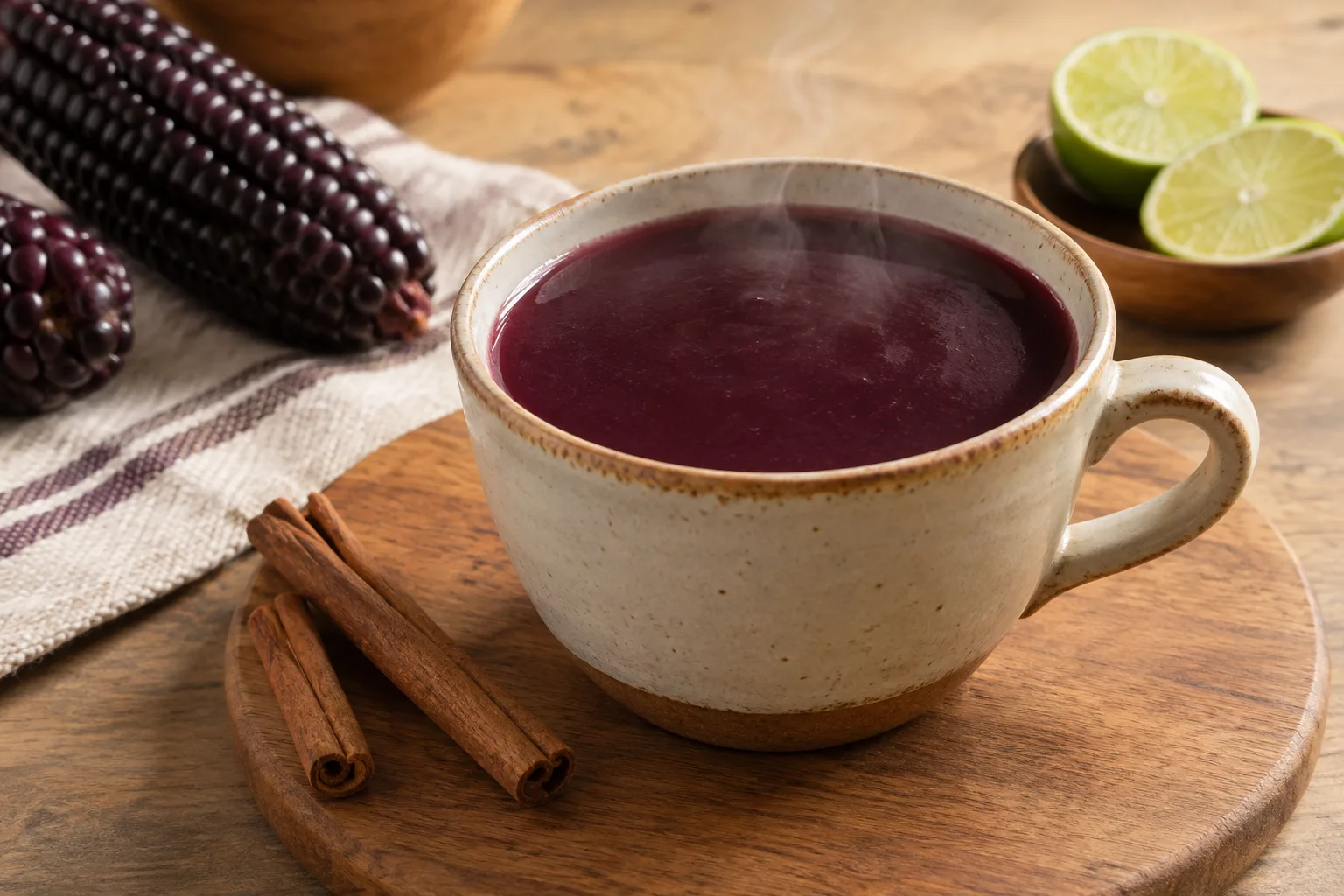
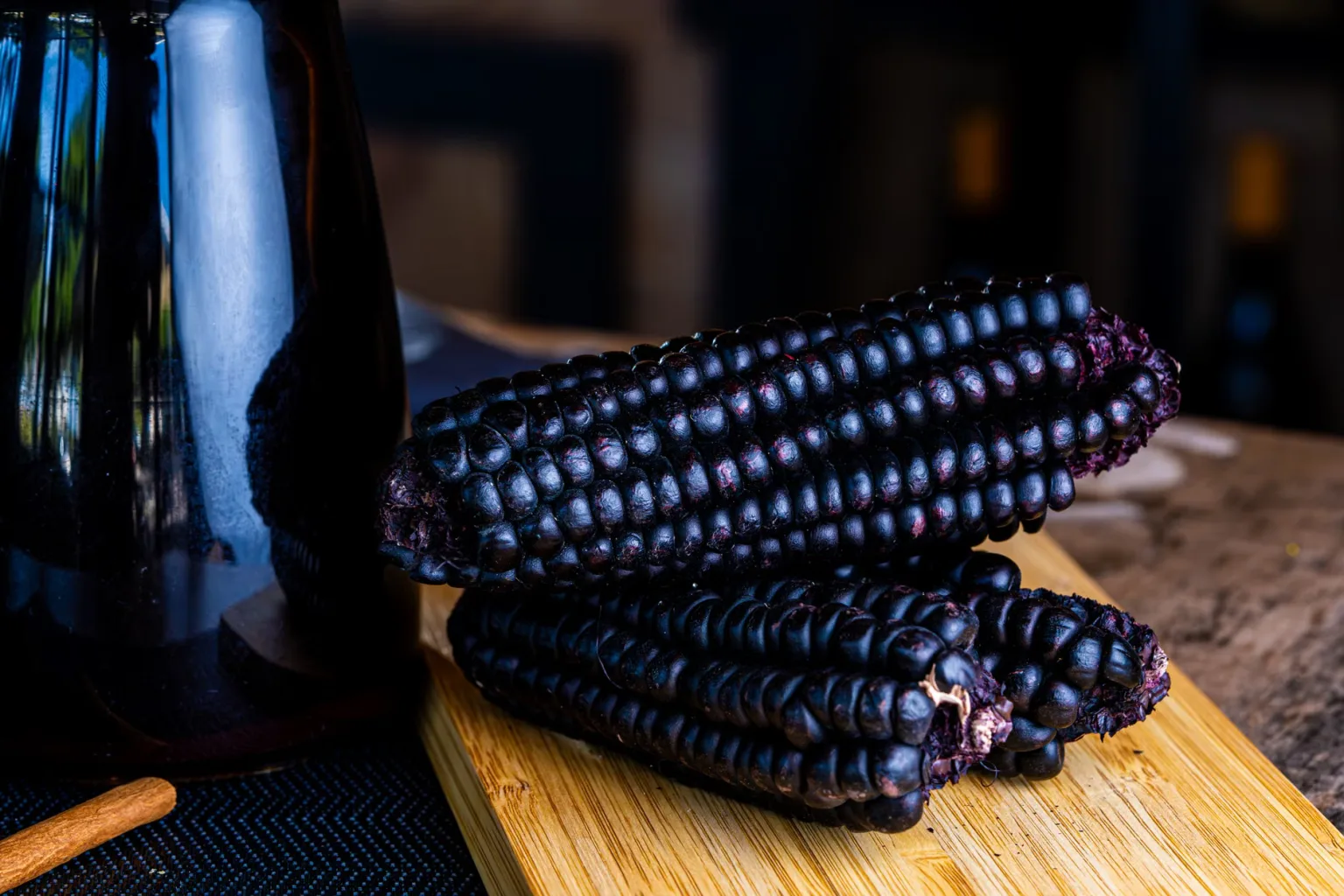
Purple corn flour is a cooking ingredient made by milling purple maize. It may be nixtamalized or non-nixtamalized, so check the package before choosing it: processing is one of the product’s distinguishing details. It has been used in pastry and in foods such as bread, muffins, and noodles. Its purple color can show in finished dishes, although the result and color intensity depend on the recipe. It is not a universally interchangeable flour, so a recipe designed for a different flour may need adjustment.
When to use it
Use purple corn flour when you want to include this ingredient in pastry or when a recipe specifically calls for it. It has been used to make bread, muffins, noodles, and desserts, with either nixtamalized or non-nixtamalized flour when the recipe is intended for that type. Choose a product based on its label and your planned preparation; do not assume all purple corn flours have the same processing or behave in the same way.
How to use it
Follow a recipe that specifies purple corn flour and weigh it in grams to keep the proportions consistent. Mix it with the dry ingredients if the recipe directs, or add it at the stated stage when making dough, muffin batter, bread, or noodles. Check the package to see whether the flour is nixtamalized and use the type the recipe calls for. Purple color may appear in the finished food, while flavor and texture vary with the preparation. When adapting a recipe written for another flour, change one variable at a time and check the mixture’s consistency before cooking.
Flavour and texture
The finished flavor and texture depend on the flour and recipe. In reported preparations, muffins made with this flour were described as purple, sweet, and spongy; bread and noodles were described as purple, savory, and soft. These are examples from particular preparations, not a guarantee for every recipe or product.
How to choose it
Choose a package that clearly identifies the product as purple corn flour, and check whether it is labeled nixtamalized or non-nixtamalized. Select a type suited to the recipe, especially for baking or bread making. Check that the package is intact and read the manufacturer’s use and storage directions; the product name and color alone do not tell you how it was processed.
Storage
Store the flour according to the package directions and protect it from moisture. Seal the package after each use, or transfer the flour to a clean, dry container. There is no single storage period that applies to every product, so follow the date and instructions on the label. Do not use flour that shows moisture, mold, insects, or an unusual odor.
Substitutions
Yellow or white maize flour may be an alternative when purple corn flour is unavailable, but the finished color will differ. Do not assume the swap will work in the same proportion or give the same texture; the result depends on the recipe and how the flour was processed. These alternatives will not provide the purple color.
Common mistakes
A common mistake is treating all purple corn flours as identical without checking whether the product is nixtamalized. Another is expecting a direct swap with yellow or white maize flour to preserve the same color or result. Follow a suitable recipe, measure carefully, and check the mixture’s consistency instead of assuming every flour will produce the same texture.
Safety and allergens
Keep the product dry, follow the package directions, and avoid using flour with mold, moisture, insects, or an unusual odor. If you have a food allergy, check the ingredient list and any cross-contact warnings on the package.
Culinary uses
- Ingredient for baking, including bread and muffins
- Base ingredient for noodles and desserts
Recommended techniques
- Mix into bread or muffin batters and doughs
- Use in pastry preparations; products may be made with nixtamalized or non-nixtamalized flour
Pairs well with
- Bread dough and other bread ingredients
- Muffin batter and other pastry ingredients
Frequently asked questions
What is purple corn flour used for?
It has been used in pastry and in foods such as bread, muffins, noodles, and desserts. Choose a recipe suited to this flour.
Is purple corn flour always nixtamalized?
Not necessarily. Purple corn flour is made in nixtamalized and non-nixtamalized forms; check the label and use the type your recipe specifies.
Can I substitute yellow corn flour?
It may be used as an alternative, but the finished color will differ and the result depends on the recipe. Do not assume the texture will be identical.
Ingredient allergens
Allergen listThere are no verified associations for these ingredients yet.
Estimated nutrition
- Fat
- 3.57 g
- Saturates
- 0 g
- Carbohydrate
- 82.1 g
- Sugars
- 0 g
- Fibre
- 3.6 g
- Protein
- 14.3 g
- Salt
- 1.22 g
Sources and review
Automatically researched, cross-checked and validated content. Sources consulted:
- Washington State Food Access English-Spanish Glossary wpcdn.web.wsu.edu/wp-snaped/uploads/sites/2/2025/10/Food-Access-Spanish-Glossary.pdf
- Recetas - Expanded Food and Nutrition Education Program efnep.tamu.edu/recipessp/
- Winter vegetable production on small farms and gardens west of the Cascades | Servicio de Extensión de OSU extension.oregonstate.edu/es/catalog/pnw-548-winter-vegetable-production-small-farms-gardens…
- Propuesta de elaboración de harina de maíz morado, amarillo y blanco, nixtamalizado y no nixtamalizado para su aplicación en la repostería agris.fao.org/search/zh/records/66d9ae03f995ef9c0424d17d
- Maíz Morado (Zea mays L.): Elaboración de alimentos utilizándolo como materia prima, características organolépticas, nivel de conocimiento, aceptabilidad y satisfacción rdi.unsta.edu.ar/items/90c39dbf-737a-420d-b2b1-ce780987436b/full
- ¡Asegurándonos de que no eres un robot! repositorio.unac.edu.pe/bitstream/handle/20.500.12952/3152/Moreno%20y%20Silva_TESIS_2018.pdf…
- Efecto de la adición de harina de maíz morado y ácido ... repositorio.uns.edu.pe/handle/20.500.14278/3560
- Human-Black Bear - AgEcon Search ageconsearch.umn.edu/record/355311/files/10_11_pgs3-10.pdf
- Biodegradable polymers based on cellulose and fiber from coffee (Coffea spp.) and sugarcane (Saccharum spp.) residues :: BioResources bioresources.cnr.ncsu.edu/resources/biodegradable-polymers-based-on-cellulose-and-fiber-from…
- Son los compuestos responsables de la coloración de las variedades del maíz del tono morado, rojizos y sus combinaciones, el maí... repositorio.unicach.mx/bitstream/handle/20.500.12753/5227/Karla%20Go%cc%81mez%20.pdf?isAllow…