- Category
- Oils and fats
- State
- Other
- Usual unit
- tablespoon
What it is
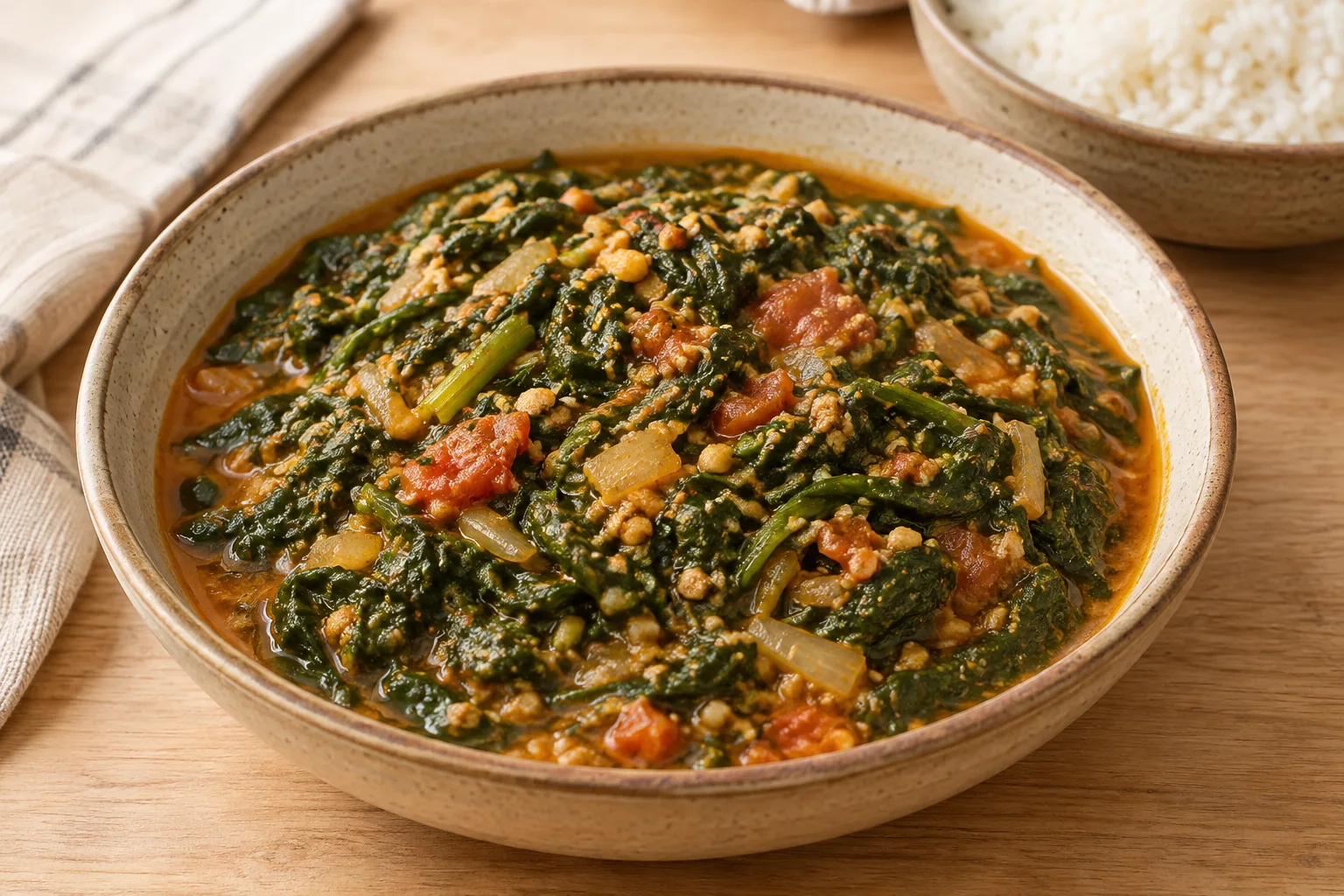
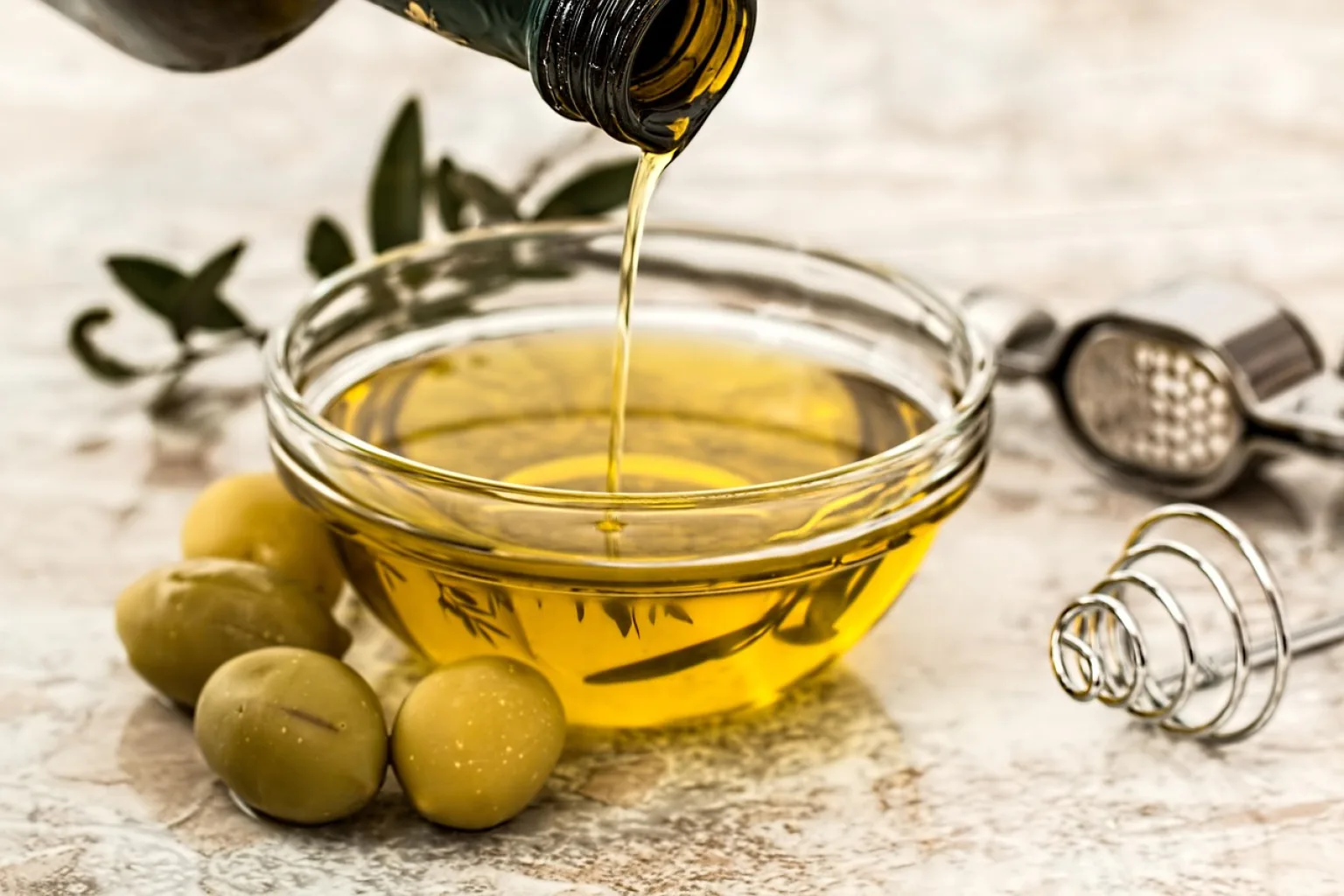
Red palm oil is a vegetable oil obtained from the fruit of the oil palm. Unrefined palm oil can retain a reddish color, while palm oil products and fractions can have different consistencies. It is not the same as palm kernel oil, which comes from the fruit's seed. In cooking, palm oil and some of its fractions are used as fats for cooking and frying, as well as in baked goods and pastries. The label can help identify whether a product is unrefined red oil, a particular fraction, or a blend. These differences matter when choosing an ingredient, because not all forms have the same consistency or recommended use.
When to use it
Use it when a recipe calls for palm oil or when you want to try this type of cooking fat. Palm oil and its more liquid fraction, palm olein, are used for frying; some firmer fractions are used in doughs, puff pastry, and other baked goods. Products do not all have the same consistency or intended use, so check the description and directions before replacing another fat. If a recipe depends on a particular texture, such as flaky pastry, choose a form with a suitable consistency. For a straightforward preparation, follow the amount specified in the recipe.
How to use it
Read the label to identify the product and check its stated uses. For frying, measure the amount required by the recipe and follow the package and equipment instructions; avoid splashing when adding food to hot fat. For doughs and pastry, use the amount and consistency specified in the recipe, since a firm fraction behaves differently from a fluid oil. If substituting another fat, start with a preparation where the change is not crucial to the texture. Do not assume every red palm oil product has the same color, flavor, or cooking behavior. Follow any product-specific directions or conditions stated on the label.
Flavour and texture
The reddish color is associated with unrefined palm oil, but color and consistency can vary by product and processing. Palm oil fractions range from more liquid to firmer forms; palm oil can be semisolid at room temperature. The available information does not reliably describe the flavor of every red palm oil product. Check the label and bear in mind that one product may differ from another.
How to choose it
Look for a label that clearly identifies the product as red palm oil and, when stated, gives its refining status or fraction. Check the recommended uses too: a more fluid form may be convenient for cooking, while a firm fraction may suit some doughs. Color and consistency can differ between products; do not use them alone to judge quality or determine the appropriate use.
Storage
There is no single established storage duration or set of conditions for all red palm oil products. Follow the storage directions and date on the package, and close the container again after use. If the label specifies particular conditions, follow them. Do not assume that general advice applies to every product, since forms and package directions can vary.
Substitutions
For frying, another suitable cooking oil may work as an alternative, although the result can differ. In some pastry recipes, butter or another fat may be used, but the final texture may change. Do not replace a firm fraction with a fluid oil without considering the effect on dough or pastry. Choose a substitute that fits the recipe's use and required consistency.
Common mistakes
Do not confuse palm oil, obtained from the fruit's pulp, with palm kernel oil, which comes from the seed. Also, do not assume every red palm product is liquid, tastes the same, or works equally well for frying and baking. Check the label before cooking and choose a substitute compatible with the consistency the recipe requires.
Safety and allergens
Follow the package directions and take care around hot oil: splashes can cause burns. Add food cautiously to help prevent hot fat from splashing.
Culinary uses
- Grasa para cocinar y freír
- Ingrediente graso para panadería y pastelería
Recommended techniques
- Fritura
- Horneado
Pairs well with
- Preparaciones fritas
- Masas y productos de pastelería
Frequently asked questions
What is red palm oil made from?
It is obtained from the fruit of the oil palm. Palm oil comes from the fruit's pulp, while palm kernel oil comes from its seed.
Can red palm oil be used for frying?
Palm oil and its more liquid fraction are used for frying. Check the label to confirm that your particular product is intended for this use.
Can it be used in baking?
Some firmer palm oil fractions are used in baking and pastry. Choose a consistency that suits the texture required by the recipe.
Ingredient allergens
Allergen listThere are no verified associations for these ingredients yet.
Estimated nutrition
- Fat
- 100 g
- Saturates
- 57.1 g
- Carbohydrate
- 0 g
- Sugars
- 0 g
- Fibre
- 0 g
- Protein
- 0 g
- Salt
- 0 g
Sources and review
Automatically researched, cross-checked and validated content. Sources consulted:
- Gastronomía del Perú - Wikipedia, la enciclopedia libre es.wikipedia.org/wiki/Gastronom%C3%ADa_del_Per%C3%BA
- Qué es la psicología de emergencia y por qué es fundamental en La Palma doi.org/10.64628/aao.u7ghmcrc5
- El cuestionado aceite de palma | Observatorio de alimentación observatorio.escueladealimentacion.es/entradas/alimentacion-y-salud/el-cuestionado-aceite-de…
- Aceite de palma - Wikipedia, la enciclopedia libre es.wikipedia.org/wiki/Aceite_de_palma
- Palm Oil on the Edge diposit.ub.edu/bitstreams/d30deb3c-def8-42ff-97bf-1788560c1134/download
- - YouTube www.youtube.com/watch?v=BMN_icnF82w
- ESTUDIO DE FACTIBILIDAD PARA PRODUCIR Y COMERCIALIZAR ACEITE DE COCO ARTESANAL EN LA CIUDAD DE POPAYÁN- CAUCA | OpenAlex openalex.org/W7219546088
- Usos del aceite de palma en la industria alimentaria: innovaciones y desafíos - El Palmicultor elpalmicultor.com/usos-aceite-de-palma-industria-alimentaria/
- Aceite de palma, la mejor opción | La Palma es Vida www.google.com/goto?url=CAESegHrOzAVYpkrlSTOvmYTb1sIVeFjG-6sN8yEjHJZojEJruOxXB3B53m9PtfsYSbK…
- Caracterización de aceites esenciales de plantas aromáticas mediterráneas y su aplicación a films de quitosano para la conservación de productos cárnicos | OpenAlex openalex.org/W232566452