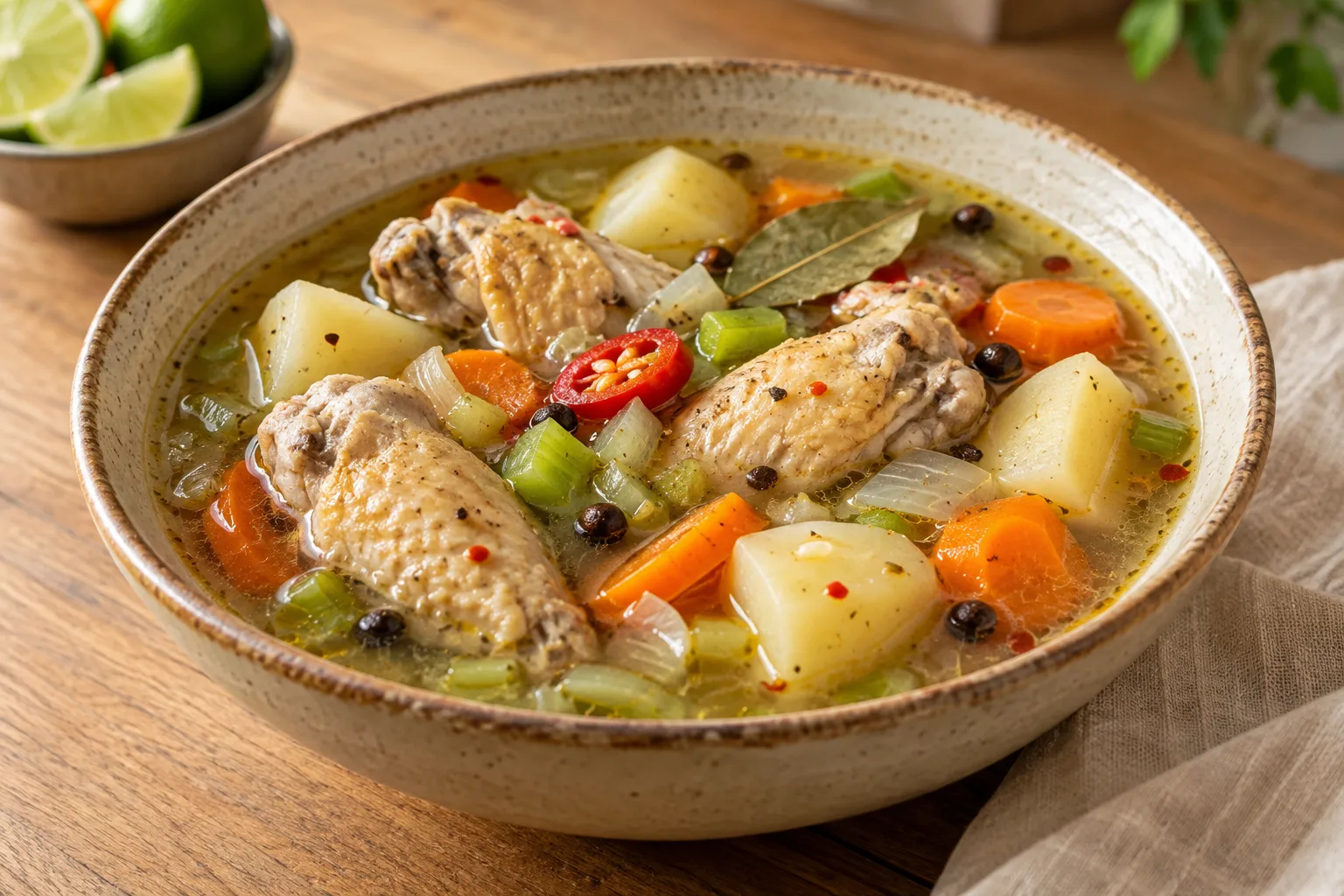
- Category
- Herbs and spices
- State
- Dry
- Usual unit
- teaspoon
What it is
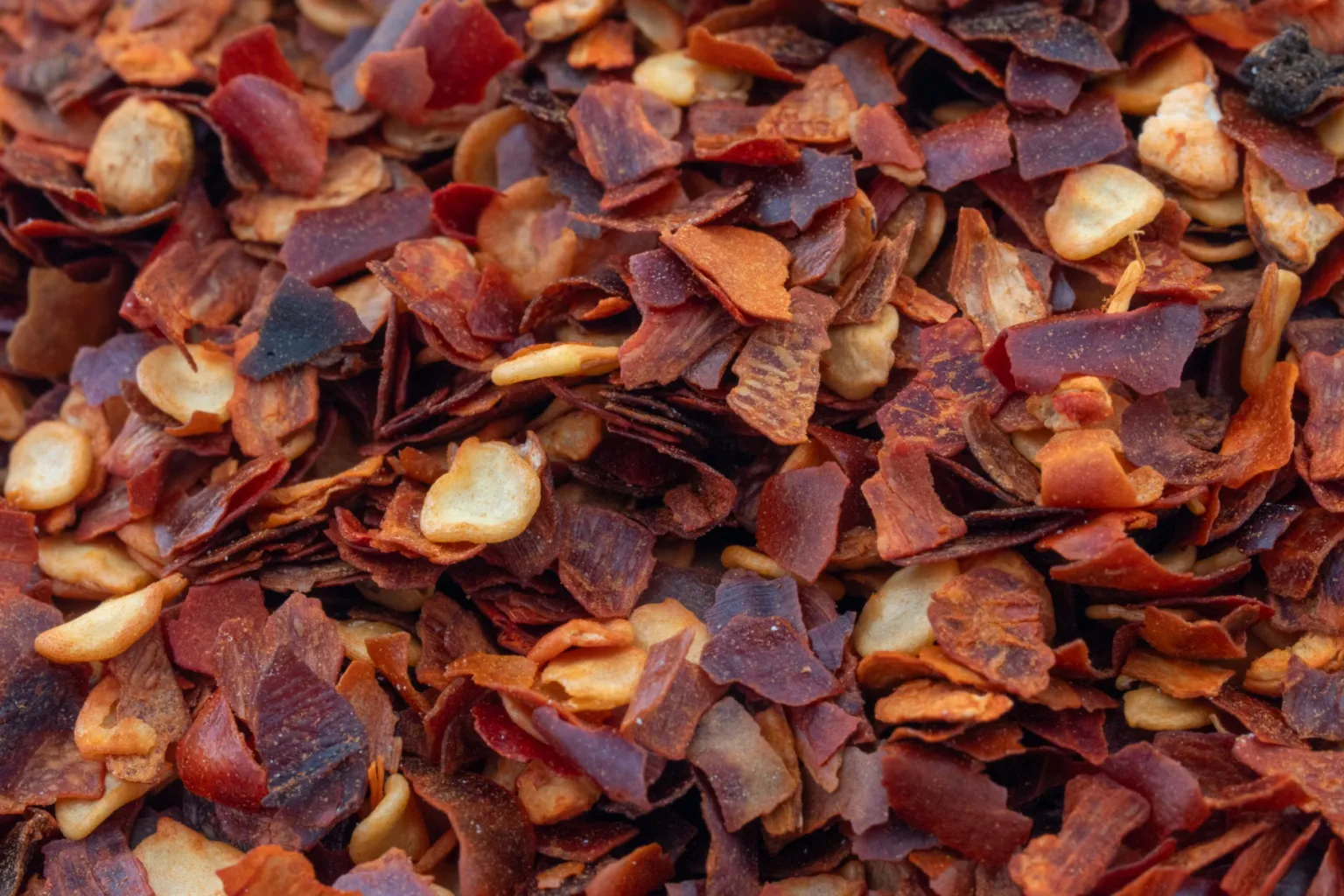
Red pepper flakes are dried chiles that have been broken or crushed into small pieces. They are a dry seasoning, not a sauce or paste. Product size, seed content, and chile variety can differ, so heat levels are not identical from one jar to another. The flakes are used to season pasta, pizza, soups, stews, curries, and sauces, and can also be added as a finishing garnish. Some products use one kind of chile, while others may contain a blend; the product name alone does not reliably indicate exactly how hot it will be.
When to use it
Use red pepper flakes when you want to add adjustable heat without making chile the main ingredient. They work in sauces, pasta, pizza, soups, stews, and curries, and can also be sprinkled over a finished dish. Because the heat can vary by product, begin with a small pinch, taste, and add more only if needed. When serving several people, putting the flakes on the table lets each person season their own portion to suit their preference.
How to use it
Stir a small pinch into a sauce, soup, stew, or other cooking dish, then taste before adding more; the heat depends on the chile and the product. Add the flakes during cooking when you want them mixed through the dish, or sprinkle them over pasta, pizza, and other foods just before serving. You can also serve them at the table so everyone can adjust their portion. They pair well with garlic and ginger and are used in pasta dishes, curries, soups, and sauces. Avoid adding a large amount all at once: it is easier to increase the heat gradually than to tone down a dish that has become too spicy.
Flavour and texture
The main contribution is chile heat, with additional flavor depending on the type of chile in the product. The flakes provide visible, small pieces and color rather than disappearing like a fine powder. Their heat can vary considerably, so taste a small amount before seasoning a whole dish.
How to choose it
Choose a clearly labeled, dry product in a securely closed package. Chile varieties and seed content can differ, so do not assume that every jar will have the same heat level. If you do not know the product, start with a small pinch and adjust after tasting. Avoid packages that show signs of moisture or damage.
Storage
Keep red pepper flakes in an airtight container in a cool, dry, dark place. Protect them from moisture and heat, and close the container after each use. For better flavor, aim to use them within the months after purchase. Do not use them if they show signs of moisture, unusual clumping, or deterioration.
Substitutions
Dried ground chile or chili powder can stand in for flakes, but the texture and heat may differ. Add the substitute a little at a time, stir, and taste before adding more. A fine powder spreads more evenly than flakes and may make the heat seem different in the finished dish.
Common mistakes
A frequent mistake is adding too many flakes before tasting. Their heat varies, and a small amount may be enough. Flakes are also not interchangeable with fine powder in texture: they remain as small pieces and may distribute differently. Start small and adjust gradually.
Safety and allergens
Handle the flakes carefully and avoid touching your eyes or nose after use. Wash your hands and utensils with soap and water after contact, especially if you are also handling hot fresh chiles.
Culinary uses
- Picante and seasoning
- Finishing garnish
Recommended techniques
- Sprinkle into a dish while cooking
- Add at the table as a finishing seasoning
- Infuse into a simmering sauce or broth
Pairs well with
- Garlic
- Ginger
- Pasta and pizza
- Soups, stews, and sauces
Frequently asked questions
Are red pepper flakes always equally hot?
No. The chile variety, blend, and seed content can vary between products. Start with a pinch and taste before adding more.
When should I add red pepper flakes?
Stir them in during cooking to distribute the heat, or sprinkle them on at the end as a finishing seasoning. Add them gradually.
How should I store red pepper flakes?
Store them in an airtight container in a cool, dry, dark place and protect them from moisture.
Ingredient allergens
Allergen listThere are no verified associations for these ingredients yet.
Estimated nutrition
- Fat
- 12.8 g
- Saturates
- 1.56 g
- Carbohydrate
- 6.57 g
- Sugars
- 4.28 g
- Fibre
- 1.8 g
- Protein
- 1.04 g
- Salt
- 0.05 g
Sources and review
Automatically researched, cross-checked and validated content. Sources consulted:
- ¿Por qué la muerte es origen de miedos y tabúes? doi.org/10.64628/aao.fccyk3qj3
- Maridaje de sabores 101: cómo descubrir combinaciones perfectas - Aromatech aromatechgroup.com/es/actus-business-units/maridaje-de-sabores-101-como-descubrir-combinacio…
- Gastronomía de México - Wikipedia, la enciclopedia libre es.wikipedia.org/wiki/Gastronom%C3%ADa_de_M%C3%A9xico
- Washington State Food Access English-Spanish Glossary wpcdn.web.wsu.edu/wp-snaped/uploads/sites/2/2025/10/Food-Access-Spanish-Glossary.pdf
- Hojuelas de chile (¿crudas?, ¿orgánicas?) | Fundación G+E www.diet-health.info/es/recetas/ingredientes/in/uy9408-copos-de-chile
- La guía práctica para un buen maridaje - Industrias Espadafor S.A. espadafor.es/guia-para-un-buen-maridaje/
- Maqueta nº 10.2 aesan.gob.es/dam/jcr:1538b6eb-680f-44b8-bbc5-b08d810b00dc/comite_cientifico_10.pdf
- Food & Nutrition | Colorado State University Extension foodsmartcolorado.colostate.edu/category/recipes-and-how-tos/recipe-index/pantry-staples-and…
- Chiles Picantes - Enero 2024 | OSU Extension Service extension.oregonstate.edu/node/226276
- Zanahorias Asadas con Chile Dulce sph.uth.edu/research/centers/dell/nourish/research-resources/BB-Legacy/Zanahorias%20Asadas%2…
- Crispy Baked Chicken/Pollo al Horno Empanizado (LCH) | CSU Northridge w2.csun.edu/wic/lets-cook-healthy/recipes/main-dishes/crispy-baked-chicken-pollo-al-horno-em…
- Chicken Palava – Community Nutrition Security Research Group web.uri.edu/community-nutrition/chicken-palava/
- ¿Qué son en realidad los HOJUELAS de CHILES secos que dan en las pizzerías? www.cocinadelirante.com/hogar/que-son-en-realidad-los-hojuelas-de-chiles-secos-que-dan-en-la…
- - YouTube www.youtube.com/watch?v=84GRW0Vc6k0