- Category
- Herbs and spices
- State
- Powdered
- Usual unit
- Variable
What it is
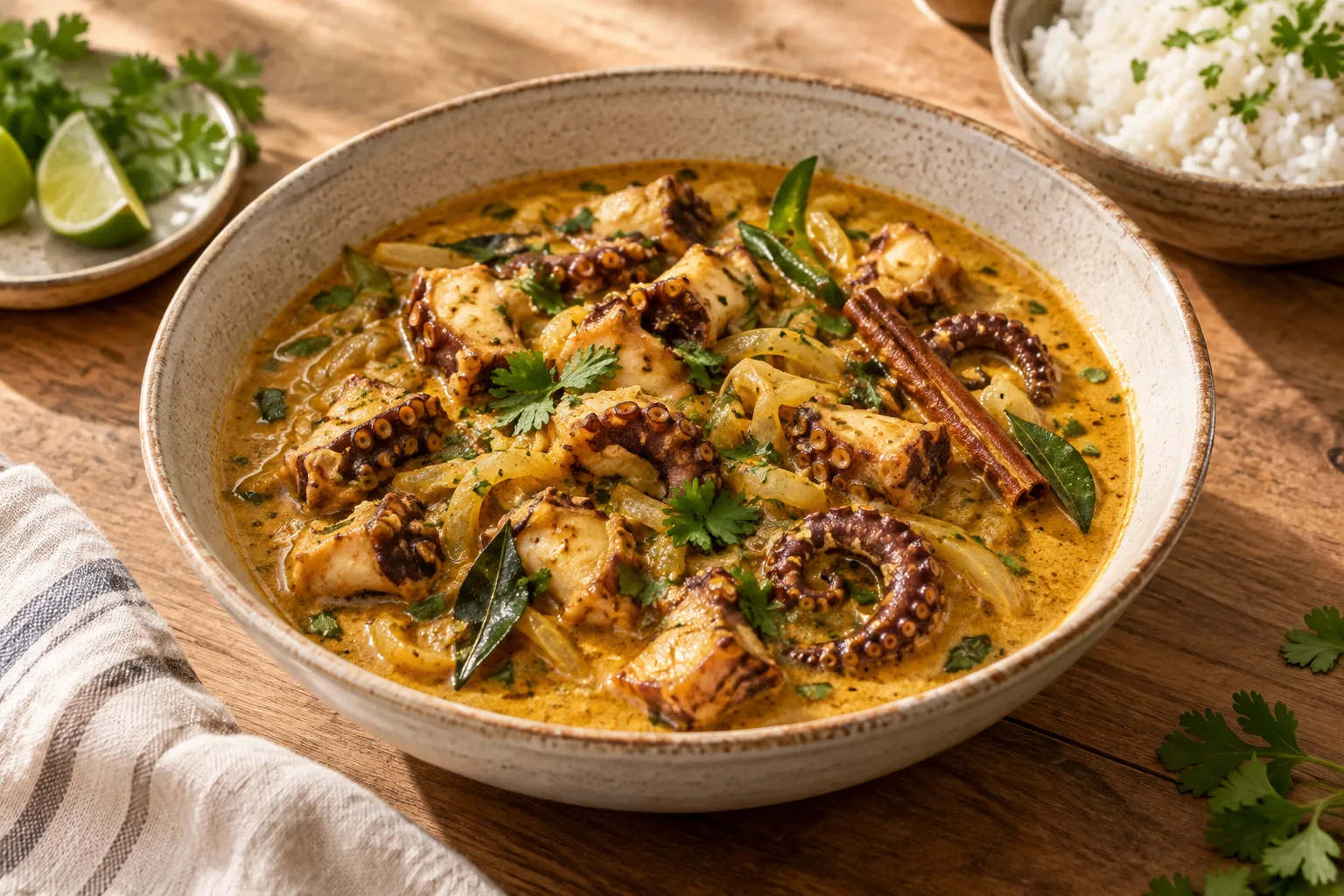
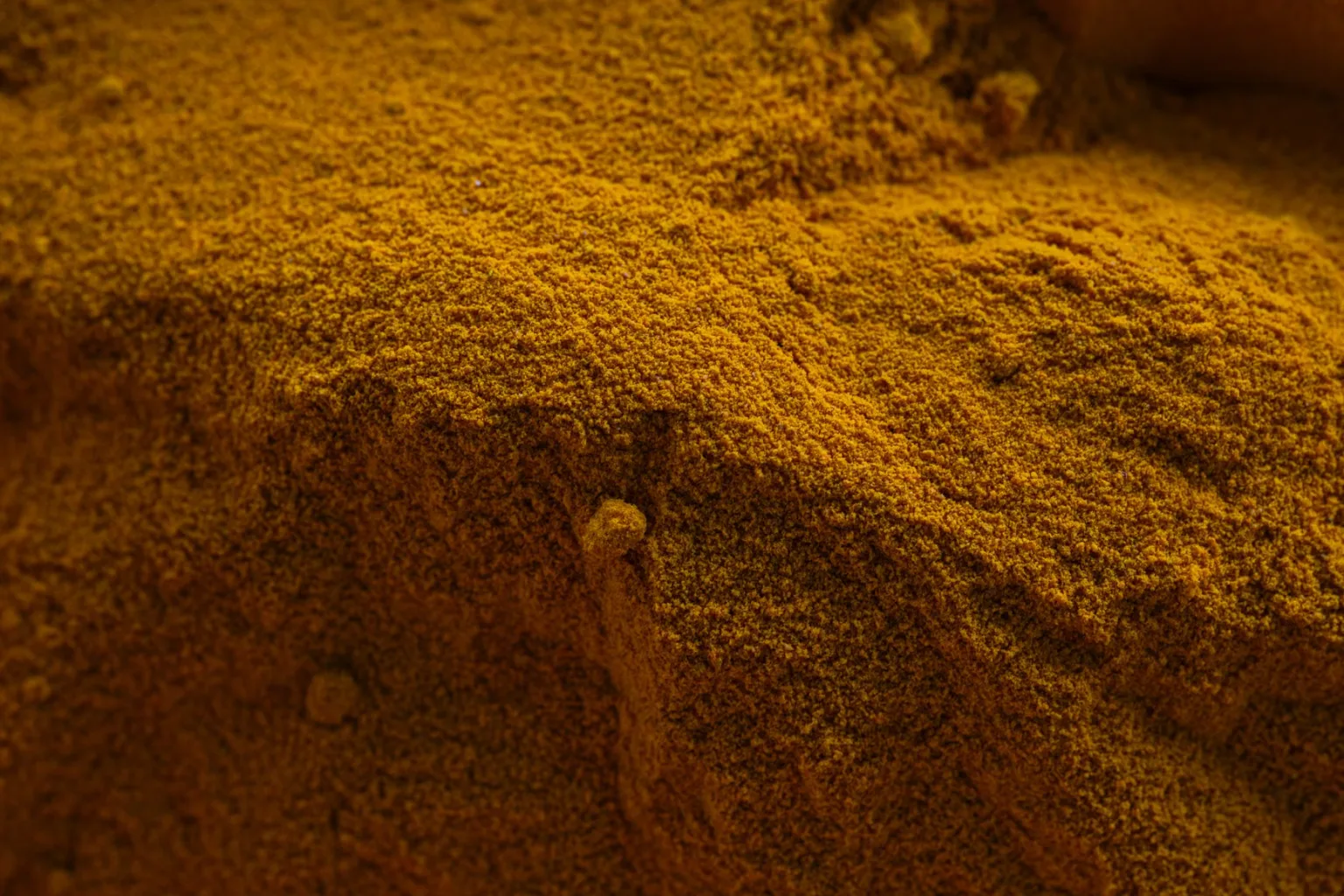
Curry powder is a blend of ground spices, not one fixed recipe. Depending on the blend, it may include ingredients such as turmeric, cumin, coriander, pepper, cinnamon, ginger, cloves or cayenne, but the combination varies from product to product. The word “roasted” alone does not establish which spices are included or how the product was processed; check the package for its ingredient list and directions. Curry powder is used as a seasoning in dishes such as sauces, stews, rice, vegetables and marinades. It is not the same thing as a finished curry dish or sauce: the powder is an ingredient used to season food. Because blends differ in flavor and heat, there is no universal amount to use. Start with a little and adjust to taste.
When to use it
Use it when you want to add a spiced flavor to a dish, such as a stew, sauce, soup or marinade. It can season rice, legumes, vegetables, meat or fish, depending on the recipe and other ingredients. To blend it into a sauté, add it once the onion or other vegetables have softened and stir briefly before adding liquid. For rice or legumes, it can also be stirred into the hot preparation so its aroma spreads through the dish. Blends vary in intensity and heat, so start with a small amount, taste, and add more only if needed. You do not need to be making a curry dish to use curry powder as a seasoning.
How to use it
Begin with a small amount because the flavor can be prominent and the heat level varies from blend to blend. For a sauce or stew, stir it into the sauté once the vegetables are soft, then add the stock, water or other liquid called for in the recipe. Avoid leaving the powder unstirred in a very hot pan, where it may burn. You can also mix it into a marinade, add it to soup, or stir it into rice or legumes as they cook. Taste before adjusting the seasoning, since liquid and other ingredients can affect how spicy the dish seems. Check the package to confirm the specific blend’s ingredients and follow its directions.
Flavour and texture
As a blend of ground spices, curry powder adds a spiced aroma and flavor; its particular character depends on the blend’s composition. Some varieties are mild, while others are hotter. The dry powder can be mixed into liquids and moist dishes, but stirring helps distribute it evenly. The word “roasted” alone does not predict a particular flavor or confirm how each ingredient was processed.
How to choose it
Read the ingredient list and any heat-level description on the package, because curry blends can vary considerably. The name does not guarantee a fixed recipe or reveal every component. If you want a milder result, choose a product described as mild; for more heat, select one labelled with a higher heat level. Check package warnings too, especially if you need to avoid a particular ingredient.
Storage
Store the product according to its package directions and keep the label available so you can check ingredients and warnings. No product-specific shelf-life information is established here, so do not assume a universal storage period. Follow any storage instructions or date information on the package. Do not use the product if its container is damaged or its contents show unusual changes.
Substitutions
You can replace it with another curry powder, but the result will depend on that blend’s ingredients and heat, so start with less and adjust. You can also make a personal blend from ground spices such as turmeric, cumin, coriander and pepper, but it will not necessarily reproduce the original product’s flavor. Check labels if a substitute must exclude a particular ingredient.
Common mistakes
Adding too much at the start can overwhelm a dish, and assuming every blend has the same heat can lead to an unexpected result. Do not leave the powder for a long time in a very hot pan without stirring; briefly mix it into the sauté, then add the recipe’s liquid. Do not assume that “roasted” describes a uniform blend or process: check the package.
Safety and allergens
Check the package ingredients and warnings, particularly if you need to avoid a component. Handle and store the product as directed by the manufacturer; do not use a damaged container or a product with unusual changes.
Culinary uses
- Condimento para aportar sabor y aroma
- Base aromática para salsas, guisos y marinadas
Recommended techniques
- Incorporar brevemente a un sofrito cuando las verduras estén tiernas, removiendo antes de añadir líquido
- Mezclar en una preparación caliente para distribuir el sabor
Pairs well with
- Arroz y legumbres, incluidas las lentejas
- Verduras, carnes, pescado, sopas y salsas
Frequently asked questions
Does roasted curry powder have a fixed recipe?
No. Curry blends can differ in both ingredients and heat. Check the ingredient list to find out what is in a particular product.
When should I add it to a stew?
Stir it into the sauté once the vegetables have softened, then add the liquid. Increase the amount gradually after tasting.
What foods pair well with it?
It is used to season rice, legumes, vegetables, soups, sauces, marinades, meat and fish. Choose the amount to suit the dish and the blend’s heat.
Ingredient allergens
Allergen listThere are no verified associations for these ingredients yet.
Estimated nutrition
- Fat
- 14 g
- Saturates
- 1.65 g
- Carbohydrate
- 55.8 g
- Sugars
- 2.76 g
- Fibre
- 53.2 g
- Protein
- 14.3 g
- Salt
- 0.13 g
Sources and review
Automatically researched, cross-checked and validated content. Sources consulted:
- Romanica Olomucensia : «¿Qué pinga es esto?». Usos disfemísticos en el español de Cuba doi.org/10.5507/ro.2021.007
- The Essential Glossary of Cooking Terms for the Culinary Arts - Escoffier www.escoffier.edu/blog/culinary-arts/the-essential-glossary-of-cooking-terms-for-the-culinar…
- Curry - Wikipedia, la enciclopedia libre es.wikipedia.org/wiki/Curry
- Curry en polvo | Cook for Your Life www.cookforyourlife.org/es/nuestro-blog-de-cocina/curry-en-polvo/
- Cómo usar el curry en la cocina | Consumer www.consumer.es/alimentacion/el-curry-distintos-usos-en-la-cocina.html
- Sabores de nuestras tierras/recetas - 2024 | Agricultura y Recursos Naturales ucanr.edu/site/agricultura-y-recursos-naturales/sabores-de-nuestras-tierras-recetas-2024
- Agencia Española de Seguridad Alimentaria y Nutrición www.aesan.gob.es/
- actualización de la regla de ocha-ifá - OAKTrust oaktrust.library.tamu.edu/bitstreams/0e495d8e-5262-4495-9a0a-5ca42dd9b7d9/download
- Mexican Cookbook for People on Dialysis Treatment scholarworks.lib.csusb.edu/cgi/viewcontent.cgi?article=3117&context=etd
- Curry: qué es, origen y propiedades - Oriental Market www.orientalmarket.es/curry/?srsltid=AYCX9vJDNyWDAK4sAzelXn3uloISYaBky6e-4p8C3s70rbtcI7T6mr_…
- ¿Qué es el curry? Conoce su origen y significado – FRISAFRAN www.frisafran.com/blogs/news/que-es-el-curry?srsltid=AYCX9vI1fP_w-nQh7mPnQxwtIi-IZpVDaQFlZ8u…