- Category
- Herbs and spices
- State
- Dry
- Usual unit
- tablespoon
What it is
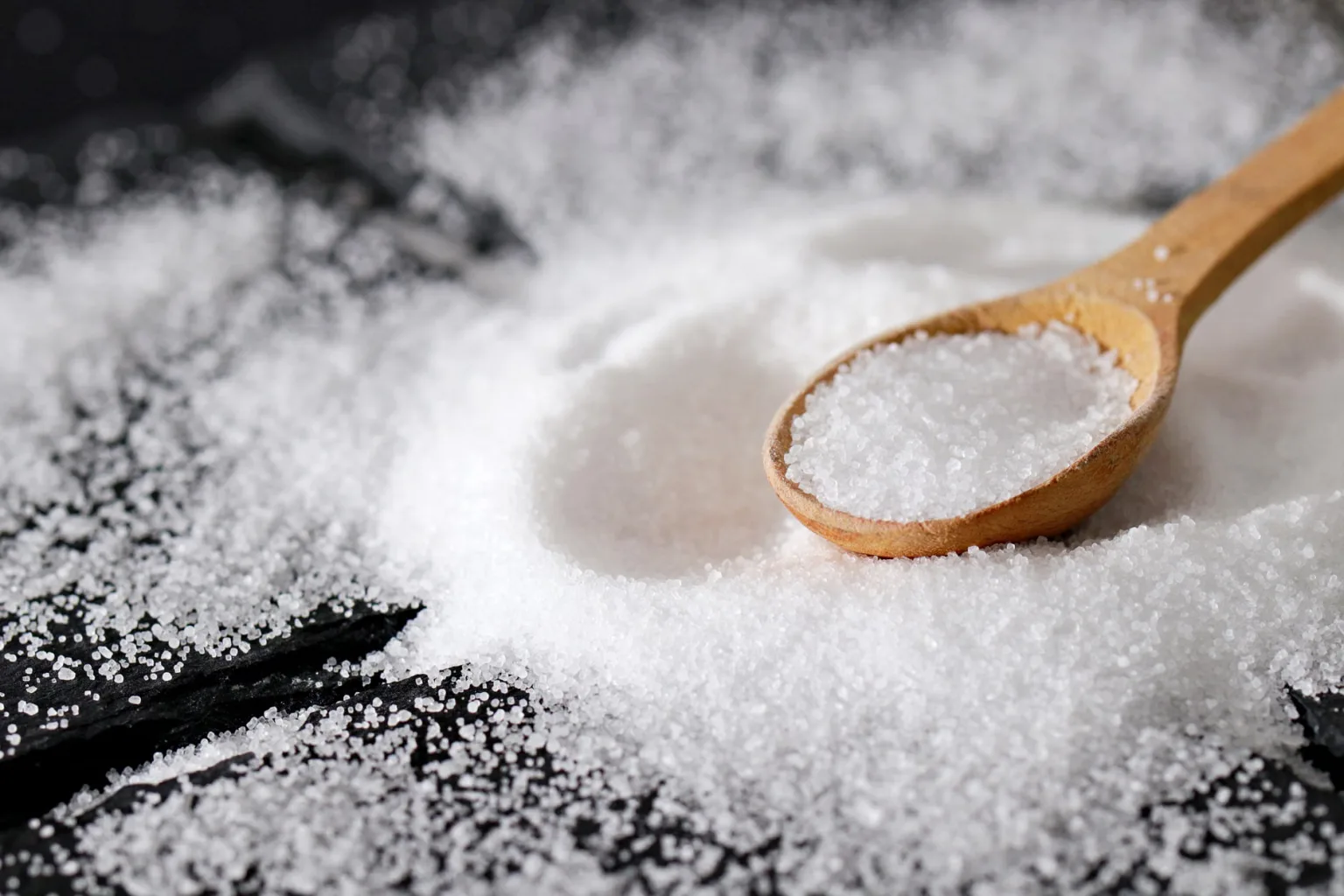
Salt for soaking does not have to be a special variety; the name describes a culinary use of salt, usually dissolved in water to make a salty liquid. Salt is a mineral seasoning sold in different forms, including fine and coarse crystals. Crystal size and texture affect how quickly it dissolves and how much salt fits in a spoon, so equal spoonfuls of different salts may not be equivalent. In preparations such as pickles, salt may be one part of a recipe alongside other ingredients. Brines, soaking liquids, and preserved foods are not all made in the same way. Use instructions suited to the particular food and process rather than treating this name as a preservation method.
When to use it
Use it when a recipe calls for a salty liquid in which to soak food, or when a pickle recipe specifies salt in its mixture. Fine salt dissolves readily, while larger crystals can take longer to disappear. If you switch grain sizes, do not assume that one tablespoon of one type equals a tablespoon of another. Soaking finished pickles to reduce their salt is a different use: in that case, salt is not added to the soaking water. Keep the two preparations distinct and follow the relevant instructions for each.
How to use it
Measure the amount specified by the recipe and dissolve it in the water before adding the food if the instructions call for a salty soaking liquid. Stir until no crystals are visible and follow the stated proportions and order; do not improvise quantities for pickling or preserving. If switching between fine and coarse salt, account for the fact that a measured volume can contain different amounts because crystal sizes vary, and adjust only as the recipe allows. To soak finished pickles to reduce their salt, use water rather than making a new brine, and eat them soon. If they will not be eaten promptly, refrigerate them; soaking also reduces some of the salt and acidity that helped protect the pickles.
Flavour and texture
Salt contributes a salty taste; practical differences among varieties are mainly about texture, crystal size, and how quickly they dissolve. Fine salt generally disperses readily in liquid, while coarse crystals take longer to dissolve. For a soaking liquid, dissolve the salt fully so that undissolved crystals are not left in the container. The name “salt for soaking” does not by itself promise a different flavor, texture, or composition from the culinary salt described on the package.
How to choose it
Choose a product labeled as suitable for food use and check the package for its grain size. Fine salt can be convenient for dissolving in water; if a recipe specifies another form, follow that instruction. Compare crystal size before substituting one salt for another: a volume measure can contain different amounts depending on the crystals. Do not rely on promotional wording or assume that every salt labeled “for soaking” can be used interchangeably in pickling or preserving recipes.
Storage
Keep dry salt in a clean, tightly closed container, protected from moisture so the crystals remain easy to use. Follow the package directions and avoid putting wet utensils into the container. Once mixed, use the salty liquid as directed by the recipe; do not assume that salt water keeps indefinitely. If you soak finished pickles to reduce their salt and will not eat them promptly, refrigerate them and consume them soon, since soaking also reduces the product’s acidity and salt.
Substitutions
Fine salt can sometimes replace coarse salt, or vice versa, when the recipe permits it. Do not automatically use the same volume: crystal size means spoonfuls can contain different amounts. Dissolve the salt fully and follow the recipe proportions. For pickling and preserving, do not alter or replace the salt by guesswork; use instructions appropriate to the food and method.
Common mistakes
A common mistake is assuming that a tablespoon of fine salt and a tablespoon of coarse salt contain exactly the same amount. Salt may also remain undissolved if it is added to the food before the water is mixed thoroughly. Do not confuse making a salty soaking liquid with soaking finished pickles to remove salt; they are different processes. Avoid improvising proportions in preservation recipes.
Safety and allergens
Soaking finished pickles to reduce their salt can also reduce their acidity. If you will not eat them promptly, refrigerate them and consume them soon; use an appropriate recipe for any preservation process. Salt alone does not make food safe to preserve.
Culinary uses
- Seasoning
- Ingredient for saltwater soaking liquids
Recommended techniques
- Dissolving in water to make a soaking liquid
- Adjusting seasoning gradually during preparation
Pairs well with
- Water
- Pickled vegetables
Frequently asked questions
What does “salt for soaking” mean?
It describes a use: culinary salt dissolved in water to make a salty liquid when a recipe calls for one. It does not necessarily identify a special variety.
Can I swap fine salt for coarse salt?
Sometimes, but do not assume that a tablespoon of each contains the same amount. Follow the recipe and dissolve the crystals fully.
Can I soak pickles to reduce their salt?
Soaking finished pickles can reduce their salt. It can also reduce acidity, so eat them soon or refrigerate them if you will not eat them promptly.
Ingredient allergens
Allergen listThere are no verified associations for these ingredients yet.
Sources and review
Automatically researched, cross-checked and validated content. Sources consulted:
- Aceituna - Wikipedia, la enciclopedia libre es.wikipedia.org/wiki/Aceituna
- Client Challenge doi.org/10.2307/j.ctvndv9t9.22
- 15 tipos de sal para dar variedad a nuestros platos: cómo elegirlas y usarlas en la cocina www.directoalpaladar.com/ingredientes-y-alimentos/15-tipos-sal-para-dar-variedad-a-nuestros-…
- Cicer arietinum - Wikipedia, la enciclopedia libre es.wikipedia.org/wiki/Cicer_arietinum
- Agencia Española de Seguridad Alimentaria y Nutrición www.aesan.gob.es/
- Vamos a Conservar Alimentos: Chiles/Pimientos extension.psu.edu/vamos-a-conservar-alimentos-chiles-pimientos/
- Sal gourmet: cómo elegir la mejor (tipos, usos y trucos de chef para cada plato) - El Salí de Cambrils · Banya't amb l'energia dels Pirineus salidecambrils.cat/2026/03/15/sal-gourmet-como-elegir-la-mejor-tipos-usos-y-trucos-de-chef-p…
- Qué es Twitch y por qué es importante para el español doi.org/10.64628/aao.ff347t6cj
- Can I soak pickles to reduce salt? | Servicio de Extensión de OSU extension.oregonstate.edu/es/ask-extension/featured/can-i-soak-pickles-reduce-salt
- Sal Marina: Qué es, cuál es su historia y cuáles son sus beneficios - Monti www.google.com/goto?url=CAESlAEB6zswFUYOyrS3_YUo4yXuEo2ys3bWWsdWS-QMMmzvhPJnIrcDwrD3StrXDveN…
- Instagram www.google.com/goto?url=CAESZgHrOzAVbr5OzcJ4yV5AWaIP7Hzl0aSluBiIMiQ69rwDl99BVIVPWtKwqUmNasxu…