- Category
- Herbs and spices
- State
- Dry
- Usual unit
- teaspoon
What it is
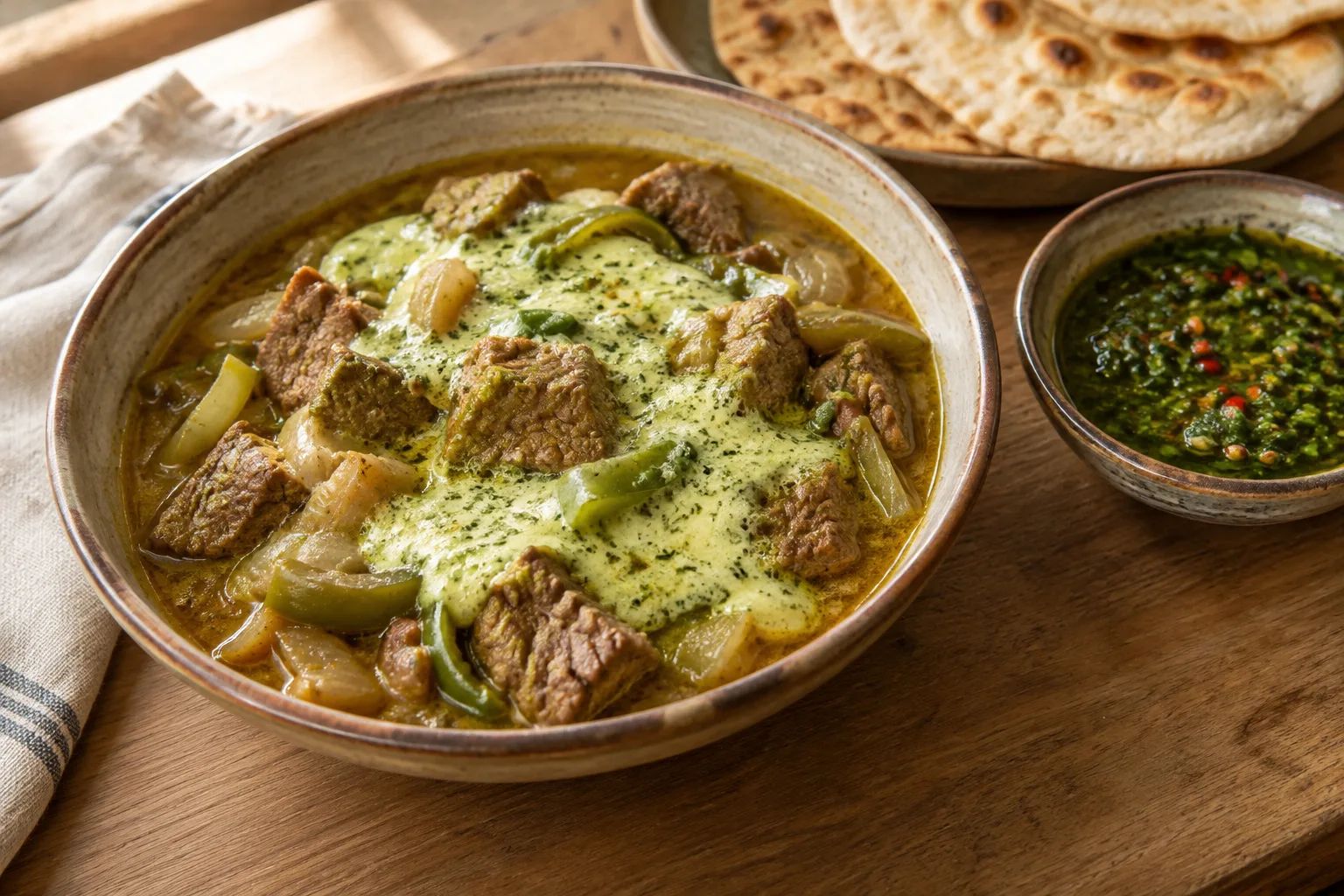
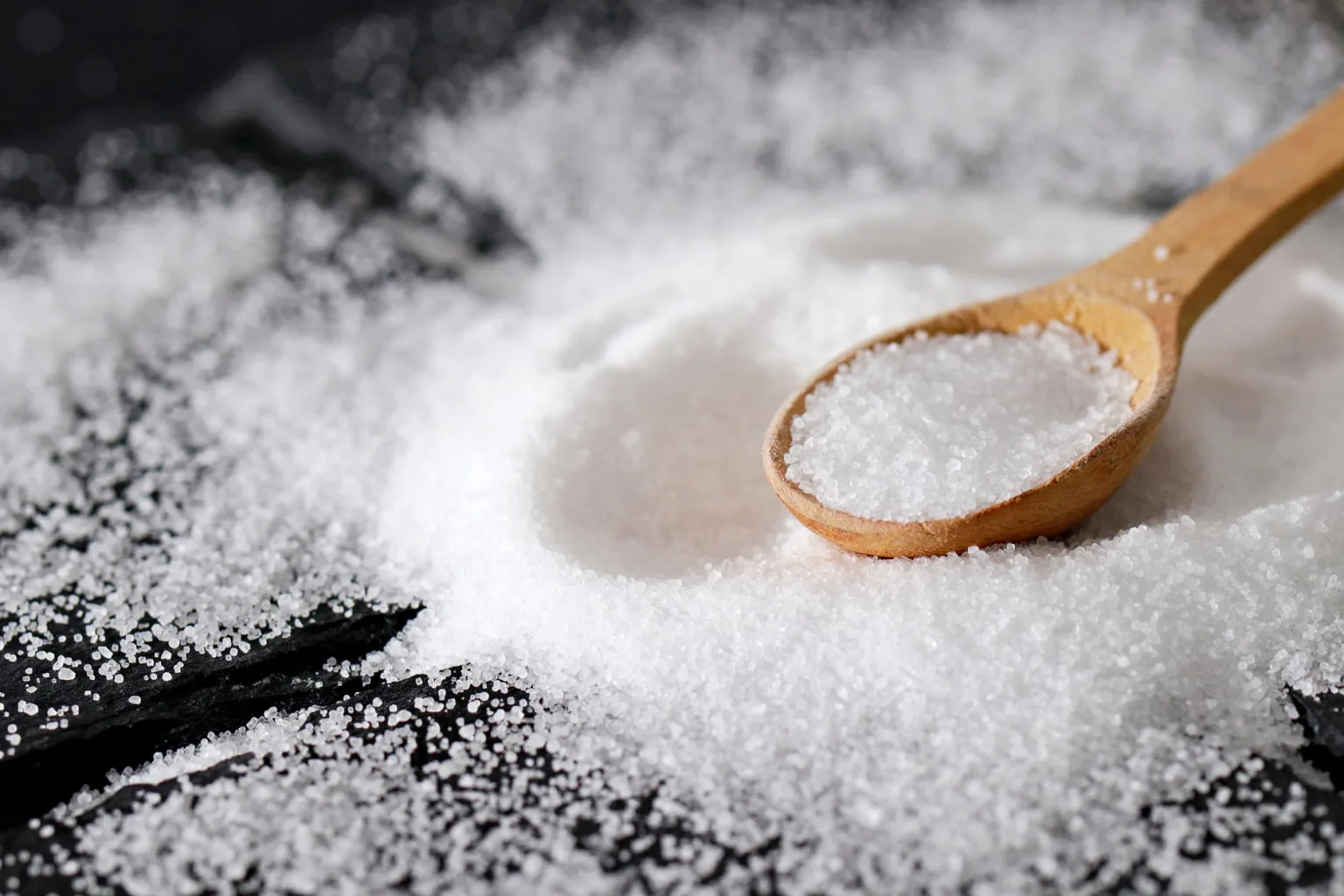
“Salt for sahawiq” does not name a special variety of salt; it means the salt used to season sahawiq, a Yemeni crushed preparation that may include green chile, garlic, cilantro, and tomato. In the recipe described here, salt is crushed with the garlic and chile before the cilantro and tomato are added. A dry cooking salt can therefore do the job; there is no need to seek out a salt made exclusively for this preparation. Crystal size can affect how readily salt spreads and how much fits into a teaspoon, so fine salt and coarse crystals should not be treated as identical measures.
When to use it
Use salt when making sahawiq to serve alongside a dish, particularly when crushing garlic and chile in a mortar. Adding it at the start seasons those ingredients as they are crushed. Once the cilantro and tomato are mixed in, taste the preparation and adjust only if needed. If the sahawiq will accompany an already seasoned stew, consider the whole meal rather than assuming a fixed amount: both the salt type and the seasoning of the accompanying dish can differ.
How to use it
Start with a dry cooking salt you know, preferably a fine one if you want it to disperse easily through a crushed mixture. In a mortar, crush the garlic and chile with the salt first; add the cilantro next and press just enough to distribute it. Add the tomato in batches and continue until the mixture is coarse rather than completely smooth. Taste at the end and add more salt only if needed. If a recipe gives a volume measure and you switch from fine salt to large crystals or flakes, do not assume that a teaspoon of each weighs the same; adjust gradually.
Flavour and texture
Salt contributes a salty taste and can bring out or balance the flavors of other ingredients; it does not supply the chile’s heat or the cilantro’s aroma. In sahawiq, texture depends mostly on how the tomato, chile, and herbs are crushed. Fine salt disperses readily, while large crystals may take longer to dissolve in a moist mixture.
How to choose it
You do not need to buy salt labeled specifically for sahawiq. Choose a culinary salt with a crystal size you recognize, and check the product label to identify what you are buying. Fine salt mixes easily into a crushed preparation. If you prefer coarse crystals or flakes, remember that they occupy a different volume and do not exchange teaspoon measures without adjustment.
Storage
Keep salt dry in a tightly closed package or a clean, dry container, following the product label. Avoid putting a wet spoon into it, as moisture can cause the crystals to clump. This advice applies to the salt itself; for storing prepared sahawiq, follow the recipe’s guidance and the guidance for its ingredients rather than treating salt storage as sufficient.
Substitutions
Fine table salt or fine sea salt can be used when a recipe does not specify a particular type. If replacing large crystals with fine salt, or the reverse, do not assume that the same teaspoon measure is equivalent: the amount held by volume can change. Add it gradually and taste as you go.
Common mistakes
A common mistake is changing crystal size while keeping the same volume measure as though the amounts were identical. It is also easy to oversalt by not tasting the mixture after adding tomato, or by forgetting that sahawiq may be served with an already seasoned stew. Adjust at the end, a little at a time.
Safety and allergens
The available evidence identifies no specific warning for salt used in sahawiq. Follow the product label and use salt as a seasoning, without treating it as a special salt with different properties.
Culinary uses
- Sazonar la pasta de sahawiq
- Ayudar a destacar los sabores de los demás ingredientes
Recommended techniques
- Machacar con ajo y chile en un mortero
- Añadir poco a poco y probar antes de corregir el sazón
Pairs well with
- Ajo
- Chile verde
- Cilantro
- Tomate
Frequently asked questions
Do I need a special salt for sahawiq?
No. Ordinary culinary salt can be used; the name describes its use in sahawiq, not a special salt variety.
When should I add the salt?
It can be crushed with the garlic and chile at the beginning. Taste the finished mixture afterward and adjust if needed.
Can I replace coarse salt with fine salt?
Yes, but do not assume the same teaspoon measure gives the same amount. Add gradually and taste.
Ingredient allergens
Allergen listThere are no verified associations for these ingredients yet.
Sources and review
Automatically researched, cross-checked and validated content. Sources consulted:
- Client Challenge doi.org/10.2307/j.ctvndv9t9.22
- 15 tipos de sal para dar variedad a nuestros platos: cómo elegirlas y usarlas en la cocina www.directoalpaladar.com/ingredientes-y-alimentos/15-tipos-sal-para-dar-variedad-a-nuestros-…
- Qué es Twitch y por qué es importante para el español doi.org/10.64628/aao.ff347t6cj
- Saltah: el guiso yemení con espuma de hilba y sahawiq de chile verde | Sekai Gohan sekaigohan.com/es/recipes/middle-east/yemen/saltah
- ¿Qué es la sal de bambú? | Gastronomía & Cía www.gastronomiaycia.com/que-es-la-sal-de-bambu/
- Los diferentes tipos de sal que existen y su uso en cocina www.expogourmetmagazine.com/es/n-/22319/los-diferentes-tipos-de-sal-que-existen-y-su-uso-en-…
- Tipos de sal para cocinar: guía práctica | Fond fond.kitchen/es/blog/types-of-salt-cooking/