- Category
- Herbs and spices
- State
- Dry
- Usual unit
- teaspoon
What it is
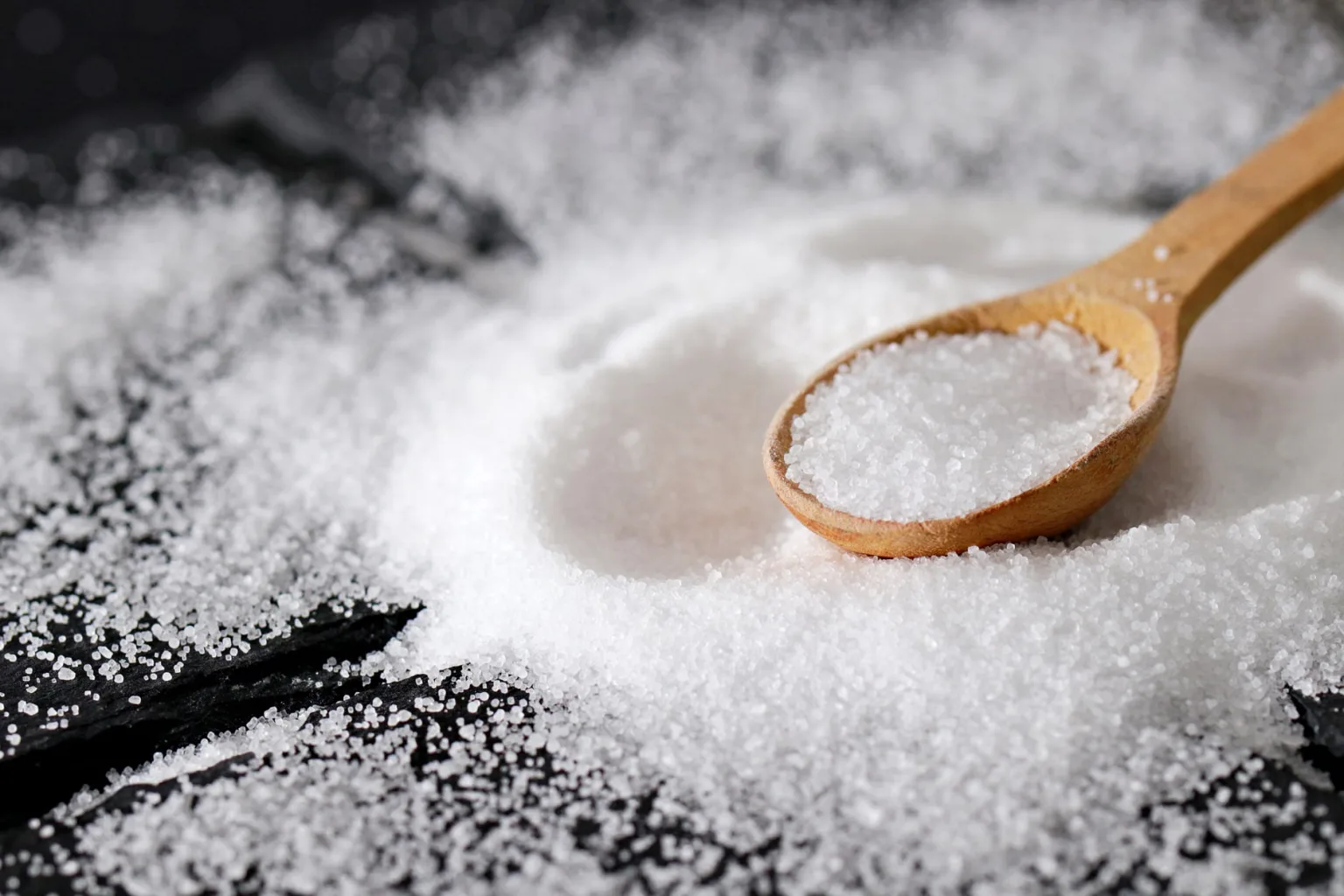
Salt for stew is edible salt used to season a dish cooked with liquid. Fine table salt is a convenient choice for dissolving in broth, soup, and stew; salts with larger crystals can also be used, but crystal size changes how much fits in a teaspoon. Salt contributes a salty taste and can enhance or modify other flavors. There is no need to choose a special variety: the amount used and how evenly it is distributed matter most.
When to use it
Use salt when you want to season the cooking liquid in a vegetable, meat, or fish stew, or in soup. Add some during cooking so it can dissolve into the broth, then check the taste near the end. If the stew contains ingredients that are already salty, start with less and taste before adding more. Fine salt dissolves readily in a served dish; larger crystals may leave a more noticeable texture.
How to use it
Start with a small amount of salt and stir it into the broth until dissolved. Let it blend into the dish and taste before adding another pinch; making several small adjustments is more prudent than salting heavily at once. Check the seasoning near the end, especially if the liquid has reduced or the dish includes salty ingredients, since the flavor may become more concentrated. If using coarse salt, do not assume a teaspoon equals the same amount as a teaspoon of fine salt: adjust gradually by taste. Do not add salt automatically if the stew is already well seasoned.
Flavour and texture
Salt mainly adds a salty taste and can enhance or modify the flavor of other ingredients. Fine salt mixes and dissolves readily in stew liquid. Larger crystals take longer to dissolve and may be noticeable if added at the end. Salt varieties can differ in crystal size and texture; for seasoning broth, fine grains that are easy to measure are often more convenient than crystals chosen for their appearance.
How to choose it
For everyday stew, choose culinary salt whose label clearly identifies its type and grain size. Fine salt is convenient to measure by teaspoon and dissolve in broth. Sea salt and other varieties may have larger crystals, which matters when a recipe gives a volume measure. You do not need a special variety to season stew: crystal size and the amount added matter more than an elaborate name.
Storage
Follow the storage directions on the package and keep the salt in a clean, closed container after use. Keep water and cooking liquid out of the container so dry salt does not become damp or clump. If you buy salt with large crystals, store it so you can identify and measure it without confusing it with fine salt. Check the label for any product-specific instructions.
Substitutions
Fine table salt can replace another culinary salt when seasoning stew. Sea salt can also be used, but its crystals may be a different size, so the same teaspoon measure may not provide the same amount. Add any substitute gradually, dissolve it, and taste the broth before adjusting. If a recipe specifies a variety or grain size, take that into account when changing the amount.
Common mistakes
A common mistake is adding a lot of salt at once and discovering too late that the stew is over-seasoned. Do not measure large-crystal salt as if it were identical to fine salt: a teaspoon can hold different amounts by volume. Stir to dissolve, taste before each adjustment, and account for ingredients that already contribute salt to the dish.
Safety and allergens
Add salt gradually and taste the stew before serving so it does not become too salty. Follow the package storage directions.
Culinary uses
- Seasoning for stews and soups
- Flavor enhancer
Recommended techniques
- Season gradually during cooking, then taste and adjust
- Dissolve into the cooking liquid by stirring
Pairs well with
- Vegetable stews
- Meat and fish stews
Frequently asked questions
When should I salt a stew?
Add a small amount during cooking so it dissolves into the broth, then taste again before making a final adjustment.
Can I use sea salt instead of fine salt?
Yes. Its crystals may be a different size, so add it gradually and adjust by taste rather than relying only on a teaspoon measure.
Why add salt gradually?
Tasting between additions lets you adjust the seasoning without adding more salt than the stew needs all at once.
Ingredient allergens
Allergen listThere are no verified associations for these ingredients yet.
Sources and review
Automatically researched, cross-checked and validated content. Sources consulted:
- Client Challenge doi.org/10.2307/j.ctvndv9t9.22
- 15 tipos de sal para dar variedad a nuestros platos: cómo elegirlas y usarlas en la cocina www.directoalpaladar.com/ingredientes-y-alimentos/15-tipos-sal-para-dar-variedad-a-nuestros-…
- Eating Spain: National Cuisine Since 1900 - UKnowledge uknowledge.uky.edu/context/hisp_etds/article/1031/viewcontent/Eating_Spain_National_Cuisine_…
- Los tipos de sal y sus usos en la cocina | Recetas Nestlé www.recetasnestle.com.mx/escuela-sabor/ingredientes/15-clases-de-sal
- Recetas para comer fuera de casa: Achard de verduras www.cordonbleu.edu/madrid/recetas-para-comer-fuera-de-casa-achard-verduras/es
- Tipos de sal y su uso en la cocina profesional - EN LA COCINA Magazine enlacocina.telemesa.es/cocina/tipos-de-sal-y-su-uso-en-la-cocina-profesional/
- okra | UNL Food food.unl.edu/taxonomy/term/1072/
- Conoce ocho variedades de sal y en qué alimentos utilizarlas www.elconfidencial.com/gastronomia/2022-05-02/cocina-ocho-variedades-sal-alimentos-utilizarl…