- Category
- Vegetables
- State
- Fresh
- Usual unit
- g
What it is
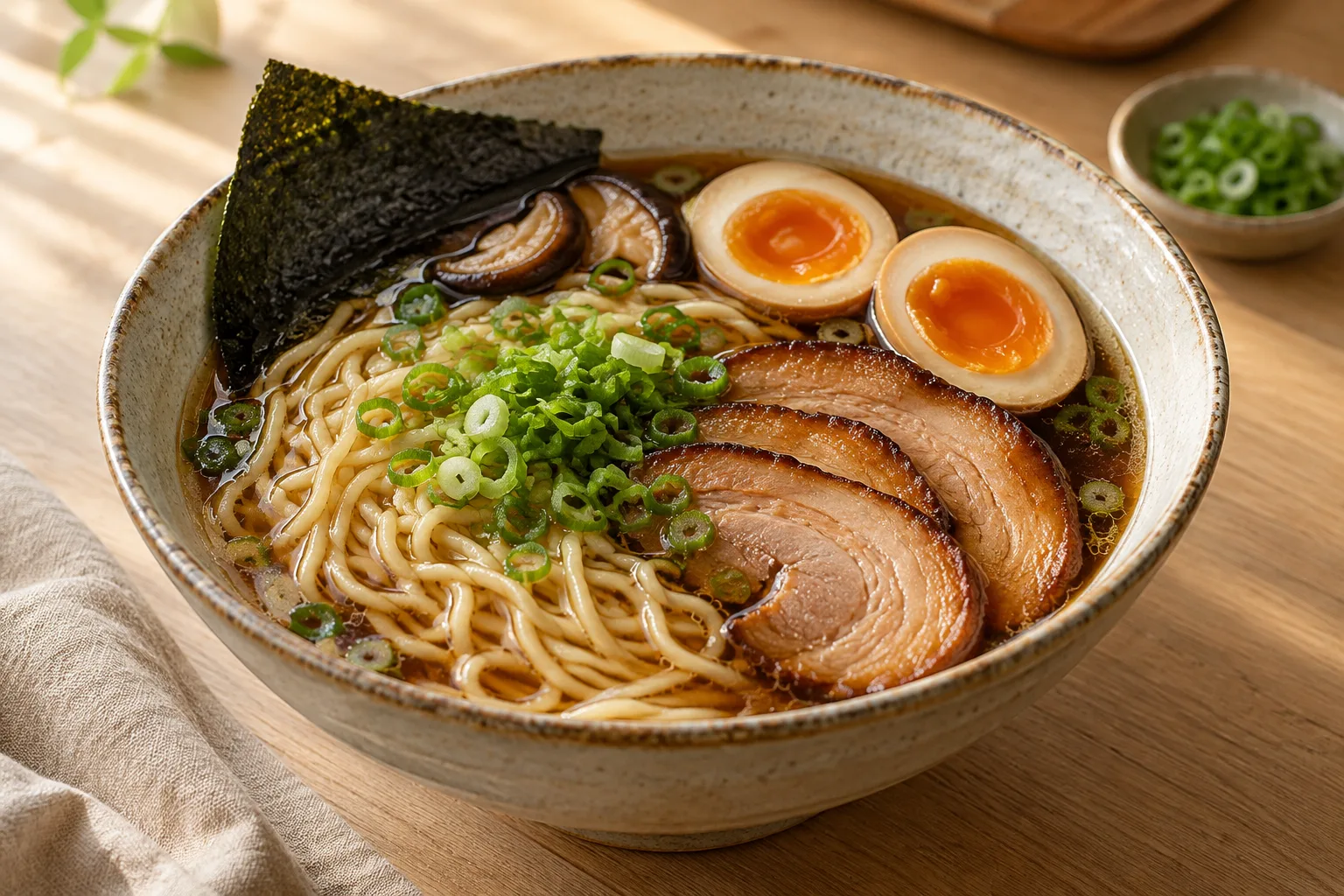
A scallion is a tender onion with a white base and long green tops. In cooking, both the white part and some of the green leaves can be used, although their proportions and the name used for the vegetable can differ by region and by product. Compared with a dried storage onion, scallions are commonly described as fresher and milder in flavor. They can be eaten raw, such as when chopped into salads, or cooked in a sauté. They are also useful as a garnish, adding aroma, a fresh note and a contrast of color. If a recipe simply calls for scallions, check which part it uses and adjust your cut to suit the result you want.
When to use it
Choose scallions when you want a gentler onion flavor that will not overpower other ingredients, or when a fresh green finish would suit the dish. Chopped raw, they work in salads and other fresh dishes; cooked, they can go into a sauté. You can also reserve the green tops to garnish hot dishes. If a recipe needs a more pronounced onion flavor, a stronger-tasting onion may be a better fit. Scallions vary in size and in the balance of white and green parts, so you can adjust the cut and amount to the dish.
How to use it
Remove any damaged parts and rinse the scallion well before cutting. Separate the white base from the green tops if you want to control their flavor and appearance separately. Chop finely for salads, fresh sauces or garnishes; slice into rings for more visible pieces. To cook scallions, add them to a sauté and cut them to suit the other ingredients in the recipe. You can also reserve some of the green tops and add them at the end as a garnish for color and freshness. If using scallions with oil, treat them as an ingredient in a dish and serve the dish rather than treating the mixture as a preserve: do not store it at room temperature in oil. Adjust the amount to the size of the scallions and the flavor you want.
Flavour and texture
Fresh scallions have a mild, aromatic flavor compared with the stronger profile of some storage onions. The white part is fleshy, while the long green tops add a contrasting color. Raw scallions can bring a fresh, crisp bite; when cooked, their flavor blends into a sauté. Intensity and texture can vary with size, freshness and which part you use.
How to choose it
Look for scallions with green tops that appear fresh and vigorous, and a firm, intact white base without visible damage. Avoid scallions that look wilted or deteriorated. The balance of white and green can vary from one scallion to another, so consider how you plan to use them: more white for a more pronounced onion flavor, and green tops for color or a garnish.
Storage
Keep fresh scallions in the refrigerator vegetable drawer. You can also store them in an airtight container. Handle them gently and remove any deteriorated parts before use. If you cut them ahead, refrigerate them in a closed container and use them soon; do not store scallions submerged in oil at room temperature.
Substitutions
Tender white onion or another type of green onion can stand in for scallions, but the flavor and proportion of green tops will differ. Since varieties vary in intensity, start with a moderate amount and adjust to taste. This is a cooking substitute, not an exact match for flavor or texture.
Common mistakes
Do not automatically discard the green tops: they can be used as a garnish or in fresh dishes. Another mistake is assuming that every scallion is the same size or that the white and green parts are always used in the same proportion. Adjust the cut and amount to the recipe. Do not store scallions submerged in oil at room temperature.
Safety and allergens
Rinse scallions under running water before cutting and remove deteriorated parts. If you have a food allergy, also check the other ingredients and the information on packaged products; the scallion alone does not establish which allergens may be present in a complete dish.
Culinary uses
- Aporta un sabor suave a platos frescos y cocinados.
- Se usa como guarnición y como base aromática para sofritos y salteados.
Recommended techniques
- Picar y añadir cruda a ensaladas o como guarnición.
- Cocinar en un sofrito o salteado.
Pairs well with
- Ensaladas y platos frescos.
- Pescados, mariscos y carnes como acompañamiento o guarnición.
Frequently asked questions
Can you eat the green tops of scallions?
Yes. Chop the green tops into salads, fresh dishes or garnishes. You can also include them in cooked dishes.
Can scallions be cooked?
Yes. Use them in sautés as well as raw. Their flavor and texture change when cooked.
How should fresh scallions be stored?
Keep them in the refrigerator vegetable drawer or in an airtight container. Do not store them at room temperature submerged in oil.
Ingredient allergens
Allergen listThere are no verified associations for these ingredients yet.
Sources and review
Automatically researched, cross-checked and validated content. Sources consulted:
- Client Challenge doi.org/10.2307/j.ctvndv9t9.22
- La cebolla, ingrediente básico en la cocina | Recetas Nestlé www.recetasnestle.com.ar/escuela-de-sabor/ingredientes/cebolla
- Tipos de cebolla: variedades y usos culinarios | Cepaflor cepaflor.com/alimentos-saludable/tipos-de-cebolla/
- Etiquetado de sustancias que causan alergias e intolerancias alimentarias www.aesan.gob.es/seguridad-alimentaria/informacion-alimentaria/etiquetado-sustancias
- Qué es la cebolleta en España: usos, origen y cómo elegirla agricolacampolor.com/que-es-la-cebolleta-en-espana-la-joya-verde-de-nuestra-gastronomia/
- La cebolla, la base de la gastronomía española - Enrique Romay eromay.com/la-cebolla-la-base-de-la-gastronomia-espanola/
- El sabor de la humildad: el tomate seco (de Caspe, por ejemplo) | OpenAlex openalex.org/W25292779
- Food Allergies | FDA www.fda.gov/food/nutrition-food-labeling-and-critical-foods/food-allergies
- Food allergens | Food Safety and Quality | FAO www.fao.org/food-safety/scientific-advice/food-allergens/en
- Allergen guidance for food businesses - GOV.UK www.gov.uk/government/publications/allergen-guidance-for-food-businesses/allergen-guidance-f…
- Allergen labelling for consumers | Food Standards Australia New Zealand www.foodstandards.gov.au/consumer/labelling/allergen-labelling
- La cebolla, ingrediente imprescindible en la cocina - La Española Aceites www.laespanolaaceites.com/blog/gastronomia/cebolla-imprescindible-en-la-cocina/
- - YouTube www.youtube.com/watch?v=WCJ7QvMLOdM