- Category
- Vegetables
- State
- Fresh
- Usual unit
- unit
What it is
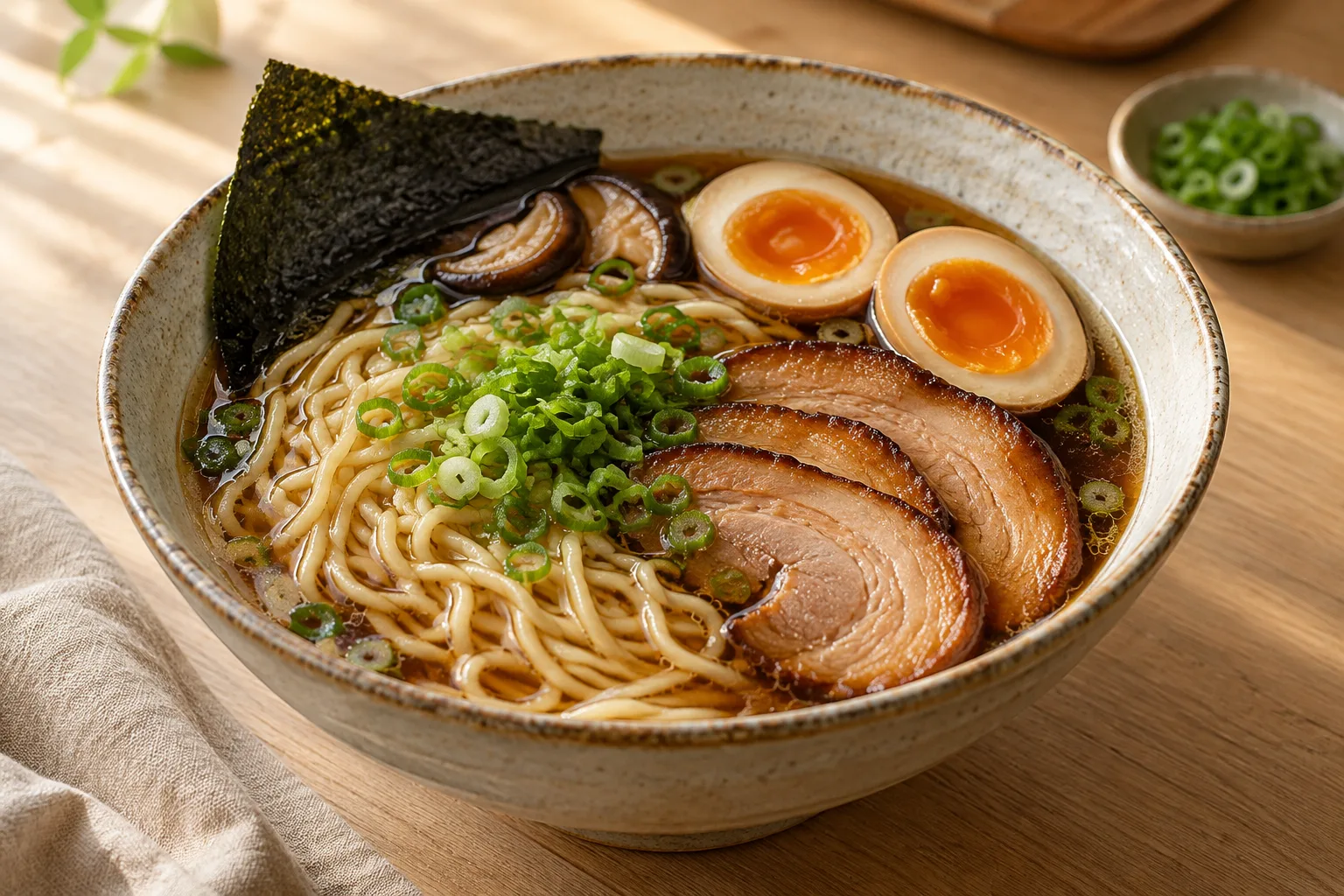
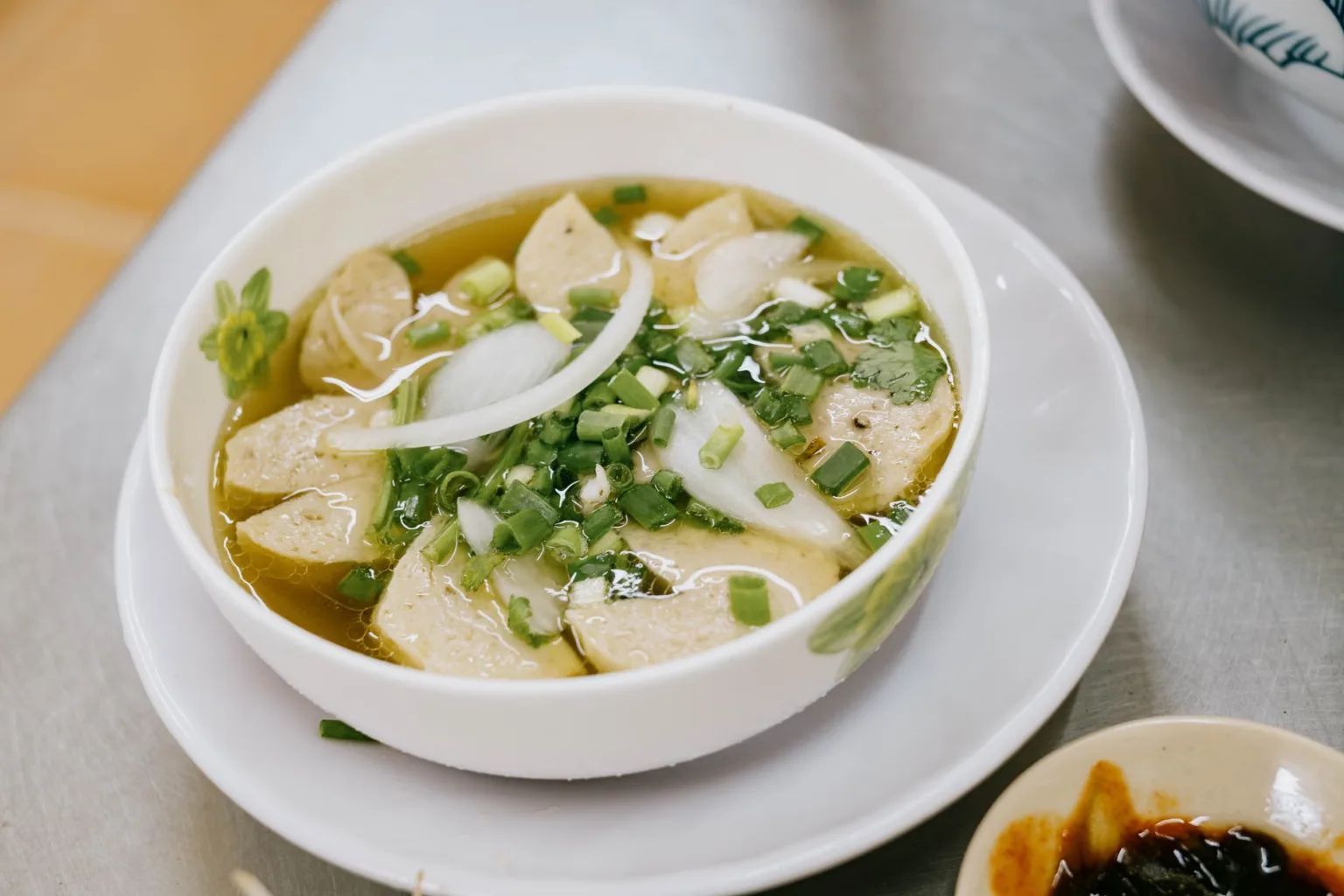
Scallions for broth are fresh alliums valued for their edible green leaves and tender white portion. Names for young onions and scallions vary by region and variety, but in cooking they are generally distinguished from dry onions by their tender, mild character. Both the leaves and white portion can be used in broths and soups. The green leaves also work in salads and other fresh preparations, while the white portion can contribute to sautés and sauces. If a recipe simply calls for scallions, check the form of the ingredient you have and use its edible parts as you prefer.
When to use it
Use scallions when you want to give broth or soup a light onion aroma without necessarily relying on a dry onion with a more pronounced flavor. The green leaves can be used in broths and soups, while the white portion works in cooked dishes or as part of a sauté base. They are also suitable for salads when you want a fresh accent. Since varieties and regional names do not always match, adjust the amount to the intensity of your scallions and the role they should play in the dish.
How to use it
Remove any damaged parts and cut the scallions to suit the dish. If convenient, separate the white portion from the green leaves: chop the white portion for a sauté or add it to broth, and slice the leaves for soup, broth or salad. Cut them finely if you want the pieces to blend in, or into wider slices if you want more texture. Scallions can be added to cooked preparations or used fresh. Taste the broth toward the end and adjust the amount next time according to the flavor it contributed.
Flavour and texture
Scallions are generally mild, with an aroma reminiscent of onion and a fresh character. The white portion is tender, while the green leaves add color and a leafy texture. Flavor and intensity can vary among scallion and spring-onion types, so adjust the amount to taste. Cooked in soup, they contribute a different character from scallions added fresh to a salad.
How to choose it
Choose scallions with green leaves that look lively and crisp, and a white portion that feels firm and has no visible damage. Avoid bunches with wilted stems, damaged areas or obvious moisture. Differences in size and shape are normal, and scallion and spring-onion names can be used differently from place to place. For broth, look for fresh, sound portions that you plan to use.
Storage
Keep fresh scallions in the refrigerator to help maintain their condition. Remove any clearly damaged parts before storing, but avoid cutting or washing them far ahead if you are not ready to use them. If they have already been cut, keep them covered in a container and use them soon. Check their condition before cooking and discard any portions that show deterioration.
Substitutions
Spring onion can work in a similar preparation because it is also used fresh and its green portions are used in soups and broths. Another scallion variety may fill a similar role, but its flavor and the balance between leaves and white portion may differ. Adjust the amount to taste; do not assume every variety has the same intensity or that a substitution will preserve exactly the same character in the broth.
Common mistakes
Do not automatically discard the green leaves: they can also be used in broths and soups. Another common mistake is treating every spring onion as identical; names and characteristics vary among varieties and regions. To keep the scallion flavor from dominating, begin with a moderate amount and adjust after tasting the broth.
Safety and allergens
If scallions are part of a packaged product or prepared broth, check that product’s ingredient and allergen information. When eating food prepared away from home, ask what the broth contains if you need to avoid a particular allergen.
Culinary uses
- Base aromática para caldos y sopas
- Aporte fresco y verde para ensaladas y guarniciones
- Ingrediente suave para sofritos y salsas
Recommended techniques
- Picar finamente la parte blanca y añadirla al caldo o la sopa
- Cortar las hojas verdes en rodajas para incorporarlas a sopas, caldos o ensaladas
- Cocinarla como parte de un sofrito
Pairs well with
- Caldos y sopas
- Ensaladas y verduras frescas
- Preparaciones con pescado o carne
Frequently asked questions
Which part of a scallion can I use in broth?
Both the white portion and the green leaves can be used. Cut them to suit your preferred texture and the type of scallion you have.
Are scallions and spring onions always the same?
Not necessarily. Names vary by region and may refer to different allium varieties. Check the form of the ingredient and use its edible parts as the recipe requires.
How should I store fresh scallions?
Keep them in the refrigerator and check their condition before use. If they are already cut, keep them covered and try to use them soon.
Ingredient allergens
Allergen listThere are no verified associations for these ingredients yet.
Sources and review
Automatically researched, cross-checked and validated content. Sources consulted:
- Client Challenge doi.org/10.2307/j.ctvndv9t9.22
- Para qué sirve cada tipo de cebolla (y un truco para no llorar al picarla) | El Comidista | Gastronomía | EL PAÍS elpais.com/gastronomia/el-comidista/2022/11/24/articulo/1669303282_080564.html
- La cebolla, ingrediente básico en la cocina | Recetas Nestlé www.recetasnestle.com.ar/escuela-de-sabor/ingredientes/cebolla
- Qué es la cebolleta en España: usos, origen y cómo elegirla agricolacampolor.com/que-es-la-cebolleta-en-espana-la-joya-verde-de-nuestra-gastronomia/
- Agencia Española de Seguridad Alimentaria y Nutrición www.aesan.gob.es/
- La cebolla, la base de la gastronomía española - Enrique Romay eromay.com/la-cebolla-la-base-de-la-gastronomia-espanola/
- Food Allergens - International Regulatory Chart | Food Allergy Research & Resource Program | Nebraska farrp.unl.edu/IRChart/
- Cebolleta o cebolla tierna | Gastronomía & Cía www.gastronomiaycia.com/cebolleta-o-cebolla-tierna/
- Descubriendo los secretos de la cebolla friolisa.es/es/blog/descubriendo-los-secretos-de-la-cebolla.html
- Food Allergies | FDA www.fda.gov/food/nutrition-food-labeling-and-critical-foods/food-allergies
- Food allergen labelling and information requirements technical guidance - GOV.UK www.gov.uk/government/publications/food-allergen-labelling-and-information-requirements-tech…
- Usos y Dosis Autorizados Composición Datos del Producto ... servicio.mapa.gob.es/regfiweb/Productos/ExportFichaProductoPdfGet?idProducto=114836
- Declaration of allergens on food labels: overview of Latin America - PMC pmc.ncbi.nlm.nih.gov/articles/PMC11205258/
- La cebolla, ingrediente imprescindible en la cocina - La Española Aceites www.laespanolaaceites.com/blog/gastronomia/cebolla-imprescindible-en-la-cocina/
- La tradición botánica, dietética y culinaria del hinojo desde la antigüedad hasta el renacimiento | OpenAlex openalex.org/W3011128045