- Category
- Vegetables
- State
- Fresh
- Usual unit
- unit
What it is
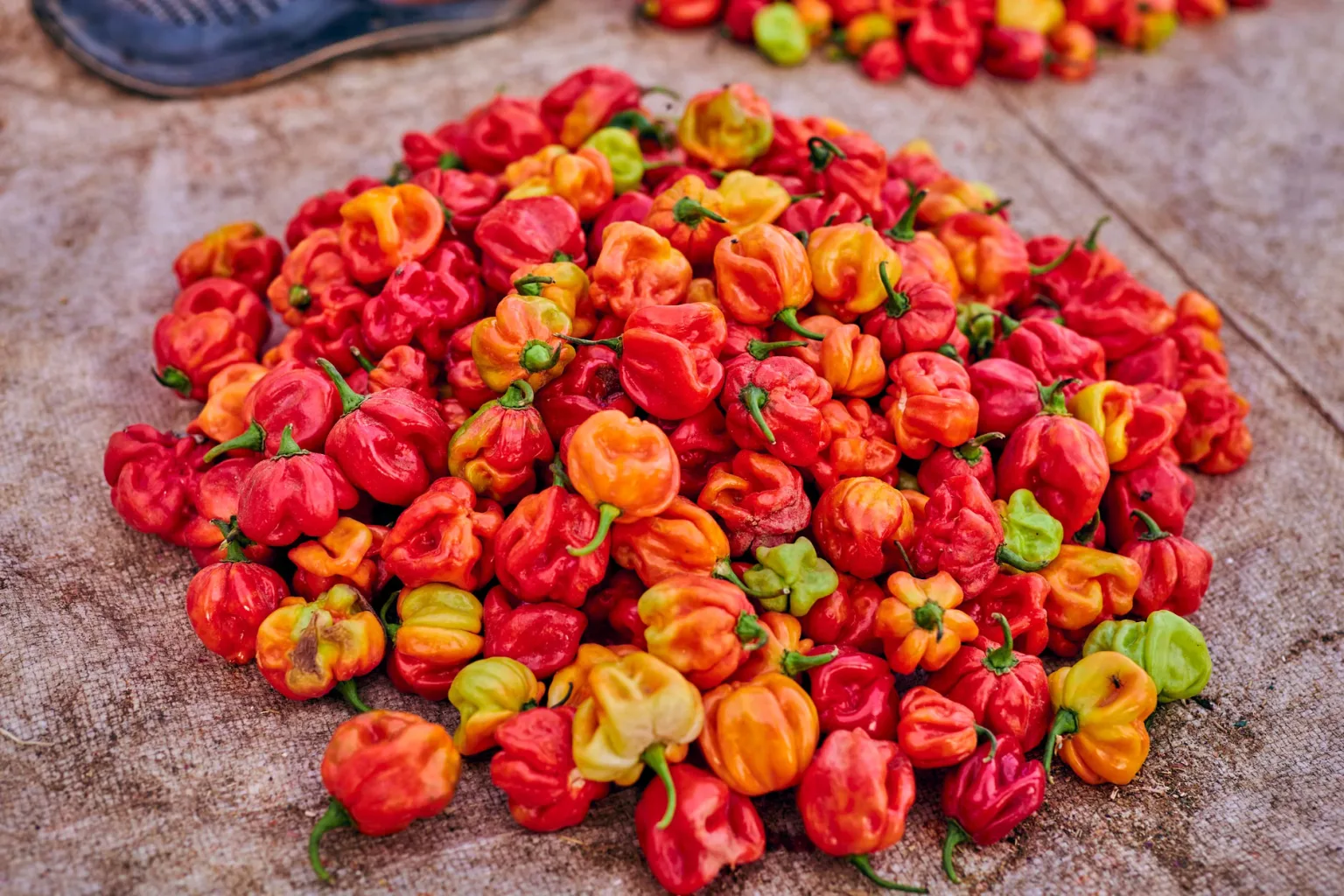
The Scotch bonnet is a pepper in the Capsicum chinense group, named for its flattened shape, which resembles a Scottish bonnet. It is grown in several regions and is especially associated with Caribbean cooking, including Jamaican dishes. Fruits may be green before ripening and can later turn yellow, orange, or red, depending on the variety. Its heat can be intense, though color and pungency are not identical in every fruit. It contributes fruity character as well as heat, rather than serving only as a neutral source of spice. It is sometimes confused with the closely related habanero, but its shape and culinary character help distinguish it.
When to use it
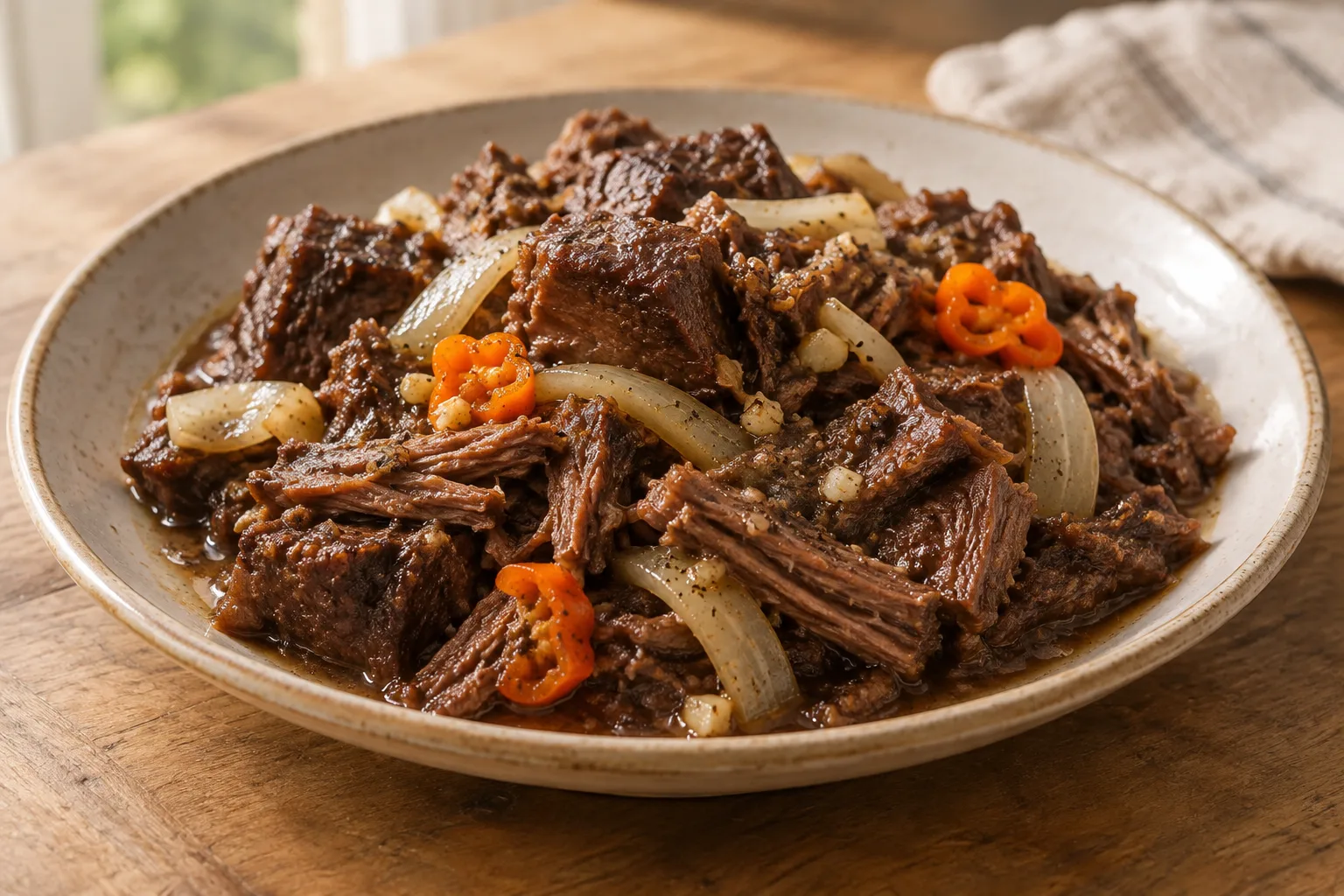
Use a Scotch bonnet when you want pronounced heat and fruity aroma in a sauce, marinade, or Caribbean-inspired stew. It can also add character to seasonings and grilled dishes, but add it carefully: one fruit can easily overpower a small batch. If you do not know the variety or the heat of the particular pepper, start with a small amount, mix thoroughly, and taste before adding more. It pairs especially well with fruit such as mango and can accompany grilled meat, fish, or vegetables. The pepper's color alone is not a reliable way to judge its exact heat.
How to use it
Rinse the pepper with potable water and handle it carefully. Remove the stem and finely chop it to distribute through a marinade, stew, or seasoning; for a sauce, blend it with the other ingredients. Add a small amount at a time, mix, and taste before continuing, since Scotch bonnets can be extremely hot. For a fruity sauce, combine a cautious amount with mango and balance it with the other ingredients in the recipe. You can also add it to grilled preparations or Caribbean-style rice and stews. Avoid touching your eyes or face while handling it, and wash your hands and utensils afterward. Removing the seeds does not guarantee that the pepper will no longer be hot.
Flavour and texture
Its intense heat comes with a fruity character and, in some culinary descriptions, notes reminiscent of apricot. The flavor is more expressive than that of a pepper used only to add heat. A fresh fruit is fleshy, but shape, color, and ripeness vary by variety. Heat can also vary, so appearance alone cannot reliably predict it. In sauces and stews, the pepper contributes aroma as well as pungency.
How to choose it
Look for peppers identified as Scotch bonnets, and do not assume they all have the same color or heat level. Depending on ripeness and variety, they may be green, yellow, orange, or red. Their flattened, bonnet-like shape is characteristic, but shape alone cannot confirm how hot a pepper is. For fresh peppers, choose whole fruits without obvious damage, and ask about their heat when possible. Taste a small amount before deciding how much to use in a recipe.
Storage
Handle the fruits gently to avoid bruising and keep them in clean conditions. The available evidence does not establish a specific storage temperature or shelf life for Scotch bonnets, so avoid assigning an exact timeframe. If you have washed a pepper, dry it before storing and do not leave it soaking in water. Check the fruit and discard any that show obvious deterioration. Avoid crushing it under other produce, and use damaged fruits first.
Substitutions
A habanero can work as an alternative because it is closely related to the Scotch bonnet, but do not assume it has exactly the same flavor or heat. Another hot pepper can also provide pungency, though it will change the character of the dish. Start with a small amount, mix, and taste before adjusting. In a sauce, mango can be replaced with fruits such as pineapple or peach, but that changes the recipe rather than replacing the pepper.
Common mistakes
The most common mistake is adding too much before tasting: Scotch bonnets can be extremely hot and overwhelm other flavors. Do not assume color tells you how hot a pepper is, or that a habanero will be an identical substitute. Chop and distribute the pepper evenly to avoid unexpectedly concentrated bites. Avoid touching your eyes or face while handling it.
Safety and allergens
Scotch bonnets can be very hot. Add them gradually, taste the dish, and avoid touching your eyes or face while handling them. Use clean utensils and potable water when rinsing.
Culinary uses
- chile para aportar picor y aroma
- ingrediente para salsas y condimentos
Recommended techniques
- picar y añadir a marinadas o guisos
- triturar en salsas picantes
Pairs well with
- mango y otras frutas tropicales
- carnes, pescados y verduras a la parrilla
Frequently asked questions
What is a Scotch bonnet?
It is a pepper in the Capsicum chinense group, known for its flattened shape and its use in sauces and Caribbean dishes.
Is it the same as a habanero?
Not exactly. They are closely related, but the Scotch bonnet is distinguished by its shape and fruity character.
How can I control the heat?
Add a small amount, mix, and taste before adding more. Heat can vary from one pepper to another.
Ingredient allergens
Allergen listThere are no verified associations for these ingredients yet.
Estimated nutrition
- Fat
- 0 g
- Saturates
- 0 g
- Carbohydrate
- 0 g
- Sugars
- 0 g
- Protein
- 0 g
- Salt
- 4.25 g
Sources and review
Automatically researched, cross-checked and validated content. Sources consulted:
- Client Challenge doi.org/10.2307/jj.27939689.16
- Storing Fresh Fruits and Vegetables (G1264) extensionpubs.unl.edu/publication/g1264/na/html/view
- Scotch bonnet - Wikipedia, la enciclopedia libre es.wikipedia.org/wiki/Scotch_bonnet
- Chile Scotch Bonnet: cultivo, riego y cosecha en 100 días plotmygarden.com/es/plants/pepper-scotch-bonnet
- CARIBBEAN FOOD CROPS SOCIETY Forty-ninth Annual ... ageconsearch.umn.edu/record/253443/files/Adams-Roberts-Sinha-Lauckner-Lawrence.pdf
- Find Scotch Bonnet Peppers Near Me ~ cms.ncwc.edu cms.ncwc.edu/scotch-bonnet-peppers-near-me/
- 2026 Student Culinary Competition | Institute of Culinary Education www.ice.edu/events/2026-student-culinary-competition
- Chilis: Biology, History, Travels, Cuisine | Explore IntroSems exploreintrosems.stanford.edu/opportunities/chilis-biology-history-travels-cuisine
- Chef Janet Davis ’96 shares culinary creations at 2016 Democratic Convention – SUNY New Paltz News sites.newpaltz.edu/news/2016/08/chef-janet-davis-96-shares-culinary-creations-at-2016-democr…
- ¿Qué son los chiles Scotch Bonnet? - Blog de La Parada de las Especias comprarespecias.net/blog/scotch-bonnet/?srsltid=AYCX9vJt9_CPk9dJEGcZdWHjJMkdFX5wGqwxUDcasVzs…
- Chile Habanero Scotch Bonnet: su picor y sabor | Pikantista pikantista.com/es/pages/variedades-chile-habanero-scotch-bonnet?srsltid=AYCX9vLKRWvZZ7Twex1W…
- Chile Habanero Scotch Bonnet | Chili-Plants.com chili-plants.com/es/variedades-chile-pimiento/chile-habanero-scotch-bonnet/?srsltid=AYCX9vIx…