- Category
- Herbs and spices
- State
- Dry
- Usual unit
- Variable
What it is
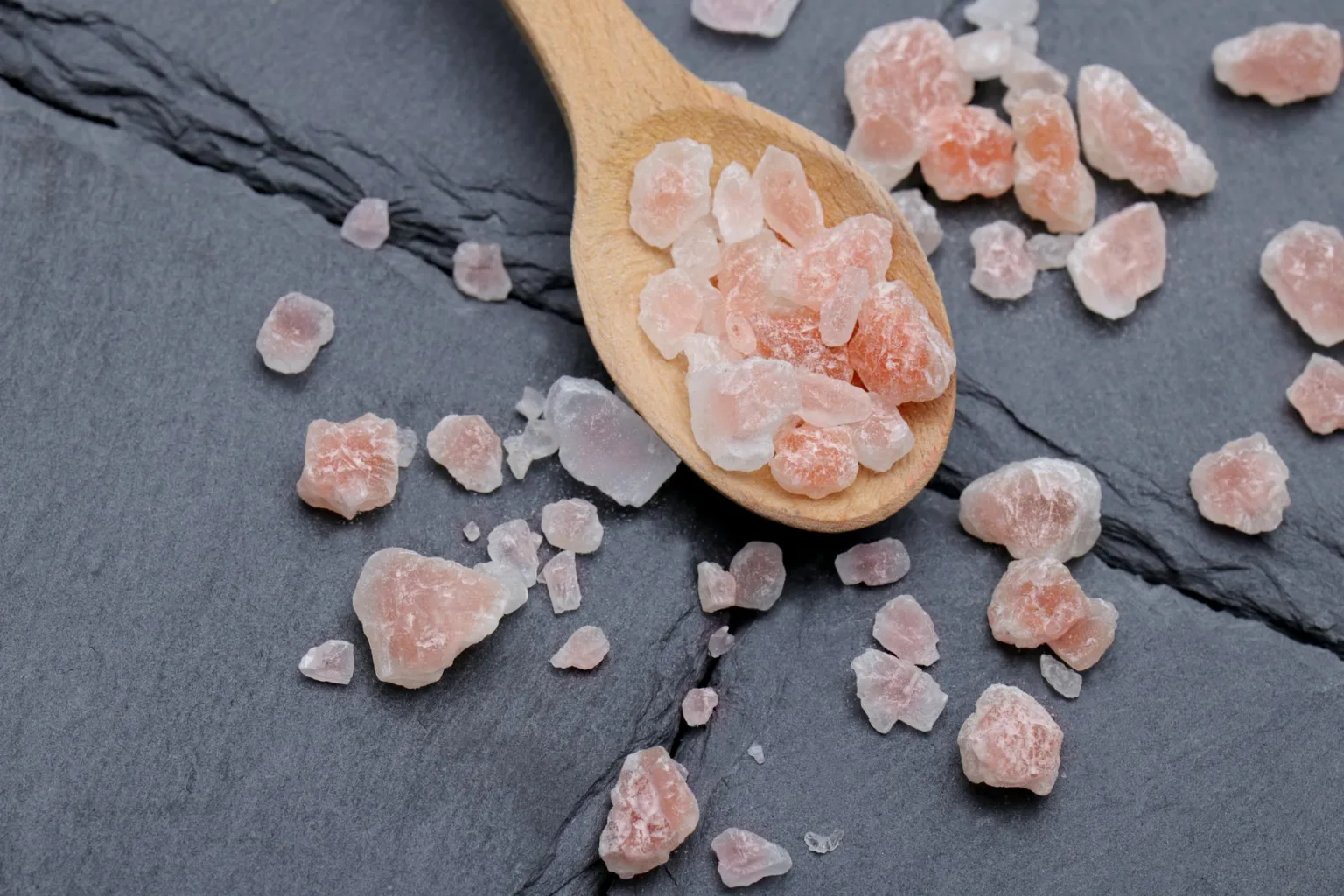
Sea salt flakes are salt in the form of thin, light and often irregular crystals rather than small, uniform grains. Their size, shape and consistency can differ from one product to another. The flakes can be sprinkled or gently crushed between the fingers, and they contribute more than saltiness: they add a delicate crunch on the surface of food. They are commonly used as a finishing salt, where their texture is most apparent when added to a completed dish or just before serving. Not every flaky salt has exactly the same source or flavour profile, so check the package, particularly for seasoned varieties. They are not limited to one style of cooking and can be used on savoury foods as well as certain desserts.
When to use it
Use sea salt flakes when you want saltiness to be noticeable on the surface and some crystals to retain their texture as you eat. They work well as a final touch for roasted vegetables, salads, meat, fish and seafood, as well as bread and some chocolate or caramel desserts. Add them close to serving time: mixing them into liquid or cooking them for a long time can dissolve the flakes and remove their characteristic crunch. For evenly seasoning a dish from the start, a fine-grained salt is usually more practical.
How to use it
Begin with a small pinch and scatter the flakes over the dish just before serving. Gently crush them between your fingertips to distribute them more evenly, or leave them whole for a more visible, crisp finish. Taste the food before adding more, particularly if it has already been seasoned during cooking or contains salty ingredients. On roasted vegetables, fish, meat or salads, use flakes as a finishing touch rather than an automatic replacement for all the salt in the recipe. You can also scatter a few over chocolate, caramel or baked goods for a sweet-salty contrast. Crystal size and shape vary, so adjust the amount to the product and the effect you want.
Flavour and texture
The flavour is salty and may come across as clean and mild, depending on the variety. The most distinctive feature is usually the texture: light flakes that break when bitten and give food a brief, delicate crunch. Crystal size and consistency are not identical in every product, so the mouthfeel can vary. Smoked or blended varieties have a different profile from plain sea salt; check the label to see what else is included.
How to choose it
Choose a product clearly labelled as sea salt flakes, and check the ingredients if you want salt without added flavourings. Look for an intact package and flakes that appear dry, with no obvious signs of moisture or contamination. Crystal size, shape and uniformity can vary among products and varieties; this is not necessarily a defect. If the finished texture matters, choose a product described as flaky rather than fine or granulated salt. For seasoned varieties, check which additional ingredients have been included.
Storage
Keep sea salt flakes in a clean, dry, tightly closed container in a cool place away from moisture. Dampness can cause the flakes to clump or lose some of their light texture; avoid putting wet fingers or damp utensils into the container. Reseal the package after each use and follow the storage directions on the label, especially for blends containing other ingredients. Refrigeration is not needed.
Substitutions
Fine sea salt can replace flakes when seasoning is the main aim, but it will not provide the same crisp finish. Coarse salt can also be used to finish a dish, although its crystals may feel harder or larger; crush it if you want a finer distribution. Crystal shape and size affect how salt spreads over food, so do not automatically use the same volume when substituting. Add a little at a time and taste.
Common mistakes
A common mistake is adding the flakes too early and expecting them to stay crisp after they encounter moisture or are cooked. It is also easy to over-season by sprinkling without tasting first, especially when the dish already contains salty ingredients. Do not treat flaky salt as identical to fine salt intended to dissolve evenly: its main appeal is the finishing texture and surface flavour.
Safety and allergens
Season gradually and taste before adding more. Check the label of flavoured or blended varieties to identify their ingredients, and follow the package storage directions.
Culinary uses
- Condimento para sazonar
- Acabado crujiente para platos servidos
Recommended techniques
- Espolvorear justo antes de servir
- Desmenuzar suavemente entre los dedos para repartir las escamas
Pairs well with
- Verduras asadas y ensaladas
- Carnes, pescados y mariscos
- Chocolate, caramelo y productos horneados
Frequently asked questions
When should I add sea salt flakes?
They are usually sprinkled on at the end of cooking or just before serving, so they can add flavour and a crisp texture.
Can I cook with flaky salt?
You can add it during cooking, but the flakes may dissolve. For their characteristic texture, use them as a finishing salt.
What foods go well with sea salt flakes?
They pair well with vegetables, salads, meat, fish and seafood. They can also finish bread and some chocolate or caramel desserts.
Ingredient allergens
Allergen listThere are no verified associations for these ingredients yet.
Estimated nutrition
- Fat
- 0 g
- Saturates
- 0 g
- Carbohydrate
- 0 g
- Sugars
- 0 g
- Protein
- 0 g
- Salt
- 96.75 g
Sources and review
Automatically researched, cross-checked and validated content. Sources consulted:
- Gastronomía mediterránea - Wikipedia, la enciclopedia libre es.wikipedia.org/wiki/Gastronom%C3%ADa_mediterr%C3%A1nea
- Romanica Olomucensia : «¿Qué pinga es esto?». Usos disfemísticos en el español de Cuba doi.org/10.5507/ro.2021.007
- Sabor a sal: 10 variedades que debes conocer y usar cooking.elmundo.es/noticias/2024/08/16/sabor-sal-10-variedades-debes-conocer.html
- Historia de la gastronomía - Wikipedia, la enciclopedia libre es.wikipedia.org/wiki/Historia_de_la_gastronom%C3%ADa
- Qué es (y qué no es) la estadística, usos y abusos de una disciplina clave en la vida de los países y las personas | Estudios económicos doi.org/10.52292/j.estudecon.2015.740
- Variedades de Sal Maldon: dónde comprarlas maldonsalt.com/es/donde-comprar-todas-las-variedades-de-sal-maldon/
- La sal marina: mucho más que un condimento en la cocina - Canariasgourmet! www.canariasgourmet.es/la-sal-marina-mucho-mas-que-un-condimento-en-la-cocina/
- Mezcla de sal marina en escamas y pimentón de la Vera para sazonar carnes y pescados - SALIMAR asosalimar.com/mezcla-de-sal-marina-en-escamas-y-pimenton-de-la-vera-para-sazonar-carnes-y-p…
- ¿Qué es la sal en escamas? Guía de usos, beneficios y tipos. www.ittefaqsalt.com/es/que-es-la-sal-en-escamas/