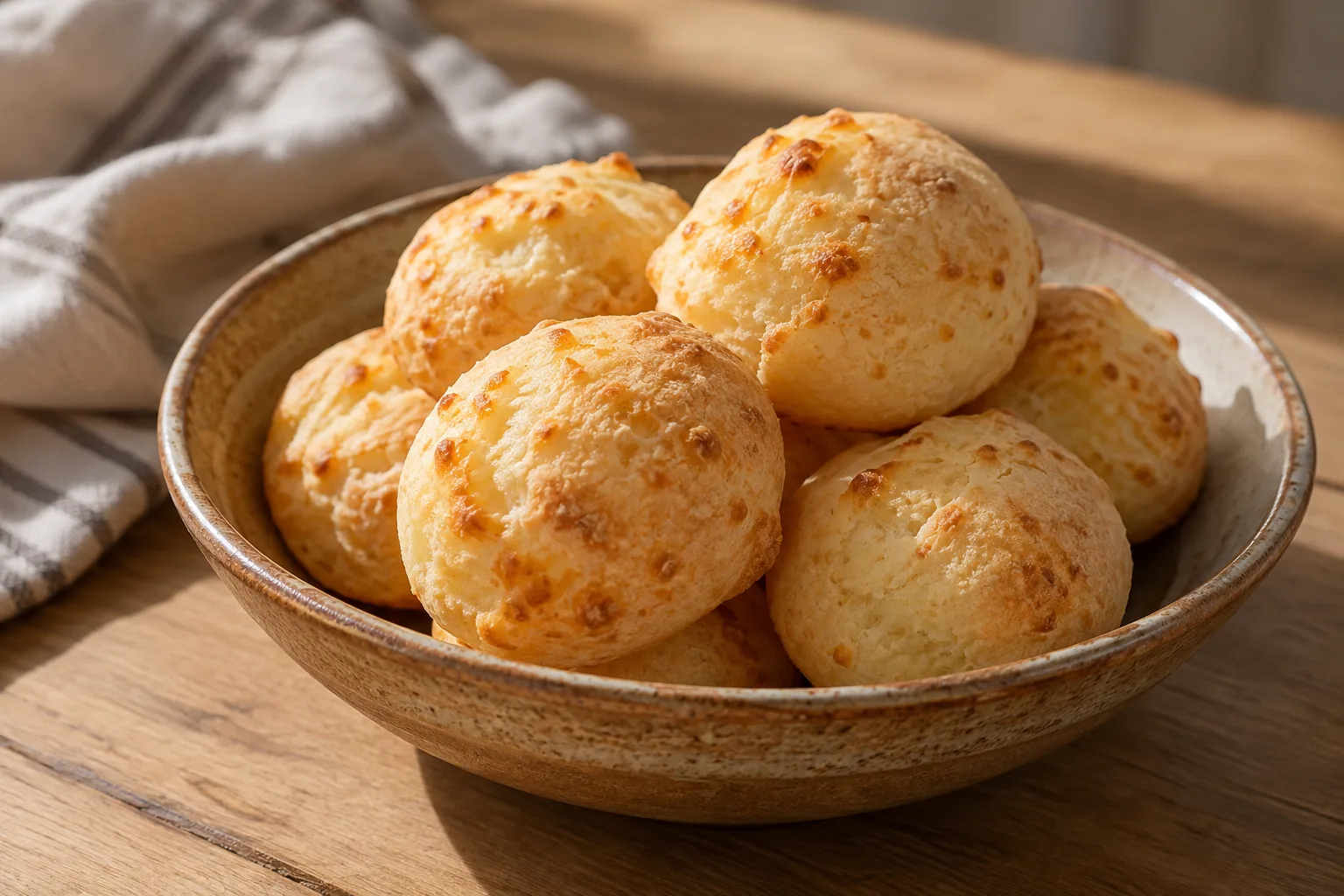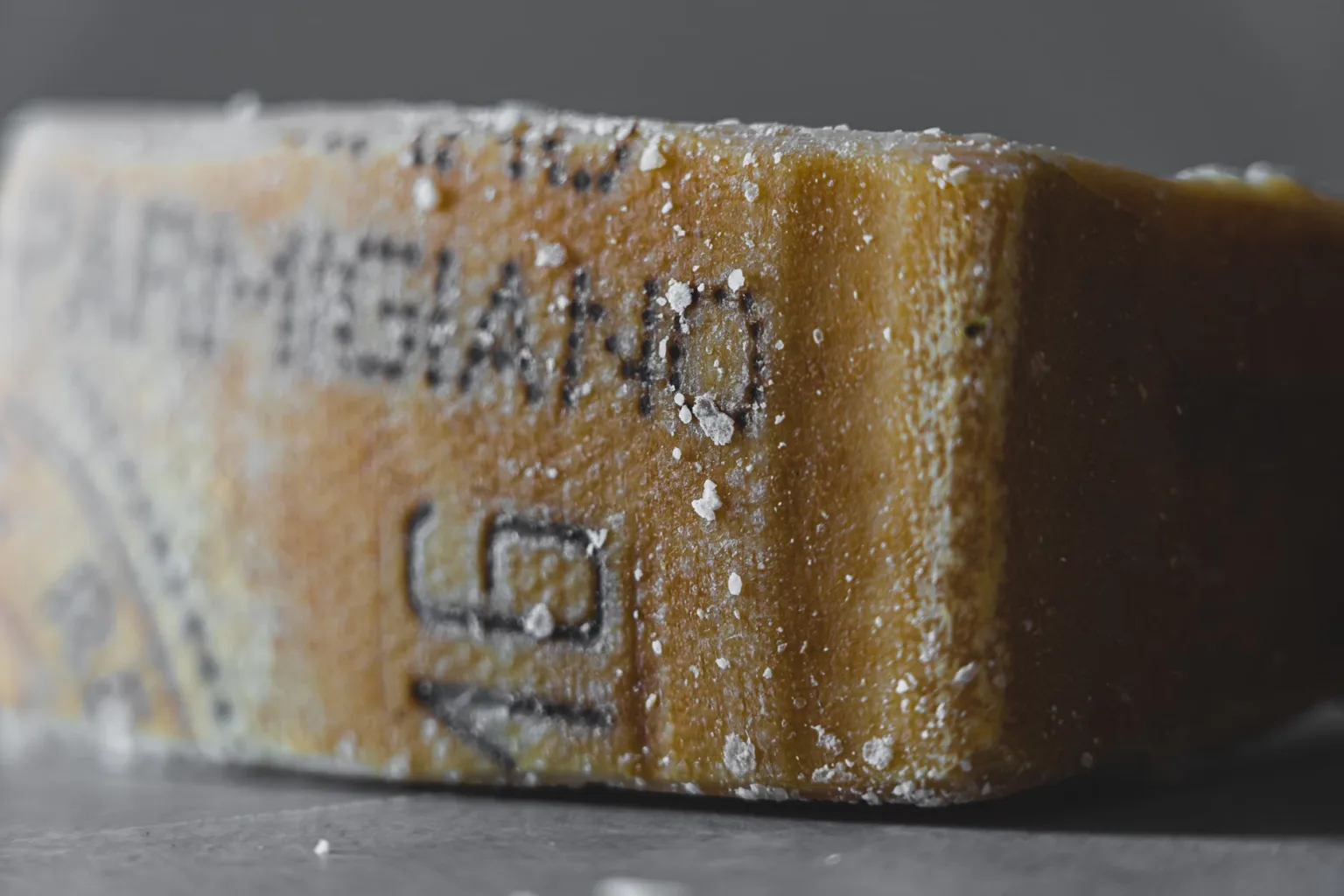
- Category
- Dairy and eggs
- State
- Fresh
- Usual unit
- g
What it is
Semi-hard or hard cheese does not refer to one specific variety; it groups cheeses by firmness. In general, cheese is a fresh or ripened solid or semi-solid product made by coagulating milk proteins and separating out whey. Cheeses in this category can still differ in milk, production, ripening, texture and flavor, so two similarly firm cheeses will not necessarily taste or behave alike in a recipe. Gouda, Edam and Maasdam are examples of semi-hard cheeses; Emmental, Parmesan and Gruyère are examples of hard cheeses. Check the product name and package information to identify the variety you are buying.
When to use it
Use it when you want a firm-textured cheese with flavor, sliced or cubed for a sandwich, salad or cheese board. It can also be grated or shaved over pasta and other dishes. The category includes varied products, so choose according to the result you want: a milder cheese may suit delicate ingredients, while a more pronounced one can stand out in a simple dish. The specific variety and its label matter more than the broad description semi-hard or hard.
How to use it
Remove the packaging and prepare the cheese for the dish: slice it for sandwiches, cube it for serving, or shave it for a cheese board. For pasta and other dishes, grate or crumble it as a finishing touch; start with a moderate amount and adjust to taste, since intensity varies by variety. In salads, cubes or shavings distribute the cheese without making it the main ingredient. If pairing it with other foods, taste a small bite first to judge the balance. Follow the package directions, and do not assume every cheese in this category melts or slices in the same way.
Flavour and texture
Firmness ranges from semi-hard to hard and varies with the variety and its production. Flavor and aroma vary too: the category does not have one defining taste. Some cheeses are milder and others more pronounced, so check the variety or taste a small amount before deciding how prominently to use it in a dish.
How to choose it
Choose the variety with your intended use in mind; “semi-hard” and “hard” do not, by themselves, describe a particular flavor. Read the label to identify the cheese, its milk type and the stated storage conditions. If you need slices, cubes or grated cheese, choose a format that is easy to prepare, and check that the package is intact and the product is the variety you want.
Storage
Store the cheese according to the package directions, since conditions can depend on the product and how it is sold. Once opened, reseal or wrap it as directed on the label and avoid leaving it exposed unnecessarily. There is no single storage duration that applies to all semi-hard or hard cheeses; if you have questions about a particular product, check its package or ask the retailer.
Substitutions
Another semi-hard cheese can work when you want similar firmness, although the flavor may differ. A hard cheese may suit a dish that allows a firmer texture or calls for a grated finish. Adjust the amount and taste before adding more: varieties differ in both intensity and texture.
Common mistakes
Do not assume that every semi-hard or hard cheese has the same flavor, texture or use. When substituting, also consider whether the recipe needs slices, cubes or grated cheese; the firmness and intensity of the replacement can change the result.
Safety and allergens
Cheese is made from milk, so people with a milk allergy should check the label and avoid products containing the allergen. Follow the package storage directions.
Culinary uses
- Grated or shaved finishing cheese
- Sliced or cubed addition to sandwiches, salads and cheese boards
Recommended techniques
- Slice or cube for serving
- Grate or shave for pasta and other dishes
Pairs well with
- Bread
- Pasta
Frequently asked questions
What is the difference between semi-hard and hard cheese?
The broad difference is firmness, but varieties also differ in flavor and texture. The category name alone does not identify a specific cheese.
How can I use semi-hard or hard cheese?
Slice or cube it for sandwiches and salads, or grate it over pasta and other dishes.
Do all hard cheeses taste the same?
No. Flavor and aroma vary by variety and production. Check the cheese name and taste a small amount to decide how to use it.
Ingredient allergens
Allergen listThere are no verified associations for these ingredients yet.
Sources and review
Automatically researched, cross-checked and validated content. Sources consulted:
- Client Challenge doi.org/10.2307/jj.27939689.16
- Guía de Alimentos Caseros 2026 - Illinois Extension extension.illinois.edu/media/9377/download?inline=
- Efecto de cuatro proporciones de chile en la aceptacion ... bdigital.zamorano.edu/bitstreams/a3a248b8-a30c-4907-82a2-bfa76fb8005a/download
- Los Gallegos Dicen “Rasho”, no Raxo – Comida, Vale. sites.duke.edu/spanish314a_01_f2019_asc69/2019/10/09/los-gallegos-dicen-rasho-no-raxo/
- Gaceta sobre Rumiantes Pequeños - UPRM www.uprm.edu/sea/wp-content/uploads/sites/351/2025/04/SARE_Caprinos_Vol.-1-No-3-2022.pdf
- CAPITULO IV virtual.urbe.edu/tesispub/0095092/cap04.pdf
- - YouTube www.youtube.com/watch?v=f-YRYeHAwoc
- El queso en la cocina italiana: variedades y usos principales - Ktxo ktxopizzeria.es/el-queso-en-la-cocina-italiana-variedades-y-usos-principales/
- Queso semiduro | Tetra Pak Spain www.tetrapak.com/es-es/solutions/categories/cheese-whey/semi-hard-cheese
- Origen del queso: historia y evolución desde sus comienzos queseriaelcabriteru.com/historia/historia-y-origenes-del-queso/
- Tipos de quesos | Recetas Nestlé www.recetasnestle.com.ar/escuela-de-sabor/ingredientes/tipos-de-quesos
- Food allergen labelling and information requirements technical guidance - GOV.UK www.gov.uk/government/publications/food-allergen-labelling-and-information-requirements-tech…