- Category
- Vegetables
- State
- Fresh
- Usual unit
- unit
What it is
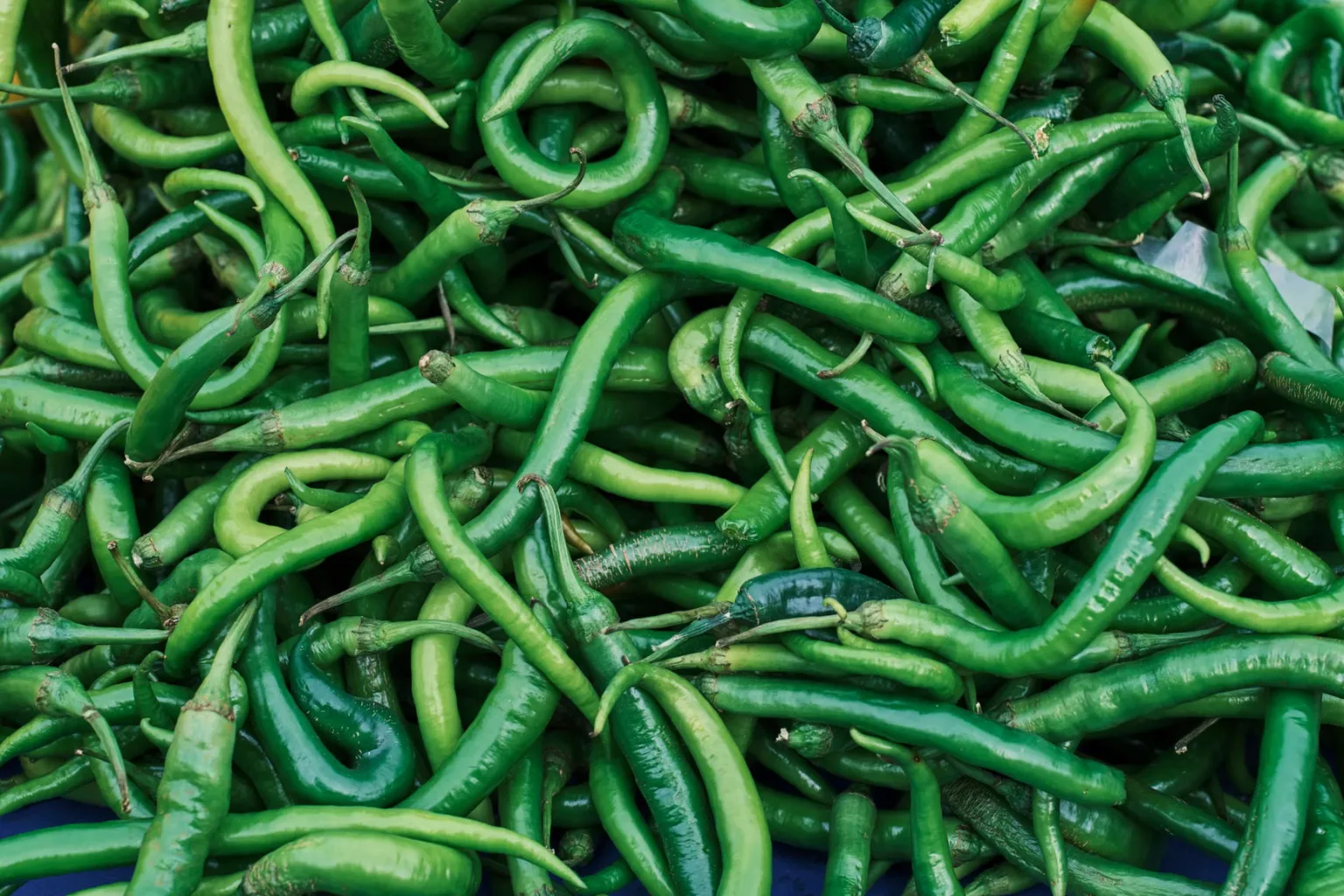
Here, small chilies are fresh green chilies intended for sahawiq. They provide the heat in this sauce, which is crushed or blended with garlic, cilantro, tomato, and lemon into a coarse paste. “Small” does not identify one particular variety or guarantee a fixed heat level: chili varieties can differ. In cooking, chilies are often treated as vegetables, although botanically they are fruits. For this preparation, the practical points are to use the chili fresh and adjust the heat to suit the people eating the sauce.
When to use it
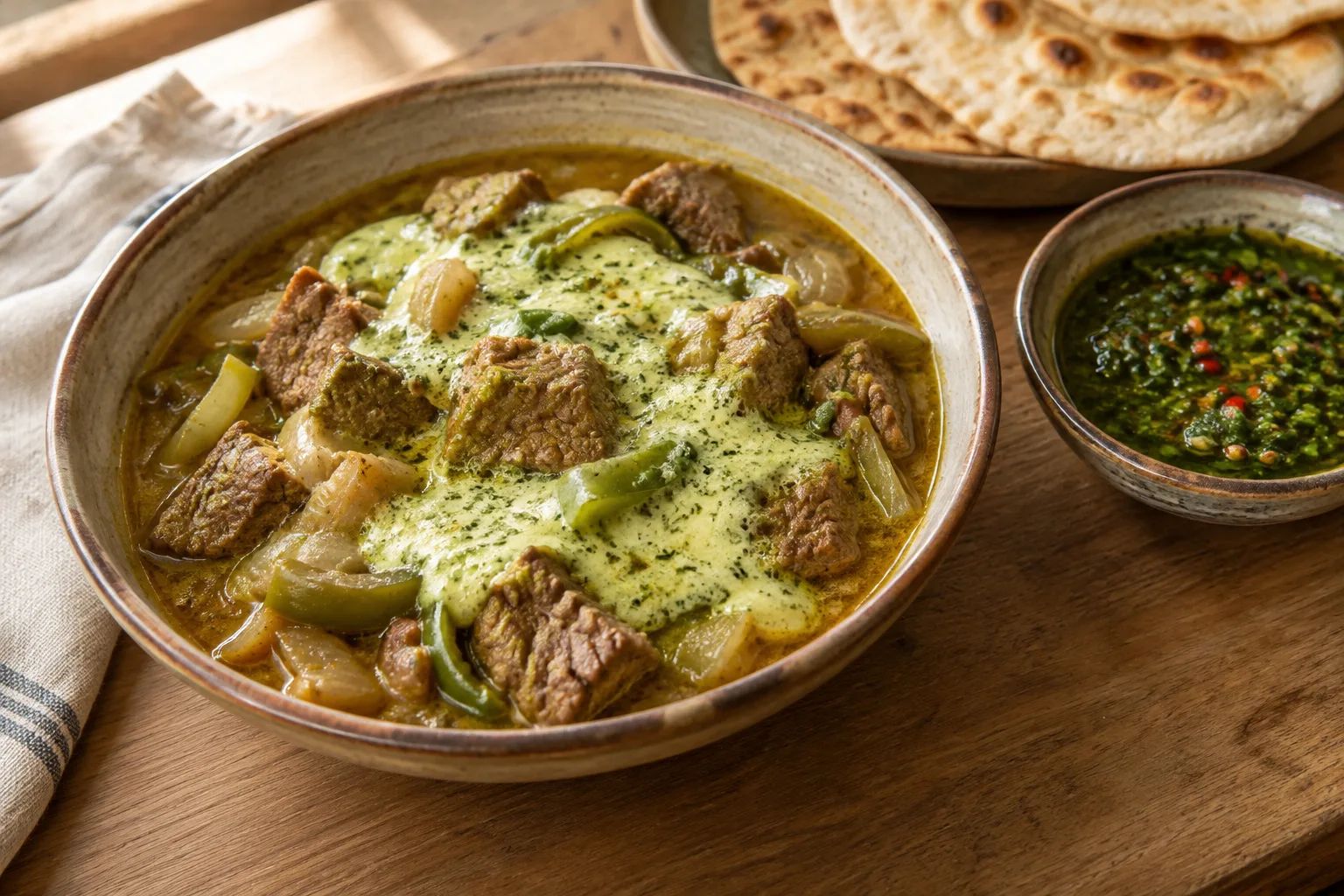
Use these chilies when making fresh sahawiq to serve alongside a stew, such as saltah, or when you want adjustable heat in a crushed sauce. In this mixture, chili is combined with garlic, cilantro, tomato, and lemon; serving the sauce alongside the dish lets each person choose how much to add. If you do not know how hot the available chili is, begin with a small amount and taste before adding more. Removing the seeds can also help moderate the result.
How to use it
Wash the chili and prepare it fresh. For a coarse sahawiq paste, crush or blend it with garlic; add cilantro, then tomato in batches, stopping before the mixture becomes completely smooth. Add lemon and taste for heat. Start with less chili if you do not know its intensity. To make the sauce milder, remove the seeds and reduce the amount; you can also use only part of the chili. Serve the sauce alongside the stew rather than mixing a large quantity into the whole pot, so each diner can choose how much heat to add.
Flavour and texture
Heat is the defining culinary feature, but its intensity can vary with the chili. In sahawiq, the chili gives a fresh mixture of garlic, cilantro, tomato, and lemon its spicy character. Crushed with these ingredients, it becomes part of a coarse paste; the mixture does not need to be blended into a smooth purée. Removing seeds and using less chili can moderate the heat while keeping the sauce's general structure.
How to choose it
For sahawiq, look for fresh green chilies, as used in this preparation. Size alone cannot reliably tell you how hot a chili will be: varieties can differ in both heat and flavor. If possible, ask about the heat level of the variety available. If you cannot find out, buy enough to begin with a small amount and taste before adding more to the sauce.
Storage
Keep fresh chilies in good condition until you are ready to make the sauce, and inspect them before use. The available culinary evidence does not establish an exact storage duration or temperature for this ingredient, so do not assume a fixed shelf life. Do not use a chili that appears spoiled. For sahawiq, prepare the chili when you are ready to crush the fresh ingredients.
Substitutions
To reduce the heat without replacing the chili with another ingredient, use less and remove the seeds and inner portion. Different fresh varieties can change both heat and flavor, so do not assume one is an exact substitute for another. If you switch varieties, first taste a small amount in the garlic, cilantro, tomato, and lemon mixture, then adjust before serving.
Common mistakes
Adding all the chili at once can make sahawiq hotter than intended, especially when you do not know the variety. Start with a little and taste before increasing the amount. Another mistake is assuming that removing seeds has no effect: removing them and using less chili helps moderate the heat. Avoid blending for too long if you want the coarse texture used for this preparation.
Safety and allergens
Chili can irritate the skin and eyes. Handle it carefully, avoid touching your face while preparing it, and wash your hands afterward. If the sauce is too hot, use less chili next time and remove the seeds.
Culinary uses
- Base picante para sahawiq
- Ajuste de picor en una salsa fresca
Recommended techniques
- Majar o triturar en pasta gruesa
- Retirar las semillas para reducir el picor
- Empezar con poca cantidad y ajustar al gusto
Pairs well with
- Ajo, cilantro, tomate y limón en sahawiq
- Guisos servidos junto a sahawiq
Frequently asked questions
Do I need to remove the seeds for sahawiq?
No, but removing them and using less chili can moderate the heat. Taste the mixture before adding more.
What texture should sahawiq have?
It can be a coarse paste. Crush the chili with the other ingredients without aiming for a completely smooth purée.
How can I keep the sauce from becoming too hot?
Start with a small amount of chili, taste, and adjust. If needed, remove the seeds and add only part of the chili.
Ingredient allergens
Allergen listThere are no verified associations for these ingredients yet.
Sources and review
Automatically researched, cross-checked and validated content. Sources consulted:
- Client Challenge doi.org/10.2307/j.ctvndv9t9.22
- Técnicas sencillas para mejorar las comidas | Food Hero | artículo foodhero.org/es/healthy-food/simple-techniques-elevate-meals
- El chile — Canela Limón Chile www.canelalimonchile.com/pagina-ingredientes/el-chile
- Para cocineros en Europa: 12 chiles mexicanos básicos y sus sustitutos – La Condesa lacondesabarcelona.com/chiles-mexicanos-basicos/
- - YouTube www.youtube.com/watch?v=z58qdJRiIfc
- Saltah: el guiso yemení con espuma de hilba y sahawiq de chile verde | Sekai Gohan sekaigohan.com/es/recipes/middle-east/yemen/saltah
- 3 ingredientes habituales en la cocina del sudeste asiático makhin.es/3-ingredientes-habituales-en-la-cocina-del-sudeste-asiatico-los-conoces/
- Maridajes para chile tailandés en Oriente Medio ✓ basmatic.com/maridaje/chile-tailandes/oriente-medio