- Category
- Sauces and condiments
- State
- Dry
- Usual unit
- unit
What it is
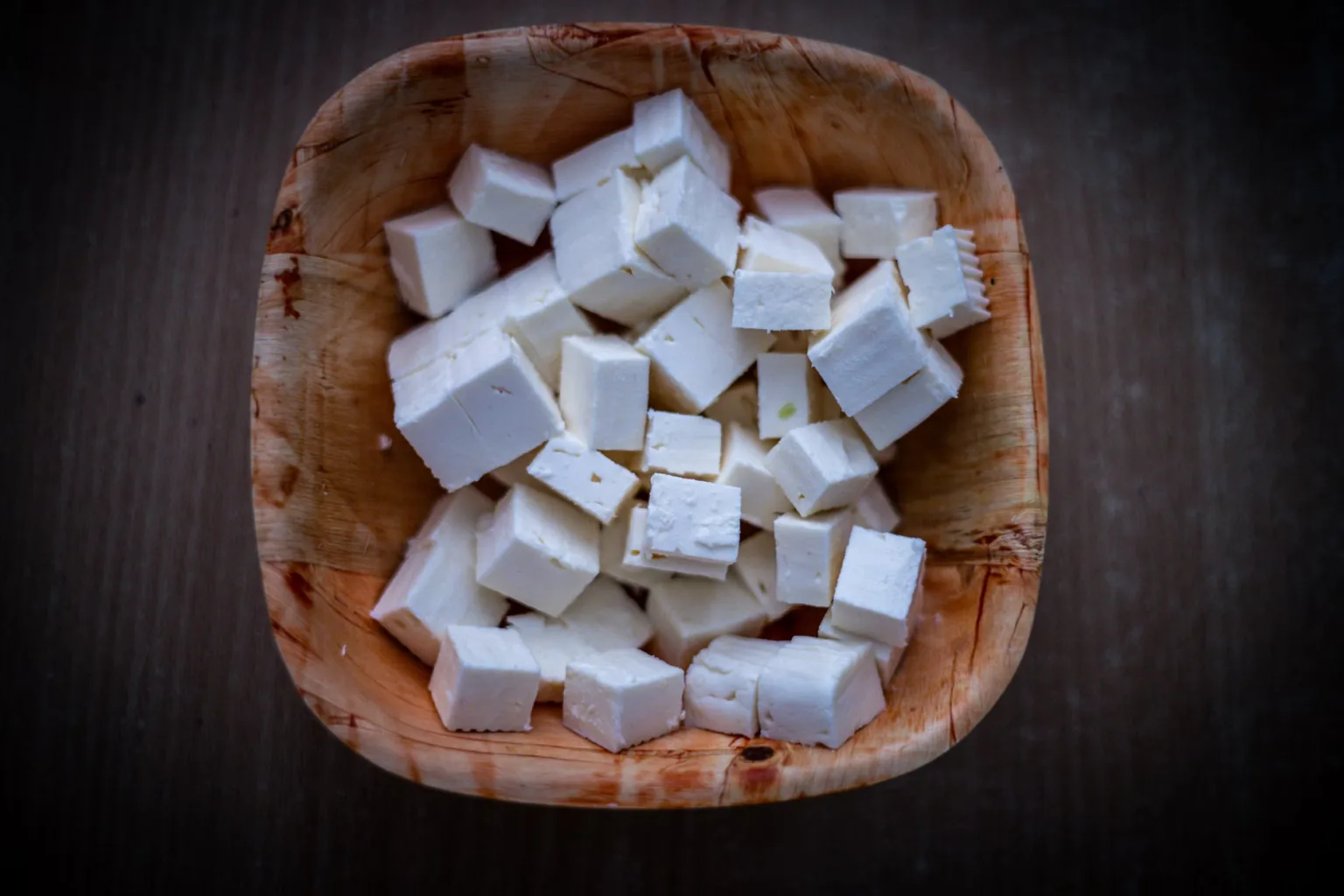
A stock cube is a compact, concentrated seasoning used to add broth-like flavor without making stock from scratch. Commercial products may combine dry ingredients, concentrated extracts, fats, salt and other components; the exact recipe depends on the brand and variety. Cubes come in different flavors and formats, and the name alone does not mean a product contains a large amount of prepared stock, meat or vegetables. They can be dissolved in hot water to make a cooking base, or added to some dishes as seasoning. Check the individual package for its ingredient list, declared allergens and directions for use.
When to use it
Use stock cubes when you want to add savory broth-like flavor quickly to soup, stew, rice, quinoa, pasta, legumes or sauce. They can be useful when you do not have liquid stock on hand or a recipe needs a savory base. The result depends on the variety and on how much liquid the dish absorbs or loses. If a dish will reduce, begin with less than you think you need and taste before adding more. Some cubes contribute salt, so wait until you have tasted the dish before salting it. Add the seasoning gradually when you want a subtler flavor or more control over the final seasoning.
How to use it
Read the package first to check the variety, suggested proportions and ingredients that matter to you. To make a stock base, crumble or dissolve the cube in hot liquid, stirring until no pieces remain. You can also add it to a pan or pot with liquid so that it dissolves during cooking; do not assume every brand needs the same amount. For soups, stews, rice, quinoa and pasta, add a modest amount, stir and taste before adding more cube or salt. Be especially cautious with sauces and dishes that reduce: as liquid evaporates, the flavor can become more concentrated. Adjust the recipe’s added liquid if using a cube in place of liquid stock.
Flavour and texture
The flavor is usually savory and salty, with notes that depend on the variety and its ingredients. Some cubes suggest chicken or vegetables; others include spices, extracts or flavor enhancers. When dry, they are compact and can be crumbled or broken. Mixed into hot liquid, they dissolve and season the dish; without enough stirring, lumps or undissolved pieces may remain. Intensity and saltiness are not the same across brands, so taste the dish before adding more.
How to choose it
Choose a variety that suits the recipe, such as a vegetable- or chicken-style cube, and check the package for ingredients and directions. Formulas can differ considerably: do not assume a product contains a large amount of stock, meat or vegetables just because of its name. If you need to avoid a particular ingredient, check the complete ingredient list and allergen information for the specific product. You can also compare the available options to find a flavor and format that work for your cooking.
Storage
Store stock cubes according to the package directions, since storage details can differ between products. Keep the package closed and protect the cubes from moisture and dirt. If the manufacturer specifies a cool, dry place, follow that instruction. If you transfer the cubes to another container, retain the package information you need, especially the ingredients, allergens and use-by date. Do not use the product if its package is damaged or it appears contaminated.
Substitutions
You can substitute liquid stock, homemade stock or a broth concentrate in another format. Adjust the recipe’s liquid if the substitute already supplies broth, and taste before adding salt because products vary in saltiness. A stock paste may mix differently from a dry cube; follow its package directions and add it gradually. The finished flavor can change depending on the type of stock or concentrate you choose.
Common mistakes
A common mistake is adding salt before tasting: some stock cubes are already salty. The flavor may also be uneven if the cube is not dissolved and stirred in well. Do not assume every brand has the same concentration or automatically use the amount suggested for a different variety. A large amount added early to a sauce or stew that reduces can taste too strong later. Start modestly and adjust after tasting.
Safety and allergens
Check the package for ingredients, declared allergens, storage directions and instructions for use. Protect the product from moisture, and do not use it if the package is damaged or shows signs of contamination. Ingredients and directions can differ between brands.
Culinary uses
- Adds savory flavor to cooking liquid
- Seasoning for soups, grains, sauces and stews
Recommended techniques
- Dissolve in hot water or cooking liquid
- Crumble or stir into a dish, then taste and adjust
Pairs well with
- Soups and stews
- Rice, quinoa, pasta and other grains
Frequently asked questions
Are stock cubes just dried stock?
They are concentrated seasonings intended to add broth-like flavor when dissolved or incorporated into a recipe. Their ingredients vary, and the name does not guarantee a large amount of prepared stock, meat or vegetables.
Can I add a stock cube directly to food?
Yes, if the dish has enough liquid for it to dissolve and you can stir it thoroughly. Crumble it if needed, mix well and taste before adding more.
Should I add salt when using a stock cube?
Taste first. Some cubes contribute plenty of salt, so the dish may not need more; adjust the seasoning at the end.
Ingredient allergens
Allergen listDepends on the product
-
Celery
Stock cubes
-
Fish
Stock cubes
Sources and review
Automatically researched, cross-checked and validated content. Sources consulted:
- ¿Por qué la muerte es origen de miedos y tabúes? doi.org/10.64628/aao.fccyk3qj3
- Léxico gastronómico de la quinua peruana | OpenAlex openalex.org/W4404546062
- Sopa - Wikipedia, la enciclopedia libre es.wikipedia.org/wiki/Sopa
- Qué es (y qué no es) la estadística, usos y abusos de una disciplina clave en la vida de los países y las personas | Estudios económicos doi.org/10.52292/j.estudecon.2015.740
- Vamos a Conservar Alimentos: Sopas extension.psu.edu/vamos-a-conservar-alimentos-sopas/
- Caldo de Pollo Spanish Recipe | Kitsap County | Washington State University extension.wsu.edu/kitsap/health/snap-ed-recipes/caldo-de-pollo/caldo-de-pollo-spanish-recipe…
- Poca gente sabe de qué están hechos los cubitos o pastillas de caldo concentrado y cuál es su principal inconveniente www.trendencias.com/gourmet/poca-gente-sabe-que-estan-hechos-cubitos-pastillas-caldo-concent…
- Chicken Vegetable Soup/Sopa de Pollo y Verduras (LCH) | CSU Northridge w2.csun.edu/wic/lets-cook-healthy/recipes/soups/chicken-vegetable-soup-sopa-de-pollo-y-verdu…
- Elaboración de pastas artesanales con ocho tipos de harinas y su aplicación en nuevas recetas | OpenAlex openalex.org/W2197804739
- Gastronomía de Yucatán - Wikipedia, la enciclopedia libre es.wikipedia.org/wiki/Gastronom%C3%ADa_de_Yucat%C3%A1n
- Cómo hacer cubitos de caldo casero - Venu Sanz Chef www.google.com/goto?url=CAEScgHrOzAVqVQA7zjv4dExYP43N_6pvXG9cgfspbSVFg4lqD9rgQA6G0J8OnrXmkmd…
- - YouTube www.youtube.com/watch?v=TX7WijRmicg
- Pasta de Caldo vs. Cubitos de Caldo: ¿Cuál Sabe Mejor? - uhhmami uhhmami.com/es/pasta-de-caldo-vs-cubitos-de-caldo/?srsltid=AYCX9vLanm1YvC7JW--sny6MK4DhDFA4P…
- Managing allergens | Food Standards Scotland www.foodstandards.gov.scot/business-guidance/running-a-food-business/managing-allergens