- Category
- Sugar and sweeteners
- State
- Dry
- Usual unit
- g
What it is
“Sugar for dough” usually means sugar added while preparing a dough or batter, rather than one unique variety. When a recipe does not name a type, granulated white sugar is a common option. Table sugar is primarily sucrose and can be made from sugar cane or sugar beet. Other forms include superfine sugar and powdered sugar, which differ in particle size and how readily they dissolve. It is useful to distinguish them: powdered sugar is milled to a fine powder, and some commercial versions contain starch to help prevent clumping. The best choice depends on the recipe instructions and the texture intended for the dough.
When to use it
Use sugar when a recipe calls for it to sweeten dough and contribute to its texture and appearance after baking. In recipes that call for beating butter and sugar together, granulated sugar can help incorporate air during creaming. In liquid batters, sugar can dissolve as it is mixed with the other ingredients. If the recipe specifies superfine or powdered sugar, follow that direction: smaller particles integrate more readily, and powdered sugar can change the texture. For yeasted dough, follow the recipe’s amount and timing rather than assuming that adding extra sugar will improve fermentation.
How to use it
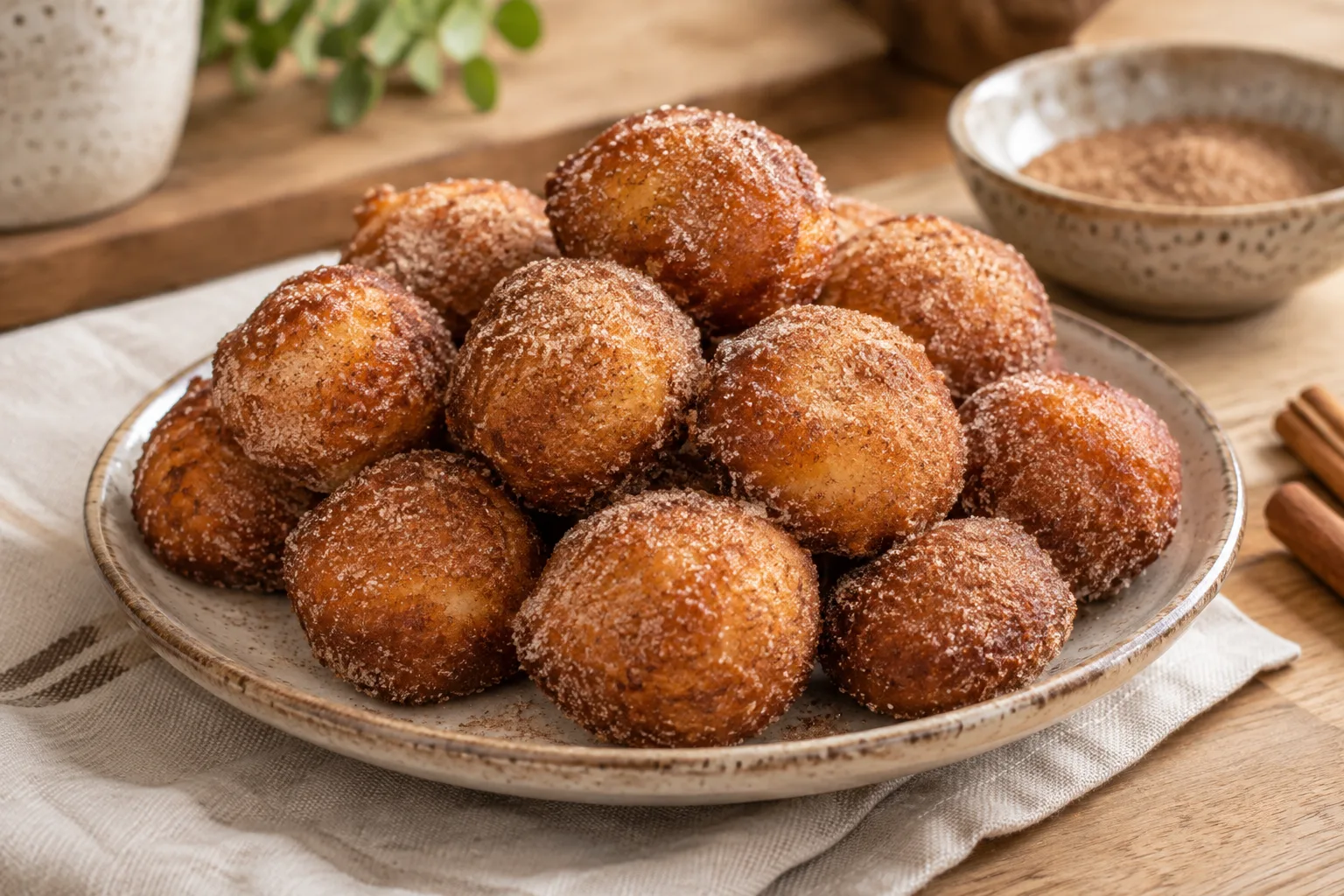
First check which form of sugar the recipe calls for. If none is specified, granulated white sugar is commonly used. Weigh it using the recipe’s stated unit and add it at the specified step instead of changing the amount arbitrarily. For creaming, beat the sugar with the butter as directed until combined; the mixing can incorporate air. In a liquid mixture, add the sugar while stirring to help it dissolve. If powdered sugar is specified, sift it when the recipe calls for it to break up lumps and help distribute it evenly. Do not switch forms without considering texture: superfine and powdered sugar behave differently from granulated sugar. Some recipes call for sugar to be sprinkled over the surface before baking to create a crisp finish.
Flavour and texture
Granulated white sugar adds a fairly neutral sweetness and has crystals that can be felt before they dissolve. Crystal size can vary between products. Superfine sugar dissolves more quickly, while powdered sugar is a very fine powder and may contain an anti-caking starch. In dough, sugar can also contribute to texture and, during baking, to color and a crisp surface, depending on the preparation. Brown sugars have more pronounced color and flavor and are not identical to white sugar.
How to choose it
Check the product name and choose the form requested by the recipe: granulated, superfine or powdered. If it simply says “sugar,” granulated white sugar is a common choice. Check the ingredients on powdered sugar, because some products contain starch or another anti-caking agent. Choose an intact package and dry product with no visible signs of moisture. If switching to brown sugar, remember that it can change the dough’s color and flavor.
Storage
Keep sugar in a clean, tightly closed container in a dry pantry. Protect it from moisture to reduce clumping, particularly for powdered sugar, whose fine powder can lose its free-flowing texture. Follow any specific storage directions on the package. Dry granulated sugar keeps for a long time under pantry conditions, but check the product before using it if the package has become wet, opened or contaminated.
Substitutions
Superfine sugar can replace granulated sugar in some doughs and dissolves faster, but follow the recipe because the result may differ. Brown sugar contributes more color and a different flavor. Powdered sugar is not an automatic substitute: its fine texture and possible anti-caking ingredients can change the mixture. When a recipe depends on a particular texture, keep the specified form rather than swapping sugars without adjustments.
Common mistakes
Do not assume granulated, superfine and powdered sugar are interchangeable without changes. Using powdered sugar instead of granulated can affect texture, while brown varieties can add more color and flavor. Avoid adding sugar at a different stage from the one specified, especially in dough creamed with butter. Do not increase the amount to speed fermentation; follow the recipe’s formulation.
Safety and allergens
Use food-grade sugar from a clean, intact package. Do not use the product if it has been contaminated or the package shows signs of damage; follow the storage directions on the label.
Culinary uses
- Dulzor para masas y productos horneados
- Apoyo a la textura y al dorado de las preparaciones
Recommended techniques
- Batir con mantequilla para cremar
- Disolver en ingredientes líquidos
- Espolvorear antes de hornear para formar una superficie crujiente
Pairs well with
- Harina y levadura en masas fermentadas
- Mantequilla y huevos en masas batidas
- Frutas ácidas en rellenos y salsas
Frequently asked questions
Which sugar should I use if a recipe only says “sugar”?
Granulated white sugar is a common choice when a recipe does not specify a variety. Check whether the method calls for a different form.
Can I use powdered sugar in dough?
Only if the recipe specifies it or allows the change. Powdered sugar is much finer, and some products contain anti-caking starch, so it may affect the texture.
Is superfine sugar the same as powdered sugar?
No. Superfine sugar is still crystalline sugar with small grains; powdered sugar is milled into a fine powder.
Ingredient allergens
Allergen listThere are no verified associations for these ingredients yet.
Sources and review
Automatically researched, cross-checked and validated content. Sources consulted:
- Del blanco a la panela: los 19 tipos de azúcar más comunes, en qué se diferencian y cómo usarlos en cocina www.directoalpaladar.com/ingredientes-y-alimentos/blanco-a-panela-19-tipos-azucar-comunes-qu…
- Tipos y variedades de Azúcar que encontrarás en el mercado, apuntes. - Cocina y Aficiones www.cocinayaficiones.com/tipos-variedades-azucar-mercado-apuntes/
- Vinegar • The Nutrition Source nutritionsource.hsph.harvard.edu/food-features/vinegar/
- Azúcar moscovado | qué es, tipos de azúcar y usos culinarios codinafoods.com/azucar-moscovado/
- ¿Qué es el azúcar? Todo lo que tienes que saber sobre el azúcar y los edulcorantes – Zschimmer & Schwarz, Inc. www.zschimmer-schwarz.es/actualidad/que-es-azucar/
- Qué es eso llamado epistemología, para qué sirve, por qué es inexcusable para la universidad y para la paz | Reencuentro. Análisis de problemas universitarios doi.org/10.24275/uamxoc-dcsh/reencuentro/202386-14
- Beneficios y usos del azúcar en tu cocina republica.com/guatemala/2021-9-24-23-41-20-beneficios-y-usos-del-azucar-en-tu-cocina
- Azúcar: El ingrediente mágico que -con moderación- transforma tus recetas www.hola.com/cocina/noticias/20240325251421/tipos-de-azucar-usos-en-la-cocina/
- Tipos de azúcar aplicados en repostería y pastelería | CEAC www.ceac.es/blog/tipos-de-azucar-aplicados-en-reposteria-y-pasteleria
- Para la ciudadanía www.aesan.gob.es/para-la-ciudadania
- MODELOS PARA EVALUAR LA ACTIVIDAD ANTIOXIDANTE EN PLANTAS | OpenAlex openalex.org/W4385754403
- Renewable Energy in the Context of Sustainable Development ecommons.udayton.edu/context/phy_fac_pub/article/1002/viewcontent/RENEWABLE_ENERGY_IN_THE_CO…
- FINAL Final Draft - Emory Theses and Dissertations - Emory University etd.library.emory.edu/downloads/fx719n81v?locale=de
- El azúcar: Origen, transformación y papel en la repostería | ecoledepatisserie-boutique® ecoledepatisserie-boutique.com/es/blogs/patisserie-conseil-professionnel/sucre-origine-trans…
- - YouTube www.youtube.com/watch?v=iuSL-LOT12o