- Category
- Fruit
- State
- Dry
- Usual unit
- g
What it is
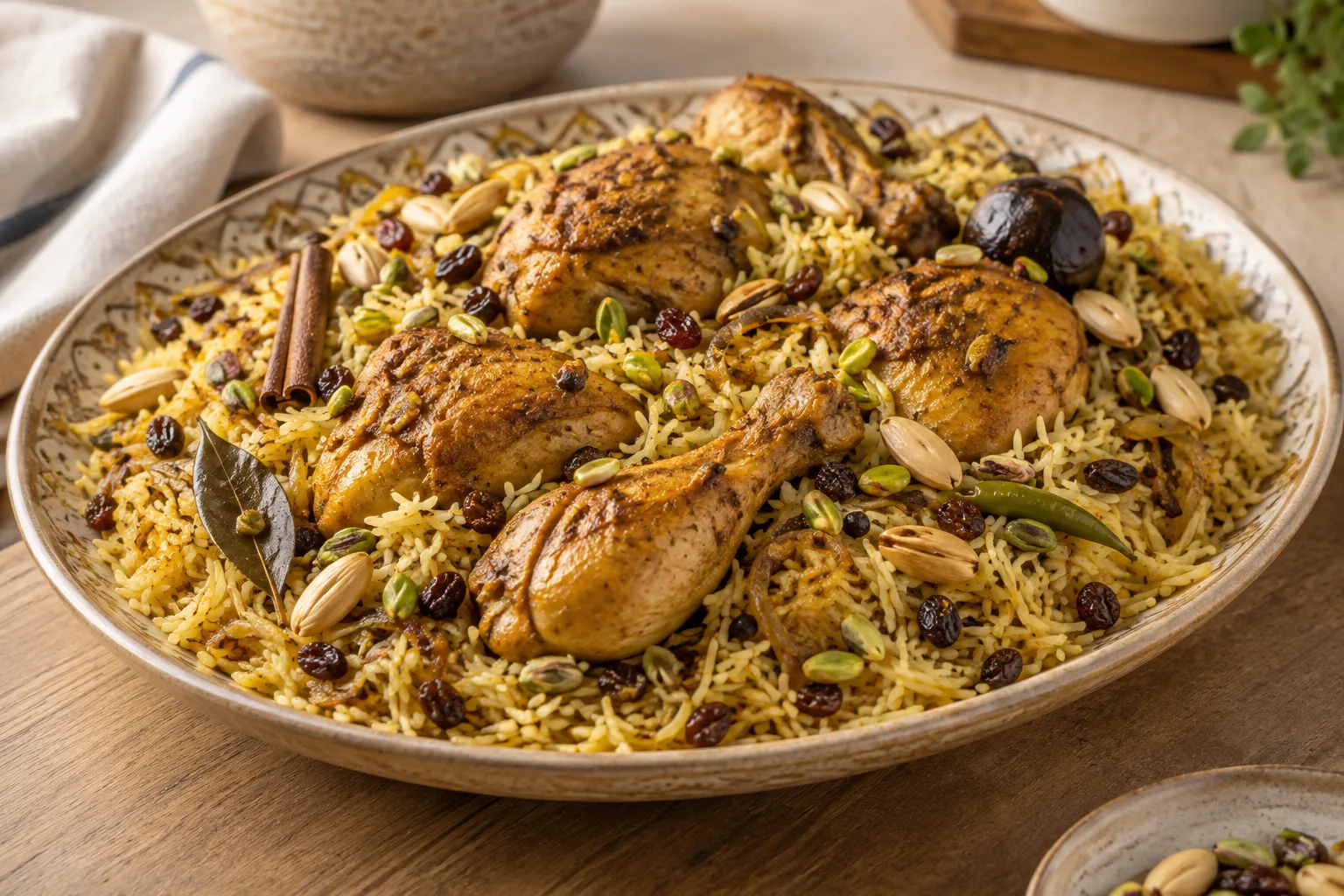
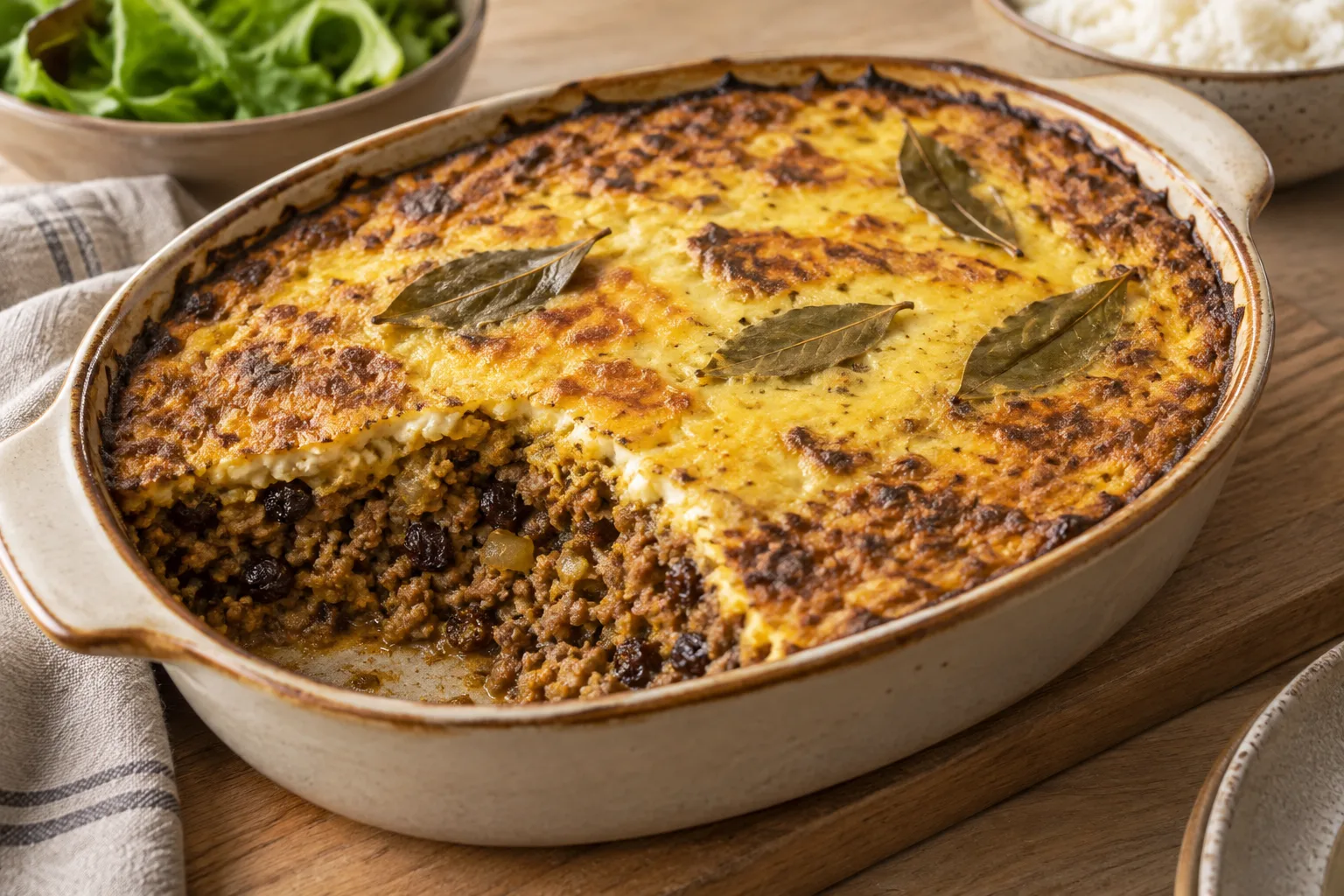
Sultanas are grapes that have been dried into a small, concentrated fruit ready for cooking and baking. In the kitchen, they are valued for their gentle sweetness and chewy texture, although appearance and softness can vary from product to product. They are used in breads, cakes, cookies, and other desserts, and can also bring a sweet contrast to rice dishes, salads, and stews. They are not fresh fruit: they are sold dried and can often be added directly to a recipe. If you want a softer texture, soak them briefly and drain them before use. Check the package for the particular product’s ingredients and handling directions.
When to use it
Use sultanas when you want little pockets of sweetness and a chewy fruit texture, especially in breads, sweet rolls, cakes, cookies, and fillings. They can also add a fruity counterpoint to savory rice dishes, salads, and stews. If a recipe calls for softer, plumper fruit, soak them briefly and drain them before adding; if the dish already has plenty of moisture, add them as they are. Their sweetness can stand out in delicate preparations, so adjust the amount to taste and to the balance of the whole dish.
How to use it
Add sultanas directly to doughs, cake mixtures, breads, cookies, fillings, and rice dishes. Mix them through so they are distributed rather than clumped in one spot. For a softer bite, cover them with liquid and soak briefly, then drain thoroughly so you do not add excess liquid to the recipe. You can also stir them into salads or stews for sweetness and chew. When using them in a savory dish, start with a modest amount and taste before adding more. If they are going into a mixture made with raw flour, do not taste the uncooked mixture; cook or bake it fully according to the recipe.
Flavour and texture
Sultanas taste sweet and fruity, and are usually tender or chewy, though their texture varies with the product and its moisture. Because they are dried, their sweetness is more concentrated than that of fresh grapes. In dough or a stew, they provide sweet, chewy bites that contrast with spicy, tart, or savory ingredients. Soaking softens them; drain them before adding so they do not make the finished dish wetter than intended.
How to choose it
Choose an intact, closed package and check the label for the product name and ingredients. If you can see the fruit, look for pieces that appear reasonably consistent and have no obvious signs of dampness or deterioration. Color and softness can vary between products, so do not use either as the sole measure of quality. For a particular recipe, consider whether you want a softer or firmer texture and follow the package directions.
Storage
Store sultanas according to the package directions and close the pack securely after each use. Avoid exposing them to moisture or keeping them next to foods that could affect their aroma. Do not use sultanas that show visible signs of deterioration, or products from damaged packaging. To help preserve their texture, open the pack only as needed and reseal it securely.
Substitutions
Other raisins can replace sultanas in many recipes, although size, color, and sweetness may differ. Chopped dried apricots or prunes offer another fruity option but bring a different flavor and texture. Currants are smaller and may taste more concentrated, so adjust the amount and taste the mixture.
Common mistakes
Adding soaked sultanas without draining them can introduce too much liquid and change the consistency of dough or filling. Another mistake is assuming all raisins have the same size, sweetness, or texture; check the product and adjust the recipe. Do not taste raw mixtures containing flour before they have been cooked or baked.
Safety and allergens
Check the package and fruit before use, and follow the label’s storage directions. Do not taste raw dough or batter containing flour; cook or bake it fully according to the recipe.
Culinary uses
- sweet fruit ingredient
- addition to baked goods
- sweet accent in savory dishes
Recommended techniques
- fold into doughs, batters, or fillings
- soak briefly to soften, then drain before adding
- stir into rice dishes, salads, or stews
Pairs well with
- cinnamon and vanilla
- orange zest and nuts
- rice and savory stews
- apples or pears in baked desserts
Frequently asked questions
Do sultanas need to be soaked before use?
Not always. They can go straight into a recipe; soak them briefly if you want them softer, then drain well before adding.
What dishes can I use sultanas in?
They are commonly added to breads, cakes, cookies, and fillings, and can also bring a sweet contrast to rice dishes, salads, and stews.
What can I use instead of sultanas?
Other raisins are a straightforward alternative. Chopped dried apricots or prunes can also work, but will change the flavor and texture.
Ingredient allergens
Allergen listThere are no verified associations for these ingredients yet.
Estimated nutrition
- Fat
- 0 g
- Saturates
- 0 g
- Carbohydrate
- 77.5 g
- Sugars
- 25 g
- Fibre
- 2.5 g
- Protein
- 2.5 g
- Salt
- 0 g
Sources and review
Automatically researched, cross-checked and validated content. Sources consulted:
- Client Challenge doi.org/10.2307/jj.27939689.16
- The Essential Glossary of Cooking Terms for the Culinary Arts - Escoffier www.escoffier.edu/blog/culinary-arts/the-essential-glossary-of-cooking-terms-for-the-culinar…
- Nutrition Education Program extension.purdue.edu/nep/
- I Found Bugs in My Cereal, Pasta or Cake Mix. What Do I Do? | Rutgers Cooperative Extension extension.rutgers.edu/food-safety/bugs-in-my-cereal
- Raw Flour and Dough | Food Safety | CDC go.unl.edu/raw-dough
- Project MUSE -- Verification required! muse.jhu.edu/article/870792
- Is your family eating enough of this food? | ¿Está consumiendo suficiente de este alimento su familia? | University of Nevada, Reno www.unr.edu/nevada-today/news/2024/atp-fruit
- Sun Drying - National Center for Home Food Preservation nchfp.uga.edu/how/dry/drying-general/sun-drying/
- Molds on Food: Are They Dangerous? ucanr.edu/media/268133
- Food & Fun Afterschool - Fruits & Veggies Parent Handout hsph.harvard.edu/wp-content/uploads/2024/10/Food-Fun-Parent-Handout-Fruits-Veggies.pdf
- **Propiedades de las Pasas Sultanas: Análisis y Comparativa con los Mejores Cafés para Potenciar su Sabor** inucafe.es/propiedades-pasas-sultanas/
- Pasa sultana: propiedades, beneficios y usos en repostería artesanal aliciascake.es/pasa-sultana-propiedades/
- Pasas Sultanas: Beneficios, Usos Y Consideraciones En 2024 campograndeperu.com/pasas-sultanas/?srsltid=AYCX9vJGoUUEcO20V9n_O7Kux6AOGvI-NLO8gCeq6R6PQmBA…
- Pasas sultanas | Un fruto seco con el que debes contar jetextramar.com/blog/pasas-sultanas-un-fruto-seco-con-el-que-debes-contar/
- Propiedades de las Pasas Sultanas | Frutos Secos Hernández frutossecoshernandez.es/pasas-sultanas-propiedades/