- Category
- Oils and fats
- State
- Liquid
- Usual unit
- tablespoon
What it is
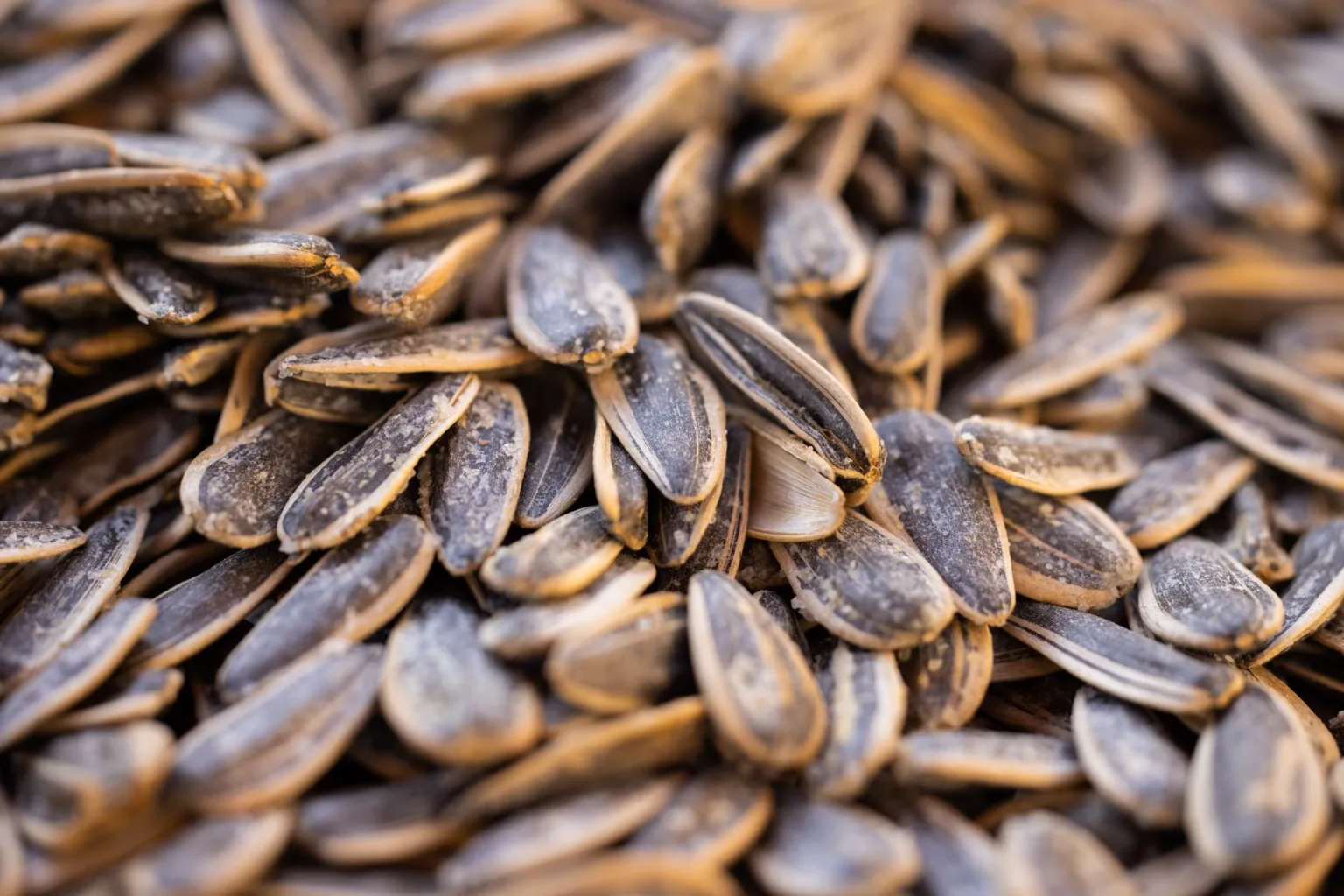
Sunflower oil is a vegetable oil made from sunflower seeds. In a filling, it serves as a fat and can help keep the mixture from becoming dry. Refined oil is usually pale and mild in flavor; cold-pressed oil can taste more pronounced, and high-oleic versions are also available. The name “sunflower oil” therefore does not always describe an identical product. Check the label and choose according to whether you want a subtle or more noticeable flavor and how you plan to use the oil.
When to use it
Use it when a filling needs fat, added moisture, or a medium for cooking its ingredients. Mild-tasting refined oil is useful when you want the other components to remain prominent. For a filling served without cooking, you can choose cold-pressed oil if you want a more noticeable seed flavor. For frying or other cooking, check the label and select an oil intended for that use; varieties do not all behave identically when heated.
How to use it
Measure the amount called for in the recipe and mix it gradually into the filling ingredients, stirring to distribute it evenly. If you cook the filling first, use the oil as the cooking medium and avoid overheating it or reusing it many times. For an uncooked mixture, add the oil gradually and check the consistency before adding more, since the amount needed depends on the other ingredients. Follow the package instructions for the particular oil and intended use.
Flavour and texture
Refined sunflower oil is generally neutral or very mild, while cold-pressed oil may have a stronger, seed-like flavor. In a filling, oil adds a richer, smoother feel and can help keep the mixture from seeming dry. The result also depends on the variety and the other ingredients; sunflower oils are not all identical.
How to choose it
Read the label to distinguish refined, cold-pressed, and high-oleic sunflower oils, and check that the product suits the way you plan to use it. For a delicately flavored filling, mild refined oil is often a practical choice. If you want the seed flavor to be more apparent, look for a cold-pressed option. Do not assume that every bottle has the same flavor or cooking properties.
Storage
Store the oil according to the package directions and keep the bottle tightly closed between uses. Check the label for any product-specific instructions after opening. Avoid storing it in a way that conflicts with the manufacturer’s guidance; the package provides the appropriate conditions for that particular oil.
Substitutions
Refined olive oil can replace it when you want a mild alternative, although it may give the filling a different note. Another mild-tasting refined vegetable oil can also work. A substitute may change the flavor, so add it gradually and adjust the amount to achieve the consistency you want.
Common mistakes
Do not assume every sunflower oil variety tastes or cooks in exactly the same way. Adding a large amount at once can make a filling greasier than intended. If cooking with the oil, avoid overheating or repeatedly reusing it, and check the label to make sure the product suits the cooking method.
Safety and allergens
Take care when handling hot oil, which can cause burns. Follow the product directions and avoid overheating or repeatedly reusing the oil.
Culinary uses
- Adds fat and helps bind or moisten a savory filling.
- Provides a mild-tasting cooking medium for fillings and other dishes.
Recommended techniques
- Stir into a filling before cooking or assembling it.
- Use for sautéing or frying when the recipe calls for cooking oil.
Pairs well with
- Savory fillings with delicate flavors that benefit from a mild oil.
- Seasoned fillings where the oil should not dominate the other ingredients.
Frequently asked questions
Will sunflower oil change the flavor of a filling?
Refined oil is usually very mild; cold-pressed oil may add a more noticeable seed flavor.
Can I add it to a filling without cooking it?
Yes, add it gradually if the recipe calls for it. Check the label and adjust the amount to the mixture’s consistency.
Can any sunflower oil be used to cook a filling?
Varieties differ. Check the package to confirm the oil is suitable for the cooking method you plan to use.
Ingredient allergens
Allergen listThere are no verified associations for these ingredients yet.
Sources and review
Automatically researched, cross-checked and validated content. Sources consulted:
- Aceite de girasol: propiedades nutricionales y usos www.academianutricionydietetica.org/que-comer/propiedades-usos-aceite-girasol/
- Aceite de Girasol | www.cocinista.es www.cocinista.es/web/es/enciclopedia-cocinista/ingredientes-del-mundo/aceite-de-girasol.html
- Washington State Food Access English-Spanish Glossary wpcdn.web.wsu.edu/wp-snaped/uploads/sites/2/2025/10/Food-Access-Spanish-Glossary.pdf
- Nutrition After Your Transplant - Health Online healthonline.washington.edu/sites/default/files/record_pdfs/Nutrition-After-Your-Transplant-…
- Vamos a Conservar Alimentos: Ingredientes Utilizados en las Conservas Preparadas en Casa extension.psu.edu/vamos-a-conservar-alimentos-ingredientes-utilizados-en-las-conservas-prepa…
- Comité Científico aesan.gob.es/dam/jcr:1c57d784-1e9a-48ba-abfc-8dc315083560/comite_cientifico_12.pdf
- Aceite de girasol en Barcelona www.aceitesmateo.com/aceite-de-girasol/
- Aceite de girasol alto oleico: una opción ideal para freír pero difícil de identificar en el supermercado doi.org/10.64628/aao.gsstyyfsx
- Home food preservation | Servicio de Extensión de OSU extension.oregonstate.edu/es/food/preservation
- Recetas - Expanded Food and Nutrition Education Program efnep.tamu.edu/recipessp/
- "Propiedades Fisicoquímicas de Estearinas de Aceite de Girasol Alto Est" by J. Rincon Cardonal, Y. Ye et al. digitalcommons.usu.edu/nfs_facpub/535/
- FSHN16-4S/FS296: Beneficios para la salud del aceite de oliva y extractos de oliva ask.ifas.ufl.edu/publication/FS296