- Category
- Vegetables
- State
- Fresh
- Usual unit
- unit
What it is
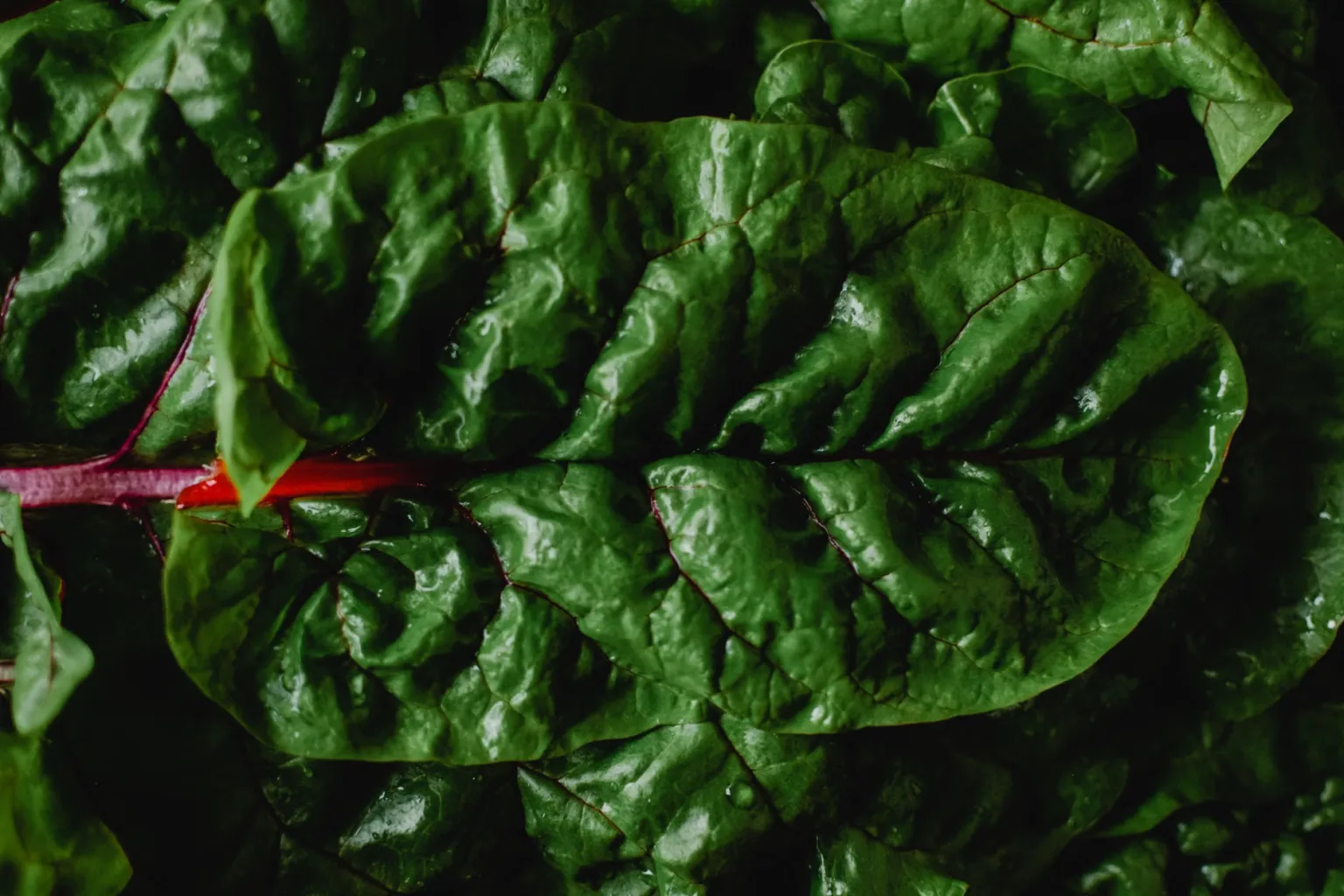
Swiss chard is a leafy vegetable, Beta vulgaris, grown for its broad leaves and fleshy leaf stalks, often called stems or ribs. It belongs to the Amaranthaceae family and is related to beetroot and spinach. The leaves are usually green, while stems may be white, cream, yellow or reddish depending on the variety. Both leaves and stems are edible. Leaves soften relatively quickly, whereas the thicker stems are firmer and may need a different approach or a little more cooking. Chard is sold fresh and is also available frozen or preserved. Its taste and texture vary with the variety and the part of the plant: leaves are tender, while stems give dishes more substance. This versatile vegetable works in simple sides as well as soups, stews, tarts and other dishes with several ingredients.
When to use it
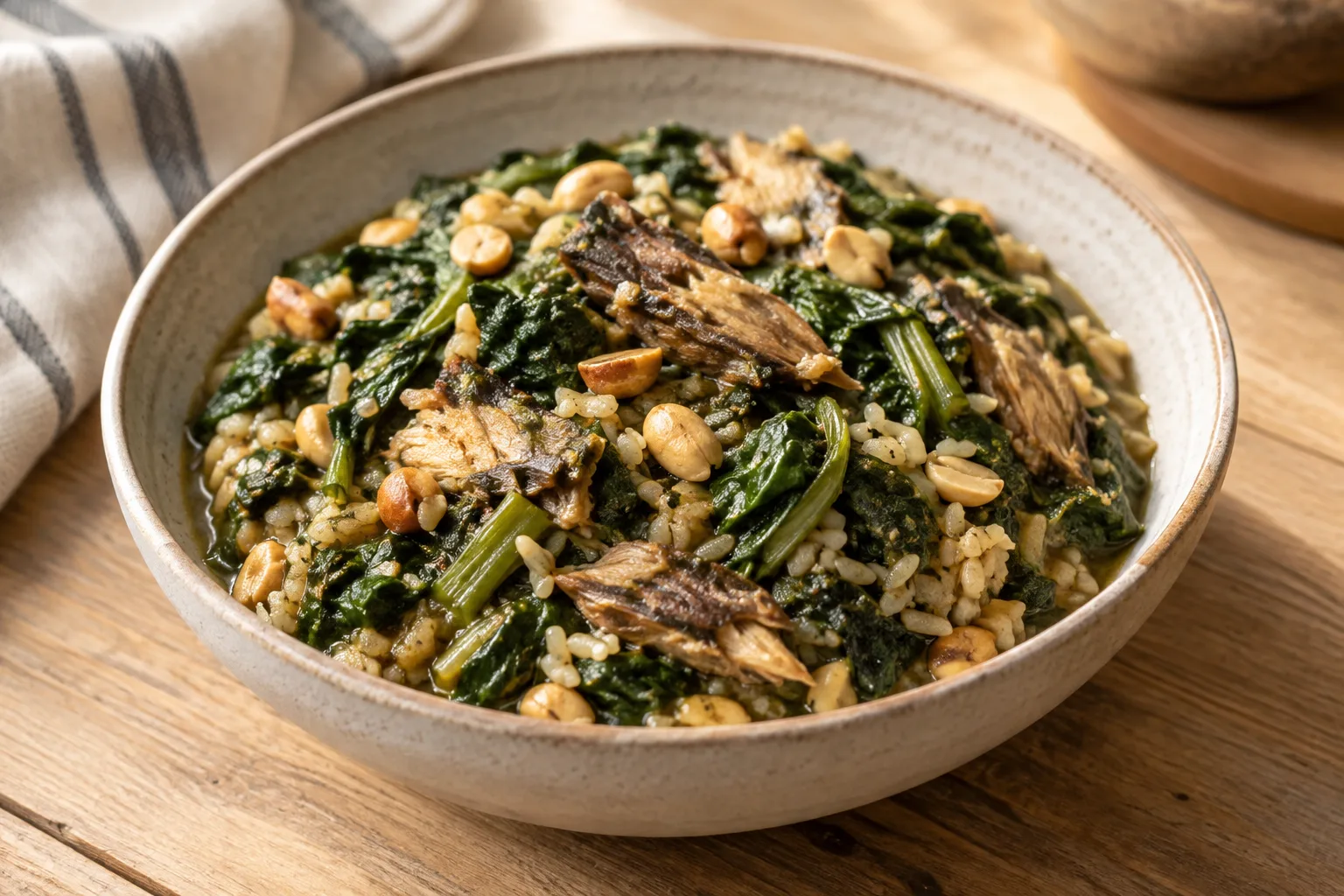
Use chard when you want a leafy vegetable in a side dish, soup, stew, savory tart, filling or warm salad. Small, tender leaves can also be used in salads; larger leaves and stems are convenient for cooking. If you cook the leaves and stems together, remember that stems are usually firmer and take longer. Separate them and add the leaves later, or cook them independently to better control texture. Chard also works well alongside potatoes, eggs, legumes, pasta or cheese. It is available in some markets throughout the year, but the best time to buy it and its availability depend on location and variety.
How to use it
Trim away damaged parts and wash the leaves and stems thoroughly under water before cutting. Drain them so excess water does not dilute the dish. If the stems are thick or you want to keep the leaves from overcooking, separate the stems from the leaves; cut each part into similarly sized pieces. Sauté chard with onion or garlic, steam or briefly boil it, or add it to soups, stews, omelets, pasta, tarts and fillings. When cooking stems and leaves in the same pan or pot, start with the stems and add the leaves later. Tender leaves can also be used raw in salads. Season to taste and check the texture as it cooks: leaves soften sooner than stems.
Flavour and texture
The leaves have a green, vegetal flavor reminiscent of spinach; the stems are meatier, firmer and mild. Flavor varies by variety and maturity. Small leaves tend to be more tender, while thick stems add more bite. Overcooking can leave the leaves limp.
How to choose it
Choose fresh, firm, crisp leaves with an even color and no wilted or damaged areas. Stems should feel crisp and firm rather than soft. Stem color varies by variety and can be white, yellow or reddish; color alone does not mean the chard is spoiled.
Storage
Keep fresh chard refrigerated and aim to use it promptly, as the leaves lose firmness and deteriorate readily. Available guidance indicates that it may keep for around two to three days, though actual storage life depends on its freshness and storage conditions. Frozen and preserved chard are also available if you do not plan to use fresh chard soon.
Substitutions
Spinach can replace chard in cooked dishes, but its leaves are more delicate and may need less cooking. Baby chard leaves can stand in for mature leaves when you want a more tender texture and milder flavor. Neither option exactly reproduces the texture of chard stems.
Common mistakes
Cooking leaves and stems for the same length of time can leave the stems too firm or the leaves too soft. Separate them or start the stems first. Another common mistake is choosing wilted leaves or soft stems, or failing to drain chard before sautéing and ending up with a watery dish.
Safety and allergens
Wash chard with potable water before cutting or eating it, and follow official food-safety guidance for handling fresh vegetables. Discard deteriorated parts.
Culinary uses
- Leafy vegetable for side dishes
- Ingredient for soups, stews, tarts, fillings and warm salads
Recommended techniques
- Sautéing or stir-frying
- Steaming, boiling or blanching
- Separating and cooking the stems before the leaves when needed
Pairs well with
- Potatoes, eggs and legumes
- Onion, garlic, nuts and raisins
- Cheese, pasta and pastry
Frequently asked questions
Can you eat both the leaves and stems?
Yes. Both parts are used; because the stems are firmer, they may need to start cooking before the leaves.
Do the leaves and stems need to be separated?
Not always, but separating them helps control cooking. It is especially useful when the stems are thick or you want an even texture.
Can Swiss chard be eaten raw?
Tender leaves can be used raw in salads. Wash the vegetable thoroughly before preparing it; stems are more often cooked.
Ingredient allergens
Allergen listThere are no verified associations for these ingredients yet.
Sources and review
Automatically researched, cross-checked and validated content. Sources consulted:
- ¿Por qué la muerte es origen de miedos y tabúes? doi.org/10.64628/aao.fccyk3qj3
- Client Challenge doi.org/10.2307/jj.27939689.16
- Gastronomía del Perú - Wikipedia, la enciclopedia libre es.wikipedia.org/wiki/Gastronom%C3%ADa_del_Per%C3%BA
- Agencia Española de Seguridad Alimentaria y Nutrición www.aesan.gob.es/
- Para la ciudadanía www.aesan.gob.es/para-la-ciudadania
- Acelga | Gastronomía & Cía www.gastronomiaycia.com/acelga/
- Este invierno comé de estación: ACELGA | Mercado Central www.mercadocentral.gob.ar/news/este-invierno-com%C3%A9-de-estaci%C3%B3n-acelga
- Swiss Chard stcroix.extension.wisc.edu/files/2019/06/Swiss-Chard-Acelgas-Fact-Sheet.pdf
- Beta vulgaris var. cicla - EcuRed www.ecured.cu/index.php?direction=next&oldid=2157637&title=Acelga
- Aprende sobre los distintos tipos de acelgas | Recetas Nestlé www.recetasnestle.com.ec/index%2ephp/escuela-de-sabor/coccion/tipos-de-acelgas
- acelga | Tesoro de los diccionarios históricos de la lengua española www.rae.es/tdhle/acelga
- Acelga | Introducción | Verduras y hortalizas | EROSKI CONSUMER verduras.consumer.es/acelga/introduccion
- Acelgas: trucos fáciles y efectivos para aprovechar al máximo esta verdura de temporada www.hola.com/cocina/tecnicas-de-cocina/20251112866896/trucos-acelgas-como-limpiar-conservar-…
- Cómo preparar acelgas: consejos para una cocina saludable - SECIP secip.info/noticias/como-preparar-acelgas-consejos-para-una-cocina-saludable/
- - YouTube www.youtube.com/watch?v=BYvsLoWmxCo&vl=es-ES