- Category
- Drinks
- State
- Liquid
- Usual unit
- ml
What it is
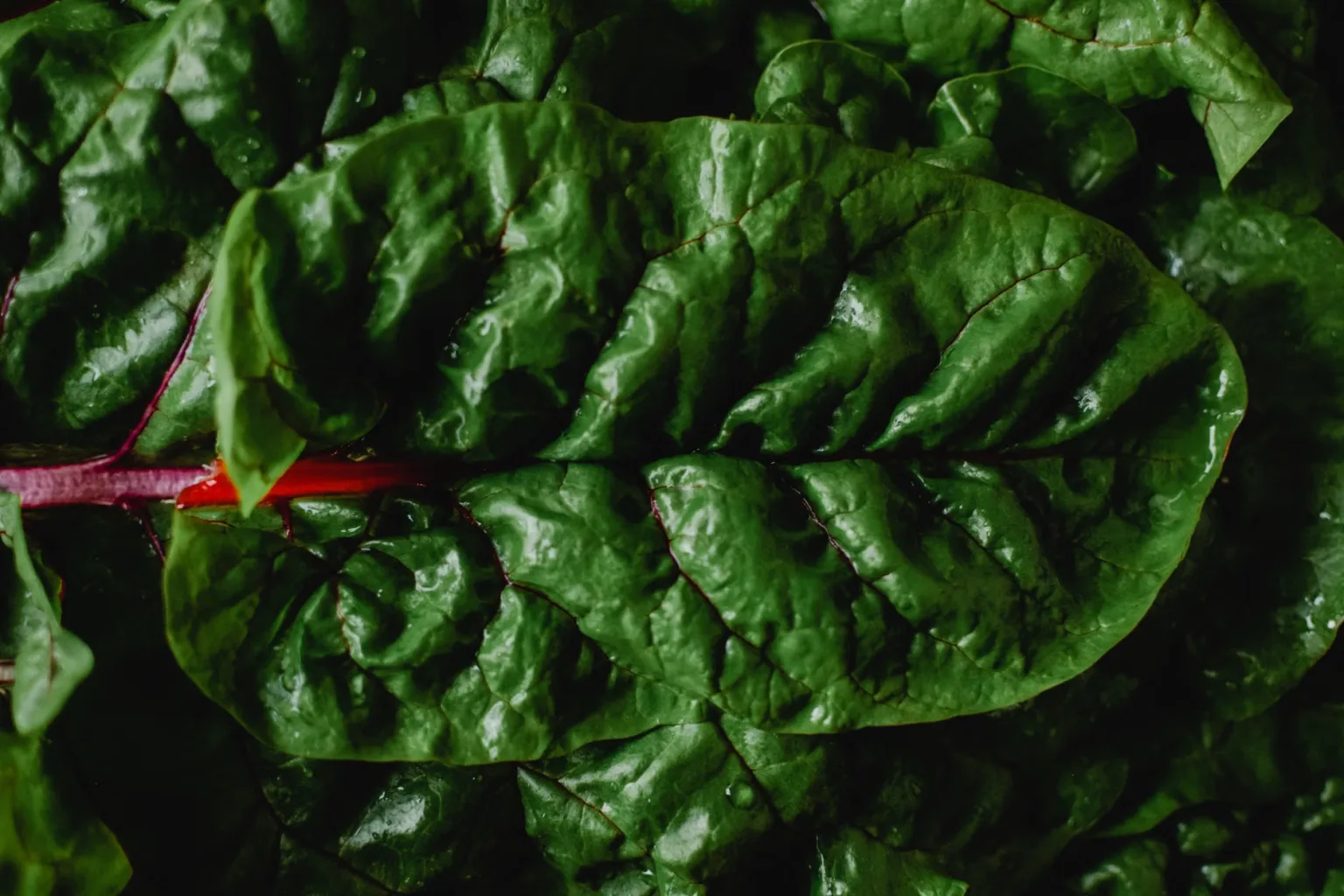
This is the liquid left after Swiss chard has been cooked in water. It is not automatically the same as prepared broth: its flavor and appearance depend on the chard, the amount of water, and any other ingredients added to the pot. Both leaves and stalks are eaten, and chard varieties can have stalks in different colors. As a result, the liquid does not have a fixed flavor or composition. If salt, oil, or other ingredients were used during cooking, they may also be present in the liquid. Check what went into the pot before deciding how to use it.
When to use it
You can try it when you want to use the cooking liquid in a hot dish, such as as part of the liquid for soup or rice. Start with a small amount, then adjust the remaining liquid and seasoning to suit the result. Its flavor may differ from one batch to another, so do not treat it as a consistently strong broth. If salt was added during cooking, account for that before seasoning. Do not use it if you do not know how it was handled or cannot identify the ingredients it contains.
How to use it
Strain the liquid if it contains pieces of leaves or stalks, and check which ingredients were added during cooking. To experiment, add a little to soup or use it in place of some of the water for cooking rice or legumes. These are possible uses; the result can vary from one preparation to another. Taste before adding salt, especially if the chard was cooked with seasoning. You can combine the liquid with water to moderate its strength. Do not automatically treat it as concentrated broth: its intensity depends on how the chard was cooked and how much water was used.
Flavour and texture
There is no single established flavor for this liquid: it can vary with the chard variety, the amount of water, and the ingredients used. Its color and intensity may also change from one preparation to another. Taste it before adding it to a dish and adjust the amount gradually, especially if you do not know whether salt was added.
How to choose it
This ingredient is generally obtained by cooking Swiss chard rather than bought as a separate product. If making it at home, use chard in good condition and potable water, and keep track of whether salt, oil, or other ingredients were added. Leaves and stalks can differ by variety, so the liquid may not always look the same. Do not assume homemade cooking liquid is the same as commercial broth with a known formulation.
Storage
If you keep the liquid, use a clean container and utensils, and follow official food-safety guidance where you live for cooked foods. The guidance available here does not establish a specific storage period for Swiss chard cooking water, so no exact duration can be given. If you do not know how it was handled or stored, the prudent choice is not to use it.
Substitutions
Water can replace it when you only need liquid, although the result may not taste the same. Mild vegetable broth can also work in soup or rice dishes, but may add flavor and salt. Taste the dish before adjusting its seasoning. Since cooking water varies from batch to batch, the best substitute depends on the recipe and the ingredients already in it.
Common mistakes
Do not assume every batch tastes the same or is unsalted: check what was added and taste it before seasoning. Do not automatically treat it as concentrated broth. If you do not know how it was handled or stored, do not use it. Avoid assigning health benefits or a specific storage period without supporting information.
Safety and allergens
Use potable water and clean utensils. Follow official local guidance for handling and storing cooked foods; do not use the liquid if you do not know how it was handled or stored.
Culinary uses
- Cooking liquid
- Liquid component for soups or grain dishes
Recommended techniques
- Straining
- Using as part of the liquid in a cooked dish
Pairs well with
- Rice and other grains
- Legumes
Frequently asked questions
What is Swiss chard cooking water?
It is the liquid left after Swiss chard is cooked in water. Its flavor and appearance depend on the vegetables, the amount of water, and any added ingredients.
Can I use it in soup or with rice?
You can try a small amount as part of the liquid in soup or a rice dish. Taste it before adding salt, since it may already be seasoned.
How long can I store it?
No specific storage period is established here for this liquid. Follow official local food-safety guidance, and do not use it if you do not know how it was handled or stored.
Ingredient allergens
Allergen listThere are no verified associations for these ingredients yet.
Sources and review
Automatically researched, cross-checked and validated content. Sources consulted:
- ¿Qué es la Iniciativa de Codificación de Textos? - Las variedades de la estructura textual - OpenEdition Press doi.org/10.4000/books.oep.15677
- Su Propio Cultivo | Servicio de Extensión de OSU extension.oregonstate.edu/es/catalog/em-9027-s-su-propio-cultivo
- Transnational identity, food and community dr.lib.iastate.edu/bitstreams/89a09b17-bb45-4390-a97d-4319ca795535/download
- Recetas en 1 minuto www.cordonbleu.edu/madrid/recetas-en-1-minuto/es
- El efecto de los nitratos en el rendimiento de atletas de élite diposit.ub.edu/bitstreams/76f9d3fd-9d81-4b33-9cb1-2409a1cad7ee/download
- Para la ciudadanía www.aesan.gob.es/para-la-ciudadania
- ITYuc Chicozapote.cdr - AgEcon Search ageconsearch.umn.edu/record/45844/files/ITYuc%20Chicozapote.pdf
- Acelgas: qué son, qué propiedades y cómo disfrutarlas con estas recetas de temporada www.directoalpaladar.com/recetas-de-legumbres-y-verduras/acelgas-sus-propiedades-como-disfru…
- - YouTube www.youtube.com/watch?v=Zlw_sPCPup8
- Acelga | Cook for Your Life www.cookforyourlife.org/es/nuestro-blog-de-cocina/acelga/
- GastroWiki - Blog sobre Gastronomía gastroalianza.es/gastrowiki/articulo/las-acelgas