- Category
- Herbs and spices
- State
- Fresh
- Usual unit
- teaspoon
What it is
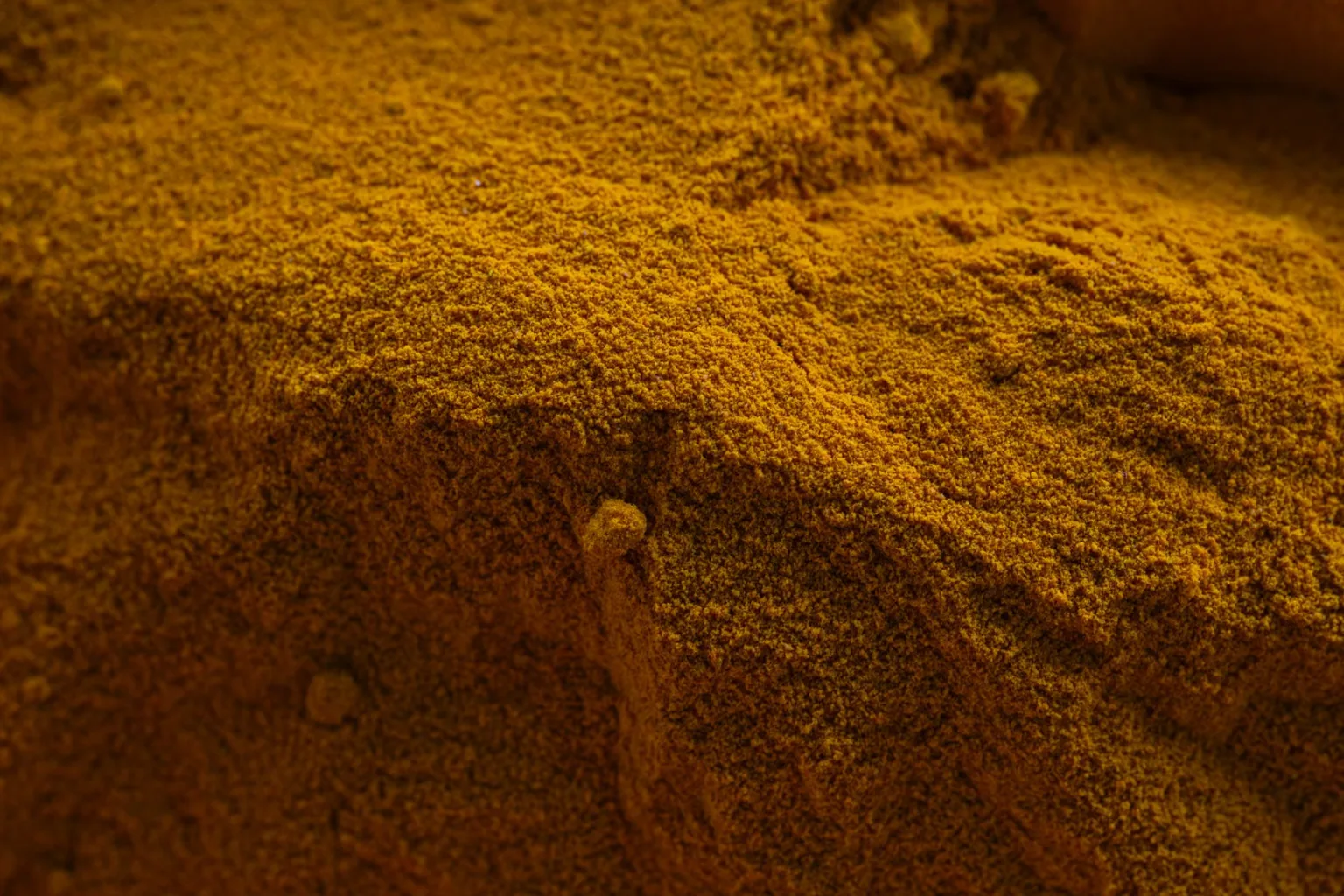
Turmeric is a rhizome from the ginger family, used as a culinary spice and coloring ingredient. Fresh turmeric has vivid orange flesh and can look similar to ginger. In broth, it is used for its golden color and warm, earthy, slightly bitter flavor. It is also commonly available dried and ground, a form often kept in pantries. Turmeric is not saffron: both can color food, but their flavors are different. Fresh and powdered turmeric are two forms of the same ingredient, but they should not be assumed to have a one-to-one measure in a recipe.
When to use it
Use fresh turmeric when you want a yellow-orange hue and a warm, earthy background in broth, soup, or stew. It can work in gently flavored dishes, but begin with a small amount so its earthy character does not overwhelm the other ingredients. You can also add it to broth intended to be combined with other spices. If your main goal is a vivid color, remember that the result depends on the amount used and the other ingredients in the dish.
How to use it
Clean the rhizome, then grate or finely chop the amount you need. Its orange flesh can stain hands, tools, and work surfaces. Add it to the broth while it cooks and stir to distribute its color and flavor. Start with a small amount, taste the broth, and add more only if needed. Turmeric is also used in soups, rice dishes, sauces, and stews. If you only have ground turmeric, you can use it as an alternative form, but no exact fresh-to-ground conversion is established here; adjust gradually to the color and flavor you want.
Flavour and texture
Fresh turmeric has vivid orange flesh and a warm, earthy, slightly bitter, gently spicy profile. In broth, its visible contribution is often a yellow-orange color. Its flavor may remain subtle or become more noticeable depending on how much is used and how the dish is prepared.
How to choose it
Look for a product identified as fresh turmeric, rather than assuming it is ginger because the roots can look similar. When cut, turmeric has vivid orange flesh. If it is packaged, check that the package is in good condition and follow the seller’s storage guidance.
Storage
The available information does not establish a specific storage method or duration for fresh turmeric. Follow the package or seller’s instructions, and do not use a rhizome that shows visible signs of deterioration. Turmeric is also sold dried and ground, but that form should not be treated as fresh turmeric.
Substitutions
Ground turmeric is an alternative form of the same ingredient, but an exact conversion from fresh root is not established here; add it gradually. Saffron can contribute color, but its flavor is different, so it will not reproduce turmeric’s result exactly.
Common mistakes
Adding too much turmeric at the start can make its earthy, slightly bitter flavor more prominent than you intended. Another mistake is expecting saffron and turmeric to taste alike just because both can color food. Taste the broth before increasing the amount.
Safety and allergens
Handle the fresh root with clean hands and utensils. Do not use turmeric with visible signs of deterioration, and follow the package or seller’s storage directions.
Culinary uses
- Aporta color amarillo anaranjado a caldos, sopas y guisos.
- Añade un sabor cálido y terroso a preparaciones líquidas.
Recommended techniques
- Rallar o picar el rizoma fresco antes de incorporarlo.
- Añadirlo al caldo mientras se cocina para que aporte color y aroma.
Pairs well with
- Caldos y sopas
- Jengibre y otras especias cálidas
Frequently asked questions
Are fresh turmeric and ground turmeric the same ingredient?
They are two culinary forms of the same ingredient. Fresh turmeric has vivid orange flesh; ground turmeric is made from dried, milled root.
When should I add turmeric to broth?
Grate or chop it and add it while the broth cooks. Start with a small amount and adjust after tasting.
Can I replace turmeric with saffron?
Saffron can add color, but it has a different flavor. It is not an exact substitute for turmeric.
Ingredient allergens
Allergen listThere are no verified associations for these ingredients yet.
Sources and review
Automatically researched, cross-checked and validated content. Sources consulted:
- Client Challenge doi.org/10.2307/j.ctvndv9t9.22
- The Essential Glossary of Cooking Terms for the Culinary Arts - Escoffier www.escoffier.edu/blog/culinary-arts/the-essential-glossary-of-cooking-terms-for-the-culinar…
- Descubre los secretos de la cúrcuma en la cocina: desde... www.cocinista.es/web/es/enciclopedia-cocinista/especias-de-la-a-a-la-z/curcuma.html
- Agencia Española de Seguridad Alimentaria y Nutrición www.aesan.gob.es/
- Descubre para qué sirve la cúrcuma | Recetas Nestlé www.recetasnestle.com.ec/escuela-de-sabor/tips/para-que-sirve-curcuma
- La cúrcuma, la raíz que vuelve oro blends y platos. | Alveus www.alveus.eu/es/blog/curcuma/
- Preparing and Preserving Your Own Chicken or Turkey Stock extension.psu.edu/preparing-and-preserving-your-own-chicken-or-turkey-stock/