- Category
- Herbs and spices
- State
- Fresh
- Usual unit
- tablespoon
What it is
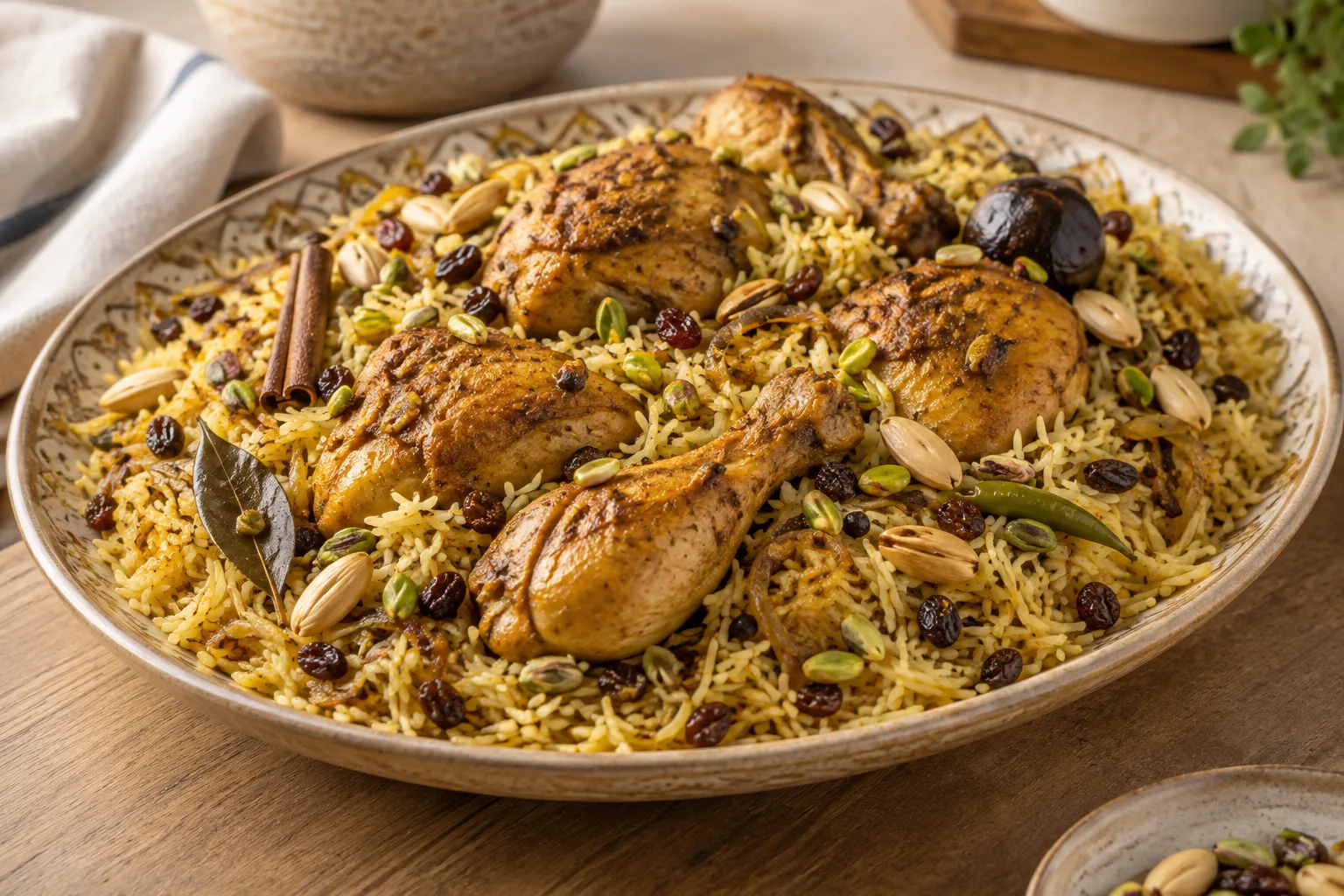
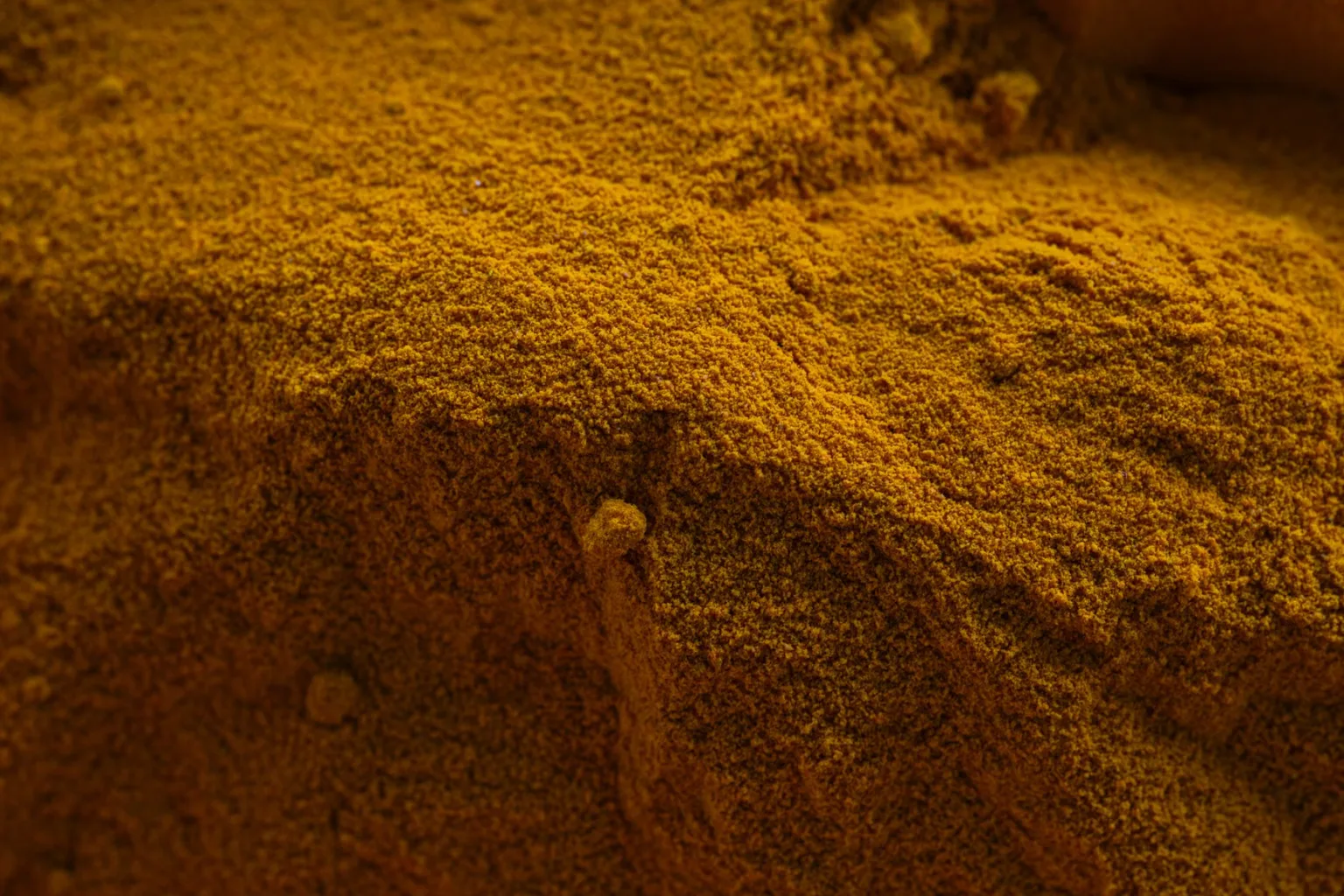
Turmeric is the rhizome of a plant in the Zingiberaceae family, the same botanical family as ginger. Fresh turmeric has thin skin and intensely orange flesh; its shape can resemble ginger, though the color inside helps tell them apart. It is used as a culinary spice and coloring ingredient. Fresh turmeric has a milder, fresher profile than dried ground turmeric, which is usually more intense and earthy. In chicken dishes it can add color and aroma, but it is not an exact replacement for other spices and should not be confused with saffron.
When to use it
Choose fresh turmeric when you want a fresh, aromatic note in a chicken dish, or when you plan to grate or finely chop the rhizome with other ingredients. It works in marinades, stews, soups and sauces, and can complement rice served with chicken. If your main goal is strong color from a small amount, dried ground turmeric may be more convenient and intense. Fresh and dried turmeric can be used in similar kinds of dishes, but they do not have the same strength or exactly the same flavor profile.
How to use it
Rinse the rhizome and trim away damaged parts. Grate or finely chop it before adding it to a chicken marinade, sauce or stew so it disperses more evenly than large pieces would. You can also combine it with other seasonings and let it flavor the dish as it cooks. Fresh turmeric is usually milder than dried turmeric, so add it gradually and taste before adding more. Its strong pigment can stain hands and work surfaces; clean utensils after using it.
Flavour and texture
Fresh turmeric has firm, orange flesh that can be grated or chopped. Its flavor is described as milder, fresher and more citrus-like than dried turmeric; the dried spice tends to be more intense and earthy. In chicken, it adds color and a spiced background note, but the result is not the same as using saffron.
How to choose it
Look for firm rhizomes with intact skin and no visibly damaged areas. Orange flesh is characteristic of fresh turmeric; do not confuse it with ginger, which belongs to the same family but has a different interior. Buy only what you expect to use, and choose produce intended for food use.
Storage
Keep fresh turmeric unwashed in a cool, dry place and use it while the rhizome remains firm and in good condition. The available evidence does not establish a specific storage period for fresh root, so inspect it and follow any package guidance. Keep dried turmeric in a closed container, separate from the fresh rhizome.
Substitutions
Dried turmeric can play a similar role in a recipe, but it is more intense and earthy than the fresh root; adjust the amount gradually. Saffron can add color in some dishes, but its flavor is different and it will not reproduce turmeric’s profile.
Common mistakes
Do not assume fresh and dried turmeric have equal strength: the fresh rhizome is usually milder. Nor should saffron be treated as a flavor-for-flavor substitute; it can add color, but the result will differ. Add turmeric gradually, and do not mistake the rhizome for ginger.
Safety and allergens
Use turmeric intended for food and work with clean hands and surfaces. When preparing it alongside raw chicken, do not wash the chicken; keep its juices from contaminating other foods and clean utensils and surfaces after handling it.
Culinary uses
- Colorante culinario
- Condimento aromático
Recommended techniques
- Rallar o picar el rizoma fresco
- Incorporar a marinadas, guisos y salsas
Pairs well with
- Pollo
- Arroz
- Curry
- Sopas y salsas
Frequently asked questions
Are fresh and powdered turmeric the same?
They come from the same ingredient, but their flavor and strength differ: fresh turmeric is usually milder and fresher, while dried turmeric is more intense and earthy.
Can I use fresh turmeric in a chicken marinade?
Yes. Grate or finely chop it and mix it with the other marinade ingredients so its color and aroma are distributed.
Can saffron replace turmeric?
It can contribute color, but its flavor is different. It is not an exact replacement for turmeric.
Ingredient allergens
Allergen listThere are no verified associations for these ingredients yet.
Sources and review
Automatically researched, cross-checked and validated content. Sources consulted:
- Client Challenge doi.org/10.2307/j.ctvndv9t9.22
- The Essential Glossary of Cooking Terms for the Culinary Arts - Escoffier www.escoffier.edu/blog/culinary-arts/the-essential-glossary-of-cooking-terms-for-the-culinar…
- Descubre los secretos de la cúrcuma en la cocina: desde... www.cocinista.es/web/es/enciclopedia-cocinista/especias-de-la-a-a-la-z/curcuma.html
- Agencia Española de Seguridad Alimentaria y Nutrición www.aesan.gob.es/
- Cúrcuma: qué es, para qué sirve, propiedades y beneficios bonviveur.com/es/noticias/curcuma
- Descubre para qué sirve la cúrcuma | Recetas Nestlé www.recetasnestle.com.ec/escuela-de-sabor/tips/para-que-sirve-curcuma
- USDA FoodData Central libguides.marist.edu/fdc
- Analyzing Food Sources and Food Insecurity of Kichwa ... scholarworks.uark.edu/cgi/viewcontent.cgi?article=1045&context=csesuht
- Deteniendo el Alzheimer con Dieta y Estilo de Vida | Servicio de Extensión de OSU extension.oregonstate.edu/es/catalog/em-9383-deteniendo-el-alzheimer-con-dieta-y-estilo-de-v…
- Preparing and Preserving Your Own Chicken or Turkey Stock extension.psu.edu/preparing-and-preserving-your-own-chicken-or-turkey-stock/
- Microsoft Word - Delores Phillips Dissertation.doc drum.lib.umd.edu/bitstreams/dce9cfb9-dfb3-41be-a7f6-cec9f72c1c3f/download
- Todo sobre la cúrcuma: qué es, cómo cocinar con ella, cómo conservarla y 11 recetas para utilizarla en dulces y salados www.directoalpaladar.com/ingredientes-y-alimentos/todo-curcuma-que-como-cocinar-ella-como-co…
- Usos y propiedades de la cúrcuma - Comunidad Hostelera www.lahostelera.com/blog/que-es-la-curcuma/?srsltid=AYCX9vIbP7zllyzPKFZpCsqz8T9sdoj4FqZQP1vM…