- Category
- Baking
- State
- Powdered
- Usual unit
- g
What it is
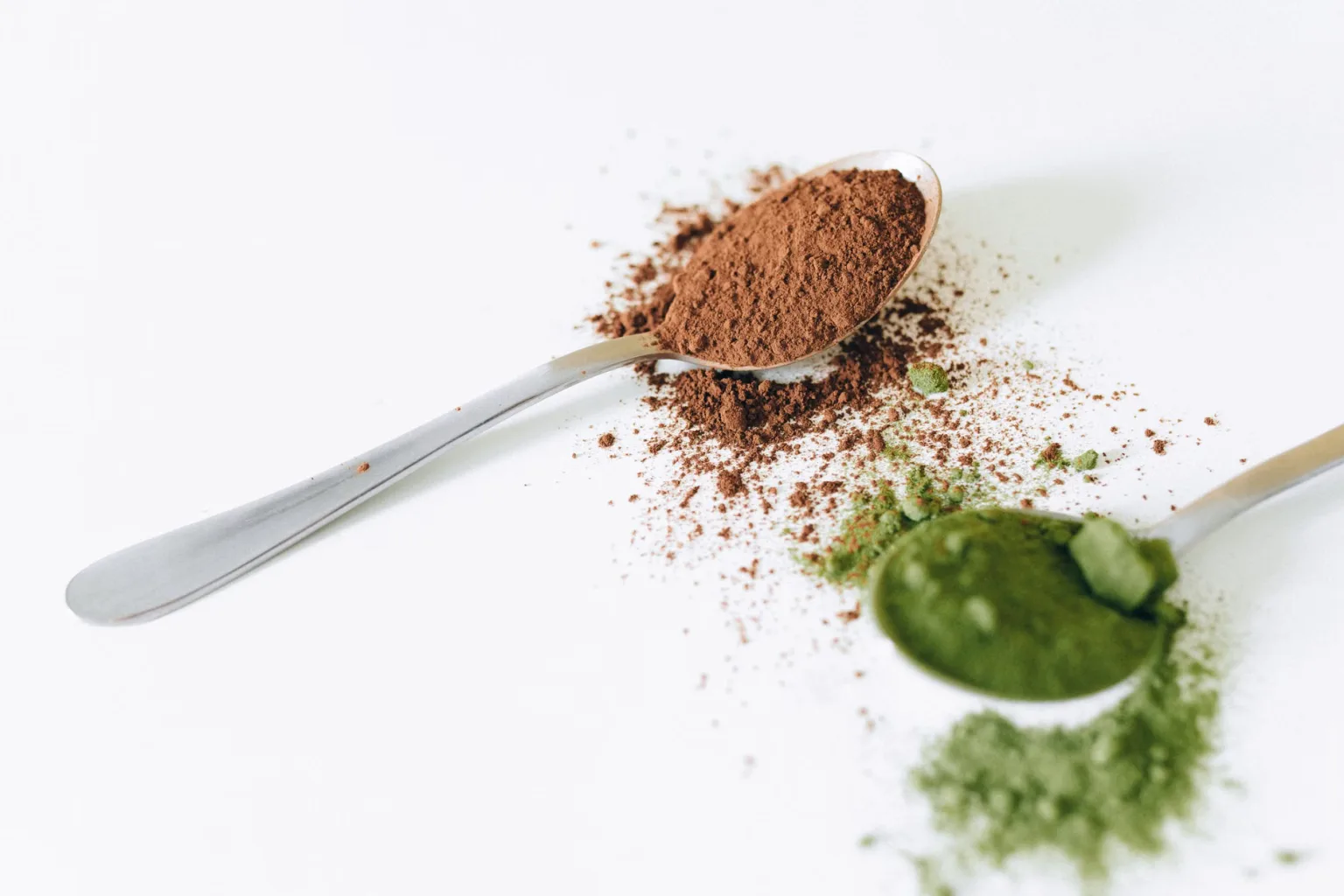
Unsweetened cocoa powder is a dry ingredient made by processing fermented, dried cocoa seeds: they are ground into a paste, some of the fat is pressed out, and the resulting cake is milled into powder. It is not necessarily the same as an instant drink mix, which may contain sugar, sweeteners or other ingredients. Unsweetened powders also vary: some are natural and others are treated with alkali, and their cocoa-butter content can differ. As a result, color, flavor and performance in a recipe are not identical from one product to another. Check the ingredient list when you want cocoa without added ingredients, and follow the recipe’s specified type when it calls for natural or alkalized cocoa.
When to use it
Use it to add cocoa flavor to a drink, cake, cookie, pudding, cream or batter when you want to control sweetness separately. Because the powder is unsweetened, you can adjust sugar, honey or another sweetener to taste. Natural cocoa tends to have a more acidic profile, while alkalized cocoa is generally milder; color can vary too. In baking, check which type the recipe calls for, particularly when it specifies natural or alkalized cocoa. If the recipe does not specify, a swap may still change flavor, color and how the batter turns out.
How to use it
Read the label to confirm that the product is unsweetened cocoa powder rather than an instant drink mix. Sift it if it has clumps for a smoother mixture. For batters, combine it with the dry ingredients first or follow the recipe’s order, then add liquids and mix until no pockets of powder remain. In drinks or creams, whisk it with the liquid to distribute it evenly. Add sweetener separately and taste before adjusting, since unsweetened cocoa can taste bitter. If you substitute natural cocoa for alkalized cocoa, or vice versa, expect possible changes in acidity, color and flavor. Follow the recipe’s quantities and method, especially when the balance between cocoa and leavening agents matters.
Flavour and texture
Its flavor is typically pronounced and cocoa-like, with bitterness and none of the sweetness found in sweetened mixes. Acidity and mildness depend partly on whether the cocoa is natural or alkalized. Color can range from lighter brown to dark brown and does not, by itself, indicate quality. The powder should be fine and loose; its fat content affects mouthfeel and how it blends into a mixture.
How to choose it
Check the ingredient list to distinguish unsweetened cocoa powder from instant cocoa mixes containing sugar, sweeteners, milk or other additions. Choose natural or alkalized cocoa to suit the recipe and flavor you want; do not assume that a darker color means better quality. If the package lists fat content, remember that it can affect richness and the outcome of a preparation.
Storage
Keep the container tightly closed in a dry place to limit exposure to moisture, which can make the powder clump. Do not leave it open near steam or liquids, and use a dry spoon. If the cocoa has become compacted, is damp or has an unusual smell, assess the product before using it. Follow the package for specific storage directions.
Substitutions
Natural unsweetened cocoa can sometimes be swapped for alkalized unsweetened cocoa, but flavor, color and acidity may differ; some recipes also depend on the balance of the batter. Cocoa powder with a different fat content is another option, though richness and possibly intensity will change. Do not directly replace it with sweetened instant cocoa without adjusting the other ingredients.
Common mistakes
Confusing pure cocoa powder with an instant mix can add sugar or other ingredients the recipe does not account for. Choosing cocoa by color alone or switching natural and alkalized cocoa without considering the recipe can also change the result. Powder added without thorough mixing may leave lumps; sift and distribute it evenly.
Safety and allergens
Check the package for the product’s ingredients and allergen warnings, especially when cooking for someone with an allergy or food sensitivity. Keep the powder dry and follow the storage directions on the label.
Culinary uses
- Aporta sabor y color a masas, galletas, tartas y cremas de repostería.
- Sirve para preparar bebidas y postres de chocolate, ajustando el dulzor por separado.
Recommended techniques
- Tamizar antes de incorporarlo para deshacer grumos.
- Mezclarlo con los ingredientes secos o batirlo con líquido hasta obtener una mezcla uniforme.
Pairs well with
- Leche o bebidas vegetales
- Vainilla
- Plátano
- Café
- Miel o azúcar, añadidos al gusto
Frequently asked questions
Is unsweetened cocoa powder the same as instant cocoa?
Not necessarily. Unsweetened cocoa powder is an ingredient; instant mixes may contain sugar, sweeteners or other ingredients. Check the ingredient list.
What is the difference between natural and alkalized cocoa?
Natural cocoa tends to be more acidic, while alkalized cocoa is generally milder. Their colors may differ too. Choose according to the recipe and flavor you want.
Can I swap natural cocoa for alkalized cocoa in a recipe?
Sometimes, but flavor, color and acidity may change. If the recipe specifies a type, it is best to use that type.
How can I prevent lumps?
Sift the cocoa if it is clumped, then mix it with the dry ingredients or whisk it thoroughly into the liquid.
Ingredient allergens
Allergen listThere are no verified associations for these ingredients yet.
Sources and review
Automatically researched, cross-checked and validated content. Sources consulted:
- Romanica Olomucensia : «¿Qué pinga es esto?». Usos disfemísticos en el español de Cuba doi.org/10.5507/ro.2021.007
- Gastronomía de México - Wikipedia, la enciclopedia libre es.wikipedia.org/wiki/Gastronom%C3%ADa_de_M%C3%A9xico
- No todos los cacaos en polvo son iguales: cuántos tipos hay, en qué se diferencian y cómo usarlos en nuestras recetas www.directoalpaladar.com/ingredientes-y-alimentos/no-todos-cacaos-polvo-iguales-cuantos-tipo…
- HS1057s/HS1505: Cultivando cacao en el jardín de su hogar en Florida ask.ifas.ufl.edu/publication/HS1505
- A Culture of Cacao and Chocolate | ReVista revista.drclas.harvard.edu/a-culture-of-cacao-and-chocolate/
- USDA FoodData Central libguides.marist.edu/fdc
- de polvo de cacao sin azucar Archives | Dinner Tonight dinnertonight.tamu.edu/ingredient/de-polvo-de-cacao-sin-azucar/
- Procesamiento de cacao: Chocolate sin azúcar edustore.purdue.edu/fs-152-w-s.html
- Pudín de Chocolate Chia - myLLU - Loma Linda University myllu.llu.edu/utilities-fileManager/action:image/?item=%2Flivingwhole%2Frecipes%2FPud%C3%ADn…
- Leche en polvo | OpenAlex openalex.org/W2982248435
- Análisis y comparativa del mejor cacao puro sin azúcar: opciones, calidad y usos en repostería doncaramelo.es/cacao-puro-sin-azucar/