- Category
- Dairy and eggs
- State
- Liquid
- Usual unit
- ml
What it is
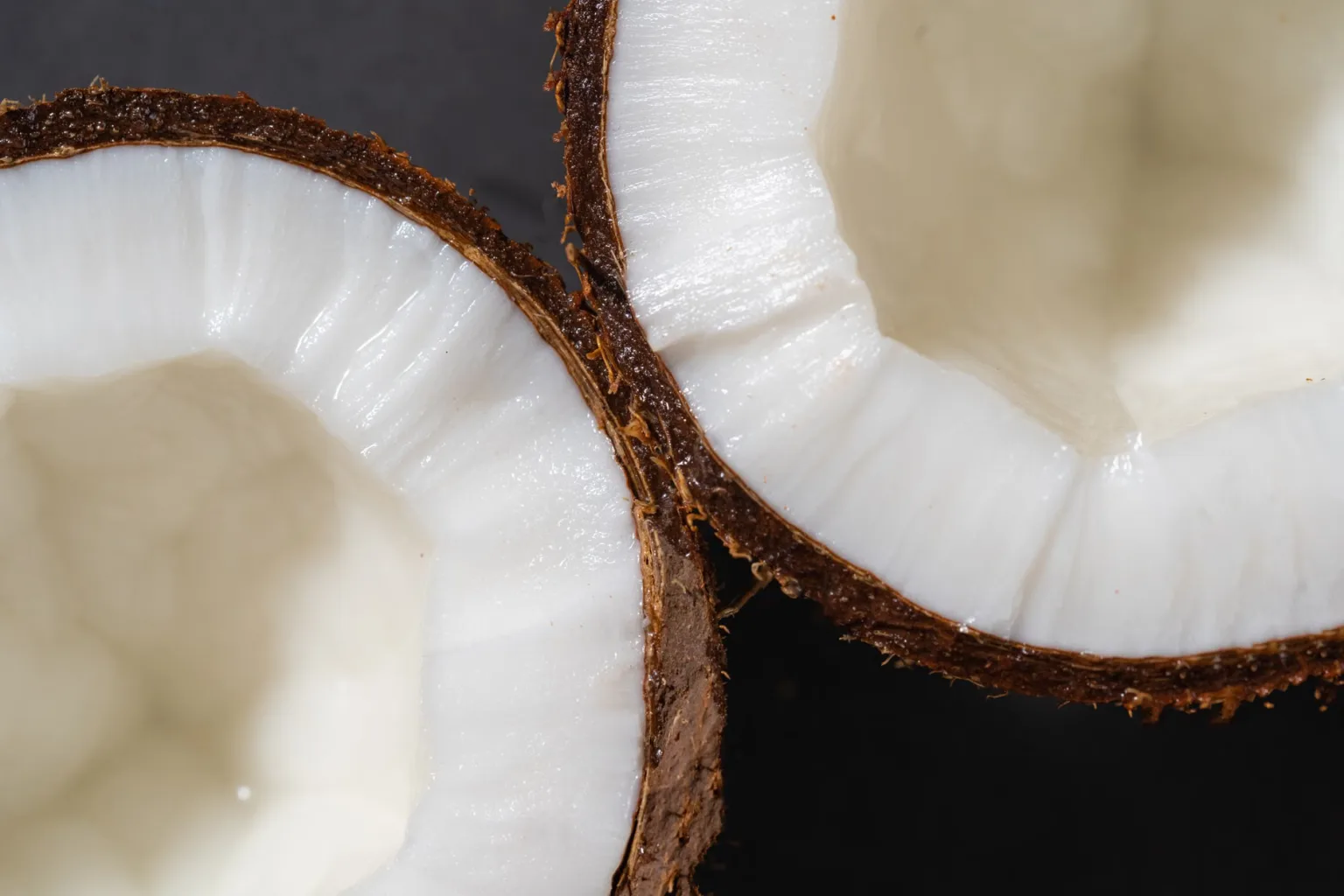
Coconut milk is made by combining mature coconut flesh with water and straining the mixture. It is not coconut water, the naturally occurring liquid inside the fruit. Nor is it necessarily the same as a carton coconut drink: some drinks are made by diluting coconut cream or milk and may include other ingredients. Cooking products, often sold in cans, are generally more concentrated than drinks. Composition, thickness and fat content vary among products, and commercial names do not always clearly distinguish milk, cream and drink. “Unsweetened” identifies a product presented without added sweetening, but check the ingredient list and package details to confirm what you are buying. Here, the term refers to liquid coconut ingredient, not coconut water or a sweetened coconut cream product.
When to use it
Use it when you want coconut flavor and a fuller texture in soups, curries, sauces, rice dishes or preparations with legumes. It can also be used in desserts and drinks. Choose the form to suit the result: a concentrated cooking milk or cream to give a stew body, or a lighter coconut drink when a recipe calls for a fluid liquid. Do not assume every package is interchangeable; check the label and consistency, particularly when a thick sauce is important. In sweet dishes, an unsweetened product lets you control the sweetness separately.
How to use it
Read the package first to confirm whether you have coconut milk for cooking or a coconut drink, as the recipe requires. Some products separate into a thicker portion and a thinner liquid; shake the closed container or stir thoroughly until uniform unless the recipe calls for using a layer separately. Add it to soups, curries or sauces, or use it in a sweet preparation such as a fruit-and-lime sauce. For a thinner sauce, add the amount needed and adjust with water or another recipe liquid; for more body, choose a concentrated product rather than assuming any coconut drink will thicken in the same way. Taste and adjust salt, spices or sweetness separately. Follow the directions supplied with the specific product.
Flavour and texture
It has a recognizable coconut flavor, which may be mild or more pronounced depending on concentration and the proportion of coconut to water. Packaged products range from a pourable drink to a thick, creamy mixture. Concentrated products may separate into layers; separation alone does not establish that the product has spoiled. Shaking or stirring can make it more uniform. Unsweetened versions do not have the sweetness of a sweetened coconut cream product.
How to choose it
Read the product name and ingredient list, and distinguish cooking coconut milk from coconut cream, coconut drink and coconut water. Do not rely only on the word “milk” or the package shape: products can have different concentrations and uses. If you want an unsweetened option, check the product information for added sugar. For curries and sauces that need body, look for a more concentrated cooking product; for drinking or a light liquid, choose a coconut drink.
Storage
Unopened cooking coconut milk is commonly sold without refrigeration, while other forms may have different requirements. Store each product according to the directions printed on its package. After opening, follow the manufacturer’s instructions for refrigeration, container and use-by period; do not assume carton-drink directions also apply to a can. If the label does not explain how to store it after opening, check with the manufacturer rather than guessing a storage period.
Substitutions
Unsweetened coconut drink can replace cooking coconut milk in a preparation that can be thinner, but it may not provide the same body. Coconut cream diluted with water can approximate a less thick consistency, although products vary in concentration. Adjust liquid gradually and taste as you go; sweetened coconut cream is not a direct replacement in savory dishes.
Common mistakes
Confusing coconut milk with coconut water or a light coconut drink can substantially change a recipe’s texture. Cooking coconut cream can also be mistaken for sweetened coconut cream intended for specific uses. Check the package, do not add sugar before tasting, and mix separated product if the recipe needs a uniform consistency.
Safety and allergens
Check the package and follow the manufacturer’s storage and use instructions. Do not consume a product if its package says to discard it or it shows clear signs of deterioration; when in doubt, discard it.
Culinary uses
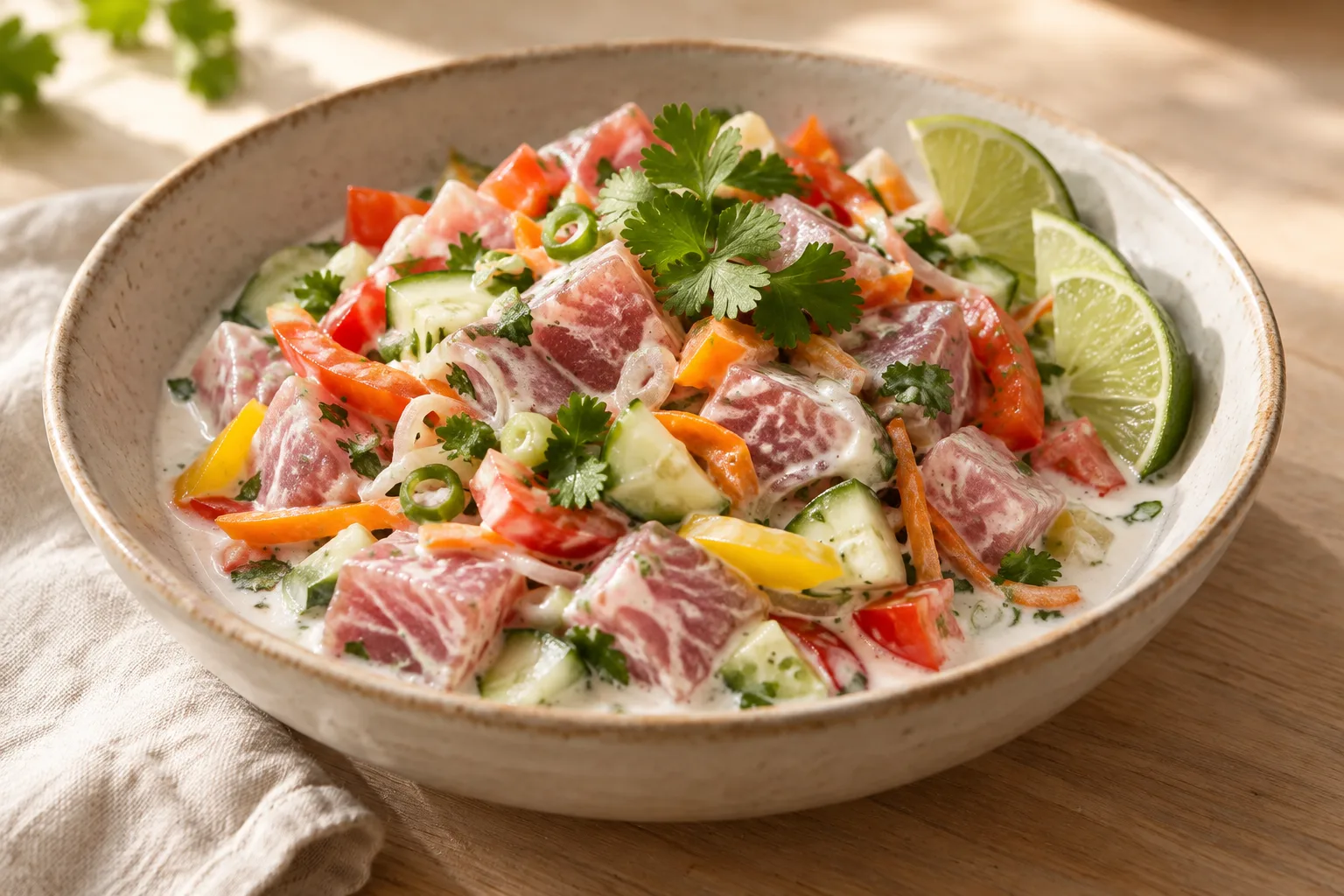
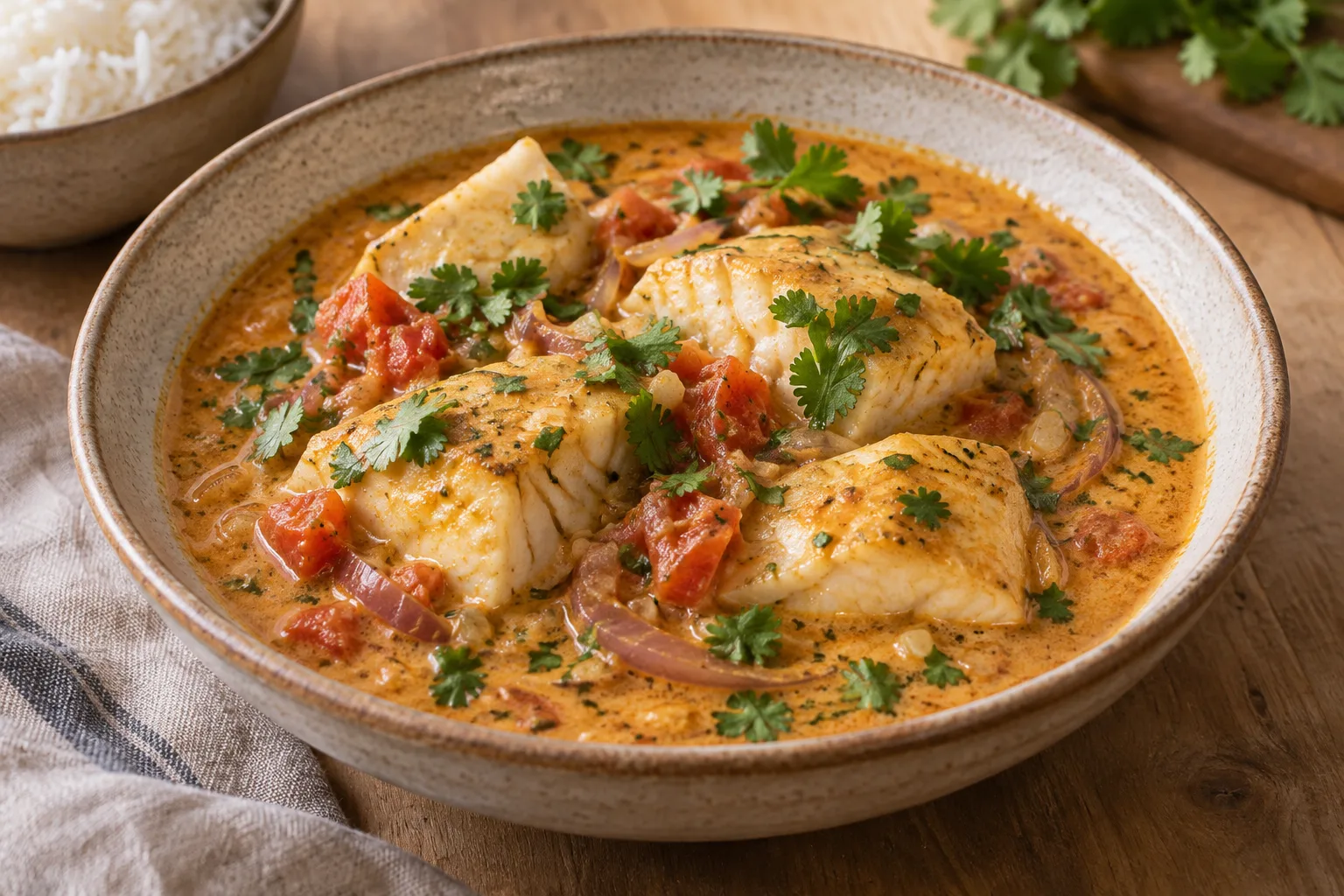
- Base líquida para curris, sopas y salsas
- Ingrediente cremoso para postres, bebidas y platos de arroz
Recommended techniques
- Agitar o mezclar para volver a integrar las fases separadas
- Incorporar a guisos, salsas o preparaciones dulces y cocinar según la receta
Pairs well with
- Jengibre y lima
- Mango y especias aromáticas
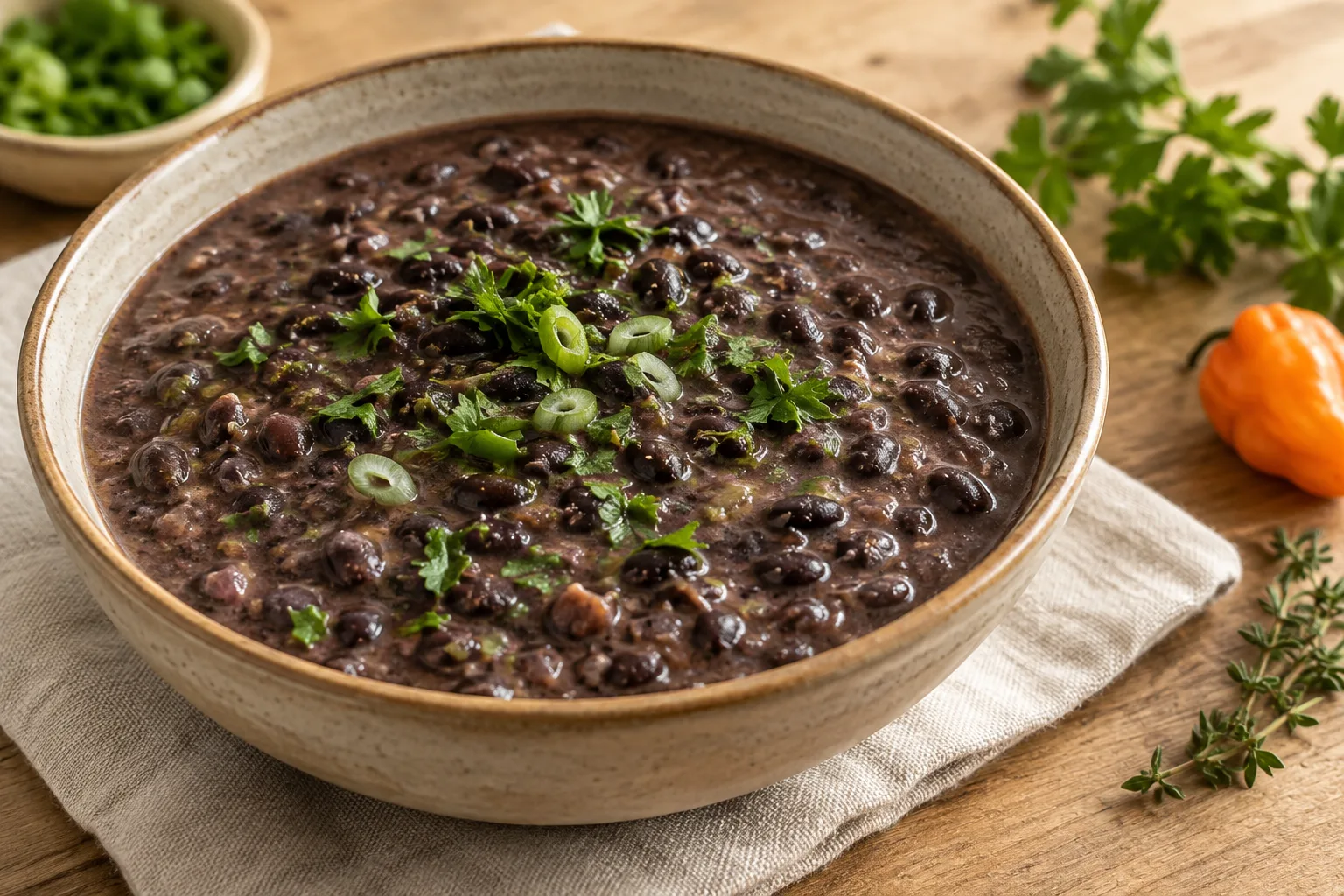
- Curry y legumbres
Frequently asked questions
Is unsweetened coconut milk the same as coconut water?
No. Coconut milk is made by combining coconut flesh with water; coconut water is the liquid naturally found inside the fruit.
Can I use coconut drink instead of cooking coconut milk?
Sometimes, but a drink is usually lighter and may not thicken a sauce like a concentrated product. Check its consistency and adjust the recipe.
What should I do if coconut milk has separated?
If the package is within its stated use instructions, shake it closed or stir the contents until uniform, unless the recipe calls for using the layers separately.
Ingredient allergens
Allergen listThere are no verified associations for these ingredients yet.
Estimated nutrition
- Fat
- 17.5 g
- Saturates
- 16.2 g
- Carbohydrate
- 2.5 g
- Sugars
- 1.25 g
- Fibre
- 0 g
- Protein
- 1.25 g
- Salt
- 0.06 g
Sources and review
Automatically researched, cross-checked and validated content. Sources consulted:
- ¿Por qué la muerte es origen de miedos y tabúes? doi.org/10.64628/aao.fccyk3qj3
- The Essential Glossary of Cooking Terms for the Culinary Arts - Escoffier www.escoffier.edu/blog/culinary-arts/the-essential-glossary-of-cooking-terms-for-the-culinar…
- Leche de origen vegetal: información nutricional | University of Utah Health healthcare.utah.edu/healthfeed/2023/04/leche-de-origen-vegetal-informacion-nutricional
- Nutrition After Your Transplant - Health Online healthonline.washington.edu/sites/default/files/record_pdfs/Nutrition-After-Your-Transplant-…
- La leche de coco a examen - Formacion en Gastronomia www.formacionengastronomia.com/cocina-latina/la-leche-de-coco-a-examen-2/
- Qué es la leche de coco, cómo utilizarla en cocina y siete recetas en la que brilla www.directoalpaladar.com/ingredientes-y-alimentos/que-leche-coco-como-utilizarla-cocina-siet…
- Leche de coco - Wikipedia, la enciclopedia libre es.wikipedia.org/wiki/Leche_de_coco
- Leche de coco | JUST SPICES® www.justspices.es/blog/temas-populares/leche-de-coco-que-es-usos
- Cocina Michoacana (1896) - lacocina.utsa.edu/cocina-michoacana-1896/
- opinión científica www.aesan.gob.es/en/dam/jcr:711cce41-8de5-461c-b787-05c58ba1d61c/establecimientos_minoristas…
- Stewed Mangoes with Coconut Lime Sauce – Community Nutrition Security Research Group web.uri.edu/community-nutrition/stewed-mangoes-with-coconut-lime-sauce/
- FSHN20-49s/FS421: Leches a base de plantas: coco ask.ifas.ufl.edu/es/publication/FS421
- Wilted Kale with Coconut Milk, Ginger, and Lime - CDN nyc.cce.cornell.edu/files/2026/07/24-Wilted-Kale-with-Coconut-Ginger-and-Lime-1-15-2021-no-E…
- - YouTube www.youtube.com/watch?v=ZsP9LlJNv1k