- Category
- Drinks
- State
- Liquid
- Usual unit
- cup
What it is
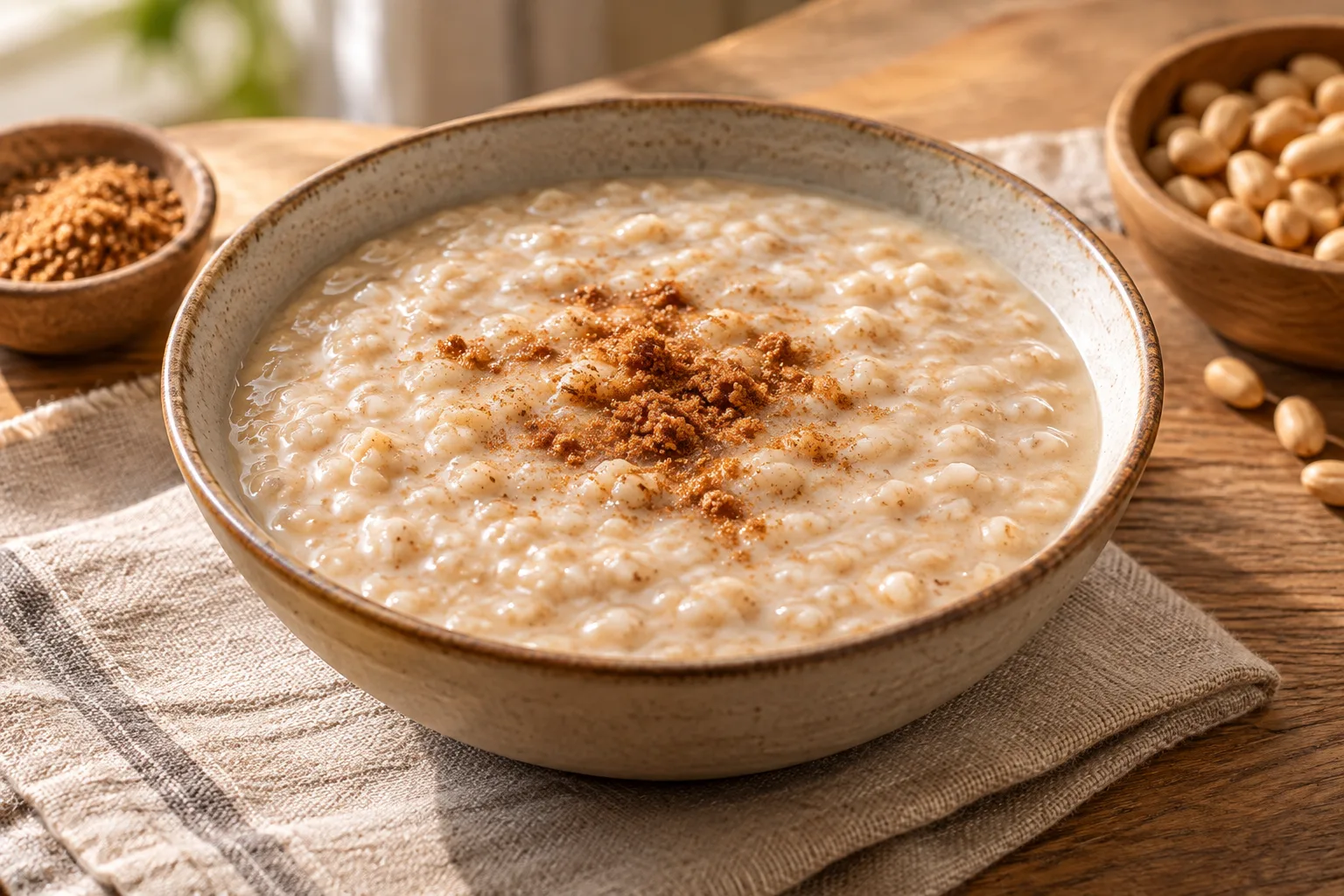
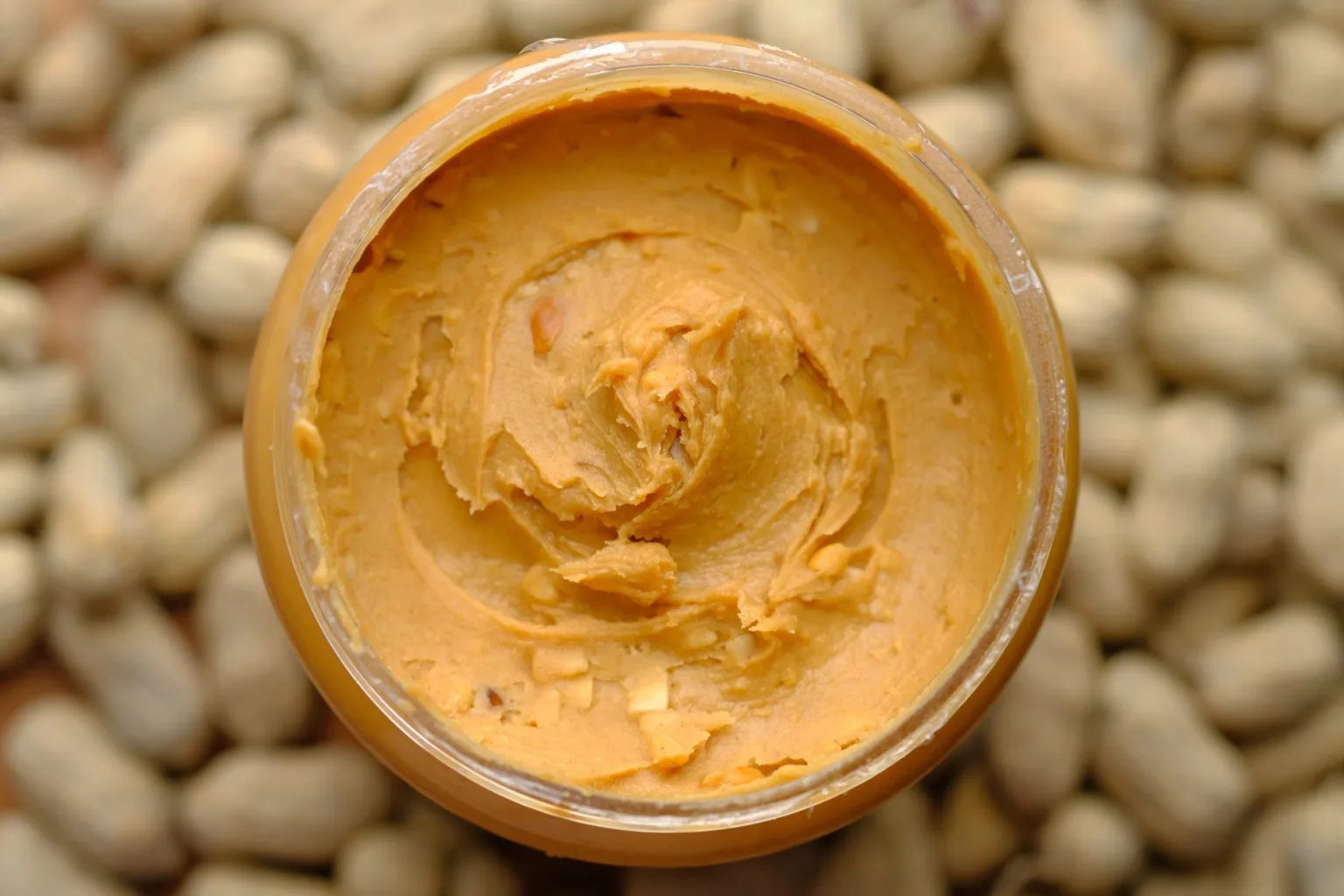
Warm water for peanut butter is water added to the paste when you want to loosen it, particularly while making a sauce. It is not a special product or a distinct kind of water; its role here is to adjust consistency. A peanut-butter sauce recipe combines peanut butter with ingredients such as soy sauce, honey, garlic, and lemon juice, then gradually adds hot water to thin the mixture. The amount can be adjusted as you mix until the sauce reaches the texture you want. Recipe temperatures can differ: the available sauce example specifies hot water, while this profile covers warm water as a culinary ingredient.
When to use it
Use it when a peanut-butter mixture is thicker than you want for the preparation, such as a sauce that needs to be easier to mix or serve. Add it in small amounts rather than pouring it all in at once, and check the texture after each addition. The amount depends on the consistency you are aiming for; there is no single measure for every sauce. If your recipe specifies hot water, follow that direction or adjust the temperature to suit the recipe you are making.
How to use it
First combine the peanut butter with the other sauce ingredients. While stirring or mixing, add warm water in small amounts and check how the consistency changes before adding more. Repeat until the sauce is as loose as you need; water can be incorporated gradually to thin it. If the recipe specifies hot water, take note of that instruction: warm and hot do not necessarily mean the same temperature. Avoid adding all the liquid at once, because that makes the final texture harder to control. There is no universal amount; adjust the water to the mixture and its intended use.
Flavour and texture
Water adds liquid and changes the texture of the mixture, but it is not used here to add peanut flavor. Gradual addition can take a sauce from a thick paste to a looser consistency. The result depends on how much liquid is added and on the mixture itself, so add only what is needed to reach the texture you want.
How to choose it
There is no need to look for a special kind of water for this preparation. Choose water that is suitable for drinking, then heat or cool it to the temperature specified by your recipe. If the recipe calls for hot water, do not assume that warm water means the same temperature. Have it ready before adjusting the mixture so you can add it gradually.
Storage
This profile concerns water added while making a sauce, not a stored mixture. Keep the water in a clean container and use it during preparation. The available evidence does not give a storage time for a sauce after it has been thinned; follow the recipe and the directions for its other ingredients when storing the finished preparation.
Substitutions
If a recipe calls for warm water, you can adjust the water temperature to match that recipe's direction. The available example uses hot water to thin peanut sauce. In either case, add it gradually and check the consistency. There is no evidence here to recommend another liquid as a direct substitute for water in this role.
Common mistakes
Adding all the water at once can make the texture difficult to control. Add it in small amounts and mix before deciding whether you need more. Another mistake is overlooking the temperature in the recipe: warm water and hot water are not necessarily interchangeable. Do not assume that every mixture needs the same fixed amount.
Safety and allergens
Use water suitable for drinking and clean utensils. If making the sauce for someone with allergies, also check the peanut butter and the other ingredients.
Culinary uses
- Diluent for peanut-butter sauce
- Consistency adjustment
Recommended techniques
- Add gradually
- Stir or mix until the desired consistency is reached
Pairs well with
- Peanut butter
- Peanut-butter sauce with soy sauce, honey, garlic, and lemon juice
Frequently asked questions
Why add water to peanut butter?
It thins the mixture and helps adjust the consistency of a sauce.
How much water should I add?
There is no single amount; add it gradually and stop when the mixture reaches the consistency you want.
Can I use warm water when a recipe calls for hot water?
The available sauce example calls for hot water. Warm and hot do not necessarily describe the same temperature, so follow your recipe's direction.
Ingredient allergens
Allergen listThere are no verified associations for these ingredients yet.
Sources and review
Automatically researched, cross-checked and validated content. Sources consulted:
- Historia de la gastronomía - Wikipedia, la enciclopedia libre es.wikipedia.org/wiki/Historia_de_la_gastronom%C3%ADa
- ¿Qué es más efectivo para reducir el consumo de agua, la concienciación o un incremento de las tarifas? doi.org/10.64628/aao.56cdfwcqt
- Qué es eso llamado epistemología, para qué sirve, por qué es inexcusable para la universidad y para la paz | Reencuentro. Análisis de problemas universitarios doi.org/10.24275/uamxoc-dcsh/reencuentro/202386-14
- Cacahuete: Descubre todos sus secretos | Just Spices | JUST SPICES ® www.justspices.es/blog/temas-populares/cacahuete-descubre-sus-secretos
- DISEÑO DE UN PRODUCTO ALIMENTICIO PARA EL ... upcommons.upc.edu/bitstreams/e99259de-56b1-479a-ae72-838b6287bd7d/download
- Comité Científico aesan.gob.es/dam/jcr:a7c4e553-46f5-4def-9ede-b6d1e19b3948/comite_cientifico_42.pdf
- Cenando con Diez Centavos 2013 Julio Agosto extension.k-state.edu/humannutrition/archived_newsletters/dining-on-a-dime/dining-on-a-dime-…
- - YouTube www.youtube.com/watch?v=qlQ-Q4SF3Zc&vl=es-ES
- Mantequilla de cacahuete - Wikipedia, la enciclopedia libre www.google.com/goto?url=CAEScQHrOzAV3tpq8qyQCirV0MleoWFF-zglUjamEvW_ZadPRW7FMN6DLYYa5SC2H0JN…