- Category
- Drinks
- State
- Liquid
- Usual unit
- L
What it is
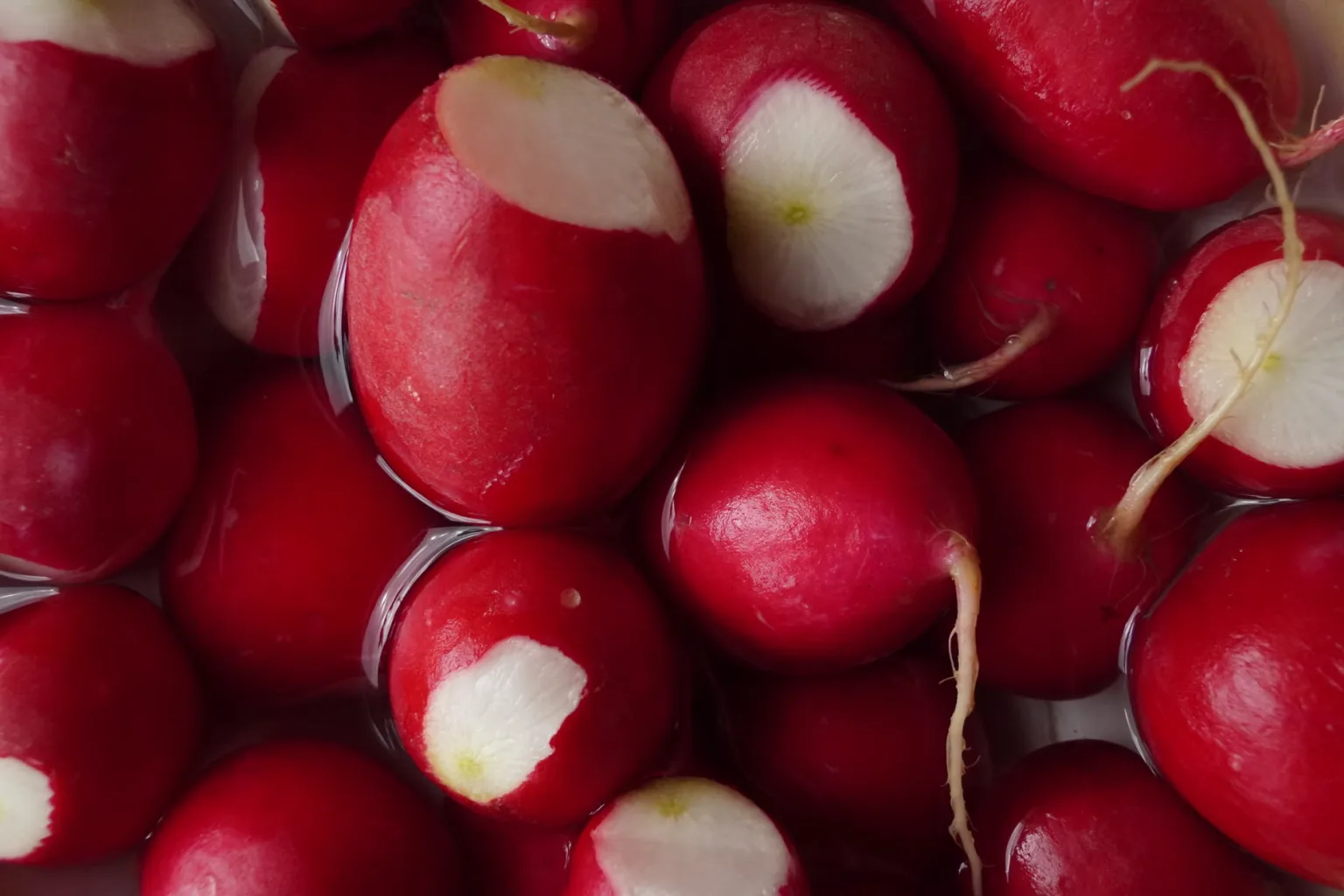
Water for soaking is not a special variety of water; it is water used as an immersion medium during food preparation. In cooking, water can also dissolve and carry soluble substances, so its composition and characteristics may influence some preparations. This profile concerns water intended for culinary use, not seawater or soaking liquids made with salt, acid, or other ingredients. The food determines whether soaking is appropriate, how long to do it, and what to do with the liquid afterward; there is no single instruction that fits every food. For fresh produce being prepared, the general safety guidance is to wash it under running water suitable for that use.
When to use it
Use it when a recipe or food-specific directions call for immersion, or when you need to rinse fresh produce before preparation. Soaking may be one step in a preparation, but the information here does not establish which foods should be soaked or provide ratios or durations. Check directions for the particular food, and do not assume that leaving it in water thoroughly cleans it, makes it safe, or preserves it. Wash fruits and vegetables under running water; rinsing can reduce some bacteria that may be present, but it does not necessarily eliminate them.
How to use it
Start with water intended for drinking or food preparation and a clean vessel. If a recipe calls for soaking, follow its food-specific directions for the ingredient, amount of water, duration, and what to do afterward; there is no universal timing that applies to every ingredient. To wash fruits and vegetables, rinse them under running water and remove damaged areas before preparing them. Do not use soap, household detergent, or commercial produce washes to wash produce. Washing can reduce bacteria, but it does not guarantee their removal. Do not reuse soaking water as though it were clean water for another food unless a safe recipe specifically says what to do with it.
Flavour and texture
Ordinary water usually contributes little flavor intensity, while mineral composition can influence the perception or result of some preparations. Water by itself does not provide a distinctive texture: any observed change depends mainly on the food and the preparation. A soak should not be assumed to improve flavor or texture in every case.
How to choose it
Choose water suitable for drinking and food preparation. Tap water can be appropriate if it is safe for that use where you live; bottled drinking water is another option. Do not choose water based on broad claims that a particular mineral profile will improve every soak: effects depend on the preparation and the food.
Storage
This profile does not establish a storage period for water or soaking liquid. Keep water intended for cooking in a clean container and avoid contaminating it with hands, utensils, or raw foods. Do not confuse emergency drinking-water storage guidance with directions for storing soaked ingredients: those depend on the food and are not specified here.
Substitutions
If a recipe calls for water for soaking, another source of water suitable for drinking—such as safe tap water or bottled drinking water—can serve the same basic role. Stock, a beverage, or another liquid is not automatically equivalent: it may change the flavor and preparation, and this profile does not validate its use with particular foods.
Common mistakes
Do not assume that every food needs soaking or that there is one correct duration for all ingredients. Do not use water unsuitable for food preparation, treat soaking as preservation, or assume water removes all microorganisms. When washing fresh produce, avoid soap and use running water.
Safety and allergens
Use water suitable for drinking and food preparation. Wash fresh produce under running water; washing can reduce bacteria but may not eliminate them. Keep produce separate from raw meat, poultry, and seafood, and clean surfaces and utensils between preparations. Follow food-specific safety directions; soaking times and temperatures are not established here.
Culinary uses
- Medio de inmersión para alimentos que se van a remojar
- Medio acuoso para enjuagar productos frescos cuando corresponda
Recommended techniques
- Inmersión
- Enjuague con agua corriente
Pairs well with
- Alimentos que una receta indica remojar
- Productos frescos que se enjuagan antes de preparar
Frequently asked questions
What water should I use to soak food?
Use water suitable for drinking and food preparation. Whether safe tap water or bottled drinking water is preferable depends on what is appropriate in your situation.
Does soaking sanitize food?
Do not treat it as sanitizing. Washing fresh produce under running water can reduce bacteria, but it does not necessarily eliminate them.
How long should food be soaked?
That depends on the food and recipe. The available evidence does not support a universal duration, so follow directions specific to the ingredient you are preparing.
Ingredient allergens
Allergen listThere are no verified associations for these ingredients yet.
Sources and review
Automatically researched, cross-checked and validated content. Sources consulted:
- Client Challenge doi.org/10.2307/j.ctvndv9t9.22
- The Essential Glossary of Cooking Terms for the Culinary Arts - Escoffier www.escoffier.edu/blog/culinary-arts/the-essential-glossary-of-cooking-terms-for-the-culinar…
- El agua como ingrediente esencial en la gastronomía: ciencia, territorio y sostenibilidad - Blog UNE www.universidad-une.com/blog/agua-en-gastronomia/
- Cómo el agua de mar realza los sabores en la cocina www.winbiaguademar.com/noticias/id9-como-el-agua-de-mar-realza-los-sabores-en-la-cocina.html
- Recipes | Institute of Culinary Education www.ice.edu/blog/all/recipes
- » El Agua es el ingrediente secreto que da sabor a tus platos www.acquajet.com/blog/97-el-agua-es-el-ingrediente-secreto-que-da-sabor-a-tus-platos/
- Water Activity and its Role in Food Preservation (March 2025) | UC Master Food Preserver ucanr.edu/program/uc-master-food-preserver-program/article/water-activity-and-its-role-food-…
- Selecting and Serving Produce Safely | FDA go.unl.edu/handlinggroceries
- Storing Water | USU extension.usu.edu/preserve-the-harvest/research/storing-water
- REUTILIZACIÓN DEL AGUA PARA EL RIEGO AGRÍCOLA EN EL NUEVO ... www.mapa.gob.es/dam/jcr:7f77af3d-cf07-4d1a-a738-c4a62abc9309/ponencia1-reutilizaciondelaguap…
- Gobierno de España - Sede Electrónica del Ministerio de Agricultura, Pesca y Alimentación sede.mapa.gob.es/portal/site/seMAPA/ficha-procedimiento?by=theme&procedure_etiqueta_pdu=null…
- Culinary Arts Management - Contra Costa College www.contracosta.edu/academics/departments/culinary-arts-management/
- Culinary Arts Training in Goodyear | West-MEC High School Program www.west-mec.edu/high-school-students/west-mec-high-school-programs/culinary-arts-high-schoo…
- Culinary Arts Programs and Degrees - Department of Hospitality and Employment Relations - IUP www.iup.edu/hospitalityelr/undergrad/culinary/index.html