- Category
- Drinks
- State
- Liquid
- Usual unit
- tablespoon
What it is
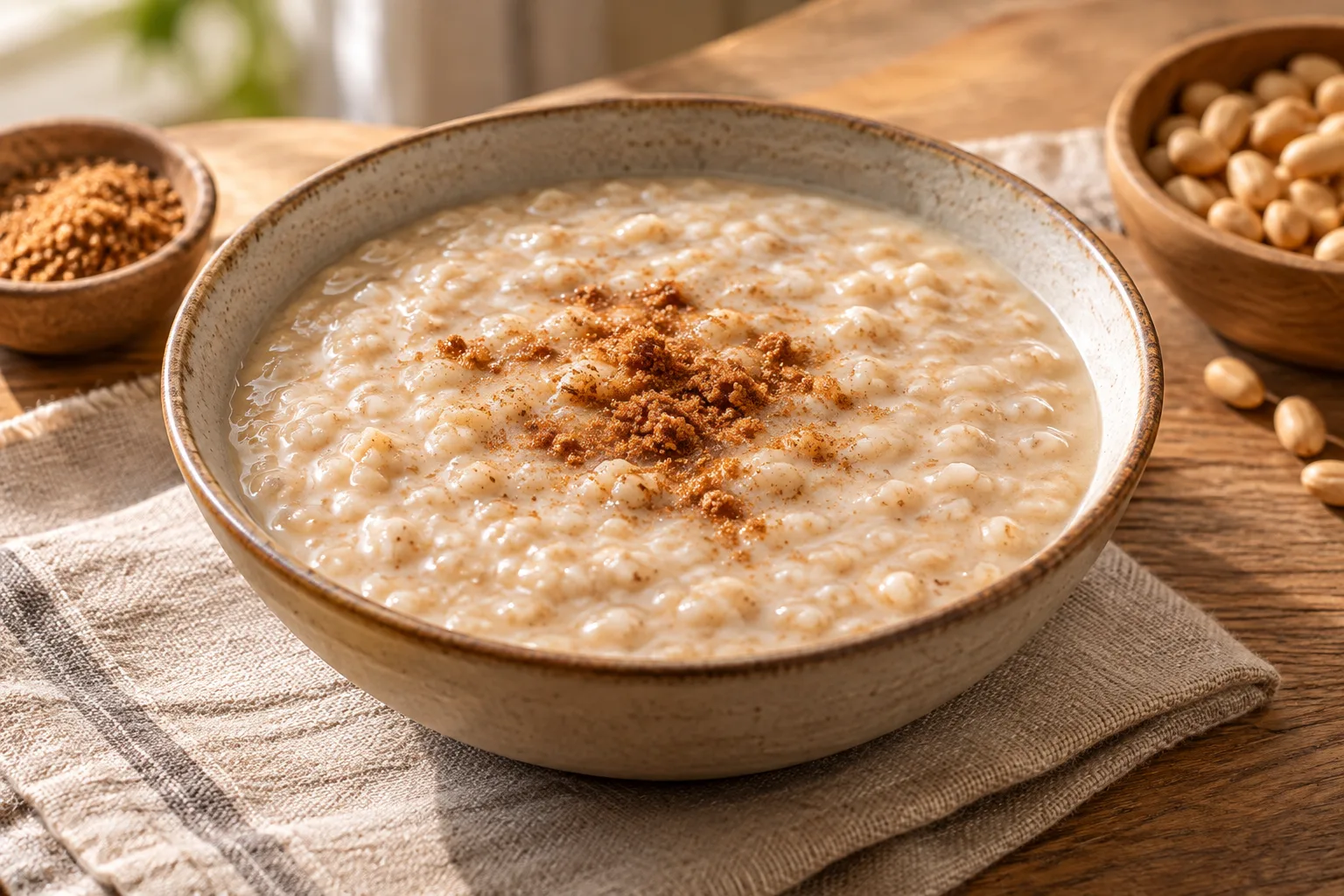
Water for millet paste means water used as the liquid ingredient when combining ground millet or other cereal ingredients into a paste or dough. In a cereal mixture, water moistens the dry ingredients and helps them come together; it does not establish a particular recipe, flavor, or fixed ratio on its own. The amount needed and the final result depend on the grind and the consistency the recipe calls for. The name does not refer to a special water product: it simply describes water added to the preparation. The available information does not specify a recipe or exact water-to-millet ratio for millet paste, so any stated quantity should be treated as specific to the recipe in which it appears.
When to use it
Use it when a millet paste or dough recipe calls for liquid to moisten and combine its ingredients. It is useful when mixing cereal flour or meal and when a mixture needs liquid to come together. Adding water gradually lets you check how the mixture changes before adding more. There is no universal amount that applies to every millet flour: the grind and desired texture affect how much liquid is needed. If a particular recipe gives a measurement, follow that instruction rather than substituting a general ratio.
How to use it
Measure the amount specified by your recipe and add it to the cereal ingredients a little at a time while mixing. Pause to check the texture before adding more; this gives you a chance to correct a dry mixture without immediately adding too much liquid. Continue mixing until the ingredients are moistened and the preparation reaches the consistency the recipe calls for. Water alone does not determine whether the paste will be firm, soft, or loose, because the grind and the proportions of the other ingredients also matter. No specific water-to-millet ratio is established here, so a fixed quantity should not be presented as suitable for every preparation.
Flavour and texture
Water itself has no pronounced flavor or solid texture. In a cereal mixture, its culinary function is to moisten the ingredients and help them combine; adding more liquid changes the consistency of the preparation. The final texture also depends on the grind, the other ingredients, and the recipe proportions. For that reason, water alone does not give every millet paste one predictable texture.
How to choose it
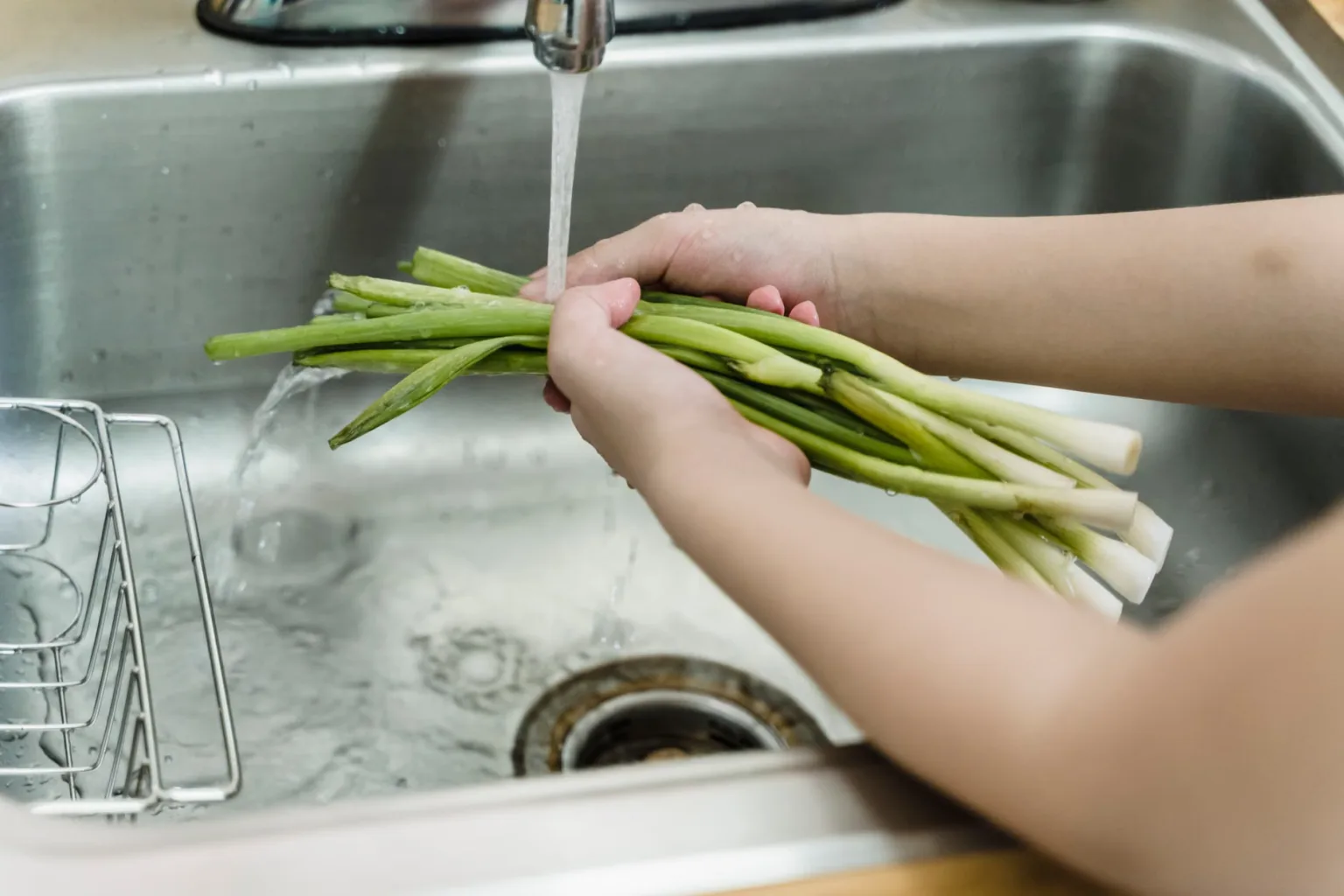
Choose water intended for drinking and suitable for consumption. No special water characteristic is established for adding it to a cereal mixture. If using bottled water, check that the package is intact and that the product is suitable for drinking. Use the measure given by the specific recipe rather than treating a standard quantity as inherent to this ingredient.
Storage
For preparation, keep water in a clean, closed container and avoid contaminating it with used utensils. Follow the package directions if you are using bottled water. No particular storage duration or special storage condition for water used in millet paste is established here; avoid assigning a specific shelf life without information about the product and its packaging.
Substitutions
You can replace it with another source of water suitable for drinking, such as potable water from another source or still bottled water. This changes the water source, not its basic role in moistening the ingredients. The available information does not support recommending a non-water substitute or setting a different volume conversion; retain the recipe's measurement and adjust only if its instructions allow.
Common mistakes
Do not add more water at once than the recipe calls for, since the mixture may end up with a different consistency than intended. Do not assume that every millet flour or paste uses one universal ratio. Mix gradually, check the mixture, and keep the grind and the recipe's desired result in mind before changing the amount.
Safety and allergens
No ingredient-specific warning is established here. Use water suitable for drinking and avoid contaminating it during handling; follow the package directions for bottled water.
Culinary uses
- Liquid for moistening cereal flour and forming a mixture or paste
- Adjusts the consistency of a grain-based mixture
Recommended techniques
- Gradually mix into flour or grain ingredients
- Stir until the mixture reaches the intended consistency
Pairs well with
- Millet flour or meal
- Other cereal flours and semolina
Frequently asked questions
How much water does millet paste need?
There is no universal amount established. Follow the measurement in the particular recipe, since liquid needs depend on the ingredients and the desired consistency.
Can I add all the water at once?
It is easier to control the consistency if you add it gradually while mixing. Check the mixture before adding more.
Does water change the flavor of millet paste?
Water itself has no pronounced flavor. Its main role in the mixture is to moisten the ingredients; the flavor depends on the preparation as a whole.
Ingredient allergens
Allergen listThere are no verified associations for these ingredients yet.
Sources and review
Automatically researched, cross-checked and validated content. Sources consulted:
- Pasta - Wikipedia, la enciclopedia libre es.wikipedia.org/wiki/Pasta
- Los alimentos como medicina: la dieta antiinflamatoria | Children's Hospital of Philadelphia www.chop.edu/health-resources/food-medicine-anti-inflammatory-diet/es
- ¿Qué es más efectivo para reducir el consumo de agua, la concienciación o un incremento de las tarifas? doi.org/10.64628/aao.56cdfwcqt
- Qué es eso llamado epistemología, para qué sirve, por qué es inexcusable para la universidad y para la paz | Reencuentro. Análisis de problemas universitarios doi.org/10.24275/uamxoc-dcsh/reencuentro/202386-14
- Historia de la gastronomía de España - Wikipedia, la enciclopedia libre es.wikipedia.org/wiki/Historia_de_la_gastronom%C3%ADa_de_Espa%C3%B1a
- Orientaciones para la elaboración de menús saludables y ... www.aesan.gob.es/dam/jcr:5740aa5f-977f-42b9-ac3e-44253d1885b1/ORIENTACIONES_MAYORES.pdf
- Elaboración de pastas artesanales con ocho tipos de harinas y su aplicación en nuevas recetas | OpenAlex openalex.org/W2197804739
- Todo lo que debes saber para preparar miso casero (y una receta) | Gastronosfera www.gastronosfera.com/tendencias/todo-lo-que-debes-saber-para-preparar-miso-casero-y-una-rec…
- Cómo utilizar el miso con éxito - Kenshô www.kenshosake.com/como-utilizar-el-miso-con-exito/
- - YouTube www.google.com/goto?url=CAESZgHrOzAVipnGRj0GXoIVzA6zi2_GVKkjrVY5uIwHuclTecjqgGluo7nbfuINMLX2…