- Category
- Herbs and spices
- State
- Fresh
- Usual unit
- unit
What it is
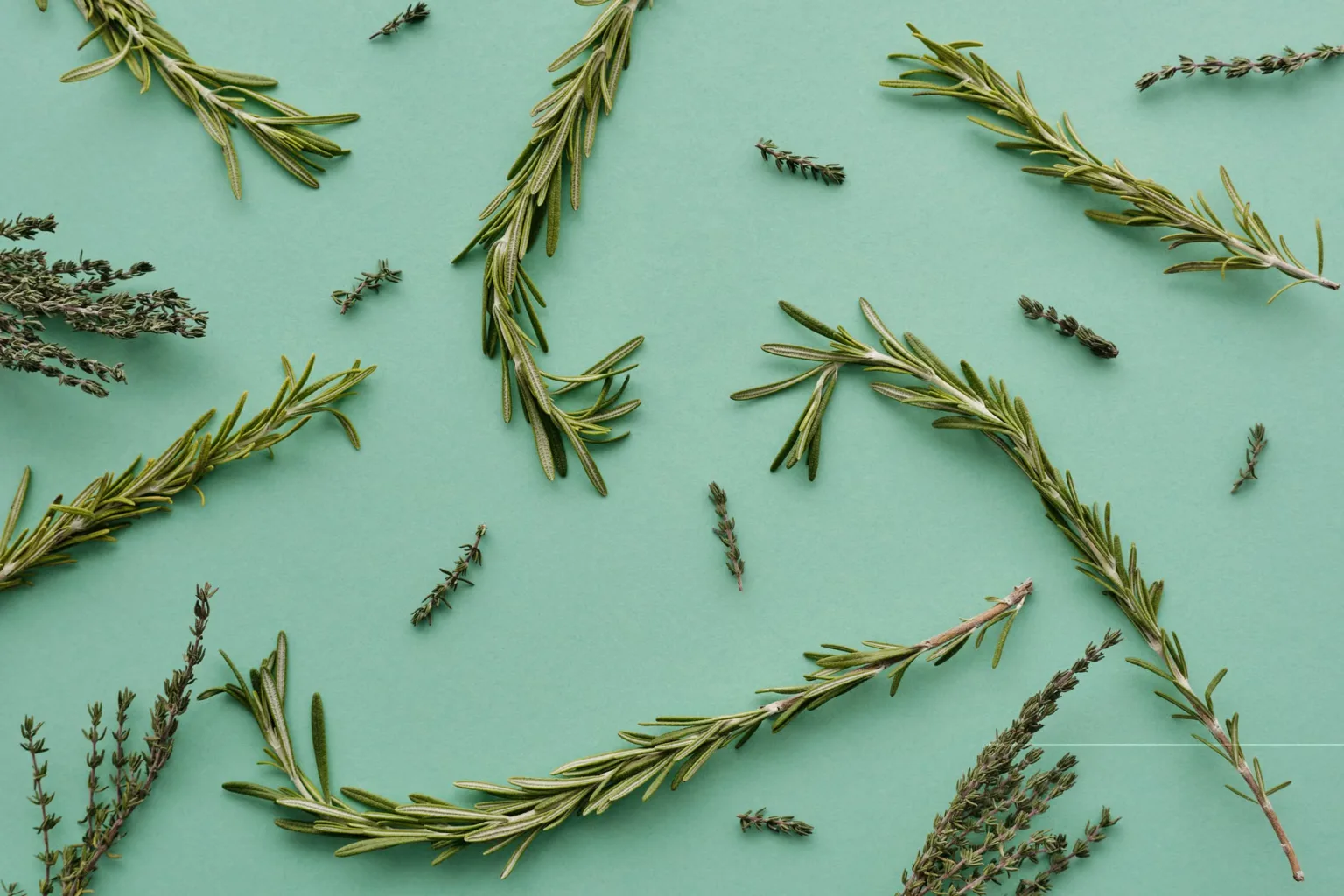
West Indian thyme is the common name used for this herb, but the name alone does not confirm a botanical species or a specific flavor profile. The culinary descriptions available refer to thyme in general, not specifically to the West Indian variety. If the product you have is sold as a culinary thyme herb, you can use its fresh leaves to flavor savory dishes and complement other ingredients. Thyme is used fresh or dried in different preparations, while this profile focuses on the fresh form. Intensity can vary between products, so taste a small amount and let the particular bunch guide how much you use. As a starting point, it can be added to stews, broths, sauces, marinades and cooked vegetables.
When to use it
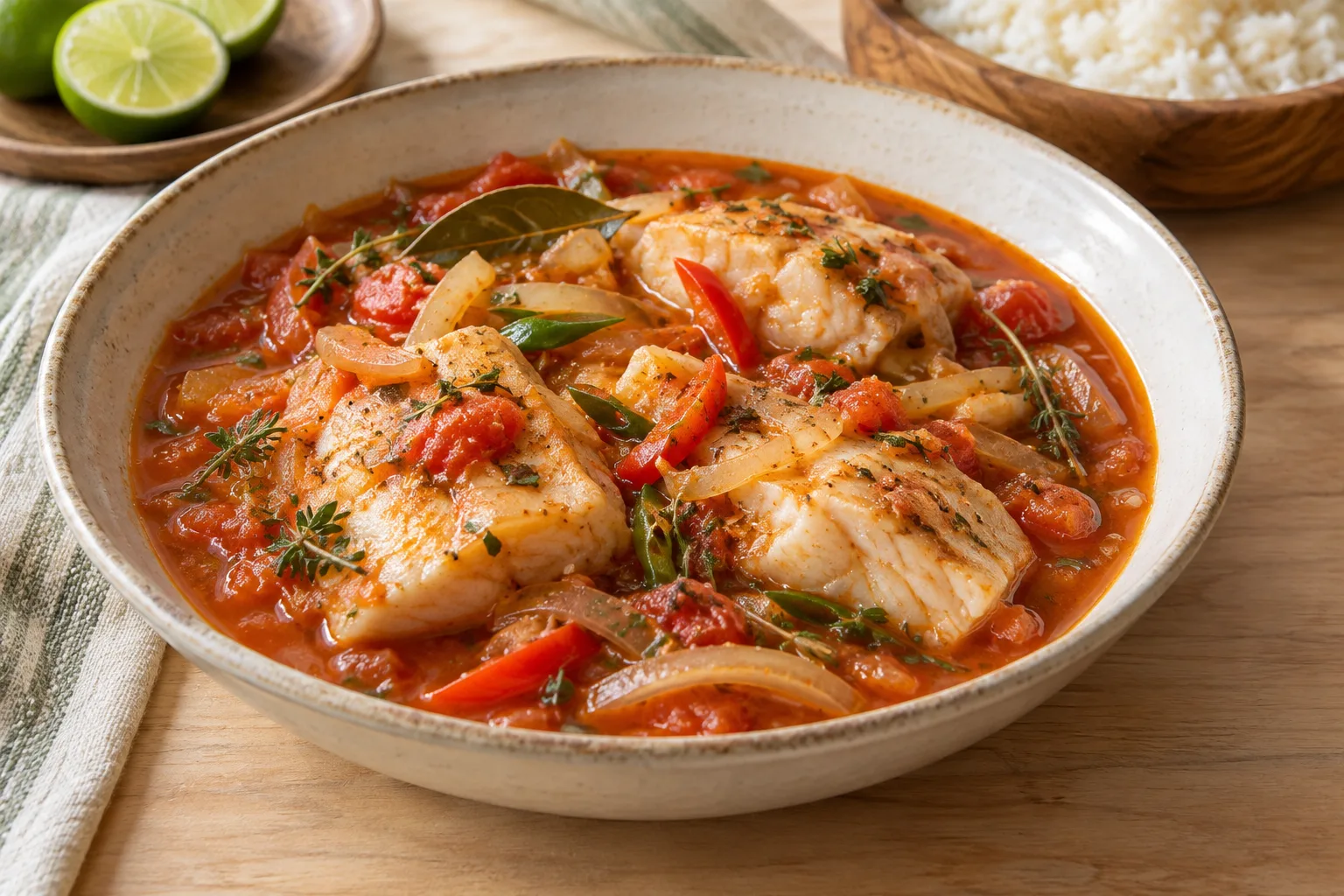
Use it when you want to add an herbal note to a savory preparation and the product you have is a culinary thyme herb. It can go into stews, broths, sauces and marinades, or be paired with vegetables, poultry, meat and fish. In quick-cooking dishes, add a little and taste before adding more; in longer cooking, the aroma has more time to mingle with the other ingredients. If you do not know how strong the bunch is, start cautiously: aroma can vary between products, and the herb should not overwhelm the whole dish.
How to use it
Rinse the fresh herb and dry it carefully. Strip off the leaves if you want a finer texture, or add a sprig to the dish and remove it before serving if you do not want stems in the finished food. Chop the leaves just before use and begin with a small amount; taste the dish and add more only if needed. Add it to marinades and sauces, or stir it into stews, broths and vegetables as they cook. It can also accompany poultry, meat and fish. During longer cooking, let the aroma blend in gradually; for quick preparations, use a moderate amount so it does not mask the other flavors. Adjust the quantity to the strength of the herb you have.
Flavour and texture
Culinary descriptions of thyme in general refer to a pronounced aroma and pungent flavor, but they do not establish that every product sold as West Indian thyme has the same profile. If the product is a culinary thyme herb, its fresh leaves can add an aromatic note to savory dishes. Chopped leaves leave small green flecks, while whole stems may be noticeable if left in the preparation. Taste a little first to gauge the strength of your bunch before seasoning the entire dish.
How to choose it
Choose a fresh bunch with leaves that look intact and show no obvious deterioration. If possible, smell it before buying; the strength of the aroma can help you decide how much to use. The common name alone does not establish a precise botanical species, so check the product label if you need that identification. Avoid buying more than you can use while it still looks and smells fresh.
Storage
Keep the fresh herb refrigerated and aim to use it while the leaves retain a good appearance and aroma. If you wash it before storing, dry it carefully and check the bunch before each use. Culinary descriptions also discuss dried thyme, but this profile covers the fresh form and does not specify a preservation method or storage period for this product. Discard parts that show obvious deterioration.
Substitutions
Common thyme may be an option if you want to keep a thyme-like herbal profile, though an identical result cannot be guaranteed. Rosemary is also described as an aromatic herb that pairs with thyme, but it is not an exact substitute: use it only if you enjoy its distinct character. In either case, start with a small amount and taste before adjusting.
Common mistakes
Adding too much at the beginning can let the herb dominate the dish, especially if you do not yet know how strong the bunch is. Another mistake is leaving whole stems in a preparation where you want a delicate texture, or adding more without tasting first. Chop or strip the herb to suit the texture you want, and adjust the amount gradually.
Safety and allergens
Use the herb as a culinary seasoning and follow usual hygiene practices when handling fresh foods. Do not treat it as a medical remedy.
Culinary uses
- Hierba aromática para sazonar
- Aromatizante para cocciones y marinadas
Recommended techniques
- Picar o deshojar y añadir a la preparación
- Incorporar a guisos y cocciones prolongadas
Pairs well with
- Ajo y cebolla
- Verduras, aves, carnes, pescado y salsas
Frequently asked questions
Can I use it fresh?
Yes. This profile covers the fresh form. Strip and chop the leaves, or add a sprig during cooking and remove it before serving.
What dishes can I use it in?
If it is a culinary thyme herb, it can flavor stews, broths, sauces, marinades and vegetables, and accompany poultry, meat or fish. Start with a small amount and taste the dish.
Can I substitute rosemary?
Rosemary is another aromatic herb that pairs with thyme, but its flavor is not identical. Use it only if you like the character it brings, and adjust the amount gradually.
Ingredient allergens
Allergen listThere are no verified associations for these ingredients yet.
Sources and review
Automatically researched, cross-checked and validated content. Sources consulted:
- Client Challenge doi.org/10.2307/jj.27939689.16
- Gastronomía de Costa Rica - Wikipedia, la enciclopedia libre es.wikipedia.org/wiki/Gastronom%C3%ADa_de_Costa_Rica
- Maridajes poco habituales perfectos para winelovers - CestaShop cestashop.com/blog/maridajes-poco-habituales/
- Técnicas de maridaje de vinos - Bodegas Heredad Linares heredadlinares.com/blog/tecnicas-de-maridaje-de-vinos
- Elementos del maridaje. La textura. – Terroaristas, el Blog del VINO terroaristas.com/elementos-del-maridaje-la-textura/
- Tomillo- Gastronomía - Región de Murcia Digital www.regmurcia.com/servlet/s.Sl?r=ReP-19739-DETALLE_REPORTAJESPADRE&sit=c%2C543%2Cm%2C2719
- El tomillo como especia | El Huerto Urbano www.elhuertourbano.net/el-tomillo-como-especia/
- ¿Cómo usar el tomillo en la cocina? - Blog de La Parada de las Especias comprarespecias.net/blog/como-usar-el-tomillo/?srsltid=AYCX9vIbZn8Tm5UCksCrZnTJhYOMt4QenMZCl…
- Tomillo limón | Gastronomía & Cía www.gastronomiaycia.com/tomillo-limon/
- Tomillo: para qué sirve, propiedades y beneficios bonviveur.com/es/noticias/tomillo
- Tomillo – Viveros la Dama viverosladama.com/blog/?p=272
- Propiedades del tomillo en la cocina – Botanical-online www.botanical-online.com/alimentos/tomillo-propiedades-alimentarias
- Cómo encontrar un maridaje que de verdad funcione www.tierradesabor.es/blog/maridaje-vinos-castilla-y-leon