- Category
- Fish and seafood
- State
- Fresh
- Usual unit
- unit
What it is
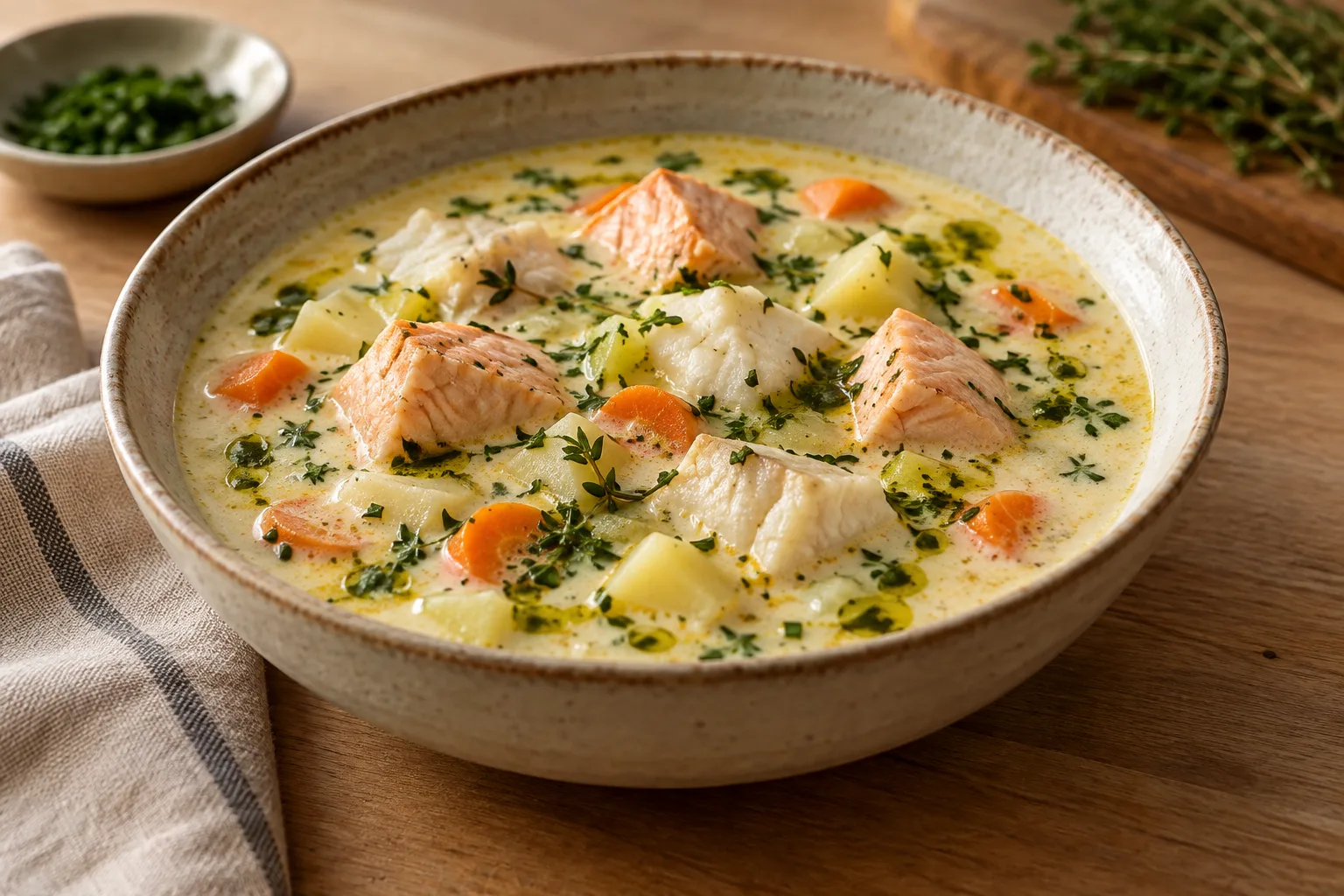
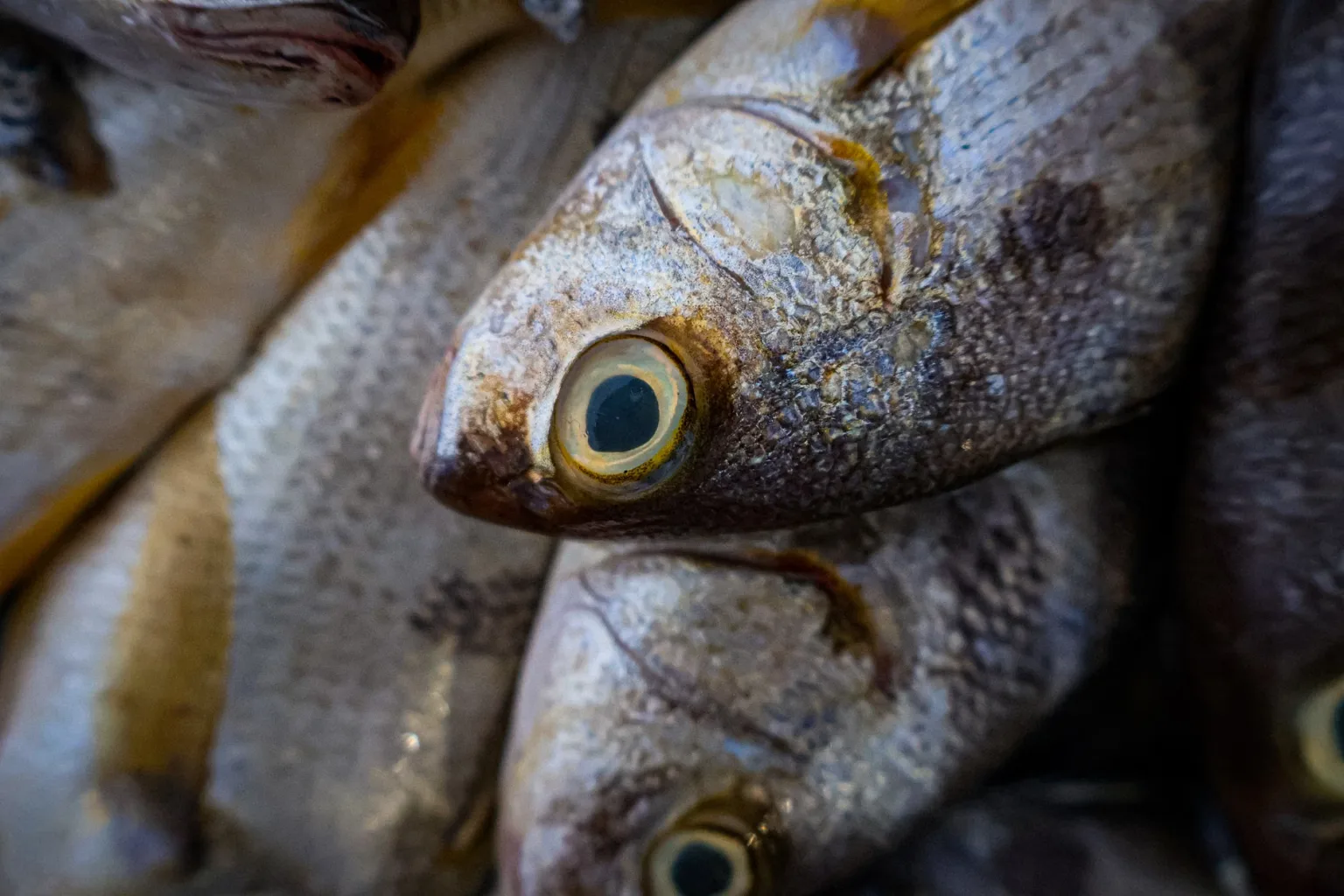
White fish heads and bones are trimmings left after filleting or portioning fish. They are mainly used to extract flavor into a fish stock or fumet; they are not boneless fish portions and are not used like a fillet. Hake, monkfish, and turbot are examples of white fish used for this kind of stock. The pieces are simmered with water and often aromatic vegetables, then the liquid is strained to remove bones and other solids. That liquid can form a base for soups, rice dishes, seafood stews, and sauces. Its flavor and strength vary with the fish and the preparation, so there is no single fixed formula for every stock or fumet. Keep the raw trimmings cold until you are ready to cook them, and take care to strain the finished liquid thoroughly.
When to use it
Use these trimmings when you want to draw fish flavor into a liquid base rather than discard them. They suit stock or fumet intended for soups, rice dishes, stews, or sauces. Pair them with mild aromatics such as leek, carrot, celery, parsley, or bay leaf to complement the fish. If you need a ready-to-use base and are not making a pot of stock, prepared fish stock or fumet can serve a similar purpose. Keep the trimmings cold until cooking, and do not use them if their handling or condition gives you reason for concern.
How to use it
Rinse the heads and bones in cold water to remove visible blood and debris. Put them in a pot with water and, if desired, aromatic vegetables such as leek, carrot, and celery; parsley or bay leaf can also be used. Bring the liquid to a gentle simmer and skim surface foam when it appears. Avoid leaving the bones to cook for longer than needed: fish-stock recipes call for relatively brief cooking and warn that overcooking can produce unpleasant flavors. When finished, strain carefully to separate the liquid from all bones and solids. Use the stock in soups, rice dishes, stews, or sauces, and season the finished dish to taste. Handle raw trimmings with clean hands, utensils, and surfaces, and keep them separate from cooked food.
Flavour and texture
The heads and bones contribute fish flavor to stock or fumet as they simmer. Strength varies with the fish and the balance of water and aromatics, so every batch will not taste exactly the same. The cooked pieces contain bones and other solids; strain the liquid before serving it or using it as a recipe base.
How to choose it
Ask the fishmonger for heads and bones from white fish that are suitable for cooking, and ask which fish they came from if that matters for your dish. Choose trimmings that have been kept cold and look fresh; the quality of the raw material affects the resulting stock. If you will not cook them soon, wrap and freeze them rather than leaving them at room temperature.
Storage
Keep fish heads and bones cold, on ice or in the refrigerator, and cook them as soon as possible. If you cannot prepare them soon, wrap and freeze them. Wash hands, utensils, and work surfaces after handling raw fish, and prevent raw trimmings or their juices from contacting cooked food. No fixed storage duration is specified here.
Substitutions
Use heads and bones from another mild white fish as a substitute when making a fish base. If fresh trimmings are unavailable, prepared fish stock or fumet can stand in; adjust the amount to suit the recipe. The flavor strength may differ, so the result will not be identical to stock made from fresh pieces.
Common mistakes
Do not boil the heads and bones vigorously or cook them longer than necessary; overcooking can produce unpleasant flavors. Do not skip straining, which removes bones and solids, and keep raw trimmings and their juices away from cooked foods.
Safety and allergens
Keep fish cold, on ice or refrigerated, and handle it with clean hands, utensils, and surfaces. Keep raw fish separate from cooked food. If you cannot prepare the trimmings soon, wrap and freeze them.
Culinary uses
- Base for fish stock or fumet
- Flavoring for soups, rice dishes, stews and sauces
Recommended techniques
- Rinse and simmer gently in water with aromatic vegetables, then strain
- Keep the simmer controlled and skim surface foam as needed
Pairs well with
- Leek, carrot and celery
- Parsley and bay leaf
Frequently asked questions
What are white fish heads and bones used for?
They are mainly used to make fish stock or fumet, which can be a base for soups, rice dishes, stews, and sauces.
Which vegetables go well in fish stock?
Leek, carrot, and celery are suitable aromatics; parsley or bay leaf can also complement the fish.
Can I save the bones for another day?
Keep them cold and cook them as soon as possible. If you will not use them soon, wrap and freeze them; no specific storage duration is given here.
Ingredient allergens
Allergen listDocumented presence
-
Fish
White fish head and bones
Sources and review
Automatically researched, cross-checked and validated content. Sources consulted:
- ¿Por qué la muerte es origen de miedos y tabúes? doi.org/10.64628/aao.fccyk3qj3
- Fumet de pescado: qué es y cómo se hace - Recetas de Miriam García / El invitado de invierno invitadoinvierno.com/fumet-pescado-como-se-hace/
- Pescado archive.lib.msu.edu/DMC/extension_publications/e1563/e1563.pdf
- ¿Caldo de pescado o fumet? - by Gastronomía y Cía A Bocados margavilan.substack.com/p/caldo-de-pescado-o-fumet-quien-es
- Canning seafood | Servicio de Extensión de OSU extension.oregonstate.edu/es/catalog/pnw-194-canning-seafood
- Como cortar el pescado en filete sites.nicholas.duke.edu/superfundcec/files/2021/09/cec-brochure-ES_091421.pdf
- El bagre es delicioso y nutritivo srac.msstate.edu/pdfs/Fact%20Sheets/501A%20El%20bagre%20es%20delicioso%20y%20nutritivo.pdf
- Peces Costeros del Pacífico Oriental, Sistema de Información en línea - The Fishes - Species biogeodb.stri.si.edu/sftep/es/thefishes/species/5485
- CruzCruz2.pdf - AgEcon Search ageconsearch.umn.edu/record/353046/files/CruzCruz2.pdf
- Cómo aprovechar las espinas y la cabeza del pescado - Recetas La Masía www.recetaslamasia.es/como-aprovechar-las-espinas-y-las-cabezas-del-pescado/
- Receta de caldo de pescado o fumet cooking.elmundo.es/recetas/receta-caldo-pescado.html
- Allergies - Food Safety - European Commission food.ec.europa.eu/food-safety/campaign-2026/allergies_en