Documentary synthesis prepared with AI assistance. It does not replace specialist review or certify kitchen testing. · Updated 31 October 2026
An island cuisine shaped by many communities
Réunion lies in the Indian Ocean, east of Madagascar and near Mauritius. Its cooking reflects the island’s diverse population and the culinary traditions brought by French, Chinese, Malagasy, Mauritian, Indian and East African communities. These influences are not simply separate cuisines placed side by side: familiar ingredients and preparations have been adapted and shared, while households continue to shape dishes according to their own preferences.
A meal often has a recognisable structure: rice and grains (legumes) accompany a sauced main dish, with vegetables, leafy greens or a spicy relish alongside. The meal may begin with small snacks such as samoussas, bouchons or bonbons piments. The name rougail can refer to a cooked dish, including sausage with tomato, or to a relish served separately. These different uses help explain why a single list of famous dishes cannot stand for every table on the island.
Meat, fish and seafood appear alongside vegetables and local produce. Chicken cari and rougail saucisse are widely recognised, but so are preparations with octopus, goat, prawns, chayote and palm heart. Rice, accompaniments and condiments make a meal adaptable: a shared pot or platter can be seasoned at the table, rather than every component carrying the same level of heat.
Migration, exchange and a changing repertoire
Réunion’s culinary history is bound up with successive arrivals and settlement on the island. French, Chinese, Malagasy, Mauritian, Indian and East African traditions are all documented as part of its food culture. Their presence is visible in the range of ingredients and cooking methods: spiced stews, fried filled pastries and steamed dumplings sit within the same broad repertoire. The result is a shared Creole cuisine, not a set of dishes that can each be assigned neatly to one community.
Indian influences are especially apparent in massalé, a spice mixture used in dishes such as cabri massalé, a goat preparation. Its ingredients and proportions vary; examples include coriander, cumin, cardamom, nutmeg, cloves, cinnamon and chilli. Chinese-influenced cooking is associated with bouchons and with bol renversé, a bowl-shaped serving of rice with sautéed ingredients that is turned out for presentation. Réunionese samoussas, adapted from an Indian snack, likewise take a variety of local fillings.
One account of the island’s food history describes Hindu people arriving from the Pondicherry region in the seventeenth century under conditions of enslavement and remaining on Réunion after slavery was abolished. This is one strand in a much wider and unequal history of migration and settlement. It should not be taken as the sole explanation for the island’s Creole cuisine, nor as proof that any one preparation belongs exclusively to one community. Recipes have continued to change through household practice and exchange.
A pantry of aromatics, grains and local produce
A familiar aromatic base for cari combines onion, garlic, tomato, ginger and thyme with turmeric, known locally in some contexts as safran péi. Oil, salt and pepper help build the sauce; chilli may be cooked into a dish or served separately. Massalé offers another, variable blend of spices. These ingredients season chicken, pork, goat, fish, prawns and octopus, among other main ingredients, and the exact mix differs between recipes and households.
Rice is a central accompaniment, commonly served with grains: legumes such as beans and lentils. The lentils of Cilaos are a particularly noted local product. Green vegetables also have a place: brèdes is a broad name for leafy greens, while chouchou refers to chayote, used in cooked dishes and gratins. Achards bring vegetables together with an aromatic, tangy dressing; examples include cabbage, carrots, green beans and peppers.
Other ingredients bring different textures and occasions to the table. Palm heart can be served raw in a salad or cooked. Bichiques, small river fish fry, are described as a prized food that is not available throughout the year. Seasonal fruit includes lychees and mangoes. Coconut and vanilla feature in sweet preparations, and sugar cane is associated with local sweet products and rum. This pantry supports both substantial rice-based meals and snacks, relishes and afternoon treats.
Warm spice, fresh relishes and contrasting textures
In many caris, turmeric gives the sauce its colour, while onion, garlic, ginger, tomato and thyme provide a fragrant foundation. The sauce may be generous enough to mix through rice, or reduced to a thicker consistency. Chilli is important to the island’s cooking, but it need not dominate every dish: a separate relish allows each person to add heat to taste. A meal can therefore balance a mellow, aromatic main dish with a sharp, much hotter condiment.
Texture adds another kind of contrast. A samoussa is a crisp, fried parcel around a filling; a bouchon is a soft, filled bite cooked by steaming. Bonbons piments are small fritters made from a legume-based mixture with spices. These snacks can be served before a main meal or bought from food stalls. They are distinct from the rice, legumes and vegetables that make up the centre of a meal, but can share the same table or eating occasion.
Vegetable accompaniments bring freshness and acidity. Achards combine cut vegetables with spices and a tangy dressing; green mango can also appear as a relish. Palm-heart salad offers a different, fresh preparation, while slow-cooked stews have the softer texture of meat and vegetables held in sauce. Sweet flavours are not confined to a plated dessert: coconut, vanilla, sweet potato and seasonal fruit appear in cakes, treats and drinks, often at different moments from the main meal.
Family cooking, snacks and festive foods
Family meals and picnics are documented occasions for sharing dishes such as rougail saucisse, rice and legumes. Some households cook together, and recipes are passed between generations, but there is no single fixed version of cari or massalé. One family’s seasoning, sauce or balance of ingredients may differ from another’s. That variety is part of how a shared culinary repertoire remains in everyday use, rather than a reason to treat one household recipe as a universal standard.
Small savoury foods are an important part of the island’s eating culture. Samoussas, bouchons and bonbons piments are common aperitif snacks and are also sold by food trucks and snack bars. In some towns, people gather near mobile stalls in the evening, eating at simple tables. This informal street-food setting differs from a home meal or picnic, but each provides a way to eat in company. Fillings for samoussas vary and may include meat, fish, vegetables or cheese.
Some foods are associated with particular seasons or occasions, without defining a calendar shared by every household. Bichiques are prized and seasonally available, and are described as food for festive meals. Lychees are associated with the Christmas season. Sweets are often eaten in the afternoon, with fruit more commonly bringing a meal to a close. These patterns coexist with ordinary daily meals and household variations; they should not be mistaken for rules observed uniformly across the island.
Browning, simmering, frying and steaming
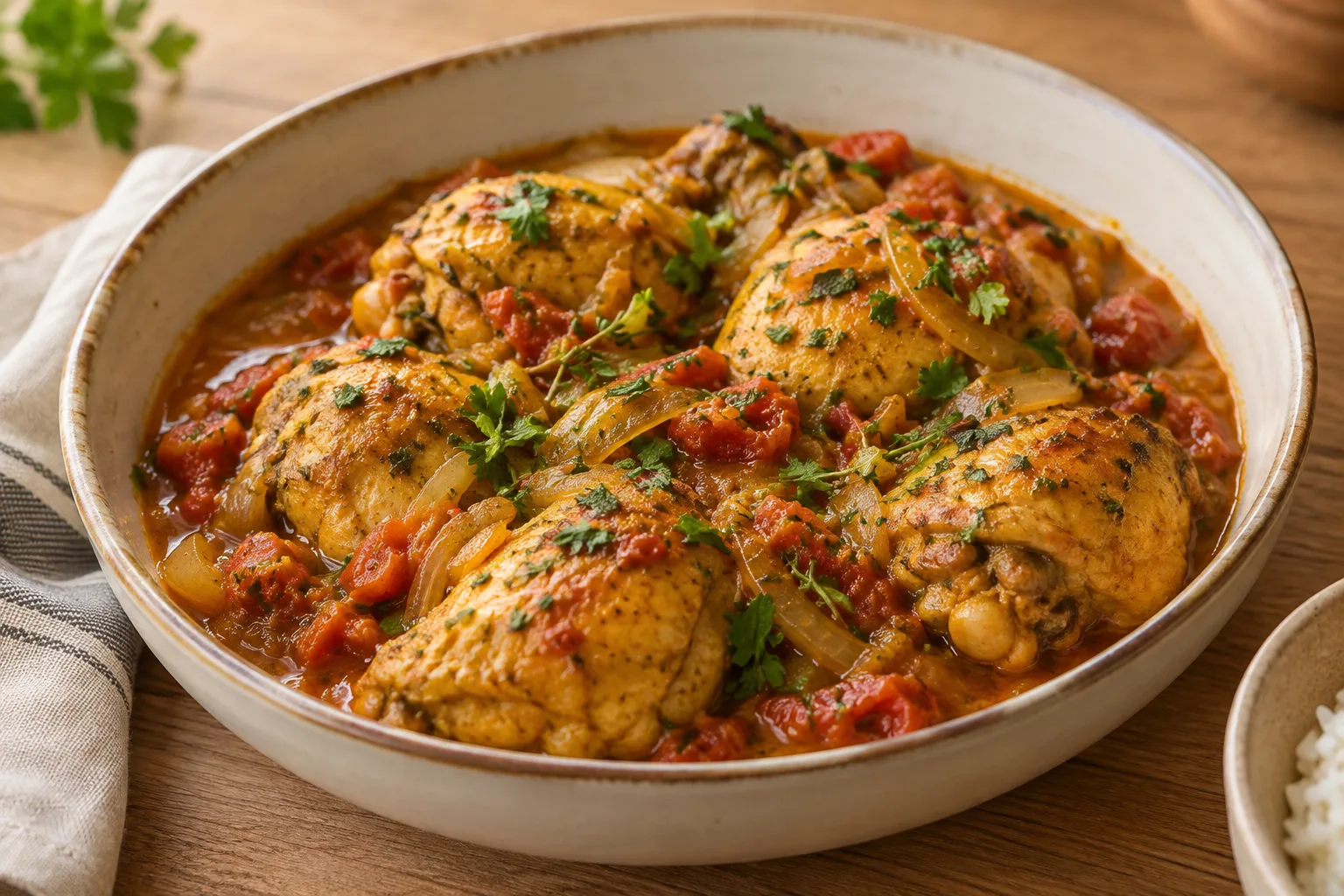
A documented method for chicken cari begins by browning the chicken pieces in hot oil. Onion is added, followed by crushed garlic, ginger, salt and pepper; tomato, thyme and turmeric then join the pot. Water is added and the dish simmers until the chicken is cooked and a sauce remains. The amount of liquid and the final consistency vary: the sauce is intended to accompany rice, but it need not be either very thin or fully reduced. Fish and other ingredients call for attention to their different cooking times.
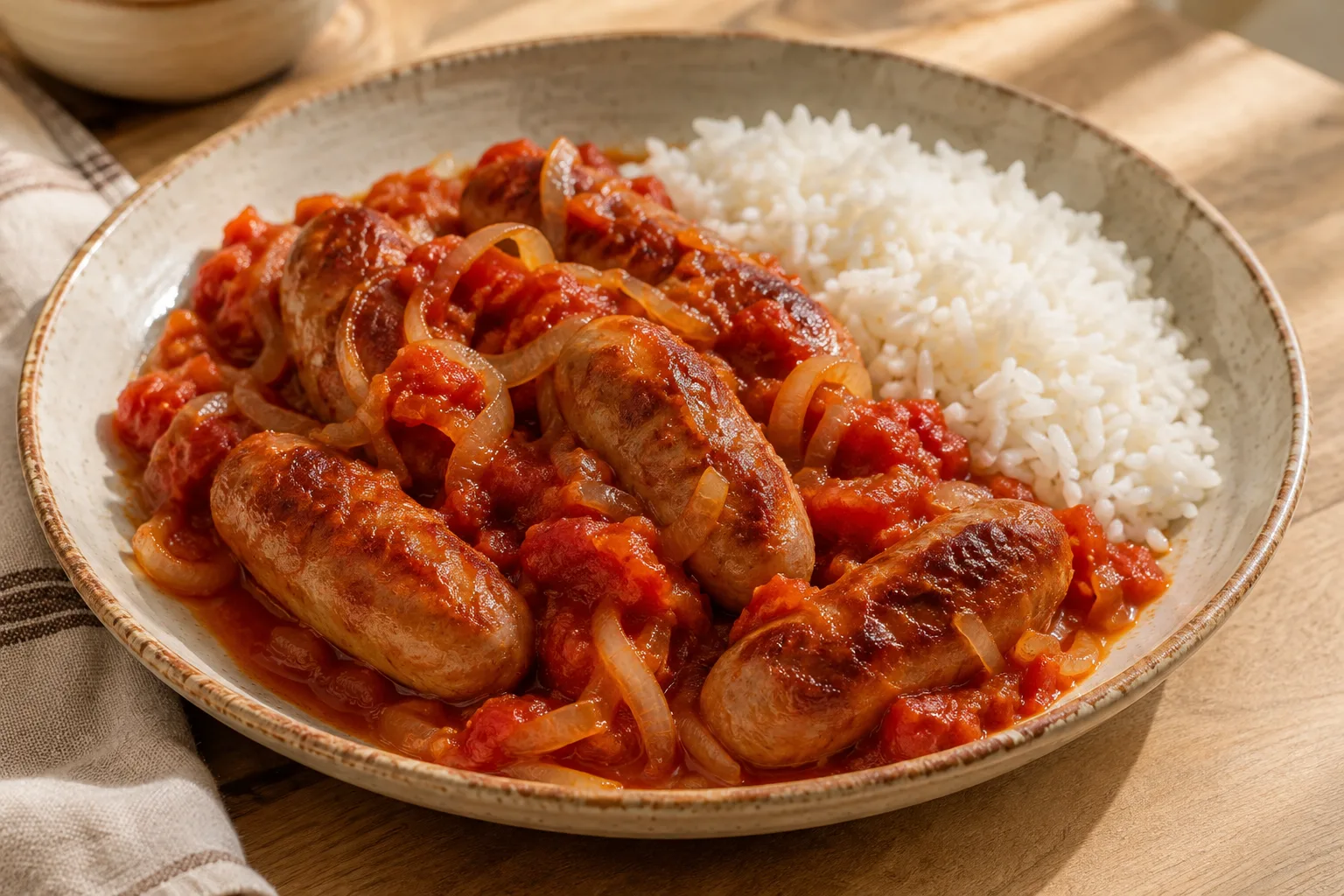
For rougail saucisse, some recipes first boil the sausages, particularly when they are salty, before cooking them with onion and tomato. The mixture is then cooked until the ingredients soften and the sauce thickens. This is a useful description of documented methods, not a rule that resolves every difference between cari and rougail: the words cover varied dishes, and the preparation of the main ingredient can differ.
Other techniques give snacks their characteristic forms. Samoussas are filled, folded and fried; bonbons piments are shaped from a seasoned legume mixture and deep-fried. Bouchons are wrapped in dough and steamed. Vegetables for achards are cut and dressed with spices and vinegar, sometimes briefly heated as part of preparation. These methods—from simmering a main dish to folding or steaming a small bite—support very different textures and occasions.
Rice, accompaniments and ways of sharing
A common meal arrangement centres on white rice, a serving of grains and a main dish with sauce. Beans or lentils accompany the rice; brèdes, other cooked vegetables, achards or a tomato relish can add contrasting flavours. A chilli condiment may be placed in a small dish and passed around, so diners can decide how much heat to add. The components can be brought together on the plate, but they remain distinct enough for each person to adjust the balance.
Rougail saucisse is often served with rice and beans, while a cari may be paired with rice and different legumes. Cilaos lentils are one notable local accompaniment. Fish and seafood dishes, too, are served within this broader pattern of rice, legumes and vegetables. There is no single side dish that belongs to every main course, and the composition of a meal depends on the household and the ingredients being cooked.
Meals are shared at home and outdoors, including at picnics; food stalls offer another setting for eating together. Snacks may be taken as an aperitif or bought for an informal bite. Drinks documented in island food culture include tamarind syrup, punch and rhum arrangé, rum infused with fruit or other aromatics; local beer is also mentioned with snacks. Afternoon sweets and seasonal fruit can extend the day’s eating beyond the main meal, with each serving suited to a different occasion.
A guide to Réunionese food words
Local terms can name a main dish, an ingredient or an accompaniment, and the same word may have more than one use. Rougail, for example, can describe a cooked sausage dish or a relish served beside another dish. The definitions below describe documented preparations and common uses, while leaving room for household and regional variation.
- Cari: A spiced, sauced dish made with ingredients such as chicken, fish or prawns; often served with rice and legumes.
- Rougail saucisse: Sausage cooked with tomato and onion, commonly accompanied by rice and beans.
- Massalé: A spice mixture with variable composition, used in preparations such as cabri massalé, a goat dish.
- Samoussa: A small filled pastry, folded into a parcel and fried; fillings vary.
- Bouchon: A filled bite wrapped in dough and steamed, often served as a snack.
- Bonbon piment: A small, seasoned legume fritter, deep-fried and often served as an aperitif.
- Achards: A spiced vegetable preparation with a tangy dressing, served as an accompaniment.
- Brèdes: A general term for leafy greens used in cooked dishes or as a side.
- Grains: Legumes served with rice, including beans and lentils.
- Chouchou: Chayote, a vegetable used in cooked preparations such as gratin.
One country, many cuisines
Cilaos
Cilaos is particularly associated with its locally grown lentils, which are served with rice and substantial dishes such as sausage preparations. The lentils are recognised as a product of this mountain area and may also be taken home as a local speciality. This documented association supports naming Cilaos as a distinct food-producing place; it does not imply that Réunion’s wider culinary life can be divided into equivalent regional cuisines.
Cook