Documentary synthesis prepared with AI assistance. It does not replace specialist review or certify kitchen testing. · Updated 31 October 2026
Landscapes and a varied food culture
Romanian food is best understood as a broad collection of regional and household practices, not as a single menu followed everywhere. The Carpathian Mountains, hills, fields, river corridors, and Black Sea coast create varied settings for farming, grazing, fishing, and food exchange. These landscapes are part of the context for a repertoire that includes cornmeal, wheat, vegetables, meat, dairy, and freshwater fish. The ingredients and dishes found in one place may differ from those of another, and familiar preparations often have several local forms.
A meal may include soup, a cooked main dish, bread or mămăligă, and preserved or fresh accompaniments. Sour soups called ciorbă are one recognizable part of the food vocabulary, but they are not all alike: meat, vegetables, herbs, and the source of acidity vary. Cornmeal porridge or polenta can be served soft or firm, as an accompaniment or a substantial dish with cheese and dairy. Cabbage, beans, peppers, potatoes, onions, tomatoes, mushrooms, and seasonal fruit also feature in documented home cooking.
Pork is prominent in many preparations, including smoked meats, stews, and holiday foods, but Romanian cuisine is not exclusively meat-based. Sources also describe vegetable soups, bean spreads, vegetable preserves, fish dishes, and meat-free versions of stuffed cabbage. Sheep’s-milk cheeses and other dairy products are part of meals in pastoral and rural settings, while baking draws on fruit, curd cheese, honey, nuts, poppy seeds, wheat, and cornmeal.
Food is closely associated with home and family, with cooking that ranges from straightforward weekday meals to time-consuming dishes for holidays and gatherings. Variation is central: a shared dish name does not guarantee one filling, size, seasoning, or serving style. The foodways described here bring together concrete dishes and practices without assigning them a single origin or claiming that every household shares the same customs.
Exchange, adaptation, and changing staples
Romanian culinary history is often described through contact and adaptation. The country’s position at a crossroads connected communities and markets across central and southeastern Europe, the Black Sea, the Danube, and routes leading toward the Middle East and western Europe. Accounts of Romanian food note the influence of neighboring Slavic and Magyar communities, Saxon settlers in Transylvania, Ottoman rule, and wider Habsburg-era and European fashions. These influences should be understood as overlapping currents, not as a simple list assigning each dish to one people.
Ingredients and techniques circulated alongside people and trade. Romanian baking, for example, includes pies and breads with different shapes and fillings, as well as layered cakes and syrup-soaked sweets. Seasonal fruit, curd cheese, honey, walnuts, and poppy seeds appear in home baking; historical trade also brought costly ingredients such as spices, nuts, and sugar into urban kitchens. Regional baking traditions can therefore reflect both local produce and broader connections. Shared forms across borders do not by themselves establish who first made a particular dish.
The history of maize offers another way to see food change over time. Maize cultivation spread through Romanian lands in the context of wider economic and imperial systems. Cornmeal became an important staple and mămăligă a widely consumed preparation and a prominent cultural symbol. The Stanford guide to Romanian food highlights research connecting maize’s arrival and spread, from Ottoman times to the period before the First World War, with production, consumption, and the way the food was represented in art and popular culture. This history cautions against treating a familiar staple as timeless or isolated from trade and political change.
Food also carries evidence of local adaptation. Dishes such as sarmale and ostropel have forms that differ by region and household, while borrowed or shared preparations can acquire distinctive local conventions. The record supports a picture of ongoing exchange and transformation, rather than a single origin story for Romanian cuisine. Continuity and change coexist: family cooking preserves methods and names, while ingredients, availability, and cultural contact have shaped what those methods became.
Ingredients, seasons, and preserving food
A documented Romanian pantry draws on crops, livestock, dairy, and foods gathered or caught locally. Commonly listed ingredients include cornmeal and wheat flour; cabbage, potatoes, carrots, onions, tomatoes, peppers, and beans; mushrooms; eggs; pork and poultry; freshwater fish; and cheeses and sour cream. Herbs and seasonings include parsley, dill, lovage, thyme, garlic, black pepper, and paprika. These are not ingredients used in every dish, but together they show the range behind soups, stews, breads, spreads, and accompaniments.
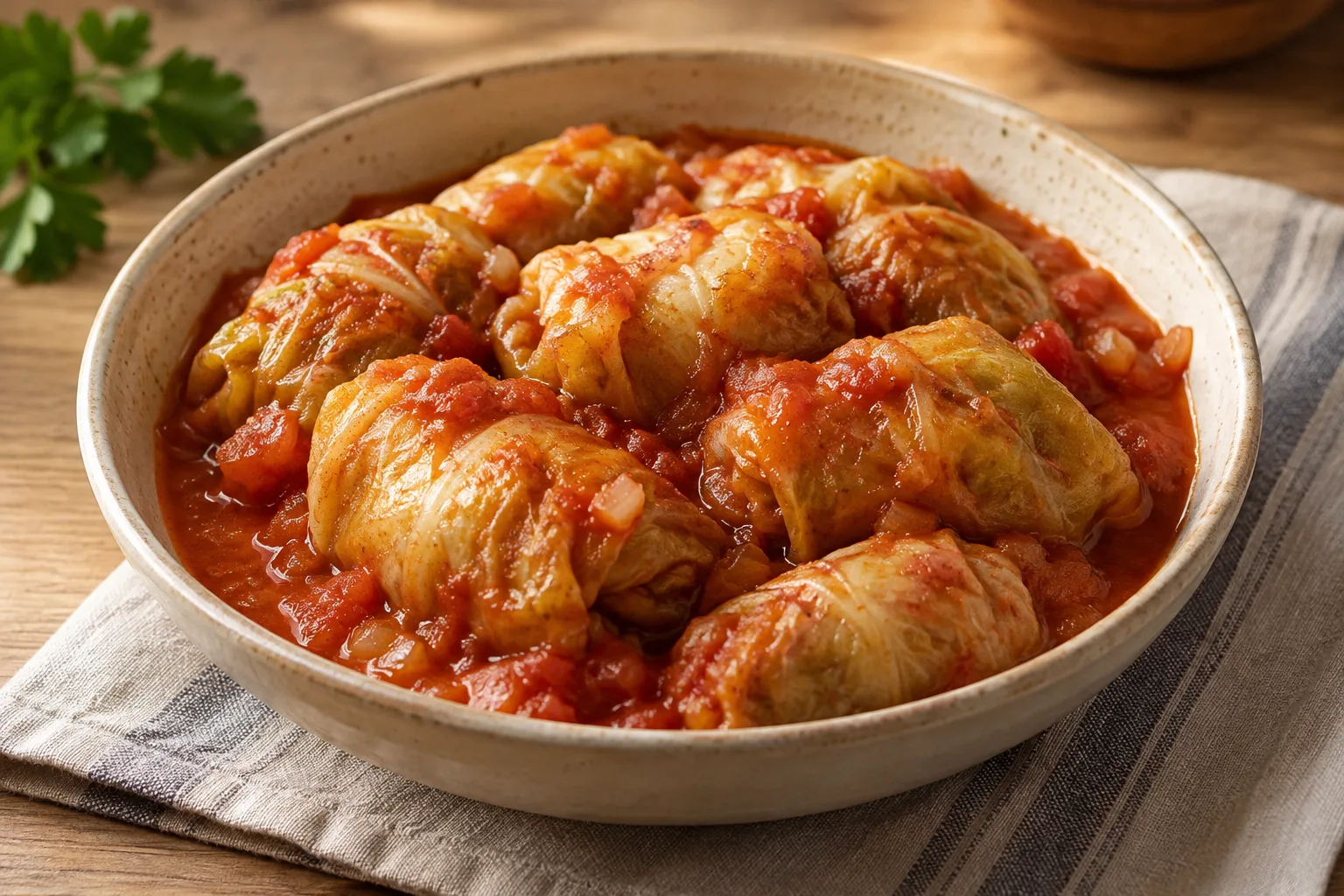
Cabbage appears in several forms. It may be cooked, baked, stuffed, or fermented, and fresh or pickled leaves can wrap fillings for sarmale. During fasting periods and in warm weather, cabbage may instead be prepared with vegetables, herbs, and rice or mushrooms. Pickled vegetables and sauerkraut also provide pantry ingredients for cooking through colder months. Such foods connect seasonal abundance to the everyday work of storing and using produce.
Autumn vegetables are made into zacuscă, a thick cooked spread often combining eggplant, peppers, and tomato. Recipes vary, and documented versions may include beans, mushrooms, or other vegetables. It is eaten on bread and kept for later use. Roasted eggplant is also mashed for salată de vinete, a spread commonly made with oil and onion. These dishes show two different uses for vegetables: one as a preserved mixture, the other as a creamy preparation that can be served as an appetizer.
Dairy has several roles in this pantry. Telemea is white brined cheese; caș is fresh or lightly aged cheese; other cheeses may be smoked or firmer in texture. They can be served with bread and vegetables or paired with mămăligă. In pastoral areas, sheep’s-milk cheeses are particularly noted, though cheeses are not limited to one community or landscape. Pork preservation is also documented: smoking and salting extend the use of meat and shape the flavor of sausages and other cured foods.
Seasonality is practical as well as expressive. Fresh produce, stored cabbage, jars of cooked vegetables, smoked meats, and cheeses make different ingredients available at different times. The sources describe a varied pantry rather than a fixed national inventory, and local household choices determine which products become central to a particular meal.
Sour, smoky, creamy, and varied
Acidity is a defining feature of many Romanian soups. Ciorbă is a broad family of soups that may be soured with fermented bran liquid called borș, sauerkraut juice, or other acidic ingredients, including lemon in some preparations. Recipes may include meatballs, beans, vegetables, mushrooms, tripe, or other ingredients. Lovage, dill, parsley, garlic, and pepper can deepen the broth’s flavor. Not every soup is sour: supă often refers to a broth or soup with a different character, though the distinction can be flexible in ordinary speech.
Fermented borș has a particular role: it is made from bran and water and is added to broths for a tangy taste. It should not be confused with a single standardized soup recipe. Sourness can sharpen the flavor of meat or beans and contrast with the richness of dairy or the starchiness of cornmeal. Some soups are served with sour cream, garlic, vinegar, or hot peppers, so the finished bowl can bring together several tastes and textures.
Smoke and roasting provide another group of flavors. Smoked pork and sausages may be used in cooked dishes or served among cold appetizers. Eggplant is roasted until tender before it is mashed into salată de vinete, giving the flesh a deeper flavor and a soft texture. In zacuscă, slow cooking brings together vegetables that may be sweet, smoky, and tangy. The exact balance depends on ingredients and household method.
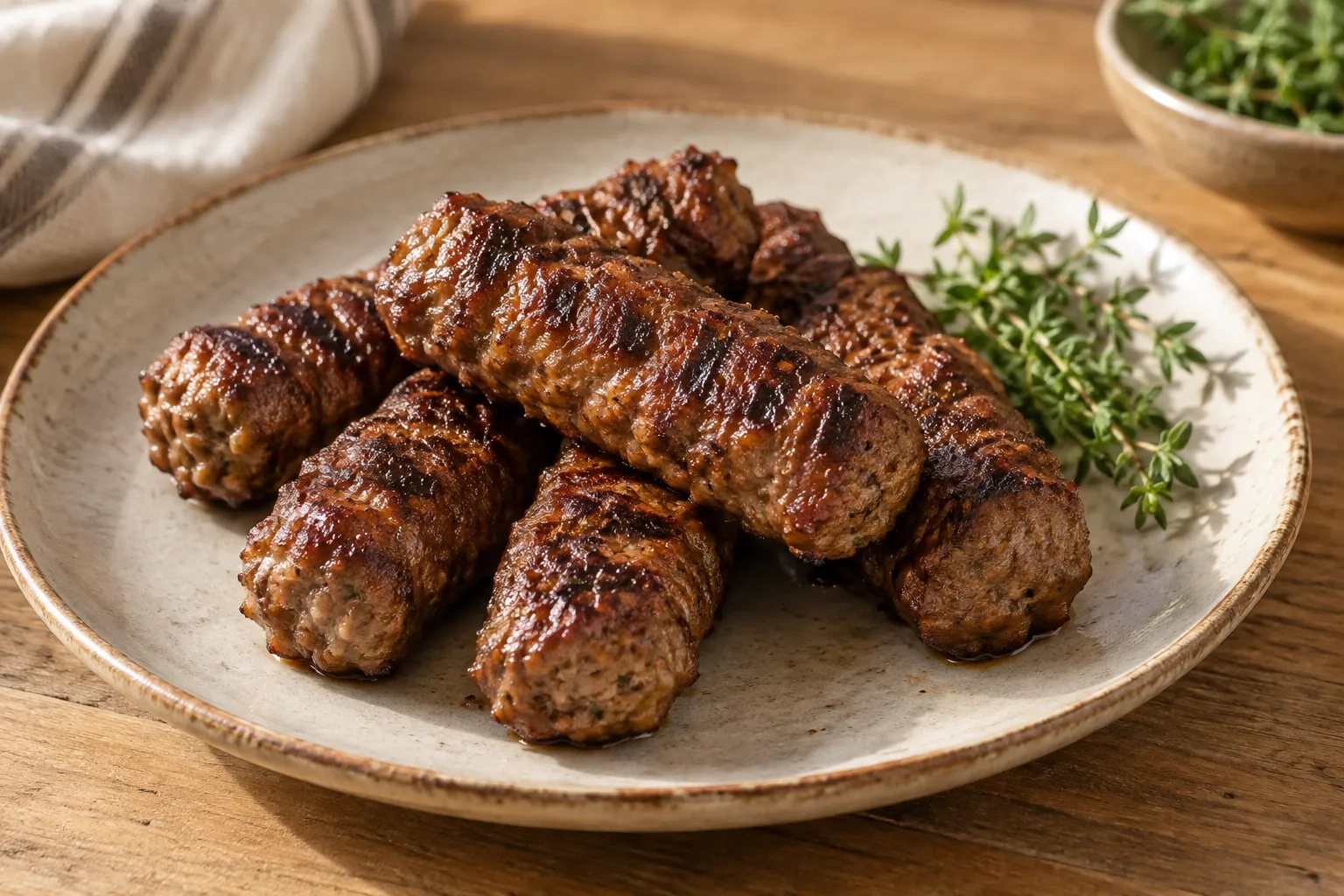
Texture matters as much as seasoning. Mămăligă can be soft enough to eat with a spoon or firm enough to cut. Its mild corn flavor works with salty cheese, sour cream, meat, or stews. Cabbage leaves soften during the long cooking of sarmale, while their filling provides a denser contrast. Grilled mici have a browned exterior and a tender interior when cooked appropriately; recipes and seasoning mixtures differ.
There is no single flavor profile that represents every Romanian table. A bowl of vegetable ciorbă, smoked-meat stew, brined cheese, and a seasonal pie express different combinations of local produce and cooking choices. Acidity, smoke, dairy, herbs, and contrasting textures recur, but their proportions and uses depend on the preparation, season, region, and household.
Holiday foods and knowledge passed on
Several Romanian foods are associated with particular holidays or gatherings, although individual households do not all follow an identical calendar. Sarmale—cabbage leaves wrapped around a filling, commonly meat and rice—are documented as a holiday and celebration dish, including at Christmas and weddings. Meat-free versions with rice or mushrooms are also made during fasting periods. Preparing the rolls and cooking them slowly takes time, making the dish suitable for a planned family meal rather than only a quick everyday supper.
Easter foods include lamb preparations. Drob de miel combines lamb offal with egg and herbs, while roast lamb and lamb soup are also documented holiday dishes. Pasca is a bread or enriched bake associated with Easter and made with cheese. These preparations connect seasonal ingredients and baking or cooking skills with a specific point in the year, without implying that every family prepares all of them.
At Christmas, cozonac is a sweet enriched bread, commonly filled with walnuts or poppy seeds. Other festive baked goods include layered cakes and pies. Baking traditions use local and seasonal fruit, curd cheese, honey, nuts, and seeds, while their forms and ingredients also reflect a long history of cultural exchange. Particular breads and cakes can carry meaning for a community or occasion, so it is important not to treat all festive baking as one uniform national custom.
A different sort of shared work takes place around the traditional pig slaughter before Christmas. Pomana porcului is a meal made from pork cuts for people who helped with the work. It illustrates how food can reward participation and bring a group together. Its association is specific; it should not be generalized into a universal practice for all households.
Outdoor cooking creates more informal occasions. Mici, grilled meat rolls, are documented at public events, markets, and family barbecues, including gatherings for the first of May. Shared cooking, preparation of preserves, and family baking all pass knowledge through observation and repetition. Tradition here is active and varied: people maintain familiar dishes while adapting recipes to ingredients, household preferences, and local practice. The evidence supports these particular occasions and preparations, not a claim that every Romanian celebration follows one prescribed menu.
Griddles, grills, pots, and dough
Romanian cooking includes a range of methods suited to particular foods. Long, gentle cooking is used for dishes such as sarmale, allowing cabbage leaves to become tender and the filling to cook through. Soups and stews also simmer in pots, bringing together meat, vegetables, herbs, and preserved ingredients. Different recipes use different liquids and seasonings, so slow cooking is a recurring technique rather than a single national formula.
Grilling is especially visible in the preparation of mici. The meat is seasoned and shaped into small cylinders without casings, then cooked over a grill or hot coals. Documented recipes vary in their meat combinations and seasonings; some include garlic, thyme, or other spices, and some use broth or water in the mixture. Because these differences are real, no single ingredient list should be presented as definitive. The dish is also prepared for outdoor meals and public food settings.
Vegetables may be roasted over a flame or other heat before they are made into spreads. Roasted eggplant is peeled or separated from its skin, then mashed and combined with oil and onion for salată de vinete. Vegetables used for zacuscă are cooked together into a thicker preserve. These methods concentrate flavor and transform produce into preparations that can be served immediately or stored, depending on the dish and method.
To prepare mămăligă, cornmeal is added to hot water and stirred as it cooks until the desired consistency is reached. The result can remain spoonable or become firm enough to cut. It is eaten with cheese, sour cream, meat, or stews. Baking and dough work bring another set of techniques: plăcinte may be rolled, folded, layered, griddled, baked, or fried, depending on the regional or household form. Fillings may be savory or sweet, including cheese, apple, cherries, pumpkin, or other ingredients.
The method is tied to the food: grilling makes sense for mici, roasting prepares eggplant for a spread, and slow cooking softens stuffed leaves. These are documented culinary techniques, not instructions that every home or region follows in exactly the same way.
From shared appetizers to the main meal
A meal may begin with several appetizers placed together: cheeses, smoked meats or sausages, pickles, zacuscă, salată de vinete, or fish preparations. Bread is a practical companion for spreads, while fresh vegetables can provide contrast to salty or smoky foods. Accounts describe the sharing of several small dishes at family meals and celebrations, but the arrangement is variable; it is not a rule that every household must serve a fixed sequence of courses.
Soup may follow or form a central part of lunch. A ciorbă can be sour and substantial, with meatballs, vegetables, beans, or other ingredients. A clearer supă may contain noodles or semolina dumplings. A main dish might be a stew, roasted or grilled meat, stuffed cabbage, or a vegetable preparation. Cornmeal, bread, potatoes, and pickles are among the accompaniments described in Romanian food accounts. The choice depends on the dish and the household.
Some pairings are especially recognizable. Sarmale are served with mămăligă and sour cream in documented meals; pickled chili peppers may also accompany them. Mici are commonly served with mustard and bread, with other accompaniments varying. Smoked meats and beans may be served together, while cheese is eaten with vegetables, bread, or cornmeal. These pairings show how mild, salty, sour, and smoky elements can be brought together without requiring a strict menu.
Baked foods extend the table beyond the main meal. Plăcinte can be served as snacks, cut into pieces and placed on a shared plate, or bought as street food. Sweet breads and cakes appear at holiday gatherings. Meals may be leisurely and generous, with food offered to family and guests, but customs differ among households and regions. The evidence supports a culture of home cooking and shared dishes, not one national etiquette or mandatory pattern of hospitality.
Occasion shapes the meal. A weekday soup, autumn jars of zacuscă, a Christmas bread, and a May Day grill each reflect different kinds of preparation and gathering. The table brings together foods with distinct uses: an appetizer spread is not a holiday main dish, and a street-food snack does not stand in for the whole range of Romanian eating.
A glossary of Romanian foods
The following terms identify particular products and preparations found in Romanian food traditions. Names may cover more than one household recipe or local form, so the descriptions give a useful orientation rather than a single required formula.
- Borș: Fermented liquid made from bran and water, used to sour some soups. The word is also used in names for soups made with this acidic ingredient; context matters.
- Ciorbă: A family of soups that are often sour. Versions may contain meat, meatballs, beans, vegetables, mushrooms, or other ingredients, and may be soured in different ways.
- Mămăligă: A cooked cornmeal preparation, ranging from soft porridge to a firmer polenta that can be cut. It is served with foods such as cheese, sour cream, stews, or meat.
- Sarmale: Leaves of fresh or fermented cabbage wrapped around a filling, commonly meat and rice. Documented fasting versions use rice, mushrooms, or other plant ingredients.
- Mici or mititei: Small cylinders of seasoned minced meat, made without a casing and grilled. They are commonly served with mustard and bread; meat mixtures and seasonings vary.
- Zacuscă: A thick cooked vegetable spread, often made with eggplant, peppers, and tomato. Some versions include beans, mushrooms, or other vegetables; it is commonly eaten on bread.
- Salată de vinete: A mashed roasted-eggplant preparation, commonly combined with oil and onion and served as a spread or appetizer.
- Telemea: White cheese preserved in brine, served as part of appetizers or with bread and vegetables.
- Plăcinte: A broad name for filled pastries or pies, which may be sweet or savory and can be baked, folded, griddled, or fried.
- Cozonac: Enriched sweet bread associated with holidays, often filled with ingredients such as walnuts or poppy seeds.
These terms are useful because they connect a dish to its main ingredient, preparation, or place at the table. They do not guarantee that two examples will look or taste the same. A ciorbă might be vegetable-based or include meat; sarmale vary in filling and size; and a plăcintă may be assembled in more than one form. The names point to a living repertoire, shaped by household practice, season, and regional variation.
One country, many cuisines
Transylvania
Transylvania’s documented food repertoire reflects the region’s diverse communities and culinary contacts. Examples include griddle-cooked flatbreads filled with fresh cheese and served with honey, the popularity of goulash with dumplings, and cauliflower with cheese and smoked pork associated with a Saxon tradition. These foods illustrate particular regional and community connections; they should not be treated as dishes shared by every resident or as an exhaustive account of Transylvanian cooking. The size of sarmale is also described as larger here than in Moldavia, one example of variation in a dish found across the country.
Moldavia
Moldavia is documented for a festive layered pie traditionally made for Christmas Eve. It consists of layers of flatbread moistened with honey syrup and a filling of pumpkin seeds, showing how celebration baking can be built from distinct layers and ingredients. Sources also describe Moldavian sarmale as small and served in greater numbers than the larger rolls associated with Transylvania. These are specific examples of regional foodways, not a complete description of Moldavian meals or a claim that every household prepares the same dishes.
Oltenia
A regional variation of ostropel, a meat dish cooked with tomato and garlic, is associated with Oltenia. The documented version may include vinegar and carrot in the sauce and be served with boiled potatoes rather than mămăligă. This example shows how one preparation can have local variations in seasoning and accompaniment. It does not establish that all Oltenian households use these ingredients, nor does it define the wider regional diet; the evidence supports this particular variation.
Cook