Africa · Sub-Saharan Africa

Mozambique

Mozambican food takes shape across an Indian Ocean coastline and inland farming communities. Maize and cassava staples meet leafy stews, groundnuts, coconut, seafood, and chile; dishes and daily snacks also reflect long histories of trade and cultural exchange. Maputo’s morning badjias, Zambézia’s coconut-rich cooking, and the varied foodways of the coast offer distinct ways into a cuisine that is diverse rather than uniform.

Food and eating habits

How people eat in Mozambique

50 indicators exploring everyday meals, ingredients and food culture. Information is completed progressively from documented evidence.

0 of 50 indicators with documented information

Not all data are comparable: food supply, purchases and intake are different measures. Check the period, population and method for each finding. Qualitative descriptions do not establish percentages or amounts.

Timing and company

0/8
Timing and company — Mozambique
IndicatorFindings and context
Meal times Awaiting research
Meals per day Awaiting research
Meal duration Awaiting research
Daily energy distribution Awaiting research
Weekdays and weekends Awaiting research
Eating at home and away Awaiting research
Cooking frequency Awaiting research
Eating together Awaiting research

Pantry and recipes

0/2
Pantry and recipes — Mozambique
IndicatorFindings and context
Most consumed ingredients Awaiting research
Ingredient prevalence in recipes Awaiting research

Cereals and plant foods

0/6
Cereals and plant foods — Mozambique
IndicatorFindings and context
Cereals and cereal products Awaiting research
Bread Awaiting research
Pulses Awaiting research
Vegetables Awaiting research
Fruit Awaiting research
Potatoes, roots and tubers Awaiting research

Protein foods

0/5
Protein foods — Mozambique
IndicatorFindings and context
Meat Awaiting research
Fish and seafood Awaiting research
Eggs Awaiting research
Milk and dairy products Awaiting research
Protein sources Awaiting research

Fats, flavours and condiments

0/3
Fats, flavours and condiments — Mozambique
IndicatorFindings and context
Cooking fats Awaiting research
Herbs and spices Awaiting research
Sauces and condiments Awaiting research

Meal composition

0/6
Meal composition — Mozambique
IndicatorFindings and context
Breakfast composition Awaiting research
Main meal composition Awaiting research
Dinner composition Awaiting research
Appetisers and snacks Awaiting research
Desserts and sweets Awaiting research
Portion sizes Awaiting research

Techniques and equipment

0/5
Techniques and equipment — Mozambique
IndicatorFindings and context
Cooking techniques Awaiting research
Vegetable preparation Awaiting research
Food preservation Awaiting research
Fermented foods Awaiting research
Kitchen equipment Awaiting research

Drinks

0/3
Drinks — Mozambique
IndicatorFindings and context
Everyday drinks Insufficient data in the sources consulted
Coffee and tea preparation Insufficient data in the sources consulted
Drinks with meals Insufficient data in the sources consulted

Nutrition and dietary patterns

0/3
Nutrition and dietary patterns — Mozambique
IndicatorFindings and context
Energy and nutrients Awaiting research
Salt and sugars Awaiting research
Dietary patterns Awaiting research

Shopping, prices and waste

0/7
Shopping, prices and waste — Mozambique
IndicatorFindings and context
Food expenditure Awaiting research
Cost of a common basket Awaiting research
Cost of specific meals Awaiting research
Grocery shopping locations Awaiting research
Shopping frequency Awaiting research
Prepared food and delivery Awaiting research
Household food waste Awaiting research

Seasons and celebrations

0/2
Seasons and celebrations — Mozambique
IndicatorFindings and context
Seasonal produce Awaiting research
Celebration food Awaiting research
Explore its cuisines

Mozambique at the Table: Coastal Exchange, Cassava Leaves, and Everyday Breads

Documentary synthesis prepared with AI assistance. It does not replace specialist review or certify kitchen testing. · Updated 1 November 2026

A cuisine shaped by coast and countryside

Mozambique stretches along the Indian Ocean, and its foodways connect coastal fishing and trade with farming and everyday cooking inland. The country’s food cannot be reduced to seafood or to a single famous hot sauce: maize, cassava, rice, pulses, groundnuts, leafy vegetables, and fish all appear in the documented food landscape. Their importance varies with place and access. National market research describes northern and central areas as major agricultural production zones, while the south produces less of several staples and depends in part on movement of food from elsewhere.

A useful way to understand a meal is to notice how its elements work together: a filling staple, a sauce or cooked vegetable, and perhaps fish, meat, or legumes. Xima, a thick maize porridge, is one example of a staple; cassava is another widely produced crop. Along the coast, seafood and coconut enter the picture, but neither defines every meal. Regional variation and exchange are central to the story, and a dish’s name does not mean that every household makes it the same way.

Trade, migration, and changing foodways

Mozambique’s history includes Bantu-speaking communities engaged in farming, fishing, and trade, as well as coastal connections with merchants from Arabia, India, and Persia. From the late fifteenth century, Portuguese arrival and colonial rule added another long and consequential layer of exchange. These histories help explain why Mozambican food is often discussed through African, Indian Ocean, and Portuguese connections, but they should not be treated as a simple recipe for every local tradition. Foodways are made and maintained by people in particular places, not by a list of outside influences alone.

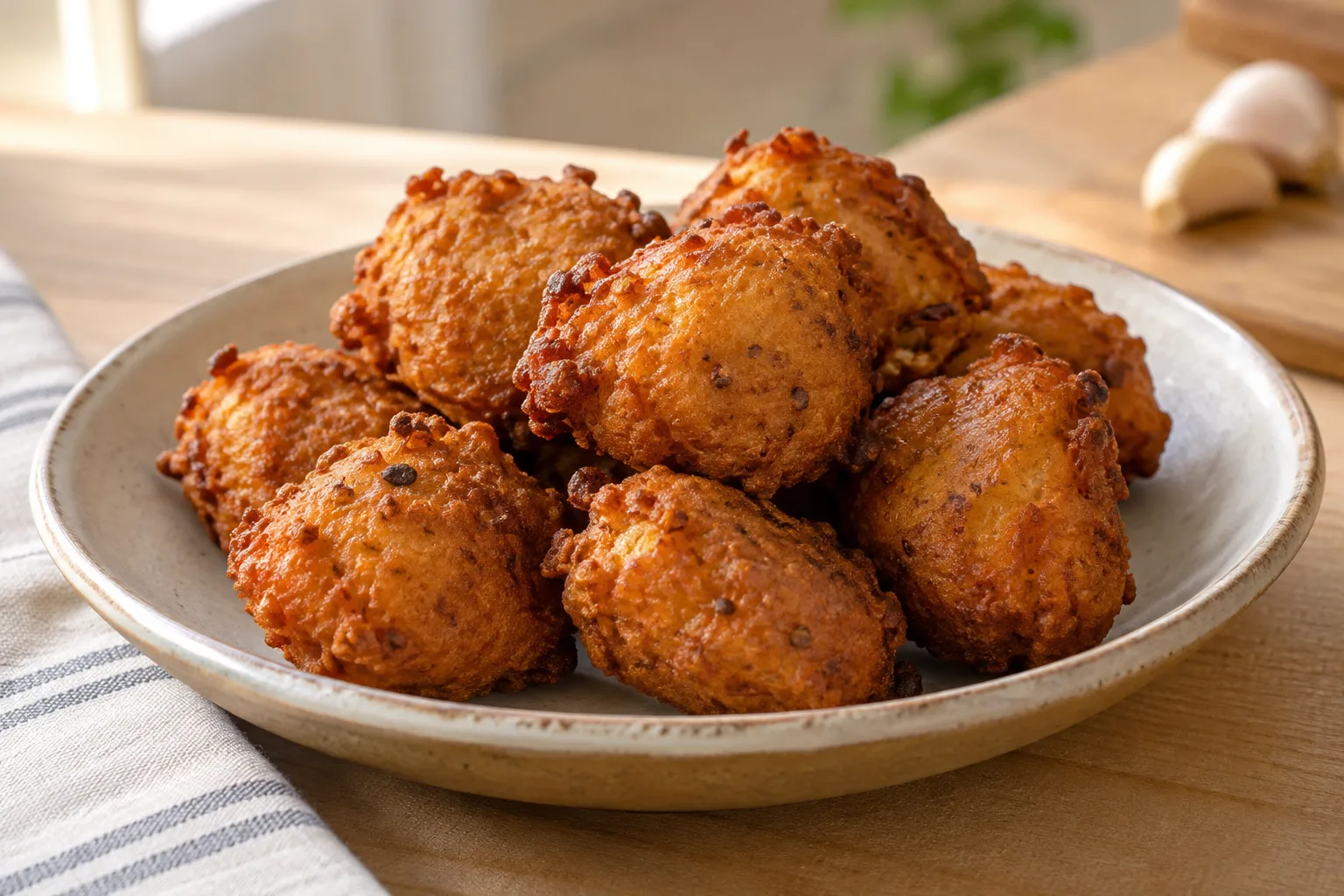
The badjia is a telling example of adaptation and local belonging. Its name and form are linked to the wider bhajji tradition, while Mozambican accounts describe versions based on cowpea, locally seasoned and commonly sold with bread. One Maputo seller described the snack as having acquired a Mozambican touch; that lived claim is more informative than assigning the dish one exclusive origin. The history of piri-piri likewise involves movement of chile across oceans, while its precise origin as a sauce is not settled in the evidence. Exchange is documented; single-origin claims are not necessary to understand the food.

Staples, leaves, pulses, and coastal ingredients

Mozambique’s pantry is broader than its internationally familiar prawns and chile. The principal staples identified in national food-market research include cassava, maize, rice, groundnuts, and pulses; millet and sorghum are also consumed. Cassava is reported as the most widely produced of these crops. Rice is eaten but remains substantially imported, while domestic production of staples and their movement between regions shape what reaches different markets. These details matter: a national list does not mean every ingredient is equally available in every household or district.

Leaves, beans, and nuts are not merely supporting ingredients. Matapa is a preparation of cassava leaves; other documented accounts describe leaves cooked with groundnuts, coconut, or seafood. Cowpeas, called nhemba in some Portuguese-language accounts, are ground into the batter for Maputo-style badjias. Coconut is associated in particular with Zambézia cooking, where fresh coconut milk is described as an important ingredient. Along the coast, fish and shellfish provide another pantry, but the documented examples do not justify treating one seafood recipe as universal. The same ingredient can serve different roles: leaves become a cooked preparation, groundnuts enrich a sauce, and a staple anchors the meal.

Heat, richness, and contrasting textures

Mozambican flavors often bring together the savoury depth of cooked leaves or legumes, the richness of groundnuts or coconut, and the brightness or heat of chile. These are possibilities, not a fixed combination in every dish. Piri-piri refers to a chile and to seasonings or sauces made with chile; documented versions differ in ingredients and texture. Some are closer to chile-infused oil, while others are blended into a thicker sauce. Garlic and citrus are also found in descriptions of piri-piri preparations. The chile’s intensity can vary, so the term alone does not specify a precise heat level.

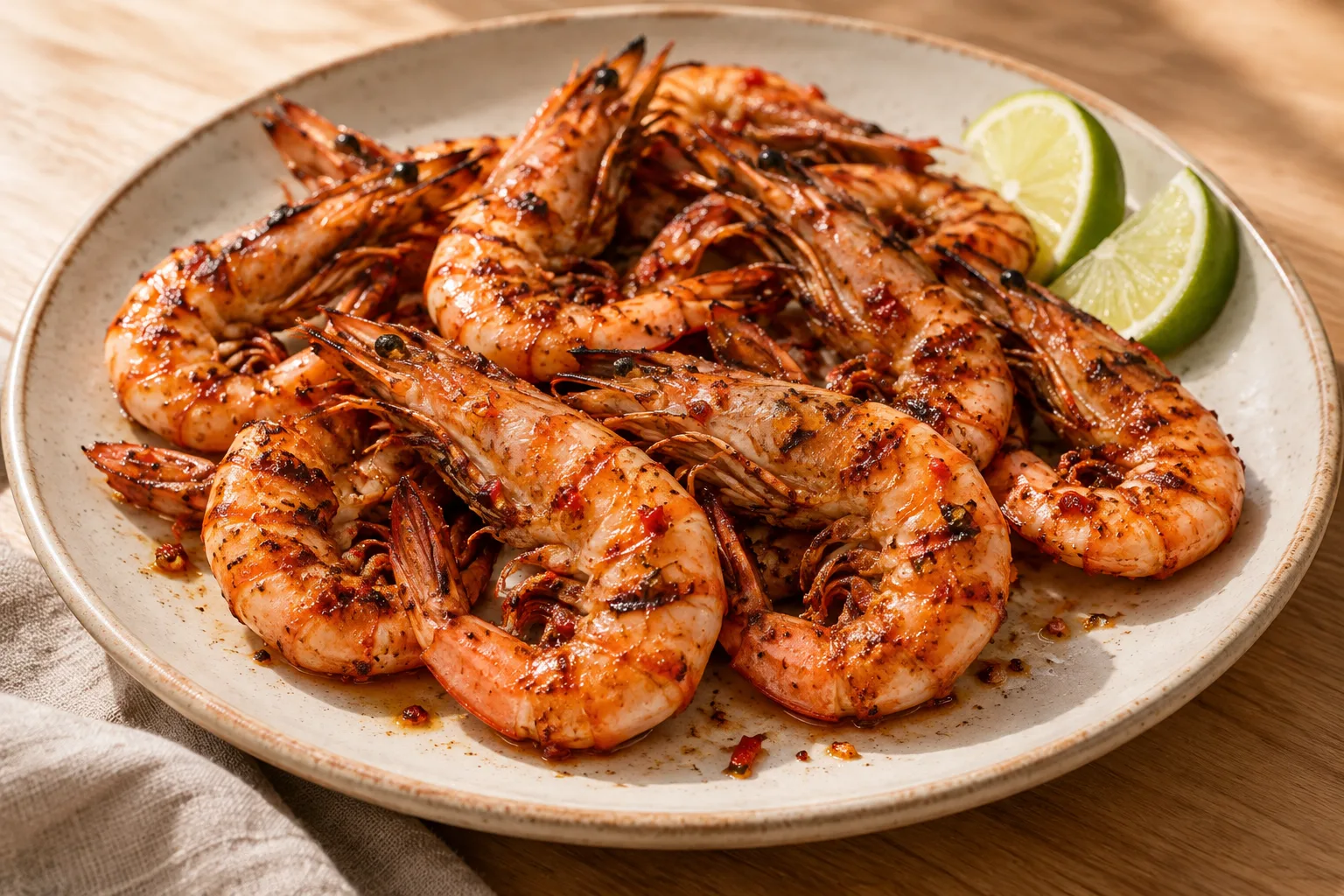
Texture is as important as seasoning. Thick xima contrasts with a sauce or stew; a cassava-leaf preparation differs from the crisp outside and soft centre described for fried badjias. Coconut can make a preparation feel rounded and rich, while groundnuts thicken or deepen others. Prawns grilled with chile offer a different experience again: the seafood remains the focus, with seasoning adding heat and aroma rather than turning the dish into a stew. A varied table gains its character from these contrasts, not from making everything hot or coconut-rich.

Morning snacks and food passed between people

Food traditions include ordinary working-day routines as well as occasions for celebration. In Maputo, vendors sell badjias in the early morning, often alongside bread as matabicho—breakfast. Accounts describe students, commuters, and workers stopping at street stalls; one customer’s filled loaf of bread makes clear how the fritters can become a substantial morning meal rather than only a small appetizer. The stalls are also livelihoods, with women preparing and selling the snack in neighbourhoods and near bakeries. These specific accounts show how food, work, and urban public life meet at the roadside.

In Manhiça, a report describes sellers anticipating increased badjia sales during Christmas and New Year travel and festivities. This documents a seasonal opportunity for those vendors, not a national rule that the snack belongs only to holidays. Other sources describe badjias as everyday food and as something shared with bread. Such differences are worth keeping: a dish can be routine in one setting and particularly in demand in another. Recipes and habits are transmitted through preparation, buying, and eating, and the people who make these foods are part of their cultural history.

Grinding, frying, grilling, and preserving greens

Several distinctive techniques are visible in the documented preparations. For badjias, cowpeas are soaked and ground or mashed with aromatics into a thick batter, then portioned into hot oil and fried until golden. Accounts describe both a traditional grinding bowl, the mbenga, and other ways of making the paste. The batter’s consistency and the hot oil turn a humble pulse into a crisp-edged fritter. The finished snack may be eaten on its own or placed in bread. Variations in seasoning exist, so no single ingredient list should stand for every seller’s version.

Other preparations call for different methods. The KitchenPause catalogue’s piri-piri prawns are marinated and grilled; that is one recipe version, not a claim that all coastal seafood is prepared this way. Accounts of preserving vegetables in rural settings describe washing and cutting greens, precooking them in their own moisture, then drying them in the sun. Another described method is salting washed greens and sun-drying them without precooking. The source gives these as practices used by some small farmers in response to storage and market challenges, not as a universal household routine. Grinding, frying, grilling, and drying each transform ingredients in a different way.

How meals and snacks come together

A meal can be read through the relationship between staple and accompaniment. Thick maize xima is a base; sauces made with vegetables, pulses, fish, or meat provide other parts of the meal. This combination is more revealing than the assumption that a single celebrated dish represents the country. Cassava, rice, and maize each have a place in the documented staple landscape, and the relative presence of foods varies with local production, markets, and household circumstances.

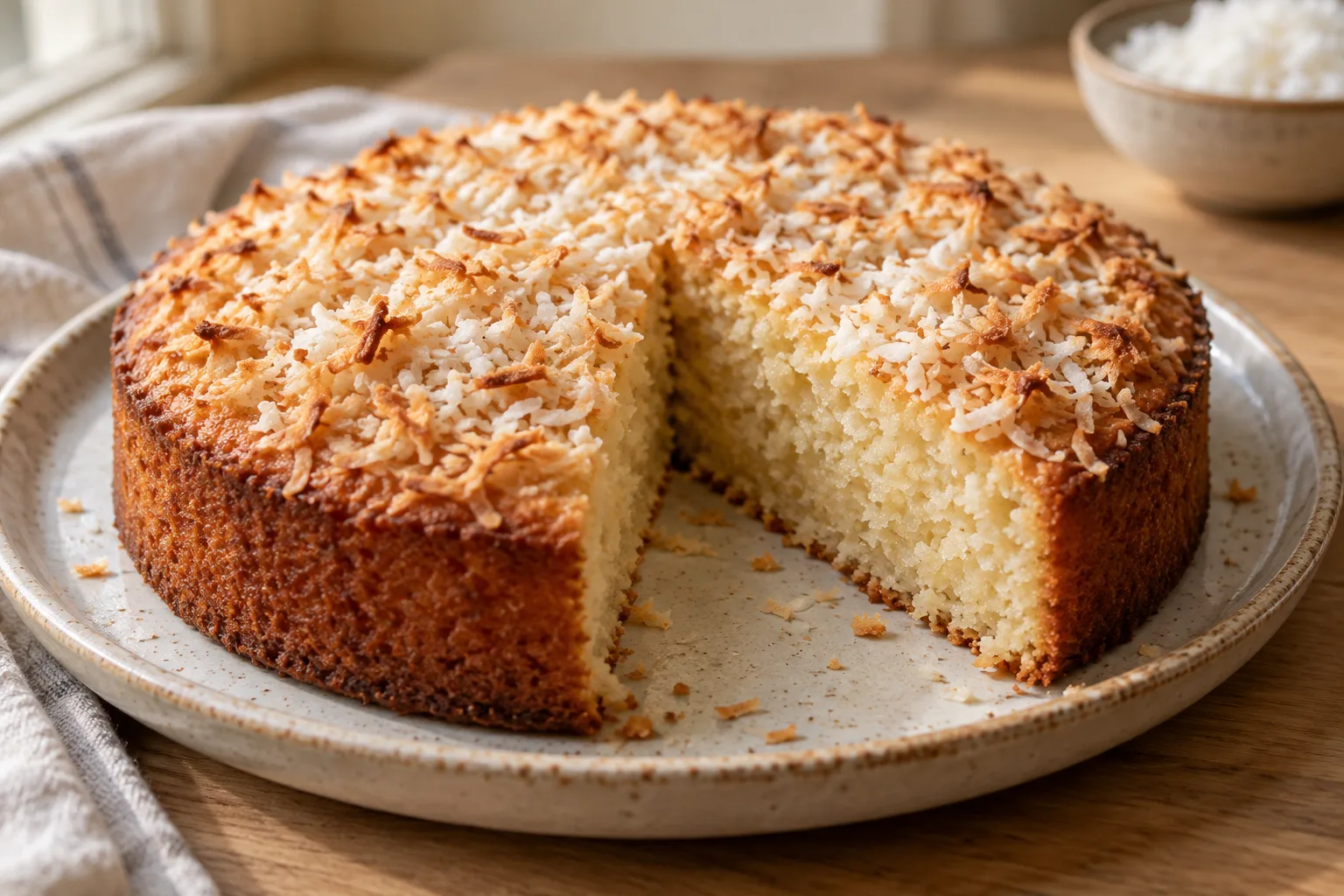
The table also extends beyond a formal sit-down meal. In Maputo, bread and badjias form a documented breakfast pairing sold at street stalls from early morning. A filled bread lets the bean fritter function as a portable, filling meal; customers include students and people heading to work. The catalogue includes a particular version of grilled piri-piri prawns, cowpea badjias, and a coconut sweet. These are useful cooking entry points, not a complete inventory of Mozambican eating or proof that any one version is standard everywhere. To understand a meal, notice what is served together, when it is eaten, and who prepares and sells it.

A short vocabulary of Mozambican food

These terms point to specific foods and preparations rather than to a single national menu. Spellings can vary between Portuguese-language and English-language accounts, and the names do not guarantee one standard recipe.

  • Badjia: a savoury cowpea fritter, commonly sold with bread for matabicho in Maputo. Soaked beans are ground or mashed into batter and fried; seasoning varies.
  • Matapa: a cooked preparation of cassava leaves. Some descriptions include groundnuts, coconut, or seafood; the name alone does not determine the exact recipe.
  • Xima: a thick maize porridge used as a staple. Cassava is another important staple, but it is not the same preparation.
  • Piri-piri: a name for chile and for chile-based seasonings or sauces. Ingredients, texture, and heat vary between versions.
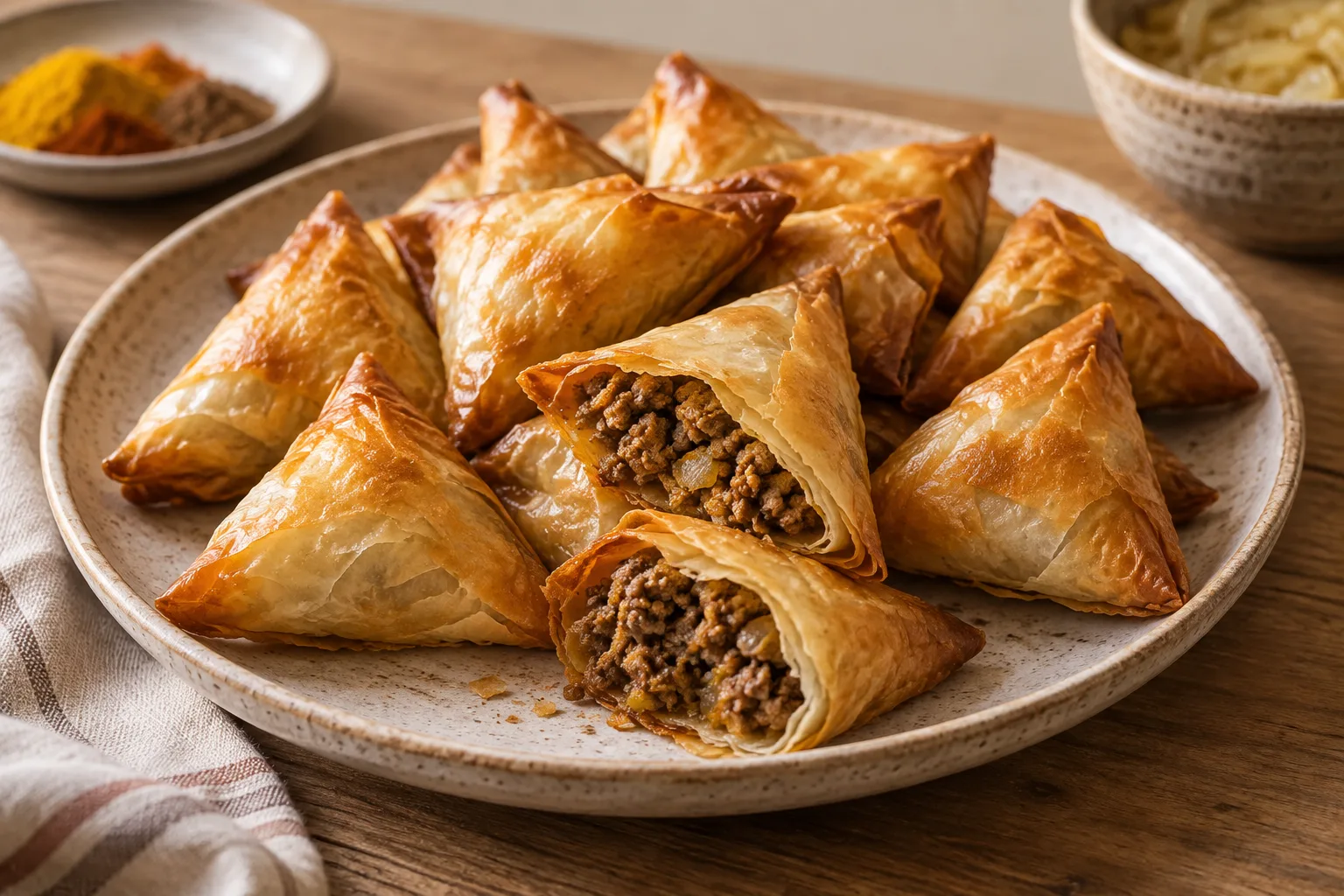
  • Chamussa: a savoury, filled pastry associated with Mozambican foodways and wider samosa traditions. The catalogue’s pork filling is one particular version.
  • Matabicho: breakfast; in documented Maputo street-food settings, bread and badjias are eaten together.

One country, many cuisines

Inhambane

Inhambane offers a documented coastal point of entry into Mozambique’s foodways. Accounts discussing the coast mention seafood and coconut-based preparations, and refer to Inhambane among places where visitors encounter coastal food. These examples support a focus on marine ingredients and local variation, not a single recipe claimed to represent the province. The evidence here does not establish a comprehensive inventory of Inhambane dishes or a uniform way of cooking them.

Maputo

Maputo’s street-food life includes early-morning vendors selling badjias, often with bread as breakfast. Accounts locate stalls in neighbourhoods such as Polana Caniço and Malhazine and describe customers ranging from students to people on their way to work. The fritters are made from beans and fried, while sellers’ seasoning and working routines may differ. This is a documented urban food tradition, not a claim that all Maputo residents eat the same breakfast.

Zambézia

Zambézia is associated in documented food writing with coconut-rich cooking. A report on the province describes fresh coconut milk as an important ingredient and notes several ways of preparing food with coconut. The chicken known as frango à zambeziana is also cited as a regional reference in broader accounts of Mozambican food. These associations provide a grounded route into the province’s cooking without suggesting that coconut or one chicken preparation defines every meal there.

Cook
Read as an article ↗
Places and communities

One country, many cuisines

An initial selection of regions to explore. Culinary boundaries may differ from administrative divisions.

Mozambique

Inhambane

Inhambane offers a documented coastal point of entry into Mozambique’s foodways. Accounts discussing the coast mention seafood and coconut-based preparations, and refer to Inhambane among places where visitors encounter coastal food. These examples support a focus on marine ingredients and local variation, not a single recipe claimed to represent the province. The evidence here does not establish a comprehensive inventory of Inhambane dishes or a uniform way of cooking them.

Mozambique

Maputo

Maputo’s street-food life includes early-morning vendors selling *badjias*, often with bread as breakfast. Accounts locate stalls in neighbourhoods such as Polana Caniço and Malhazine and describe customers ranging from students to people on their way to work. The fritters are made from beans and fried, while sellers’ seasoning and working routines may differ. This is a documented urban food tradition, not a claim that all Maputo residents eat the same breakfast.

Mozambique

Zambézia

Zambézia is associated in documented food writing with coconut-rich cooking. A report on the province describes fresh coconut milk as an important ingredient and notes several ways of preparing food with coconut. The chicken known as *frango à zambeziana* is also cited as a regional reference in broader accounts of Mozambican food. These associations provide a grounded route into the province’s cooking without suggesting that coconut or one chicken preparation defines every meal there.

Cook
Recipes connected with Mozambique

Each recipe documents one version. Geographic associations do not imply an exclusive origin.

Mozambican badjias
Image generated by the Kitchenpause team
1445 minIntermediate

Mozambican badjias

Mozambican cowpea fritters with garlic and salt: soak the beans, blend them into a paste, then fry until golden.

View recipe

Sources consulted

Read the sources and each document’s scope. A heritage inscription concerns a particular practice, not all of a country’s cuisine.

  1. Gastronomía de Mozambique - Wikipedia, la enciclopedia libre es.wikipedia.org/wiki/Gastronom%C3%ADa_de_Mozambique es.wikipedia.org Consulted: October 9, 2026
  2. "Badjias", Pastries that Unite the Formal and Informal in a Corner of Maputo • 360 Mozambique 360mozambique.com/lifestyle/badjias-pastries-that-unite-the-formal-and-informal-in-a-corner-… 360mozambique.com Consulted: October 8, 2026
  3. Mozambique: 'Badjias' resist social crises, feed families in Maputo province clubofmozambique.com/news/mozambique-badjias-resist-social-crises-feed-families-in-maputo-pr… clubofmozambique.com Consulted: October 9, 2026
  4. 5 recetas para transportarnos a África – AUARA empresa social auara.org/blogs/news/5-recetas-transportarnos-africa?srsltid=AU7gw4VWqpxHnr67tuRjwzaVMMvXqCZ… auara.org Consulted: October 1, 2026
  5. Badjia – Wikipédia, a enciclopédia livre pt.wikipedia.org/wiki/Badjia pt.wikipedia.org Consulted: October 9, 2026
  6. “BADJIAS”, os pasteis que fazem a delícia do povo moçambicano… | BigSlam bigslam.pt/noticias/badjias-os-pasteis-que-fazem-a-delicia-do-povo-mocambicano/ bigslam.pt Consulted: October 8, 2026
  7. 5 recetas para transportarnos a África – AUARA empresa social auara.org/blogs/news/5-recetas-transportarnos-africa?srsltid=AU7gw4XArkSW-HcYBnTXRjLZzN8TFRD… auara.org Consulted: October 1, 2026
  8. 5 recetas para transportarnos a África – AUARA empresa social auara.org/blogs/news/5-recetas-transportarnos-africa?srsltid=AU7gw4UVZ2s6255KbI5v4d4rJkcqr3N… auara.org Consulted: October 1, 2026
  9. 5 recetas para transportarnos a África – AUARA empresa social auara.org/blogs/news/5-recetas-transportarnos-africa?srsltid=AU7gw4XDBdWDxSm_xx8TTJAcHj8y8wI… auara.org Consulted: October 1, 2026
  10. 5 recetas para transportarnos a África – AUARA empresa social auara.org/blogs/news/5-recetas-transportarnos-africa?srsltid=AU7gw4XLLzI3ODbuANVryZuXS-3gmwE… auara.org Consulted: October 1, 2026
  11. 5 recetas para transportarnos a África – AUARA empresa social auara.org/blogs/news/5-recetas-transportarnos-africa?srsltid=AU7gw4Va1LQ6gOlgzvxbXlSUepHxtuk… auara.org Consulted: October 1, 2026
  12. Mozambique — Recetas | CountryReports www.countryreports.org/es/country/Mozambique/recipes countryreports.org Consulted: October 9, 2026
  13. 5 recetas para transportarnos a África – AUARA empresa social auara.org/blogs/news/5-recetas-transportarnos-africa?srsltid=AU7gw4VE1-y095RCxjYW8JiA0j9SWw0… auara.org Consulted: October 1, 2026
  14. Como Fazer Badjias (Receita Clássica) www.mmo.co.mz/como-fazer-badjias-receita-classica/ mmo.co.mz Consulted: October 7, 2026
  15. como fazer badjias em moçambique mozlivros.blogspot.com/2021/05/como-fazer-badjias-em-mocambique.html mozlivros.blogspot.com Consulted: October 7, 2026
  16. Badjias à Moda Moçambicana - Moz Utomi Receita e Gastronomia www.mozutomi.com/badjias-a-moda-mocambicana/ mozutomi.com Consulted: October 7, 2026
  17. Receita de badjias pt.petitchef.com/receitas/outro/badjias-fid-491520 pt.petitchef.com Consulted: October 6, 2026
  18. 5 recetas para transportarnos a África – AUARA empresa social auara.org/blogs/news/5-recetas-transportarnos-africa?srsltid=AU7gw4Ur18lJrqC2wiaqfJi6URAzd44… auara.org Consulted: October 1, 2026
  19. 5 recetas para transportarnos a África – AUARA empresa social auara.org/blogs/news/5-recetas-transportarnos-africa?srsltid=AU7gw4V36d28iAo-GnixlENYKYJMNbK… auara.org Consulted: October 2, 2026
  20. 5 recetas para transportarnos a África – AUARA empresa social auara.org/blogs/news/5-recetas-transportarnos-africa?srsltid=AU7gw4VZAfuh3lrTpnSzQSUCYfrTQGe… auara.org Consulted: October 2, 2026
  21. 5 recetas para transportarnos a África – AUARA empresa social auara.org/blogs/news/5-recetas-transportarnos-africa?srsltid=AU7gw4VMTbOnmdtRs6SSqEMuypACw0P… auara.org Consulted: October 2, 2026
  22. 5 recetas para transportarnos a África – AUARA empresa social auara.org/blogs/news/5-recetas-transportarnos-africa?srsltid=AU7gw4VyJhBhEQ1qE-10hkRsNYHV6DD… auara.org Consulted: October 2, 2026
  23. 5 recetas para transportarnos a África – AUARA empresa social auara.org/blogs/news/5-recetas-transportarnos-africa?srsltid=AU7gw4U-TgPQni6cam75JSLJ1kaVwoa… auara.org Consulted: October 2, 2026
  24. 5 recetas para transportarnos a África – AUARA empresa social auara.org/blogs/news/5-recetas-transportarnos-africa?srsltid=AU7gw4WyrRTxBzcQusH4X242jxXz5BY… auara.org Consulted: October 3, 2026
  25. Siete recetas veraniegas de las chefs africanas más reconocidas a nivel internacional www.eldiario.es/consumoclaro/comer/siete-recetas-veraniegas-chefs-africanas-reconocidas-nive… eldiario.es Consulted: October 8, 2026
  26. Chamuças Moçambicanas (Mozambican Samosas) – Ed's Munchies edsmunchies.wordpress.com/portfolio/chamucas-mocambicanas-mozambican-samosas/ edsmunchies.wordpress.com Consulted: October 4, 2026
  27. How to Make Traditional Mozambique Chamussas - FunTimes Magazine funtimesmagazine.com/recipes/mozambique-chamussas/ funtimesmagazine.com Consulted: October 7, 2026
  28. Técnicas tradicionales de conservación de verduras y hortalizas en Mozambique - Enraíza Derechos enraizaderechos.org/noticias/tecnicas-tradicionales-de-conservacion-de-verduras-y-hortalizas… enraizaderechos.org Consulted: October 21, 2026
  29. 5 recetas para transportarnos a África – AUARA empresa social auara.org/blogs/news/5-recetas-transportarnos-africa?srsltid=AU7gw4U3eiT7AhCcbPvBAHpab7NS46K… auara.org Consulted: October 4, 2026
  30. 5 recetas para transportarnos a África – AUARA empresa social auara.org/blogs/news/5-recetas-transportarnos-africa?srsltid=AU7gw4VP3Gg2uw9PAmKMSqtqy_6m0D_… auara.org Consulted: October 4, 2026
  31. 5 recetas para transportarnos a África – AUARA empresa social auara.org/blogs/news/5-recetas-transportarnos-africa?srsltid=AU7gw4VKg-mPzLveq03d-S84aB-N7uu… auara.org Consulted: October 4, 2026
  32. 5 recetas para transportarnos a África – AUARA empresa social auara.org/blogs/news/5-recetas-transportarnos-africa?srsltid=AU7gw4WLzzaxGm2WGFinc1oILnP74Ol… auara.org Consulted: October 5, 2026
  33. 5 recetas para transportarnos a África – AUARA empresa social auara.org/blogs/news/5-recetas-transportarnos-africa?srsltid=AU7gw4WY0M6WIdZGBTYqbPIYWMkKJbN… auara.org Consulted: October 5, 2026
  34. Badjias (Cowpea Fritters) · Around the Table www.aroundthetable.app/recipes/mozambique-bean-fritters aroundthetable.app Consulted: October 7, 2026
  35. Chamuça Charm: A Culinary Love Letter from Mozambique - recipeitor.com recipeitor.com/mozambican-chamuca/ recipeitor.com Consulted: October 7, 2026
  36. Chamussas Caseiras à Moçambicana receitasmocambicanas.online/2026/07/25/chamussas-caseiras-a-mocambicana/ receitasmocambicanas.online Consulted: October 7, 2026
  37. Como Preparar Chamussas de carne - Receita no MMO www.mmo.co.mz/gastronomia/chamussas-de-carne/ mmo.co.mz Consulted: October 7, 2026
  38. Chamussas Recipe – Mozambique's Savory Snack | FoodieAtlas foodieatlas.com/mozambique/chamussas/ foodieatlas.com Consulted: October 7, 2026
  39. Chamussas mozambiqueñas de cerdo — KitchenPause kitchenpause.com/es/recetas/chamussas-mozambiquenas-20261004-14 kitchenpause.com Consulted: October 7, 2026
  40. Descubre la gastronomía de Mozambique con esta receta con arroz | Transformando el mundo blog.oxfamintermon.org/descubre-la-gastronomia-de-mozambique-con-una-receta-con-arroz/ blog.oxfamintermon.org Consulted: October 8, 2026
  41. Mozambique FSC 5W Guidelines | Food Security Cluster fscluster.org/idp/document/mozambique-fsc-5w-guidelines fscluster.org Consulted: October 9, 2026
  42. Mozambique Staple Food Market Fundamentals | FEWS NET fews.net/southern-africa/mozambique/market-fundamentals/january-2019 fews.net Consulted: October 9, 2026
  43. Laying the Foundation for a Food Secure Mozambique - Solidaridad Network www.solidaridadnetwork.org/news/laying-the-foundation-for-a-food-secure-mozambique/ solidaridadnetwork.org Consulted: October 8, 2026
  44. Comida mozambiqueña: cocina, piri-piri y platos locales beyondekaya.com/es/consejos-de-viaje/comida-mozambicana beyondekaya.com Consulted: October 21, 2026
  45. Reporting Obligations: Mozambique - International Plant Protection Convention www.ippc.int/countries/mozambique/reportingobligation/4 ippc.int Consulted: October 9, 2026
  46. Gambones Piri Piri. Viaje entre Sabores www.misspimienta.com/2018/05/gambones-piri-piri-viaje-entre-sabores.html misspimienta.com Consulted: October 25, 2026
  47. Pollo Piri Piri mozambiqueño: Datos fascinantes al descubierto www.remitly.com/blog/es/cultura-y-estilo-de-vida/platosnacional-datos-fascinantes-sobre-el-p… remitly.com Consulted: October 25, 2026
  48. Pollo al piri piri: la mejor receta para preparar este clásico de la cocina de Portugal y Mozambique www.cronista.com/espana/viajes-recetas/pollo-al-piri-piri-la-mejor-receta-para-preparar-este… cronista.com Consulted: October 17, 2026
  49. Salsa piri piri, el aderezo picante más versátil del mundo | Recetas | Gastronomía | EL PAÍS elpais.com/gastronomia/recetas/2020/07/14/receta/1594739880_456368.html elpais.com Consulted: October 17, 2026
  50. Gastronomía de Mozambique www.visitmozambique.gov.mz/o-que-fazer/gastronomia/ Instituto Nacional do Turismo de Moçambique Consulted: October 20, 2026
  51. Zambézia www.visitmozambique.gov.mz/zambezia/ Instituto Nacional do Turismo de Moçambique Consulted: October 20, 2026
  52. Inhambane www.visitmozambique.gov.mz/inhambane/ Instituto Nacional do Turismo de Moçambique Consulted: October 20, 2026
  53. Cultura y gastronomía de Mozambique www.visitmozambique.gov.mz/wp-content/uploads/2025/04/BROCHURA-Cultura_Gastronomia_Print.pdf Instituto Nacional do Turismo de Moçambique Consulted: October 20, 2026
  54. Mozambique: La apetitosa cocina de Zambezia · Global Voices en Español es.globalvoices.org/2013/02/17/mozambique-la-apetitosa-cocina-de-zambezia/ es.globalvoices.org Consulted: October 21, 2026
  55. Cocina macanesa: Una joya culinaria con doble nacionalidad | Caribbean News Digital www.caribbeannewsdigital.com/es/turismo/cocina-macanesa-una-joya-culinaria-con-doble-naciona… caribbeannewsdigital.com Consulted: October 21, 2026
  56. Bolo de Coco - MadGuru madguru.dk/opskrift/bolo-de-coco-mozambiquisk-kokoskage/?lang=en madguru.dk Consulted: October 26, 2026
  57. Langostinos mozambiqueños a la parrilla con piri-piri — KitchenPause kitchenpause.com/es/recetas/langostinos-peri-peri-20261017-8 kitchenpause.com Consulted: October 25, 2026
  58. History and Culture of Mozambique: A Journey Through Time www.mozambiqueexperience.com/post/history-and-culture-of-mozambique-a-journey-through-time mozambiqueexperience.com Consulted: October 31, 2026
  59. Activities supported by the Heritage Emergency Fund in Mozambique www.unesco.org/en/node/195098 unesco.org Consulted: November 1, 2026

We use session and security technologies to provide our features. Only with your permission do we load Google Analytics to measure visits and Google Maps on Contact. Choose separately, reject or accept both.

Withdraw either permission here. Withdrawing analytics reloads the page to unload the running tag.

Cookie policy