- Category
- Oils and fats
- State
- Liquid
- Usual unit
- teaspoon
What it is
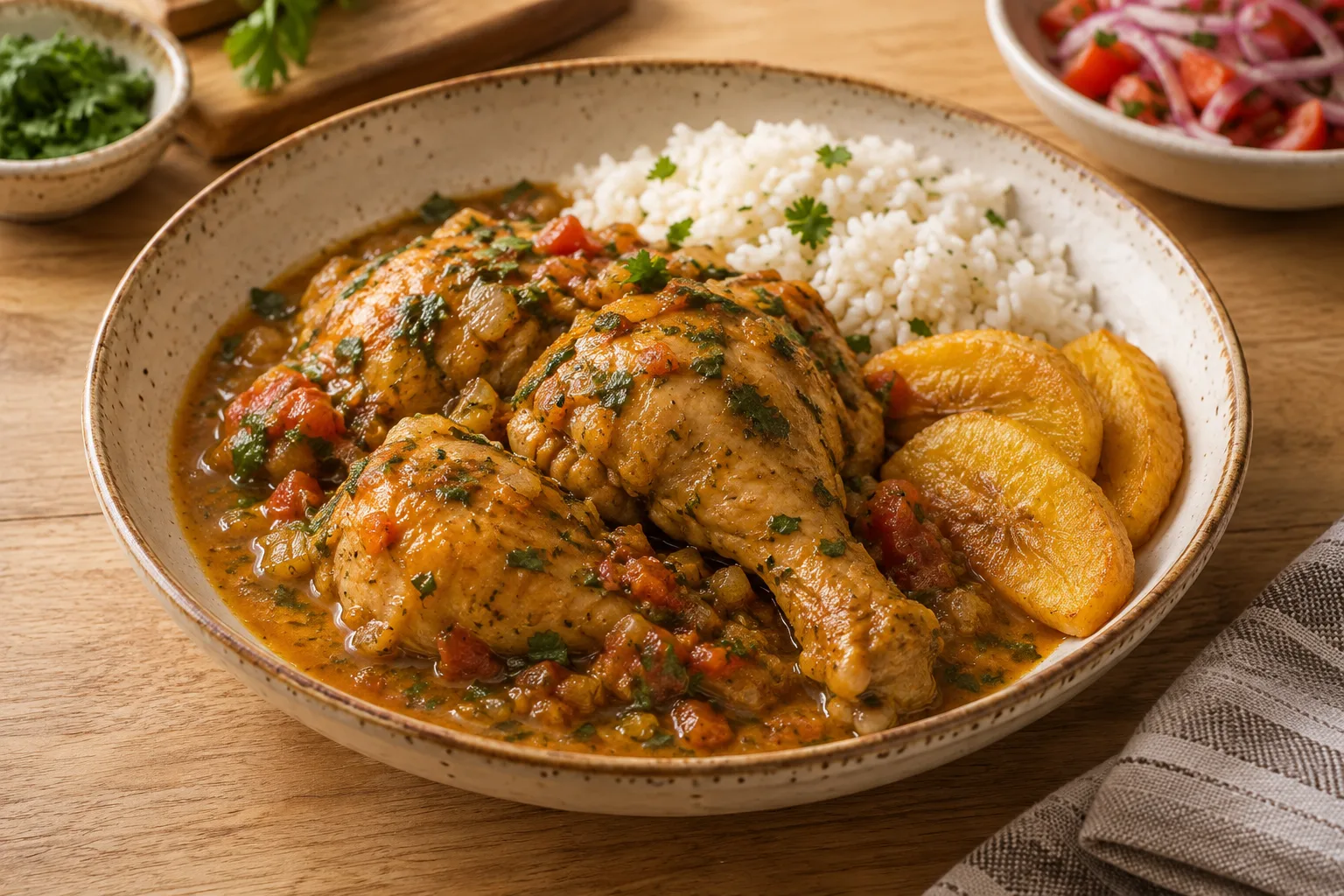
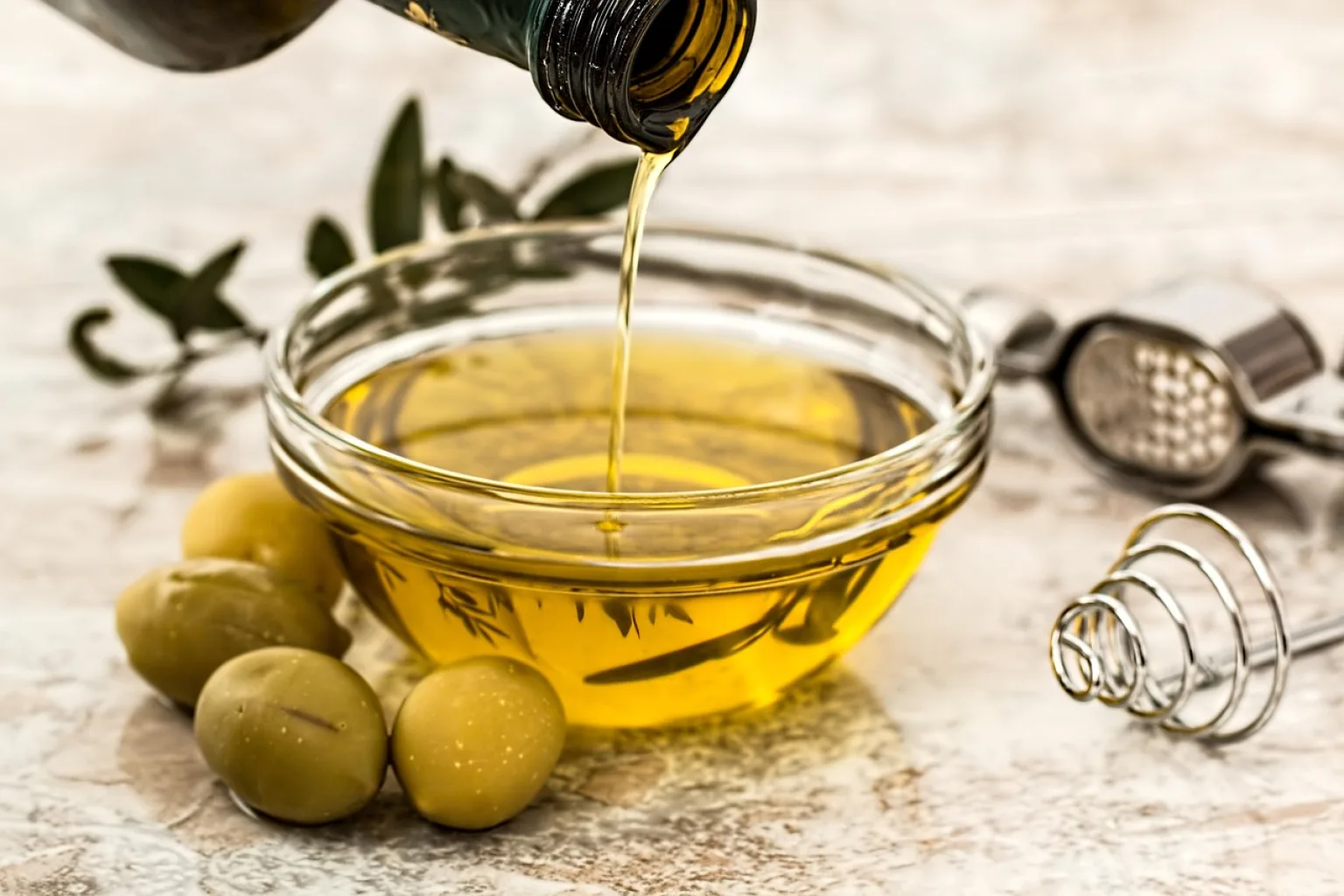
Achiote oil is a culinary oil made by heating annatto seeds in oil and removing the seeds after they have colored and flavored the oil. Annatto comes from the seeds of Bixa orellana and is also known in some places as achiote, onoto, or urucum. The finished product is liquid and can serve both as a cooking fat and as a culinary coloring ingredient. It is not the same format as annatto seeds, powder, or paste; those ingredients have different textures and are used differently. Color and flavor intensity can vary with the product and the amount used.
When to use it
Use achiote oil when you want a red-orange tint and a gentle annatto character without adding whole seeds or a paste. It can be used in rice and stews, or to color meat, fish, and marinades. Since the flavor may be subtle, begin with a small amount and adjust to suit the dish. If a recipe depends on the concentrated flavor of annatto paste, oil may not be an equivalent substitute: it contributes fat and color, but not necessarily the same concentration or composition.
How to use it
Add achiote oil to a skillet or pot as you would another cooking oil, or mix a small amount into a marinade. To make a homemade version, heat annatto seeds in oil so they color it, then remove the seeds before cooking or serving; strain them out if you do not want a grainy texture. Start with a little, mix thoroughly, and check the color before adding more. It can be used in rice, stews, and meat or fish preparations. Follow the package directions for a commercial product, and do not add fresh ingredients to oil for storage.
Flavour and texture
Achiote oil is fluid, with a reddish or orange hue that varies with the product and how it is made. The infusion can provide a gentle annatto note, while the spice itself may taste more earthy and peppery when used in larger amounts. Do not assume the oil will have the intensity of concentrated paste; its character depends on how much annatto was used.
How to choose it
Look for a product labeled achiote oil or annatto oil, and check its ingredients and directions for use. Color and flavor intensity may differ among brands and preparations. Choose an intact, sealed container with no visible signs of damage or spoilage. If you want a mild flavor, choose a product whose label describes culinary use and begin by testing a small amount.
Storage
Follow the product’s storage directions, since formulations and production methods can vary. As a practical precaution, keep the oil tightly closed and away from heat and light. A validated shelf life for every commercial or homemade version is not established here, so do not assume that homemade oil can be stored at room temperature for a particular period. Avoid adding fresh garlic or herbs to oil for storage.
Substitutions
A neutral vegetable oil can replace it when a recipe needs cooking fat, but it will not provide annatto’s color or flavor. Annatto paste or powder may contribute color and flavor, but they are not direct one-for-one replacements: their texture and fat content differ. Adjust the recipe carefully.
Common mistakes
Adding too much oil at once can make the color stronger and change the dish’s fat balance. Do not treat achiote oil as interchangeable with annatto paste or powder, which differ in concentration and texture. Do not assume every product has the same flavor or storage directions; check the label and avoid storing fresh ingredients in the oil.
Safety and allergens
Follow the product label and use clean utensils. Do not store fresh garlic or herbs submerged in oil unless using a validated preservation method: oils containing these ingredients can create conditions that allow Clostridium botulinum to grow. This specific warning does not establish the shelf life of achiote oil; follow the manufacturer’s directions and do not invent a storage period for homemade preparations.
Culinary uses
- Aportar color rojo anaranjado a preparaciones
- Añadir un matiz suave de achiote y una base grasa para cocinar
Recommended techniques
- Infusionar aceite con semillas de achiote y retirar las semillas antes de usar
- Usar como aceite de cocción o añadir en pequeñas cantidades para colorear y sazonar
Pairs well with
- Arroces y guisos
- Carnes, pescados y marinados
Frequently asked questions
What is achiote oil used for?
It is used as a cooking oil and to add a red-orange color and gentle annatto flavor to foods such as rice, stews, and marinades.
How is achiote oil made?
Annatto seeds are heated in oil to color it, then removed. Do not improvise proportions or storage practices if you need a safe, stable preparation.
Is achiote oil the same as annatto paste?
No. The oil is liquid and contributes fat, while paste is more concentrated and has a different texture. They are not always interchangeable in equal amounts.
Ingredient allergens
Allergen listThere are no verified associations for these ingredients yet.
Sources and review
Automatically researched, cross-checked and validated content. Sources consulted:
- The Essential Glossary of Cooking Terms for the Culinary Arts - Escoffier www.escoffier.edu/blog/culinary-arts/the-essential-glossary-of-cooking-terms-for-the-culinar…
- Glimpses of an 18th century Colonial Kitchen in Manila archium.ateneo.edu/cgi/viewcontent.cgi?article=1610&context=kk
- EFNEP Hispanic Heritage Recipes | Community Nutrition | Extension/College of Agriculture, Health & Natural Resources | University of Connecticut communitynutrition.cahnr.uconn.edu/efnep-hispanic-heritage-recipes/
- A Recipe for Memory: Hispanic Heritage as Told Through Cultural Dishes news.sunyempire.edu/a-recipe-for-memory-hispanic-heritage-as-told-through-cultural-dishes/
- How to Safely Make Infused Oils: Best Practices for Food Safety | CAES Field Report fieldreport.caes.uga.edu/publications/C1334/how-to-safely-make-infused-oils/
- El achiote como especia | El Huerto Urbano www.elhuertourbano.net/el-achiote-como-especia/
- ¿Qué es el achiote y de dónde viene? - La Anita www.laanita.com/que-es-el-achiote-donde-viene-el-achiote/
- El achiote: sabor, usos y beneficios | Blog UNITEC blogs.unitec.mx/vida-universitaria/el-achiote-a-que-sabe-y-como-se-usa/
- Achiote: qué es, su origen, usos y beneficios | Cocinatis www.cocinatis.com/como-cocinar/consejos-trucos/achiote-que-es_1_1002399.html
- Cocina Fácil, de la Despensa a la Mesa Enlaces de Nutrición - Número #8 extension.psu.edu/cocina-facil-de-la-despensa-a-la-mesa-enlaces-de-nutricion-numero-8/
- Tocotrienoles del Aceite de Semilla de Achiote doi.org/10.31003/uspnf_m5532_02_02
- Rescate y conservación del en México - AgEcon Search ageconsearch.umn.edu/record/352232/files/Arrazate2.pdf