- Category
- Sauces and condiments
- State
- Preserved
- Usual unit
- tablespoon
What it is
Apricot jam is a preserved fruit spread made with apricots and other ingredients that can vary by recipe and product. It is ready to use and is commonly spreadable, though it may be smooth or contain fruit pieces. It can be served at breakfast or as a snack, and used in cakes, scones and some main dishes. Products do not all have the same ingredients, fruit content, sweetness or consistency. Check the label when a particular texture or ingredient matters for your recipe or dietary needs.
When to use it
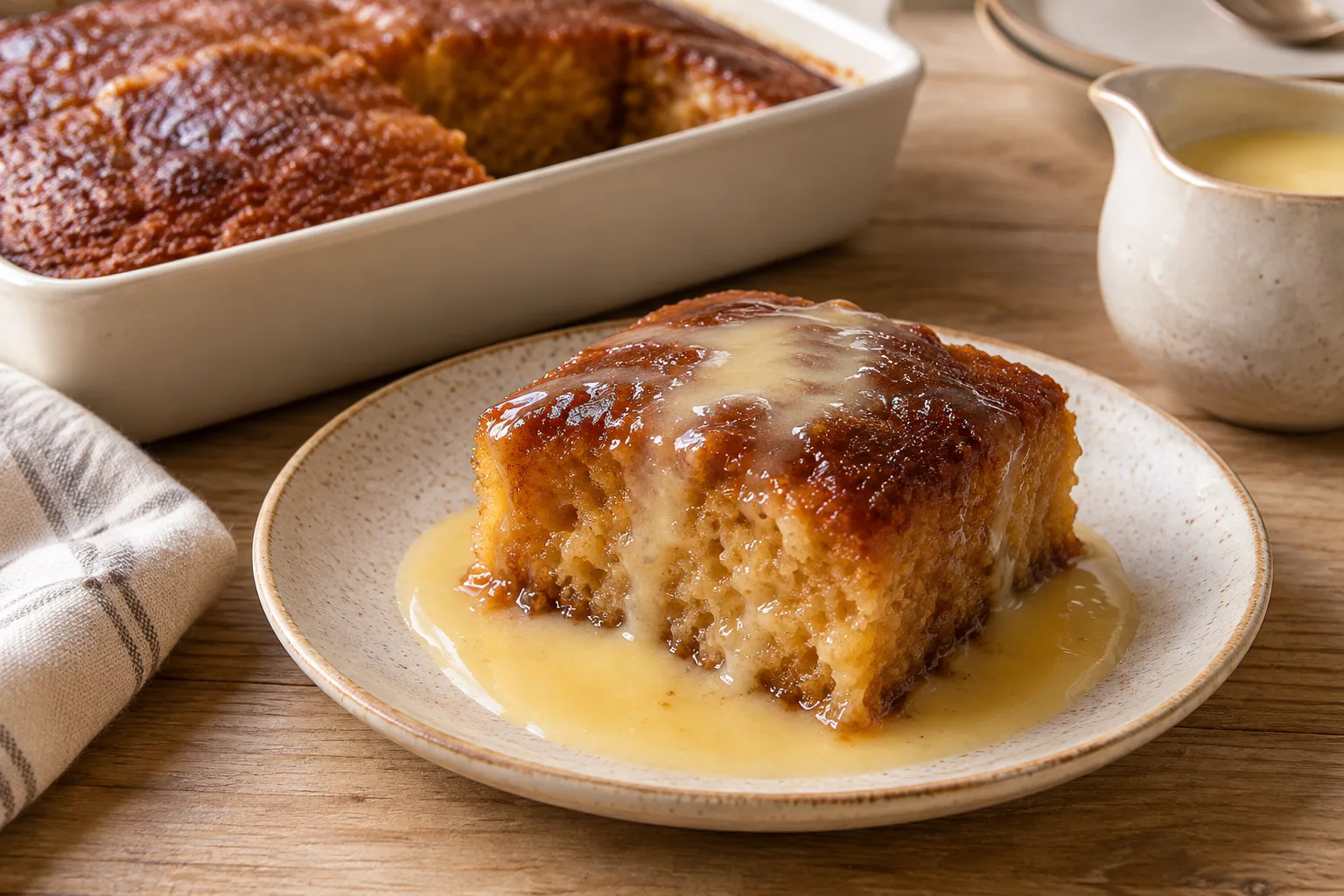
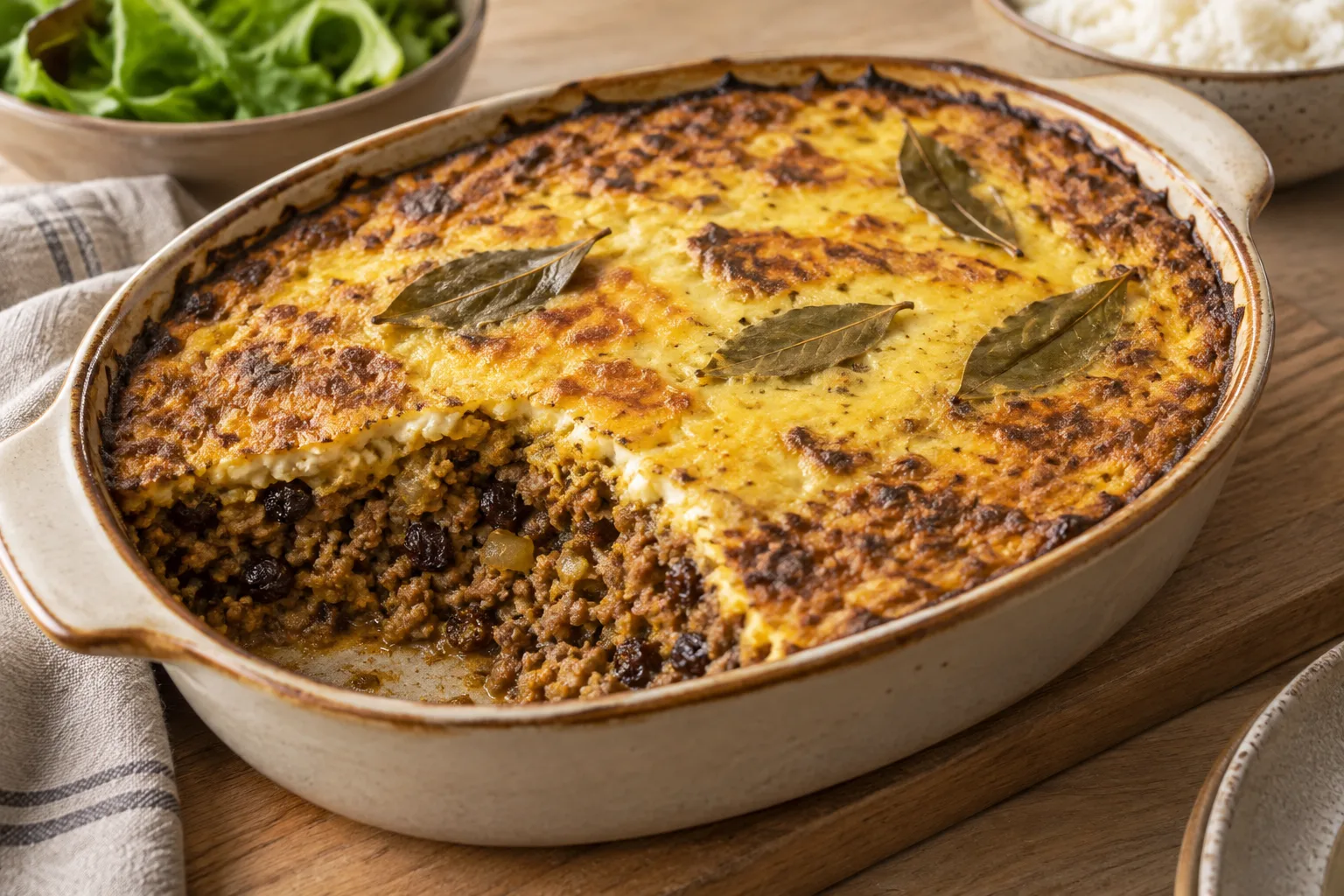
Use apricot jam when you want a sweet fruit note on toast, bread or baked goods. It can also accompany some savory dishes, such as lamb, when a sweet contrast suits the meal. Before adding it to a cooked recipe, consider that products vary in sweetness and texture, which can affect the result. If you need a replacement, choose another fruit preserve that matches the flavor and consistency you want, and expect that the result may differ.
How to use it
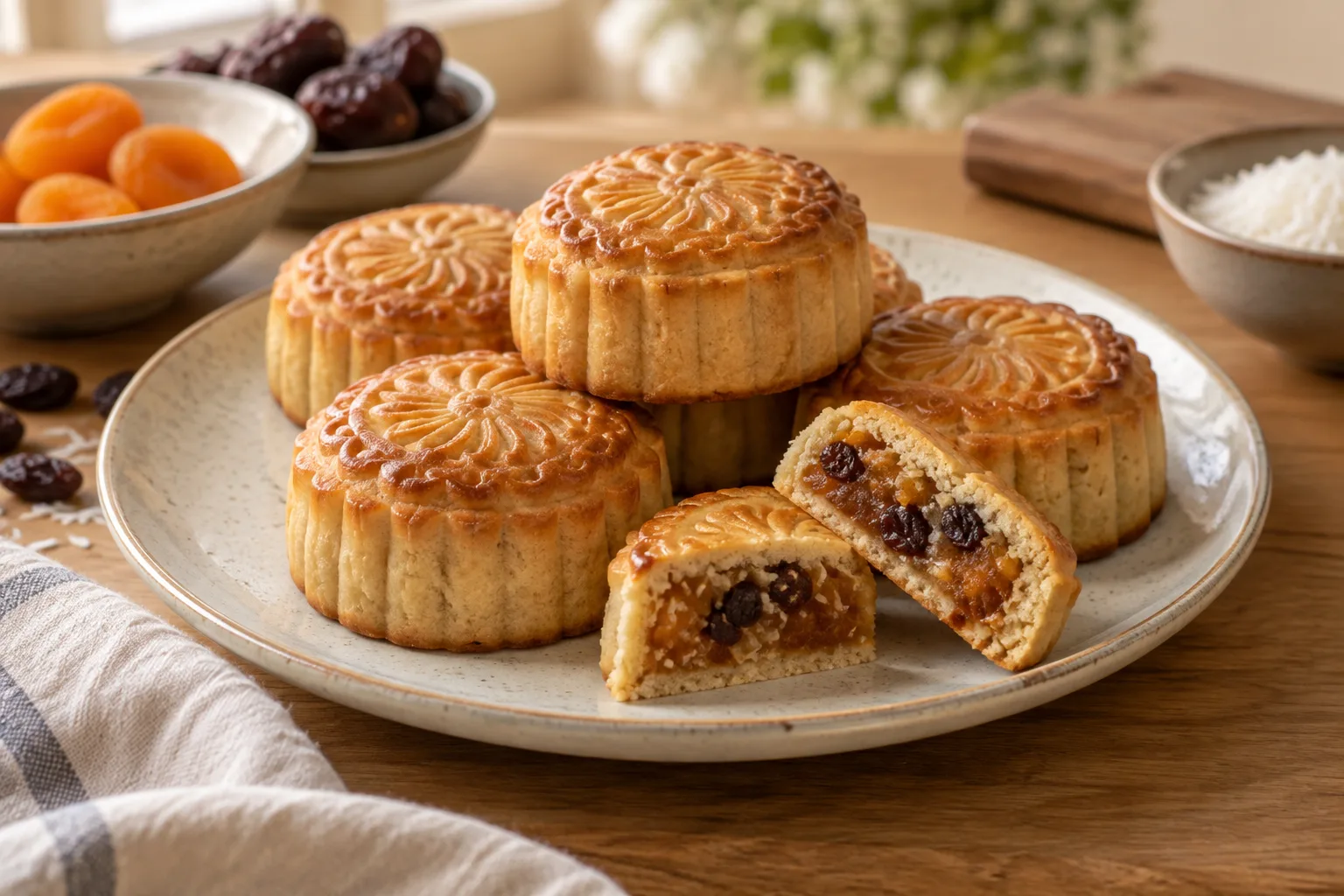
If the contents have settled, stir the jam gently, then spread it directly onto bread or toast. For cakes and scones, use it as a layer or filling, keeping in mind that some products are firmer or contain fruit pieces. You can also serve a small amount beside a savory dish, such as lamb, to add a sweet contrast. Follow the recipe when the jam is part of a cooked preparation. Refrigerate the product after opening and use a clean utensil when serving.
Flavour and texture
Apricot jam tastes sweet and fruity, with a character that reflects the apricot; its exact intensity depends on the fruit and formulation. Its texture can be smooth and easy to spread or include fruit pieces, and it may be relatively loose or firm. Consider these differences when using it as a filling or accompaniment, since products do not behave identically in recipes.
How to choose it
Choose a properly sealed jar and check its label for ingredients, product details and storage instructions. Brands and recipes can differ in sweetness, consistency and the presence of fruit pieces, so select a texture that suits the intended use. If you have a dietary concern, read the ingredient list and allergen information on the package rather than assuming all apricot jams have the same composition.
Storage
Store an unopened jar as directed on its label and refrigerate it after opening. Use a clean utensil and close the jar promptly. Do not eat the jam if you notice mold, fermentation or bubbles that are moving; these can be signs of spoilage. Removing only the visible affected portion does not make a spoiled product safe.
Substitutions
If apricot jam is unavailable, another fruit jam or preserve can work when the recipe can accommodate a different fruit flavor. Another apricot preserve may still differ in sweetness and consistency, so adjust its use to the recipe. Do not assume a substitute will produce exactly the same result, especially in a cake layer or filling.
Common mistakes
Do not assume every brand has the same sweetness, texture or ingredients; check the label and adapt how you use it. Avoid putting a dirty utensil into the jar, and do not leave an opened product unrefrigerated when its label calls for refrigeration. Never taste jam with mold, signs of fermentation or moving bubbles; discard it instead.
Safety and allergens
Refrigerate after opening and follow the package directions. Do not eat jam with mold, fermentation or moving bubbles, which can signal spoilage. For home-preserved jam, use tested preparation and canning instructions; a sealed jar alone is not proof that a preserve is safe.
Culinary uses
- sweet spread
- fruit component for baking and desserts
- sweet counterpoint for savory dishes
Recommended techniques
- spread or spoon onto bread and baked goods
- use as a layer or filling in cakes and scones
- serve alongside cooked meat as a sweet accompaniment
Pairs well with
- toast and bread
- cakes and scones
- lamb
Frequently asked questions
How can I use apricot jam?
Spread it on toast, use it as a layer or filling in cakes and scones, or serve it as a sweet accompaniment to some savory dishes.
Does apricot jam always have the same texture?
No. It may be smooth or contain fruit pieces, and sweetness and consistency vary by recipe and product. Check the jar before using it in a recipe.
How should I store an opened jar?
Refrigerate it after opening, keep it closed and serve it with a clean utensil. Follow the package instructions as well.
What should I do if I see mold or moving bubbles?
Do not eat the jam. Mold, fermentation or moving bubbles can indicate spoilage.
Ingredient allergens
Allergen listThere are no verified associations for these ingredients yet.
Estimated nutrition
- Fat
- 0 g
- Saturates
- 0 g
- Carbohydrate
- 53.3 g
- Sugars
- 46.7 g
- Fibre
- 0 g
- Protein
- 0 g
- Salt
- 0 g
Sources and review
Automatically researched, cross-checked and validated content. Sources consulted:
- ¿Por qué la muerte es origen de miedos y tabúes? doi.org/10.64628/aao.fccyk3qj3
- Gastronomía del Perú - Wikipedia, la enciclopedia libre es.wikipedia.org/wiki/Gastronom%C3%ADa_del_Per%C3%BA
- Jams and jellies: Problems and solutions | Servicio de Extensión de OSU extension.oregonstate.edu/es/food/preservation/jams-jellies-problems-solutions
- CARACTERIZACIÓN DE COMPUESTOS VOLÁTILES EN ... diposit.ub.edu/bitstreams/eef67640-f436-4f37-b19a-e33bbc33b60c/download
- Evolución del léxico culinario desde 1932 a 1972 | OpenAlex openalex.org/W2291578502
- Cómo hacer mermelada de albaricoque: receta psbproduccionvegetal.com/como-hacer-mermelada-de-albaricoque-casera-paso-a-paso/
- La mermelada de albaricoque Helios y su inmejorable origen - Helios www.helios.es/la-mermelada-de-albaricoque-helios-y-su-inmejorable-origen/
- MERMELADA DE ALBARICOQUE O ALBARICOQUES jolineeses.blogspot.com/2017/09/mermelada-albaricoque.html
- Mermelada de albaricoque casera - No quieres caldo? ... Pues toma 2 tazas. www.puestoma2tazas.com/mermelada-de-albaricoque-casera/
- Mermelada de albaricoque – Agromart agromart.es/es/mermelada-de-albaricoque/
- Mermelada casera de Albaricoques: Receta paso a paso www.elciruelo.com/mermelada-casera-de-albaricoques-receta-paso-a-paso/
- Mermelada de albaricoque - by Marta Miranda - Crockpotting www.crockpotting.es/p/mermelada-de-albaricoque