- Category
- Fruit
- State
- Fresh
- Usual unit
- unit
What it is
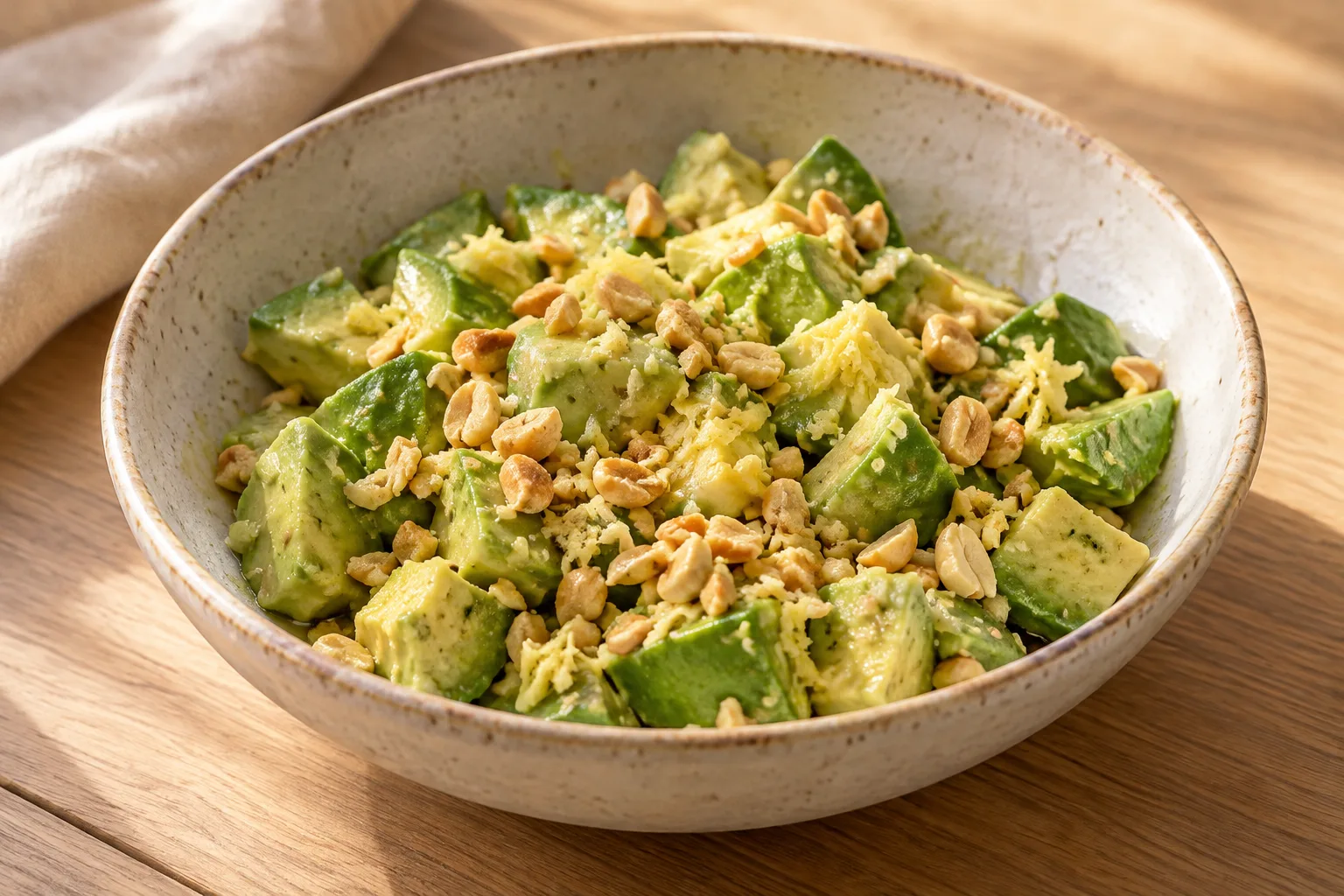
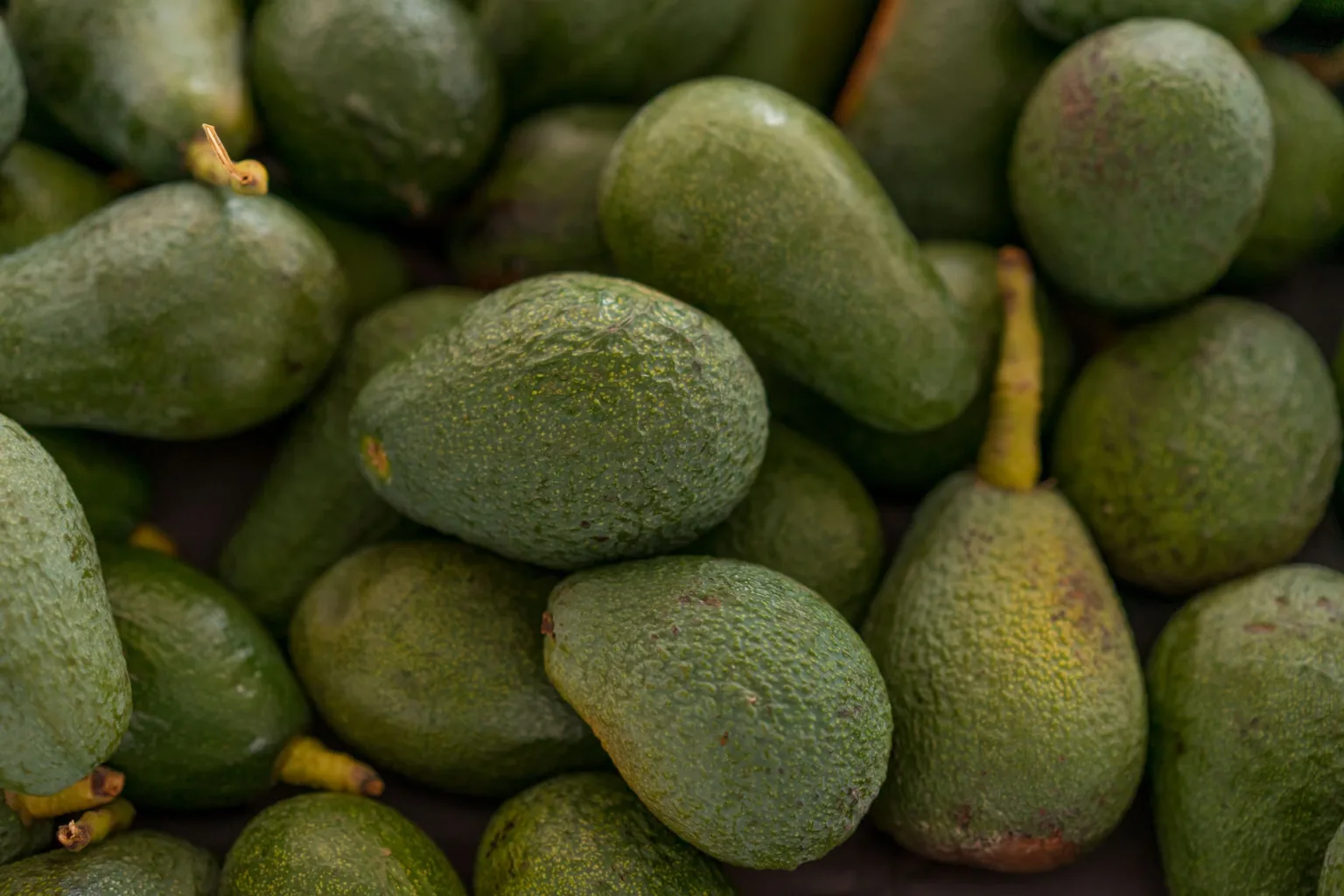
Avocado is the fruit of the avocado tree, botanically known as Persea americana, and belongs to the Lauraceae family. Although it is commonly served in savory dishes and is not notably sweet, it is a fruit. Inside, a large seed is surrounded by edible flesh that is dense and creamy. Varieties differ in shape, size, skin, and texture, so outer color is not a universal measure of ripeness. In cooking, the flesh is the part usually used: it can be sliced, mashed, or mixed into sauces, toast toppings, and salads.
When to use it
Use avocado when you want to add creamy texture to toast, salads, sauces, or savory meals. For slices that hold their shape, choose a fruit that feels relatively firm; a softer one can be easier to mash for guacamole or a sauce. Appearance and availability vary by variety and market, so do not assume every avocado ripens or changes color in the same way. Choose fruit according to the planned preparation and check its firmness gently before using it.
How to use it
Wash and dry the outside before cutting, and use a clean knife and cutting board. Cut the fruit open, remove the seed carefully, and scoop out the flesh or cut it into slices or pieces. Serve it on toast, toss it with vegetables and other salad ingredients, or mash it to make guacamole and sauces. It can also complement dishes with grains, legumes, eggs, or fish. Add it shortly before serving if appearance matters; the cut surface may darken when exposed to air.
Flavour and texture
Avocado flesh is generally smooth, dense, and creamy, with a mild flavor that suits both savory and sweet ingredients. Firmness and flavor intensity vary by variety and ripeness: firmer fruit is easier to slice neatly, while softer flesh is more convenient for mashing into sauces or guacamole. Skin also varies, and not all varieties show the same color as they ripen. Once cut, the exposed surface may darken in contact with air; that change in appearance alone does not describe the overall quality of the fruit.
How to choose it
Choose avocados without obvious damage and with firmness suited to when you plan to use them. For neat slices, look for a fruit that still feels firm; for mashing, a softer one may be more convenient. Shape, size, and color depend on variety, so do not use color as your only ripeness test. If buying several, select different degrees of firmness so they are not all ready at once. Avoid squeezing hard, as this can bruise the flesh.
Storage
Treat fresh avocado as perishable and handle it with clean hands and utensils. Once cut or prepared, cover it and refrigerate it, then use it promptly; there is no single storage period that applies to every piece and home condition. The exposed flesh may darken in contact with air, so limiting exposure helps preserve its appearance. Do not rely on appearance or smell alone to decide whether food is safe. If you are unsure about its condition, do not taste it.
Substitutions
In some preparations, avocado can stand in for butter or certain richer sauces, but it will not provide exactly the same flavor or consistency. These swaps work best when a creamy texture is wanted and the dish suits avocado’s mild taste. There is no universal replacement ratio: start with a modest amount and adjust to the recipe. For a salad or toast, you can also leave it out or choose another available topping, while expecting a different result.
Common mistakes
Do not judge ripeness by color alone: varieties can have different skin colors and color changes. Avoid pressing hard when shopping or checking a fruit, since this can bruise the flesh. Another common mistake is expecting avocado to stay the same color after cutting; the exposed surface may darken in air. Do not use a very firm fruit for a preparation that depends on easily mashed flesh, and do not assume softness by itself proves that food is safe.
Safety and allergens
Wash your hands and use clean knives, boards, and surfaces when handling avocado. Keep perishable preparations refrigerated and avoid leaving fresh food at room temperature for extended periods. Do not taste food that seems questionable; if you are unsure about its condition, discard it. Flesh color can change after cutting and is not, by itself, enough to determine whether food is safe.
Culinary uses
- Base cremosa para salsas y guacamole
- Acompañamiento o cobertura para tostadas y ensaladas
- Ingrediente para platos salados
Recommended techniques
- Cortar en láminas o trozos
- Aplastar la pulpa para preparar guacamole o una salsa
Pairs well with
- Verduras
- Cereales
- Legumbres
- Huevos
- Pescado
Frequently asked questions
Is an avocado a fruit or a vegetable?
It is a fruit of the avocado tree, even though it is often used in savory cooking.
How can I use a ripe avocado?
Slice it for toast or salads, or mash it to make guacamole and sauces.
Why does avocado flesh darken after cutting?
The cut surface may darken when it meets air. Limiting its exposure helps preserve its appearance.
Ingredient allergens
Allergen listThere are no verified associations for these ingredients yet.
Estimated nutrition
- Fat
- 15 g
- Saturates
- 1.67 g
- Carbohydrate
- 10 g
- Sugars
- 0 g
- Fibre
- 6.7 g
- Protein
- 3.33 g
- Salt
- 0 g
Sources and review
Automatically researched, cross-checked and validated content. Sources consulted:
- Client Challenge doi.org/10.2307/jj.27939689.16
- Food Selection & Storage | Home & Garden Information Center hgic.clemson.edu/factsheet/food-selection-storage/
- Food Storage for Safety and Quality - El Paso County Extension elpaso.extension.colostate.edu/wp-content/uploads/sites/44/2020/03/Food-Storage-and-Quality.…
- revista del - Comité Científico www.aesan.gob.es/dam/jcr:c6a76f54-0d6e-43b4-ad26-ac603ba37960/comite_cientifico_38.pdf
- E-118: Storing Food Safely | New Mexico State University - BE BOLD. Shape the Future. pubs.nmsu.edu/_e/E118/
- Preserving Avocados to Enjoy All Year - Online | UC Master Food Preserver Program of Orange County ucanr.edu/site/uc-master-food-preserver-program-orange-county/event/preserving-avocados-enjo…
- Save Money & Waste Less with These 6 Food Storage Tips - Food Rescue MAINE umaine.edu/foodrescuemaine/2021/07/27/save-money-waste-less-with-these-5-food-storage-tips/
- Aguacate: variedades, propiedades y recetas | IFEMA MADRID www.ifema.es/noticias/alimentacion-bebidas/propiedades-aguacate-guia
- Aguacate, cosas que tal vez no sepas - Formacion en Gastronomia www.formacionengastronomia.com/cocina-latina/aguacate-cosas-que-tal-vez-no-sepas/
- Aguacate: Propiedades, beneficios y cómo consumirlo mercadosantamariadelacabeza.es/blog/productos-temporada/aguacate-propiedades-beneficios