- Category
- Vegetables
- State
- Fresh
- Usual unit
- unit
What it is
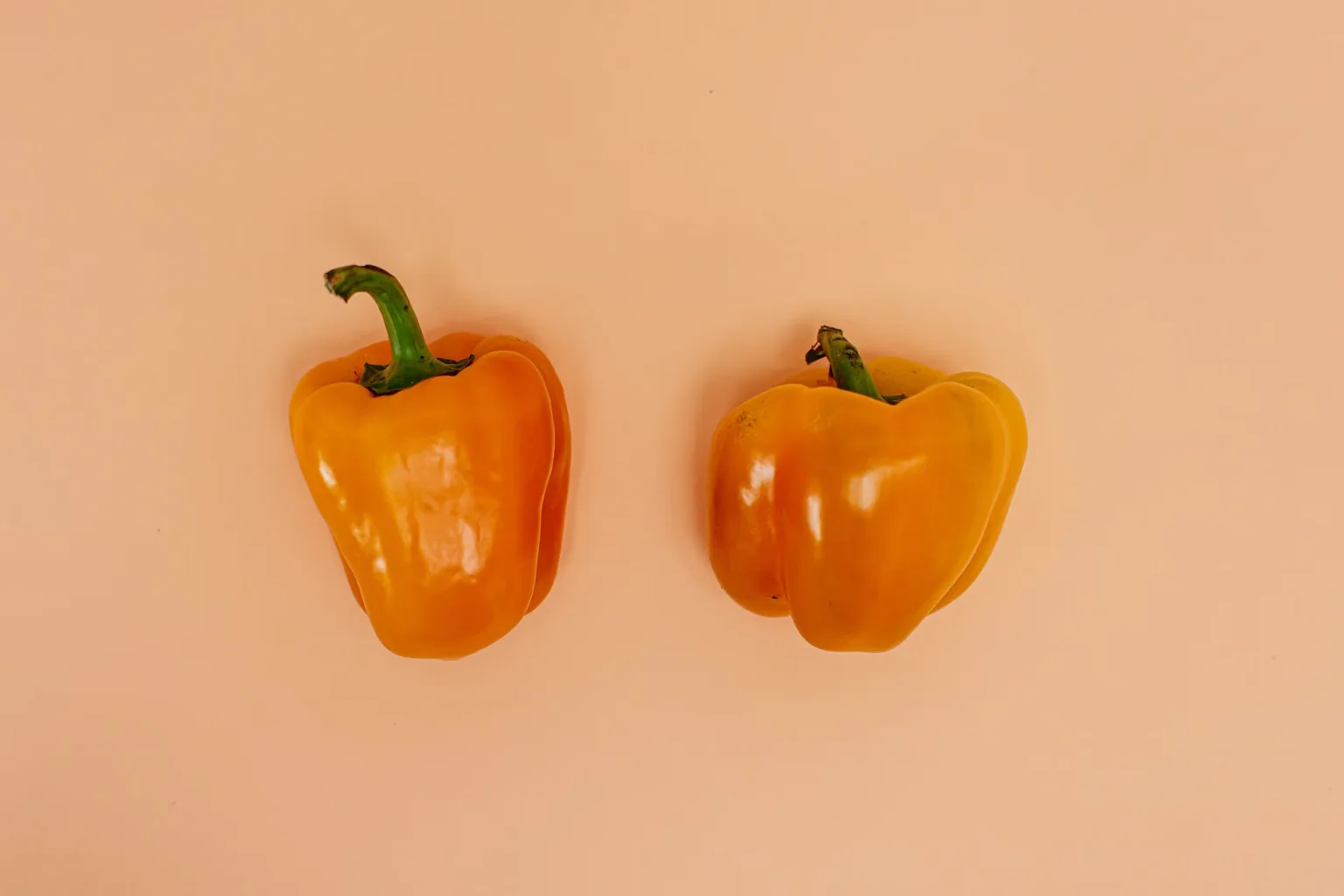
A bell pepper is the edible fruit of a plant in the Capsicum genus. In cooking it is treated as a vegetable, although botanically it is a fruit. Sweet peppers come in different shapes and colors, including green, red, yellow, and orange; their flavor and texture can vary. Green peppers tend to taste more vegetal, while ripe red peppers can be sweeter. Some varieties are hot, so the word “pepper” alone does not guarantee a mild flavor. A fresh bell pepper is also different from paprika, which is a spice made from dried, ground peppers.
When to use it
Choose fresh bell peppers when you want a crisp ingredient for salads or a colorful, moist vegetable in a cooked dish. Thick-fleshed peppers are useful for roasting or stuffing, while longer varieties can suit cooked preparations and frying. Green peppers bring a more vegetal flavor; ripe red peppers can taste sweeter. For stews, sauces, and vegetable dishes, select a variety for the flavor and texture you want. If a recipe calls for ground paprika, fresh pepper is not a direct replacement.
How to use it
Wash the pepper before preparing it, then dry it if you want it to brown more readily. For raw dishes, cut it into strips or dice and add it to a salad or serve it with other vegetables. For cooking, remove the stem and, if desired, the seeds and inner membranes; cut the flesh to suit the recipe. Roast it until tender, fry it, or add it to a stew with other vegetables. Roasted peppers can also be used in mixed vegetable dishes, and suitably shaped peppers can be stuffed. Choose a cut that suits the dish and check the texture as it cooks, since variety and thickness affect the result.
Flavour and texture
Flavor depends on variety and ripeness. In general, green peppers taste more vegetal and less sweet, while ripe red peppers can be sweeter and more aromatic. Yellow and orange peppers offer other mild, fruity profiles. Raw pepper flesh is usually firm, moist, and crisp; roasting or cooking softens it and can bring out a sweeter impression. Some varieties are hot, so check what type you have if you need a mild result.
How to choose it
Choose peppers that feel firm and crisp, with smooth skin and flesh that appears substantial. Avoid specimens with soft areas, mold, or obvious signs of decay. Consider color and shape in relation to how you plan to cook them: thick-fleshed peppers are useful for roasting or stuffing, while other varieties may suit frying or cooking in strips. Color can suggest a flavor profile, but variety matters too. If you want a mild result, check that the pepper is a sweet variety.
Storage
Keep fresh peppers clean and use them before signs of spoilage appear. Discard peppers with mold or rotten areas rather than trying to salvage them. To freeze peppers, wash them thoroughly and follow a reliable procedure for preparing and packing vegetables for the freezer; use clean, freezer-suitable containers. Freezing can change texture, so thawed peppers are generally more suitable for cooked dishes than for serving raw. No specific storage period is given here.
Substitutions
A sweet pepper of another color can often stand in for the one named in a recipe, but sweetness, aroma, and texture may differ. A sweet Italian pepper may work in some cooked dishes, particularly when its long shape suits the cut or cooking method. To keep a dish mild, do not substitute a hot variety. Fresh peppers are not an exact replacement for paprika, which is dried and ground.
Common mistakes
Do not assume that every pepper is sweet: some varieties are hot. Nor are all colors and shapes interchangeable in every dish; flesh thickness, flavor, and cooking behavior can differ. If a recipe calls for ground paprika, do not simply replace it with fresh pepper. Avoid using peppers with visible mold or decay.
Safety and allergens
Wash peppers thoroughly before preparing them and discard any with visible mold or decay. If the variety is unfamiliar, remember that some peppers can be hot.
Culinary uses
- Fresh, crisp ingredient for salads and raw vegetable dishes
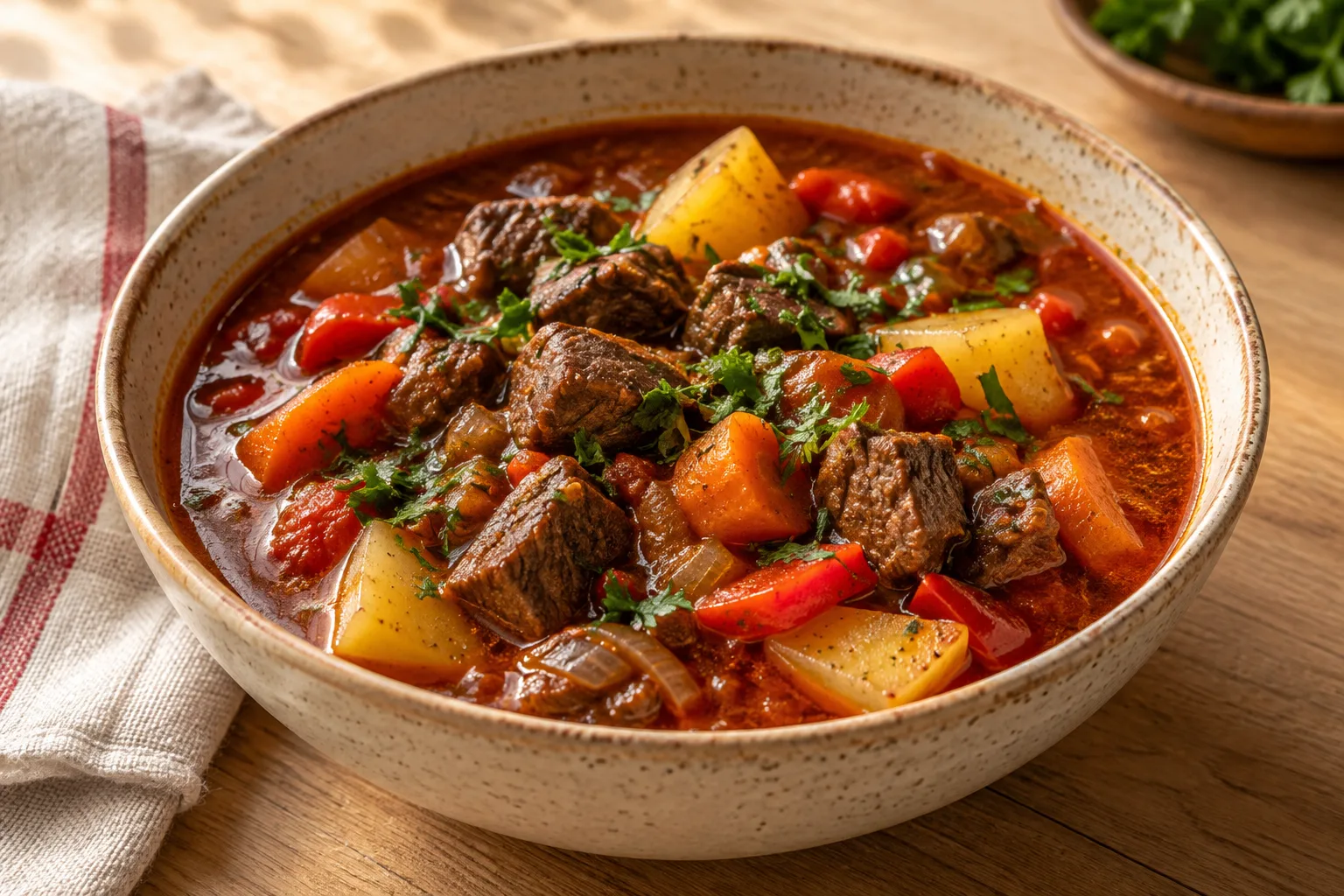
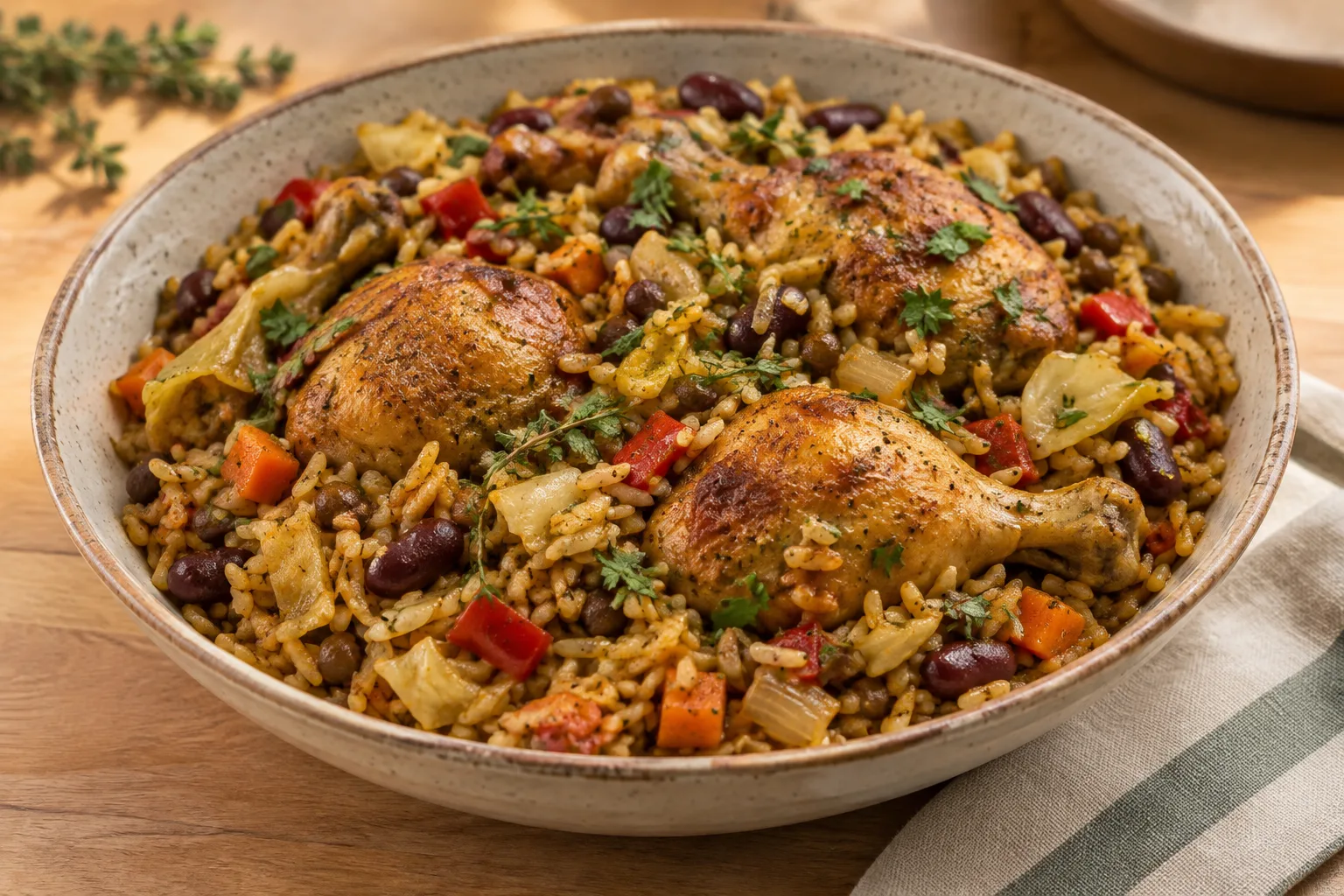
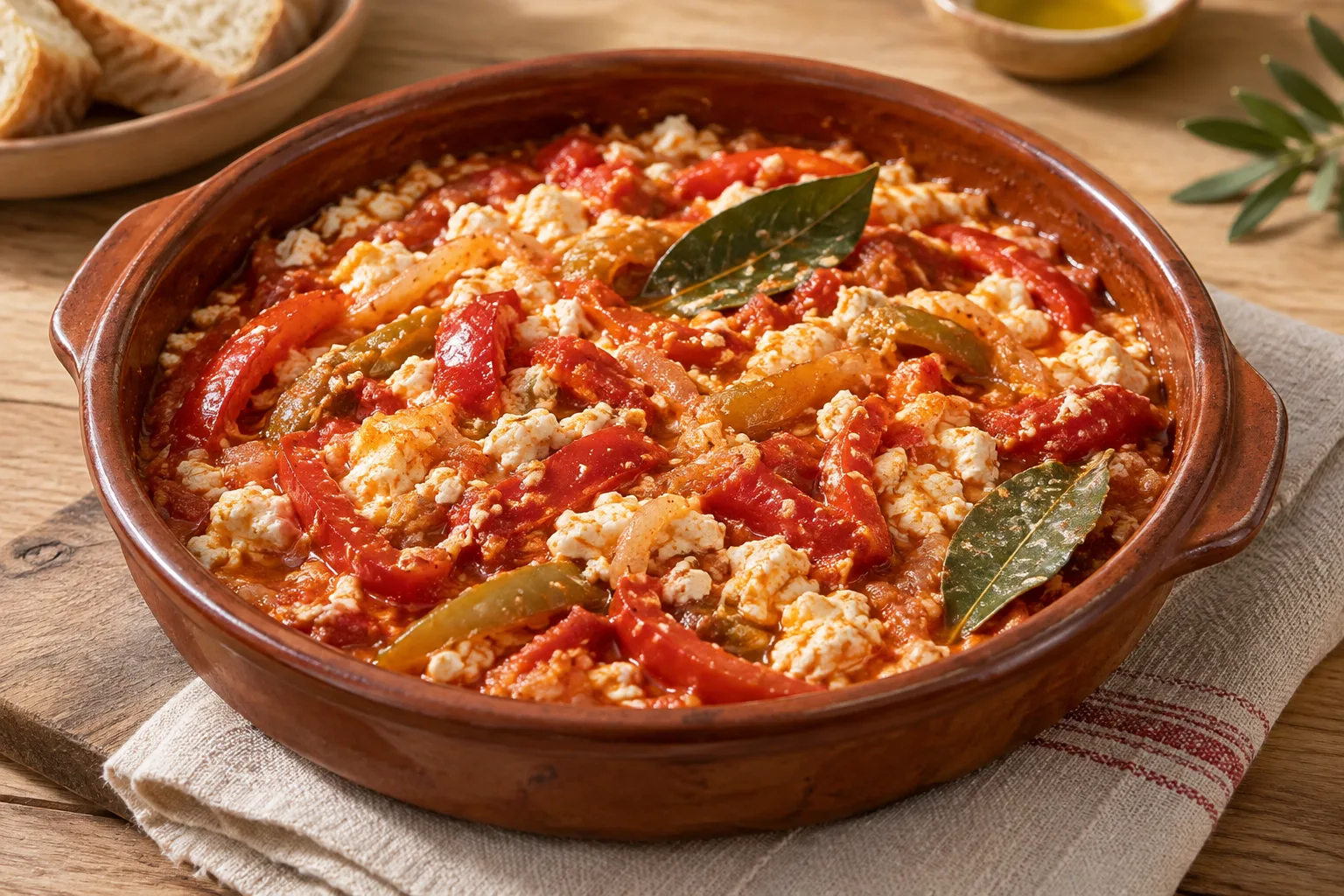
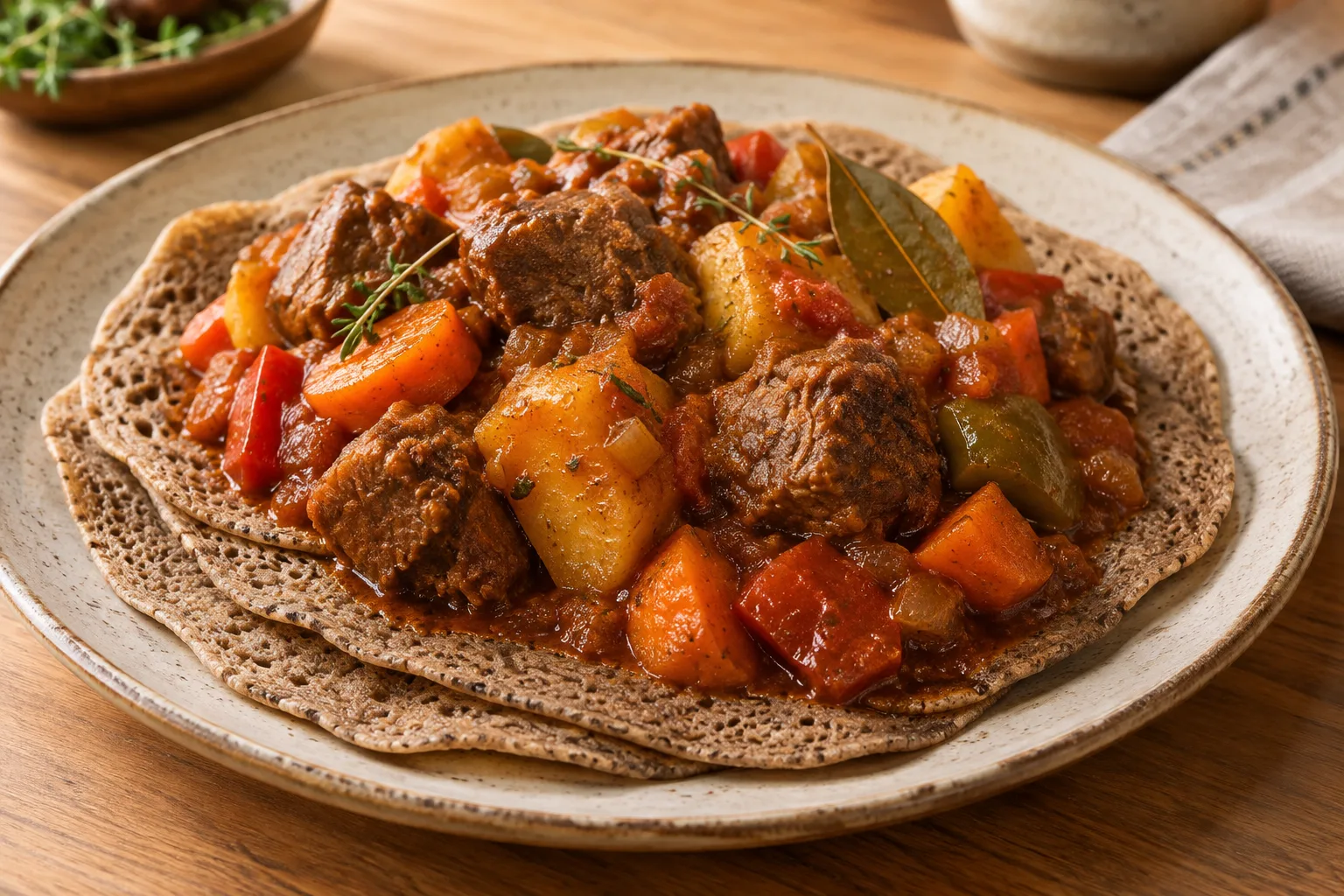
- Cooked vegetable for roasting, frying, stuffing, sauces, and stews
Recommended techniques
- Eat raw, sliced or diced
- Roast, fry, or cook in a stew
- Remove the stem, seeds, and inner membranes when desired
Pairs well with
- Tomatoes and eggplant in vegetable stews
- Onion and other vegetables in roasted vegetable dishes
- Fish or meat as a cooked accompaniment
Frequently asked questions
Is a bell pepper a fruit or a vegetable?
Botanically it is a fruit; in cooking it is usually treated as a vegetable.
Are all bell peppers sweet?
No. Some varieties are sweet and others are hot, so the name alone does not always indicate heat level.
Is a fresh bell pepper the same as paprika?
No. Paprika is a powdered spice made from dried, ground peppers.
Ingredient allergens
Allergen listThere are no verified associations for these ingredients yet.
Estimated nutrition
- Fat
- 0 g
- Saturates
- 0 g
- Carbohydrate
- 4.71 g
- Sugars
- 2.35 g
- Fibre
- 1.2 g
- Protein
- 1.18 g
- Salt
- 0 g
Sources and review
Automatically researched, cross-checked and validated content. Sources consulted:
- En el etiquetado alimentario hay algunas menciones que son obligatorias eletiquetadocuentamucho.aesan.gob.es/obligatoria.html
- ¿Por qué la muerte es origen de miedos y tabúes? doi.org/10.64628/aao.fccyk3qj3
- Client Challenge doi.org/10.2307/jj.27939689.16
- Pimentón - Wikipedia, la enciclopedia libre es.wikipedia.org/wiki/Piment%C3%B3n
- El pimiento ecológico: un ingrediente principal en nuestras cocinas www.afuegolento.com/articulo/el-pimiento-ecologico-ingrediente-principal-nuestras-cocinas/51…
- El “lujo culinario”: elites, cocina y poder en el espacio Atlántico | OpenAlex openalex.org/W4408399161
- Publicaciones de Seguridad alimentaria www.aesan.gob.es/actualidad/publicaciones-seguridad-alimentaria
- Preserve Smart apps.chhs.colostate.edu/preservesmart/produce/freezing/peppers-chilipimiento/
- Para la ciudadanía www.aesan.gob.es/para-la-ciudadania
- El pimiento en la gastronomía española: denominaciones de origen, usos y propiedades - Conciencia Eco www.concienciaeco.com/2025/08/04/el-pimiento-en-la-gastronomia-espanola-denominaciones-de-or…
- Receta de pimientos confitados para maridar con vinos: análisis y comparativa de las mejores bebidas alcohólicas adegadatiacarmen.es/receta-pimientos-confitados/
- Pimientos: variedades y usos en cocina - CocinoPedia.com www.google.com/goto?url=CAEShAEB6zswFUYkBIsULaM6tGhpedkEc3SLrY-RIZegHaP1A4opM_XfGqU0sfU9Td_1…
- "El ají, que es su pimienta". El pimiento americano como alternativa fallida a la pimienta asiática: Usos, textos y representaciones | OpenAlex openalex.org/W7113145989
- Padron Pimientos y su maridaje perfecto: comparativa de los mejores quesos y embutidos para realzar su sabor www.google.com/goto?url=CAESZgHrOzAVPKyFKdXNnppo0-vuyltQcFUOLoedJwLIPM_oP6S6tGKiioP25JYUpOnE…