- Category
- Vegetables
- State
- Fresh
- Usual unit
- unit
What it is
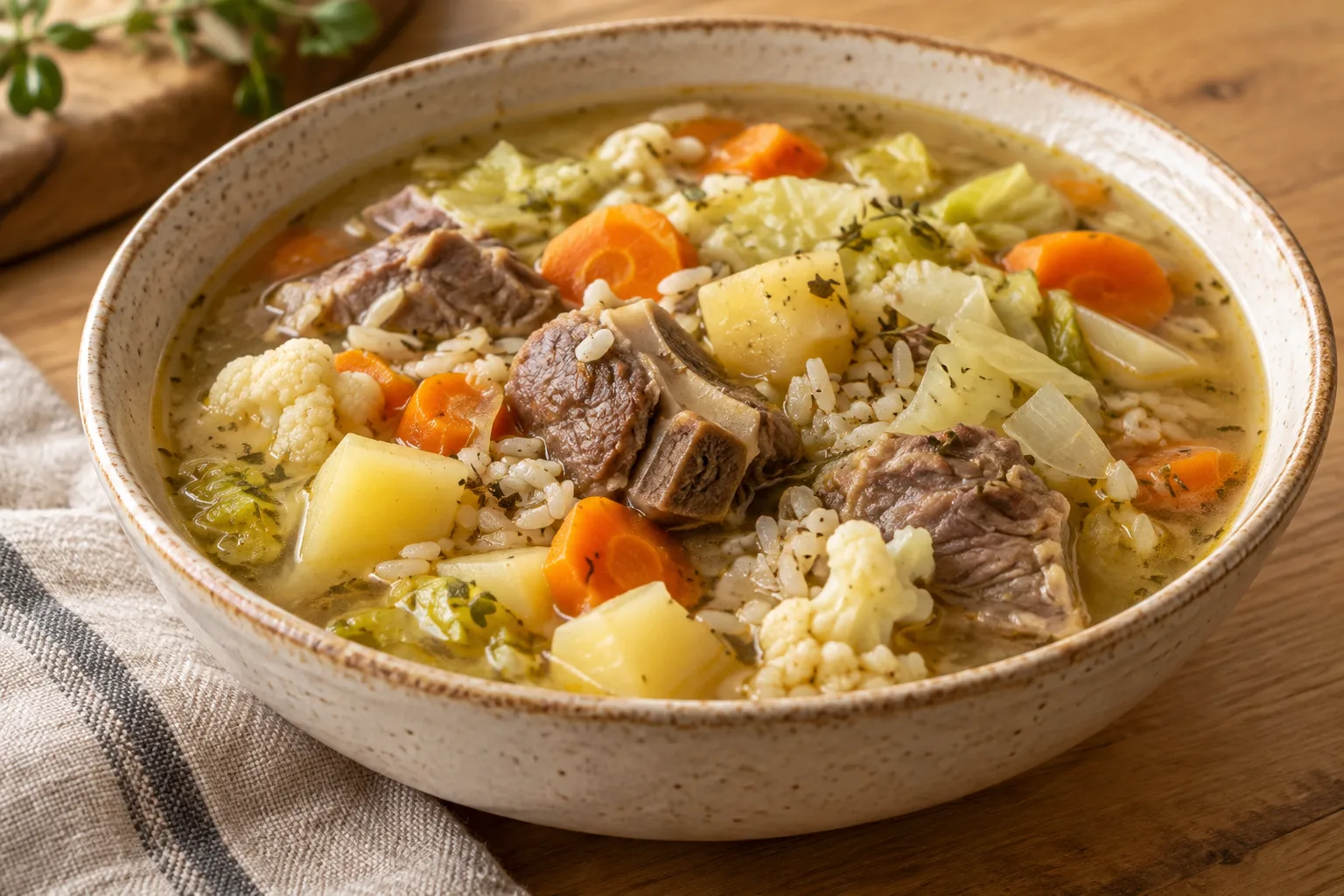
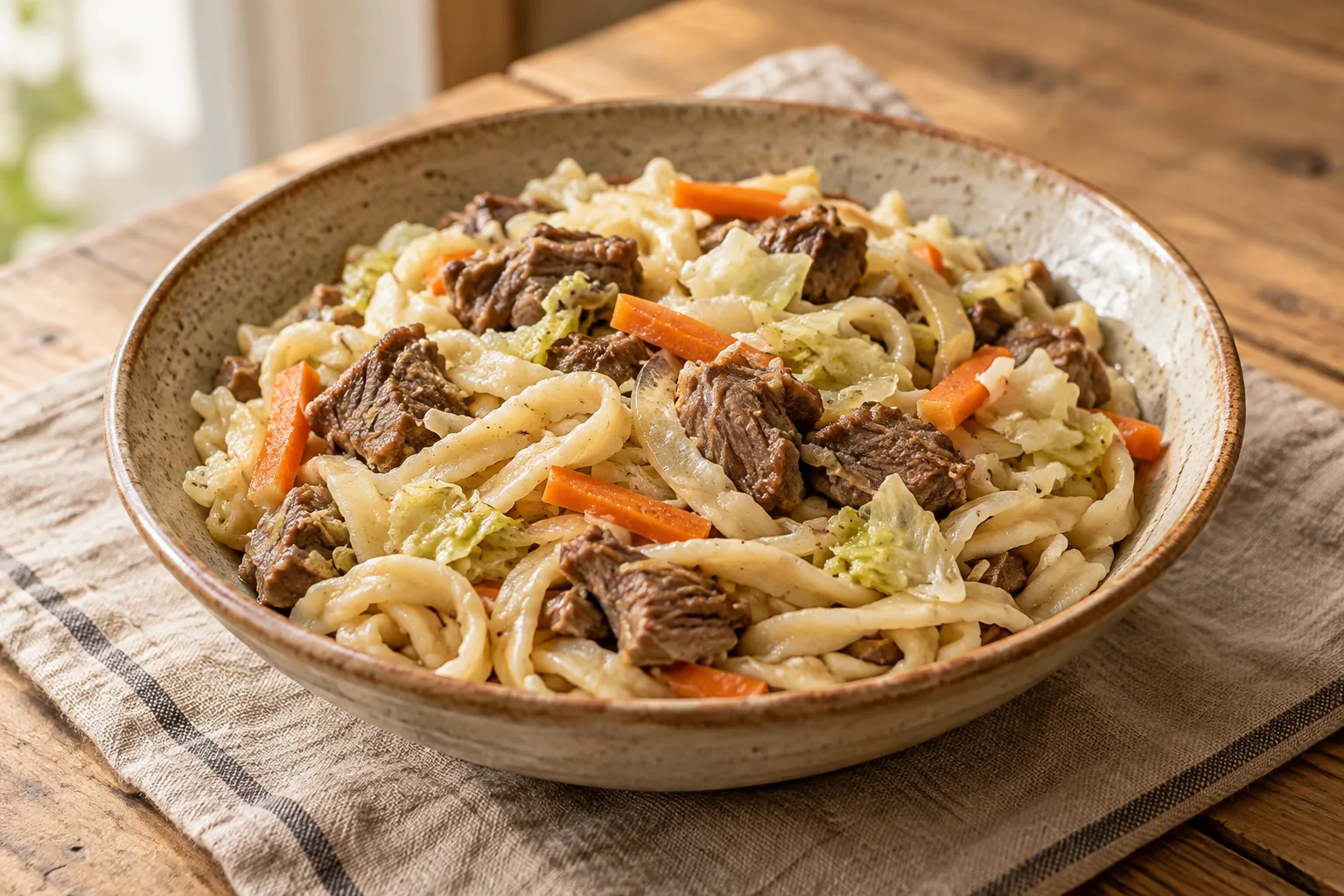
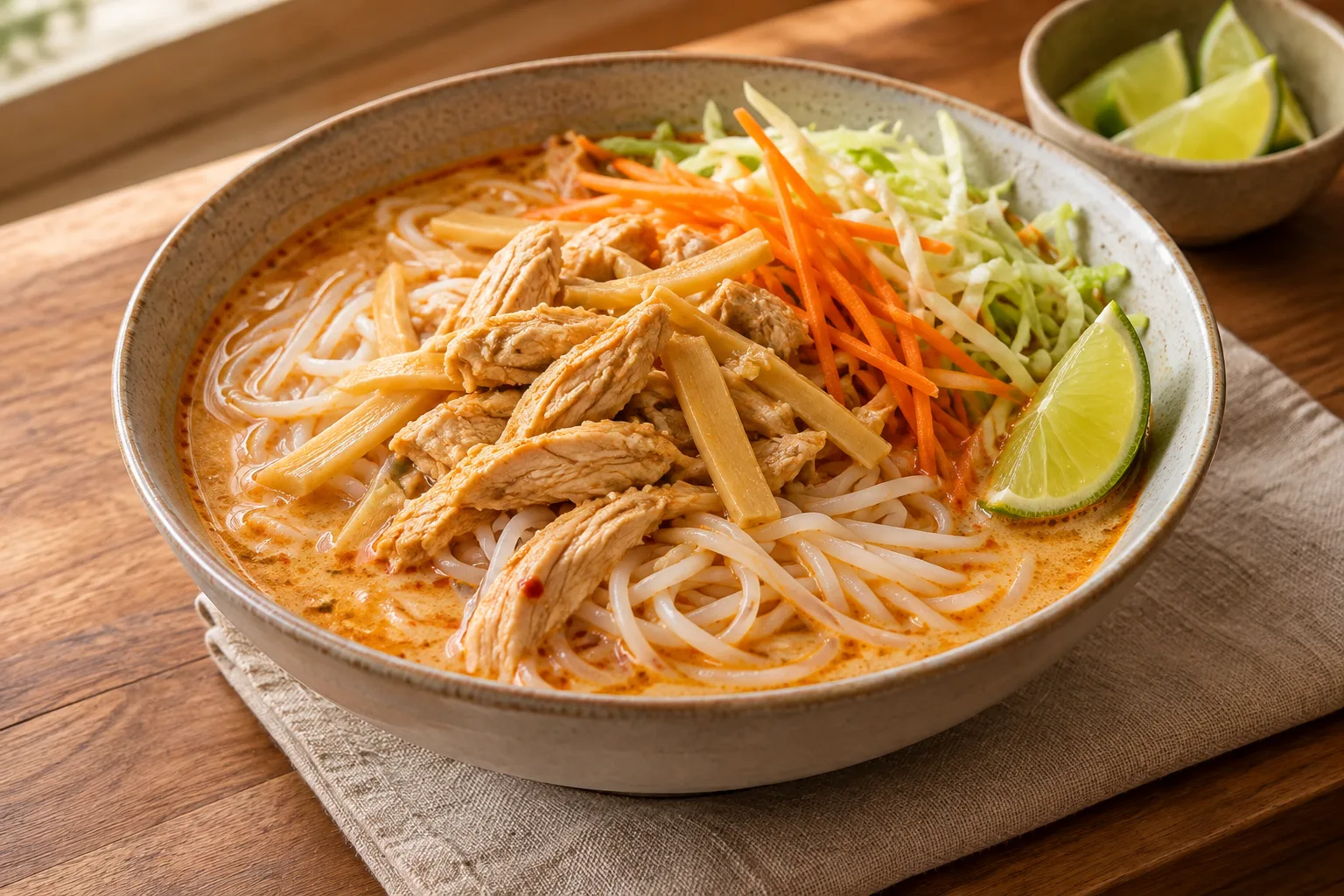
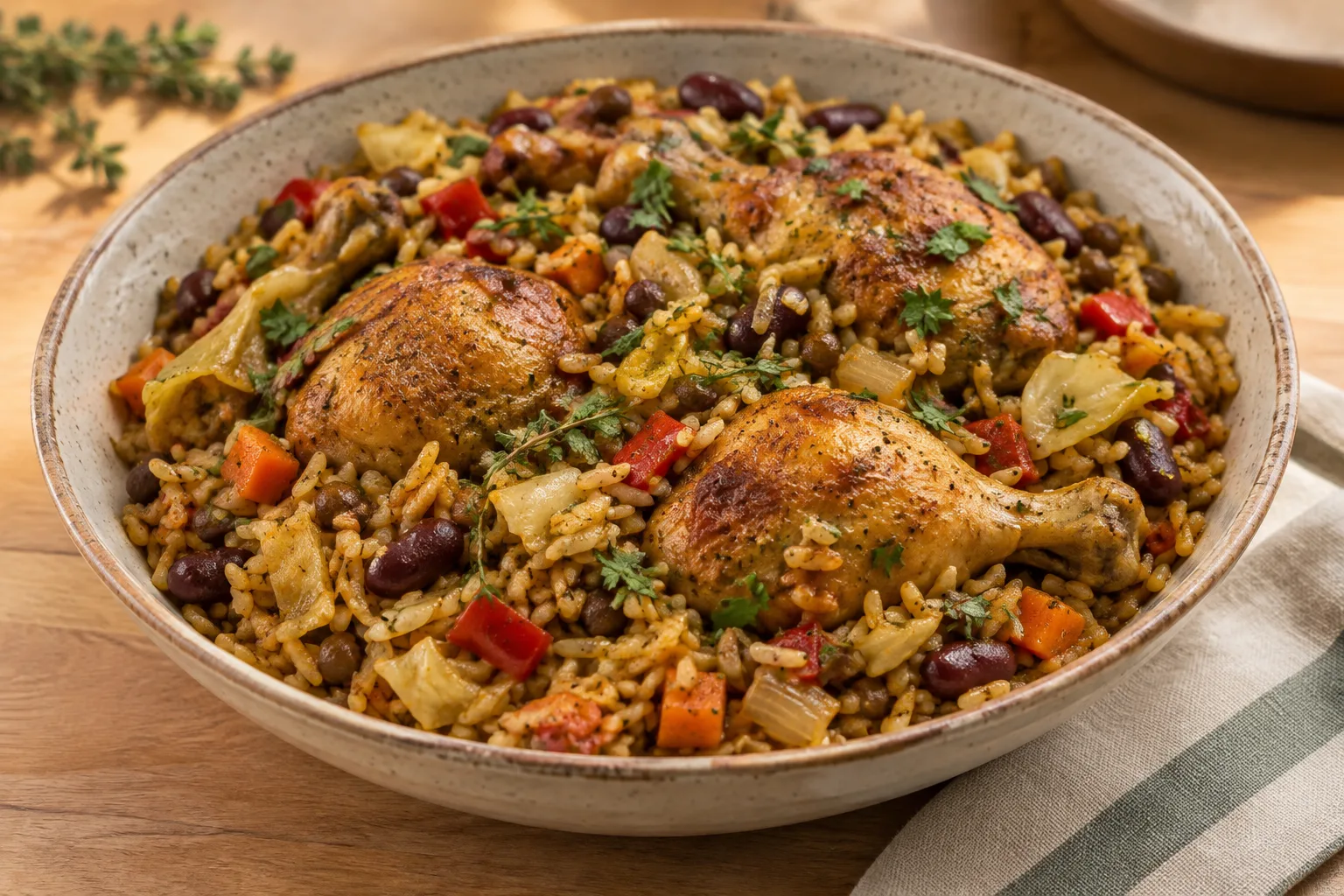
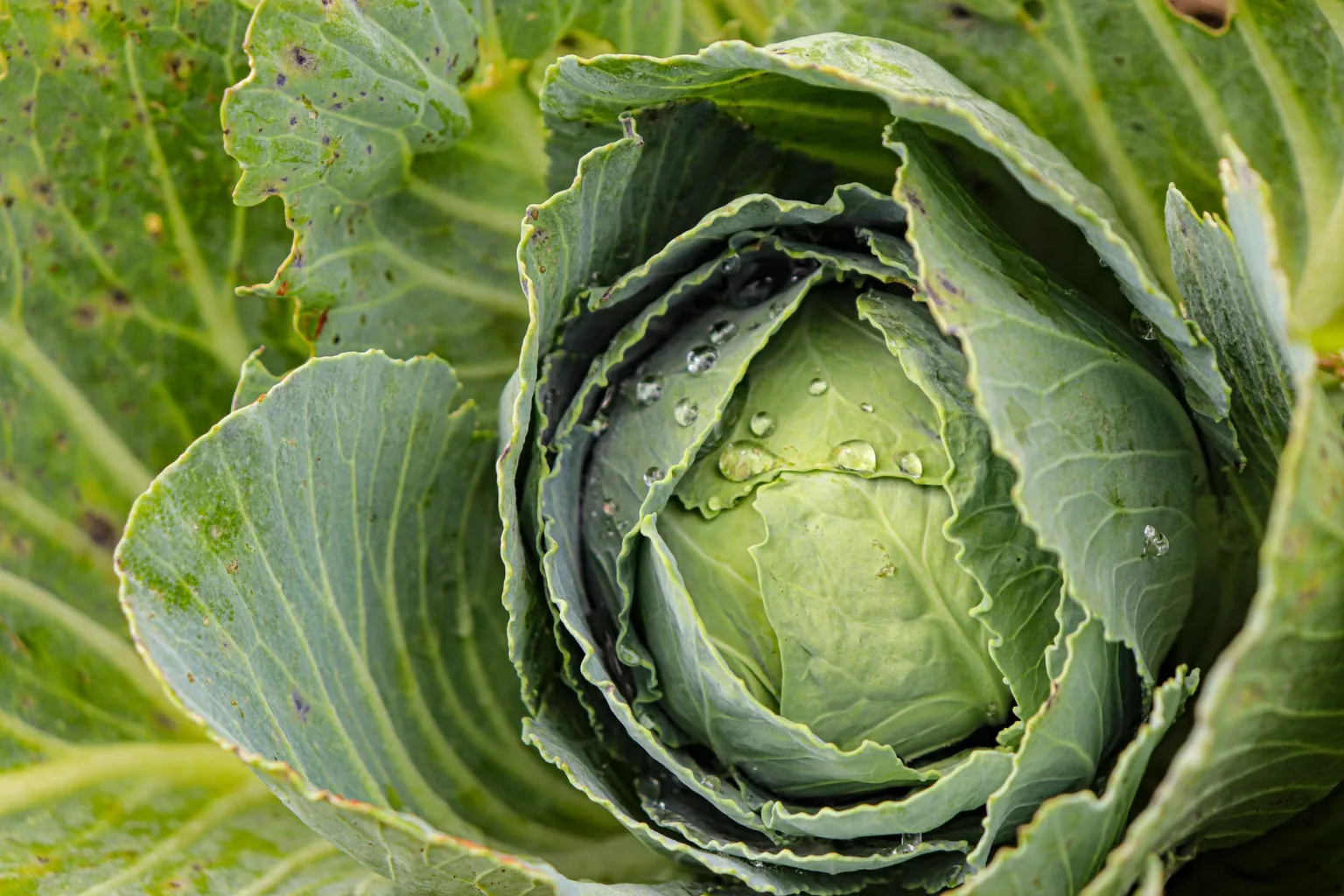
Cabbage is a leafy vegetable in the Brassicaceae family that forms a compact head of overlapping leaves. White cabbage is a familiar type, while red or purple-headed cabbages and other shapes and textures are also available. Its firm leaves can be eaten raw or cooked. In the kitchen, cabbage can be a main ingredient or a side: shred it for salads and sautés, add it to soups and stews, boil or braise it, or bake it. Cabbage is also used to make fermented preparations such as sauerkraut.
When to use it
Use raw cabbage when you want crunch in a salad or filling; shred it finely so it is easier to mix and eat. In soups, stews and braises, add it when you want tender leaves that give the dish body. It also works as a cooked or sautéed side and pairs with potatoes, bacon, onion, spices, meat, chicken or fish. If you want a fermented preparation, cabbage can be made into sauerkraut. The variety you choose affects the colour and the finished dish.
How to use it
Remove any damaged outer leaves and cut the cabbage on a stable board. For salads or sautés, shred it finely; for soups and stews, cut it more thickly if you want larger pieces. Cabbage can be eaten raw, boiled, braised, sautéed or baked. For a sauté, add the shredded cabbage and cook until it reaches the firmness you like. For a stew, add it to the dish and cook until tender. You can also use it in fillings or combine it with potatoes and bacon. When using another cabbage or leafy vegetable instead, adjust the cut and cooking to suit its texture.
Flavour and texture
Raw cabbage has crisp leaves and a vegetal flavour that can be mildly sweet and bitter. Cooking softens the leaves and mellows the flavour; the result depends on the cut and method. White and purple cabbage differ in colour and may differ in flavour, so switching between them can change the appearance of a dish.
How to choose it
Choose a compact head that feels firm and heavy for its size. Look for leaves that appear fresh and crisp, without obvious signs of damage. White and purple cabbage bring different colours and flavour notes, so choose according to the dish and the appearance you want. A firm head is also easier to cut into neat strips on a stable board.
Storage
Keep fresh cabbage in the refrigerator. One culinary reference indicates that white cabbage may keep there for two to three weeks, although its initial freshness and storage conditions can affect how long it lasts. Store it apart from other foods if you want to limit odour transfer. Check the leaves, remove any that deteriorate, and keep cut cabbage refrigerated for prompt use.
Substitutions
Kale or purple cabbage can replace white cabbage in some dishes, but they are not identical: colour, texture and flavour may change. Adjust the cut and check the texture as it cooks. For salads, slice the alternative finely; in stews or sautés, add it in a way that gives it time to reach the texture you want.
Common mistakes
Cutting cabbage into very large pieces for a salad can make it awkward to eat. Do not assume that all varieties have the same colour, texture or flavour. If you want the cabbage to retain some firmness, avoid cooking it longer than you intend; check its texture and stop when it suits the dish.
Safety and allergens
Wash your hands and use clean utensils before preparing cabbage. Follow local food-safety guidance for handling fresh produce and storing leftovers.
Culinary uses
- Base for soups, stews and braised dishes
- Raw or cooked vegetable for salads, sides and fillings
Recommended techniques
- Shred finely for raw salads or quick cooking
- Boil, braise, sauté or bake until it reaches the desired texture
- Ferment as sauerkraut
Pairs well with
- Potatoes and bacon
- Meat, chicken or fish
- Onion and spices
Frequently asked questions
Can cabbage be eaten raw?
Yes. Shred it finely for salads or fillings so the crisp leaves are easier to mix and eat.
How can I cook cabbage?
You can boil, braise, sauté or bake it. The cut and cooking time determine how much firmness it retains.
What can I use instead of white cabbage?
Kale or purple cabbage can work in some recipes. Keep in mind that they may change the colour, texture and flavour.
Ingredient allergens
Allergen listThere are no verified associations for these ingredients yet.
Sources and review
Automatically researched, cross-checked and validated content. Sources consulted:
- Client Challenge doi.org/10.2307/jj.27939689.16
- The Essential Glossary of Cooking Terms for the Culinary Arts - Escoffier www.escoffier.edu/blog/culinary-arts/the-essential-glossary-of-cooking-terms-for-the-culinar…
- Para la ciudadanía www.aesan.gob.es/para-la-ciudadania
- Wartime & Military Cooking & Food - Food & Drink History Resources @Virginia Tech (and Beyond) - Research Guides at Virginia Tech guides.lib.vt.edu/c.php?g=10336&p=5063099
- A Culinary Degree can Launch your Career | Southwestern Oregon www.socc.edu/programs-classes/occi/
- NYC Cooking School | ICE Recreational Classes recreational.ice.edu/
- Food Safety Policy www.stonybrook.edu/ehs/policies/food-safety-policy.html
- Food for Thought cdn.vanderbilt.edu/vu-news/vanderbiltmagazine/archives/vholdings_f02.pdf
- Food Safety Practices for Baked Goods • AnswerLine • Iowa State University Extension and Outreach blogs.extension.iastate.edu/answerline/2026/09/08/food-safety-practices-for-baked-goods/
- - YouTube www.youtube.com/watch?v=8SL4qLKPhdw
- Repollo. Qué es, cómo cocinarlo y sacarle partido en la cocina de casa www.abc.es/recetasderechupete/repollo-que-es-como-cocinarlo-y-sacarle-partido-en-la-cocina-d…
- GastroWiki - Blog sobre Gastronomía gastroalianza.es/gastrowiki/articulo/los-repollos-las-coles-con-cabeza
- Repollo, una verdura muy económica y versátil para crear infinidad de platos: propiedades, usos en la cocina y las mejores recetas www.directoalpaladar.com/ingredientes-y-alimentos/repollo-verdura-muy-economica-versatil-par…
- Repollo: Propiedades, beneficios y recetas recetasdecocina.elmundo.es/2022/08/repollo-ventajas-nutricionales-recetas.html