- Category
- Herbs and spices
- State
- Powdered
- Usual unit
- teaspoon
What it is
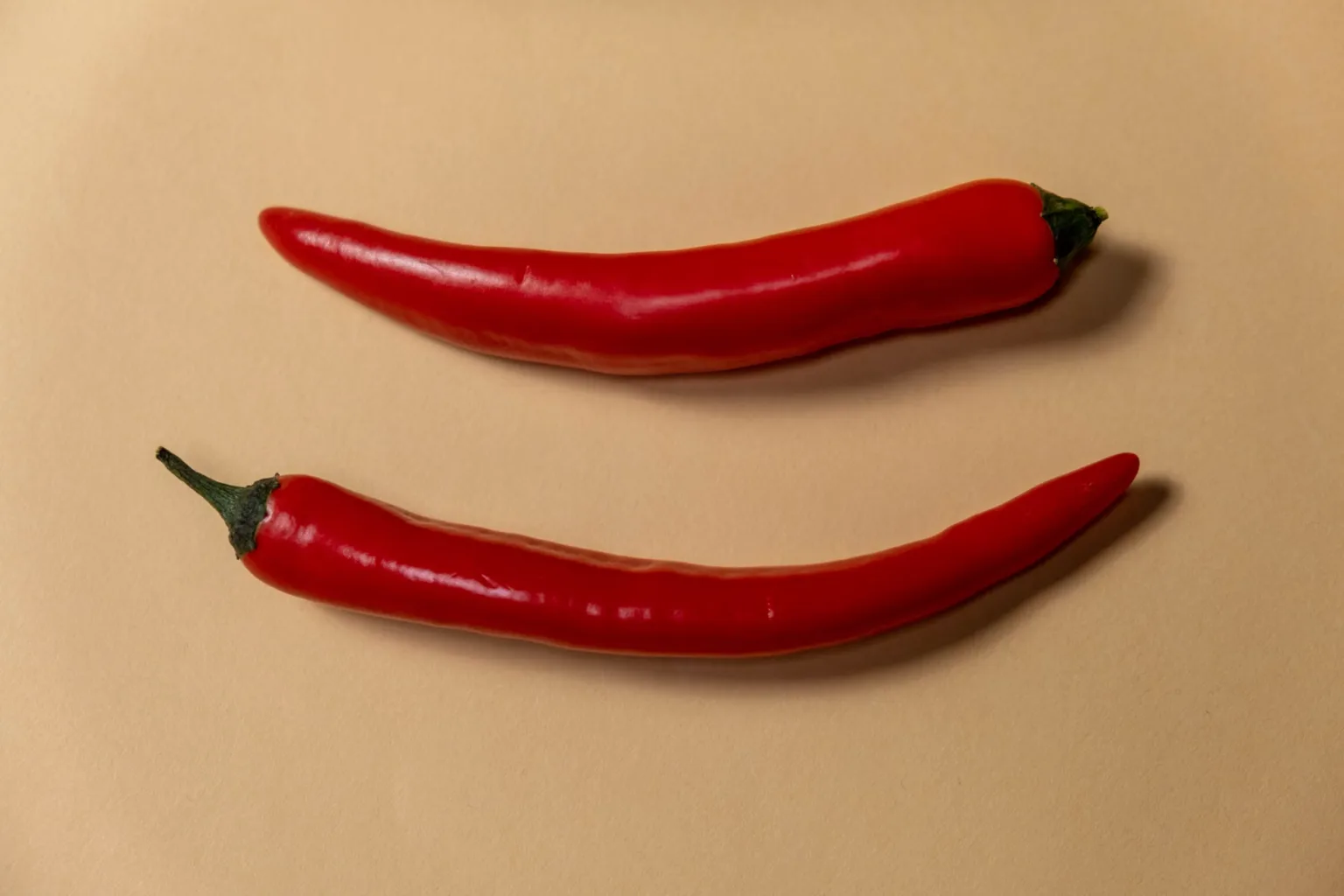
Cayenne pepper is a spice usually made from dried, ground chili fruits. Despite its name, it is not black pepper: it comes from the Capsicum genus, which includes peppers and other chilies. It is also sold as dried pods and, in some places, fresh fruit. The common name can cover products that differ in appearance and intensity, so the heat is not identical from one package to another. Ground cayenne is reddish and is mainly used to add chili heat to food, rather than as a direct stand-in for black pepper.
When to use it
Choose cayenne when you want to increase a dish’s heat without adding much bulk or changing its consistency. It can go into soups, purées, sauces, stews, curries, pasta dishes, lentils, marinades and tomato-based preparations. It can also add a spicy counterpoint to some chocolate dishes. Since products vary in intensity and heat can build as a dish cooks, begin with a very small amount, especially if you are unfamiliar with the spice or are cooking for people with different preferences. Add more only after tasting.
How to use it
Measure a small amount of ground cayenne and mix it into the dish. In soups, sauces, purées and stews, stir thoroughly so the powder disperses evenly. You can also add it to a marinade or spice blend. Taste before adding more: a little can make a noticeable difference, and the strength depends on the product. If you have dried whole pods, use one to infuse a dish and remove it before serving; do not leave it in a portion where someone might bite into it unexpectedly. Increase the heat gradually rather than trying to correct an overly spicy dish at the end.
Flavour and texture
Cayenne is known for pronounced chili heat and a warm aroma. Ground cayenne blends into liquids and seasoning mixtures and can tint them red; a dried pod infuses a dish and can be removed before serving. Its flavor and heat can vary by product, and drying and grinding mean that not every cayenne tastes or feels equally hot. Do not confuse it with black pepper or expect the same flavor.
How to choose it
Choose ground cayenne if you want a spice that is easy to distribute through sauces and seasoning blends; choose dried pods if you would rather remove them before serving. Check that the package is sealed and clearly identifies the spice as cayenne or chili. Heat varies between products, so begin with a pinch until you know the one you bought. Color alone is not a reliable guide to how hot it will taste.
Storage
Keep ground cayenne tightly closed in a cool, dry, dark place, away from kitchen steam and direct light. Keep the container dry and avoid using a damp spoon. Dried spices can lose aromatic strength over time, so check the aroma before use. There is no single storage duration that applies to every package: follow the manufacturer’s directions and discard the spice if it becomes damp or shows signs of spoilage.
Substitutions
Hot paprika or ground chili can replace cayenne, but the heat and flavor may differ. Hot paprika often contributes more pepper flavor and may be less intense; start with a little and adjust. Crushed chili flakes can also work, though their texture will be more noticeable. There is no exact conversion across products, so do not swap equal amounts without tasting.
Common mistakes
Adding too much cayenne at once is a common mistake: start with a small amount and taste before adding more. Do not assume every brand or form has the same heat. Another mistake is confusing cayenne with black pepper or a blended chili powder, which may contain other seasonings and change the dish’s flavor.
Safety and allergens
Cayenne is hot; use it sparingly and avoid touching your eyes after handling it. If you are cooking for others, let them know the dish contains hot chili and allow them to adjust the amount to taste.
Culinary uses
- Adds heat to savory dishes
- Seasoning for sauces, soups and stews
- A component in spice blends
Recommended techniques
- Stir into sauces, soups or purées so the ground spice disperses evenly
- Add a small amount during cooking, then taste and adjust
- Use whole dried pods to infuse a dish and remove them before serving
Pairs well with
- Tomatoes and tomato sauces
- Garlic and olive oil
- Meat, seafood and eggs
- Lentils and other legumes
- Chocolate
Frequently asked questions
Is cayenne pepper the same as black pepper?
No. Cayenne comes from chilies in the Capsicum genus; black pepper is a different spice from a separate botanical group.
How can I control the heat?
Add a pinch, stir and taste before adding more. The intensity can differ from one product to another.
Can I use whole cayenne instead of ground?
Yes. A dried pod can infuse a dish as it cooks; remove it before serving if you do not want someone to bite into it.
Ingredient allergens
Allergen listThere are no verified associations for these ingredients yet.
Estimated nutrition
- Fat
- 0 g
- Saturates
- 0 g
- Carbohydrate
- 0 g
- Sugars
- 0 g
- Protein
- 0 g
- Salt
- 0 g
Sources and review
Automatically researched, cross-checked and validated content. Sources consulted:
- Client Challenge doi.org/10.2307/jj.27939689.16
- The Essential Glossary of Cooking Terms for the Culinary Arts - Escoffier www.escoffier.edu/blog/culinary-arts/the-essential-glossary-of-cooking-terms-for-the-culinar…
- Guindilla: Botánica, cultura y sabor en una Especia | Alveus www.alveus.eu/es/blog/guindilla-origen-y-tipos/
- Cayena: qué es, cómo se usa y recetas | JUST SPICES ® www.justspices.es/blog/todo-sobre-la-cocina/cayena-que-es-y-usos-cocina
- Make Your Own Mix | Cooperative Extension Service www.uaf.edu/ces/publications/database/food/make-your-own-mix.php
- Spices list: the best spices everyone should have in their kitchen insights.ehl.edu/top-spices-kitchen
- Kitchen Hacks: The Core 8 Spices Every College Student Should Own | Health Promotion & Wellness hpw.sl.ua.edu/posts/nutrition/2026/kitchen-hacks-the-core-8-spices-every-college-student-sho…
- Food | Ohioline ohioline.osu.edu/topic/food
- Salsa, Peppers and Spices ucanr.edu/media/331513
- Cayena: qué es, propiedades y cómo tomarla bonviveur.com/es/noticias/cayena
- Pimienta de Cayena | HerbaZest www.herbazest.com/es/hierbas/pimienta-de-cayena
- Pimienta de cayena (¿cruda?, ¿orgánica?) | Fundación G+E www.diet-health.info/es/recetas/ingredientes/in/kv295-pimienta-de-cayena
- Cooking-Basics.pdf fcs.tennessee.edu/wp-content/uploads/sites/23/2021/08/Cooking-Basics.pdf
- Cayena. El chile más consumido en España - Agromática www.agromatica.es/cayena-plantar-cuidar-disfrutar/