- Category
- Meat
- State
- Fresh
- Usual unit
- unit
What it is
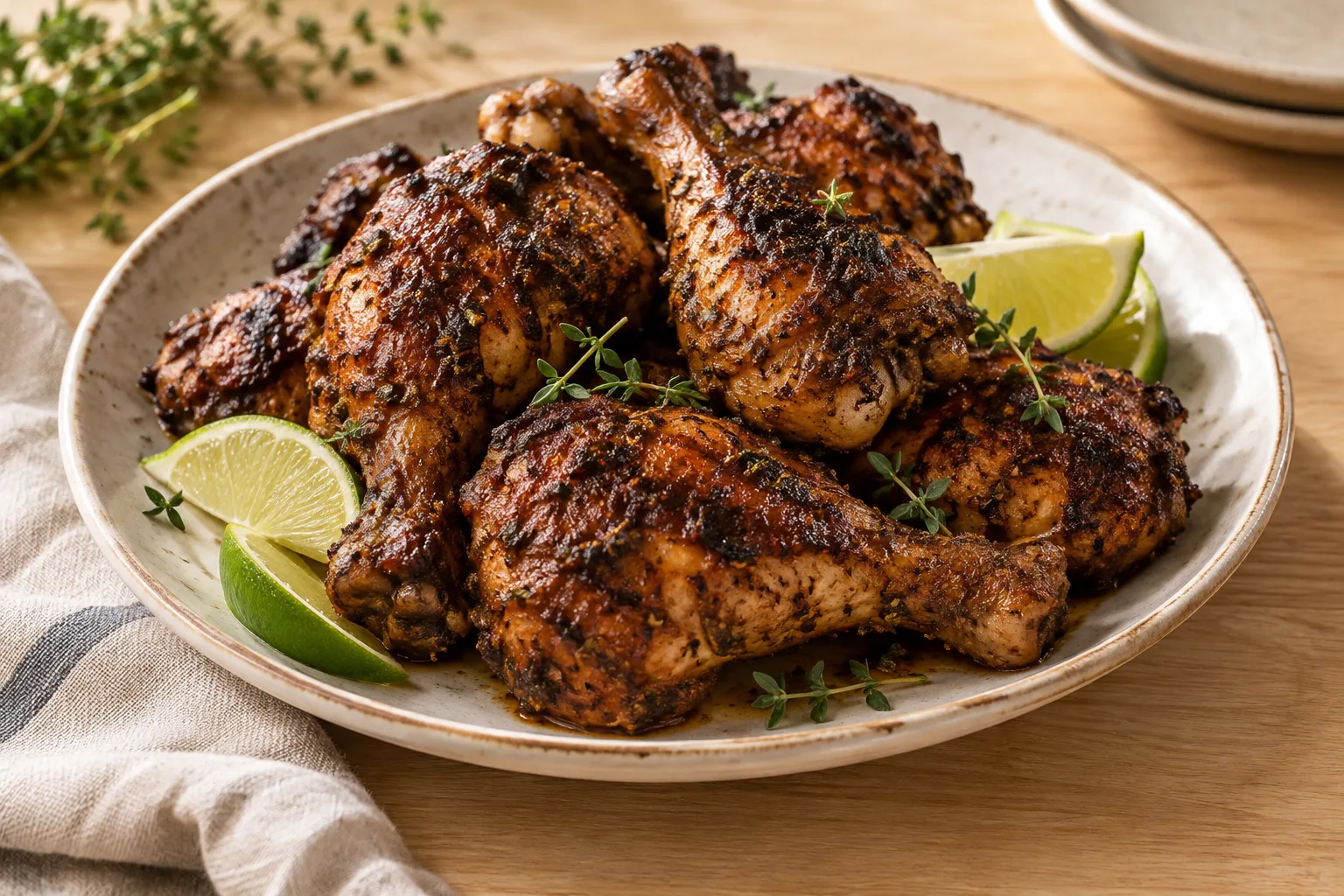
Chicken legs are a poultry cut that commonly refers to the lower leg and, depending on the butchery and local use of the name, may be sold as a drumstick, thigh, or a larger leg portion. The meat from this area is darker than breast meat and suits a range of preparations. It can be roasted whole, grilled, or used in braises and stews; bones and trimmings can also contribute flavour to soups and stocks. Pieces vary in size and in whether they include skin and bone, so choose a method and check doneness for the particular cut rather than assuming all pieces need the same cooking time.
When to use it
Choose chicken legs when you want individual portions that can be roasted, grilled or cooked slowly. They work well in stews and braises with vegetables and cooking liquid, and can also be roasted with herbs or a marinade. Bones and trimmings can be used to flavour soup or stock. For quick pan cooking, remember that a whole, bone-in piece may need longer than a boneless cut; adapt the method to the size and form of the pieces you have.
How to use it
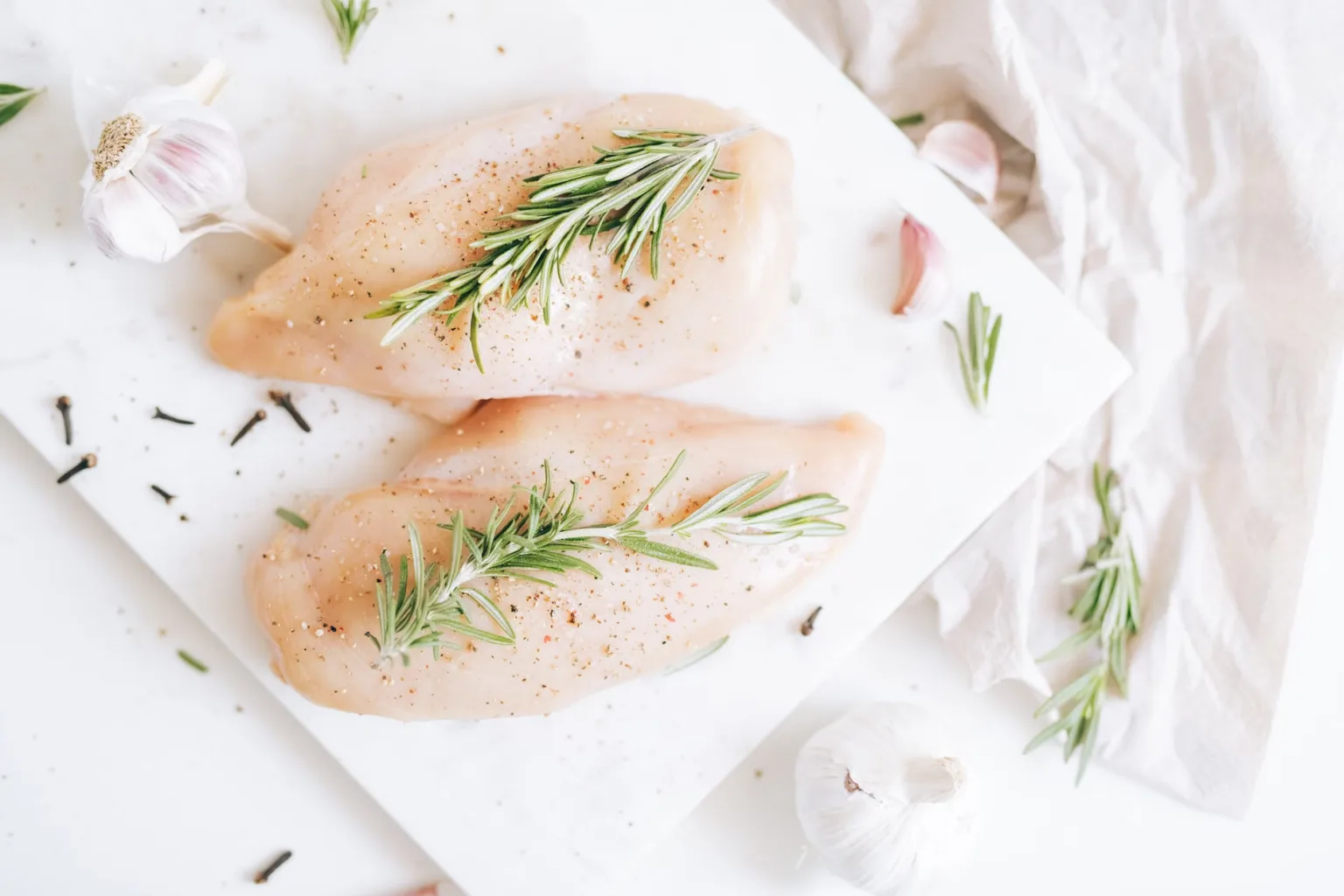
Before cooking, check the package and the condition of the pieces, and pat them dry if you want to brown the surface. Season with salt, pepper, garlic and herbs, or marinate with ingredients such as lemon, vinegar or oil; keep raw chicken refrigerated while it marinates and do not use marinade that has touched raw chicken unless it is cooked first. For roasting, arrange the pieces in a dish and check the thickest part for doneness rather than relying only on the outside colour. You can also brown them and finish cooking in a stew with onion, vegetables or stock. When grilling or pan-cooking thicker pieces, consider finishing them in the oven so they cook through rather than relying on browning alone.
Flavour and texture
Leg meat is usually darker and more pronounced in flavour than breast meat. It can become tender in a stew or braise, while the skin can brown and turn crisp when roasted appropriately. The result depends on the cut, whether skin and bone are present, piece size and cooking method. Garlic, lemon and aromatic herbs provide bright flavours that pair well with the meat.
How to choose it
Choose refrigerated pieces that have been stored properly, with intact packaging and no leaks. Check the date and storage instructions on the label. For loose pieces, look for a fresh appearance and a mild smell; avoid meat with an unpleasant odour or damaged packaging. Cuts and sizes vary, so take that into account when planning how to cook them.
Storage
Keep raw chicken legs refrigerated and follow the date and storage conditions on the package. Store them in a closed container or intact packaging where juices cannot drip onto ready-to-eat foods. If you will not use them within the stated period, follow the package instructions for freezing. Thaw them according to official advice and do not leave raw chicken at room temperature for extended periods.
Substitutions
You can use other chicken cuts, such as thighs or bone-in portions, but do not assume they need the same cooking time: thickness, size and bone affect cooking. Adjust the method and check each piece for doneness. Other bone-in cuts can also add flavour to stock, though the result will depend on the cut used.
Common mistakes
Do not judge cooking time only by browned skin: the centre of a thick piece may need longer. Another common mistake is applying a time intended for a boneless cut to a whole leg. Adapt the method to the size and bone, do not rely only on the outside colour, and keep raw chicken separate from ready-to-eat foods.
Safety and allergens
Handle and cook chicken according to the package instructions and the official hygiene and cooking guidance that applies in your area. Do not eat it raw or undercooked, and keep raw chicken separate from ready-to-eat foods.
Culinary uses
- Plato principal asado o guisado
- Ingrediente para sopas y caldos, especialmente si se aprovechan huesos y recortes
Recommended techniques
- Asar al horno o a la parrilla
- Guisar o estofar
- Marinar antes de cocinar
Pairs well with
- Ajo, limón y hierbas aromáticas como tomillo u orégano
- Cebolla, verduras y caldo en guisos o platos al horno
Frequently asked questions
Are chicken legs and drumsticks the same thing?
The name can refer to different cuts depending on butchery and local usage. Check whether the piece is just a drumstick or a larger portion of the leg.
Which cooking methods work well?
You can roast or grill chicken legs, or cook them in stews and braises. Choose a method that suits the size, bone and result you want.
How can I tell when a piece is cooked?
Check the thickest part and follow official poultry cooking guidance. A browned exterior alone does not confirm that the centre is cooked.
Ingredient allergens
Allergen listThere are no verified associations for these ingredients yet.
Estimated nutrition
- Fat
- 12.81 g
- Saturates
- 3.54 g
- Carbohydrate
- 0 g
- Sugars
- 0 g
- Fibre
- 0 g
- Protein
- 23.16 g
- Salt
- 0.85 g
Sources and review
Automatically researched, cross-checked and validated content. Sources consulted:
- ¿Por qué la muerte es origen de miedos y tabúes? doi.org/10.64628/aao.fccyk3qj3
- 5 marinados de pollo para asar y sacar todo el jugo a la pechuga. www.aldelis.com/marinados-pollo/
- 8 usos del pollo en la cocina que no conocías www.cashfresh.es/8-usos-del-pollo-en-la-cocina-que-no-conocias/
- Carne de pollo - Wikipedia, la enciclopedia libre es.wikipedia.org/wiki/Carne_de_pollo
- Todo lo que debes saber sobre la carne de pollo - Estudia Hostelería estudiahosteleria.com/blog/cocina/todo-lo-que-debes-saber-sobre-la-carne-de-pollo/
- El pollo en la gastronomía y su historia nutriguia.com/gastronomia/200505130001.html
- Las mejores recetas de muslos o jamoncitos de pollo al horno: fácil, jugoso y rápido www.directoalpaladar.com/recetas-de-carnes-y-aves/15-recetas-faciles-rapidas-para-cocinar-mu…
- Evolución del léxico culinario desde 1932 a 1972 | OpenAlex openalex.org/W2291578502
- Food Allergies | FDA www.fda.gov/food/nutrition-food-labeling-and-critical-foods/food-allergies
- Food allergens | EFSA www.efsa.europa.eu/en/safe2eat/food-allergens
- Allergen guidance for food businesses - GOV.UK www.gov.uk/government/publications/allergen-guidance-for-food-businesses/allergen-guidance-f…
- Advertencia para personas con algún tipo de alergia o intolerancia: se desconocen los componentes de uno de los ingredientes (caldo de pollo) en salsa brava procedente de España (Ref. ES2026/085) www.aesan.gob.es/alertas/2026_10
- Common food allergens - Canada.ca www.canada.ca/en/health-canada/services/food-nutrition/food-safety/food-allergies-intoleranc…
- - YouTube www.youtube.com/watch?v=Tp4SYJO94bo
- 6 Marinados para Pollo a la Plancha - Cravings Journal es.cravingsjournal.com/marinados-para-pollo-a-la-plancha/