- Category
- Sauces and condiments
- State
- Other
- Usual unit
- Variable
What it is
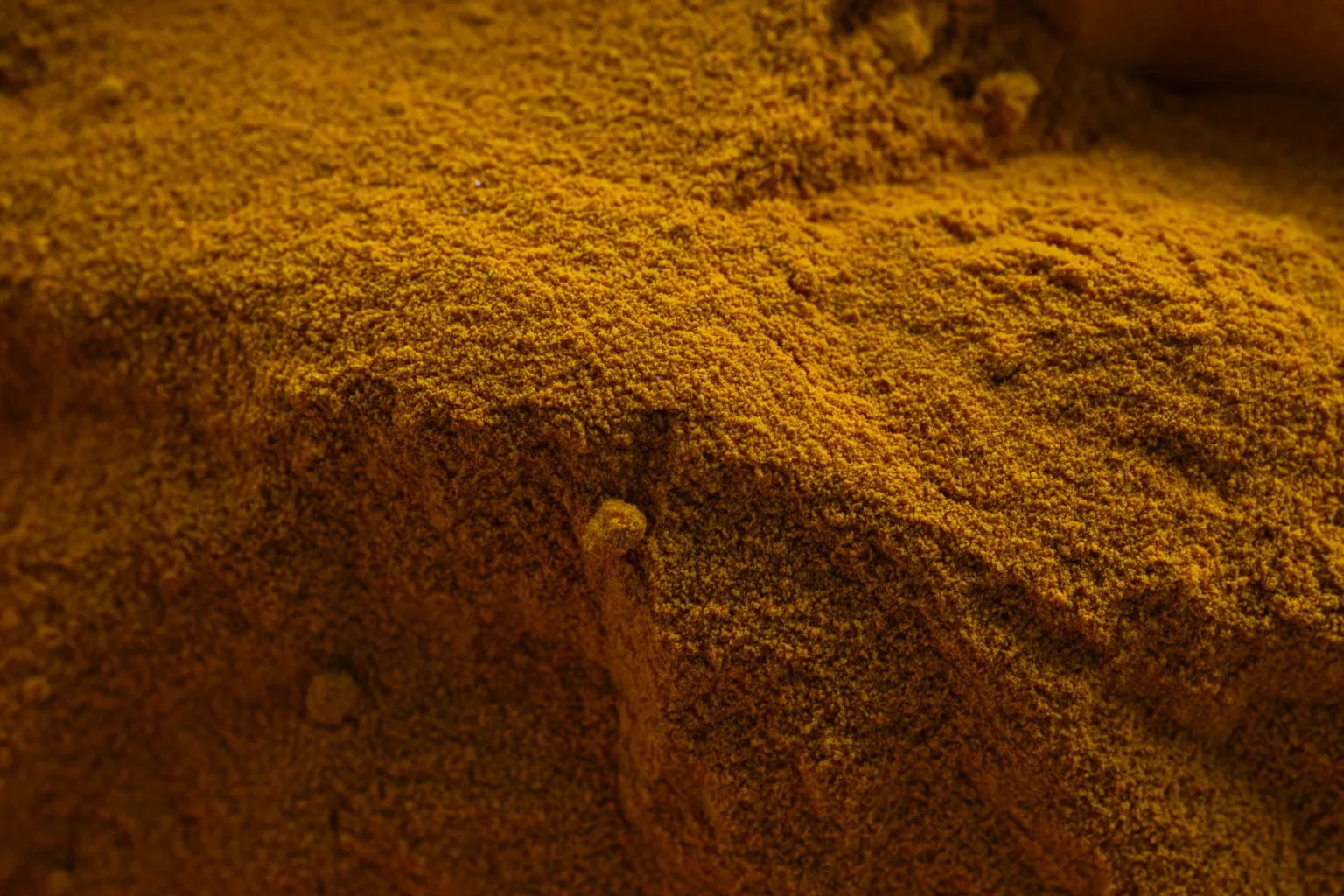
Chicken stock paste or powder is a concentrated seasoning used to add a chicken-like, savory stock flavor to dishes. It is sold in forms such as powder, granules, cubes and paste, and formulations are not identical. Commercial products may contain salt, starch, fat, sugar, flavor enhancers, spices and chicken components, but the ingredient list depends on the particular product. It is not automatically the same as ready-to-use liquid stock: it is often used as a base or seasoning and may be dissolved in water to make a flavored liquid. Check the package for its directions and ingredients, including allergen information, before use.
When to use it
Use it when you want to add a quick savory flavor to soup, rice, pasta, stew or sauce, or when a recipe calls for stock and the product directions say it can be diluted for that purpose. It can also season a stir-fry or another moist dish if the label supports that use. Strength and saltiness vary, so begin with the amount specified for the dish or liquid and taste before adding more. This is especially useful when the recipe already includes salt, soy sauce or another salty seasoning.
How to use it
Read the package directions: quantities and concentrations are not interchangeable between brands or between paste and powder. To make stock, dissolve the stated amount in the specified volume of water. To season a dish, add a little to the liquid or moist ingredients and stir until evenly distributed. Taste before adding salt, since some products are already quite salty. Adjust gradually to suit the dish. For a milder base, you can dilute it with more water than you would use for a stronger stock, while following the product directions. Add it to soups, rice, pasta or stews while they cook so it blends into the dish.
Flavour and texture
It contributes a savory, salty flavor, often with chicken and umami notes, although the profile depends on the formula. Powder is dry and easy to sprinkle or dissolve; paste is more compact and blends when stirred into liquid or moist food. Strength and saltiness differ across products.
How to choose it
Choose the form that suits your cooking and read the ingredient list, preparation directions and allergen information on the specific package. Check whether the product is paste, powder or granules and how much it calls for per volume of water. Do not assume every brand has the same ingredients or strength.
Storage
Follow the package storage directions, which can differ between paste and dry products and may change after opening. Keep the container closed and avoid introducing wet or dirty utensils. Do not assume a universal storage period; check the date and instructions printed on the product.
Substitutions
Chicken stock or broth can replace it; adjust the recipe’s other liquid to account for the substitution. Vegetable stock is another option, though the flavor will differ. If using an already seasoned stock, taste before adding salt because products vary in concentration and saltiness.
Common mistakes
Using the usual amount for a different brand without checking its label can make a dish too salty or too strong. Avoid fully salting the dish before tasting, and do not assume paste and powder use the same measure. Check whether your recipe needs a liquid base or just a small amount of seasoning.
Safety and allergens
Check the ingredients and allergen information for the specific brand, since formulations vary. Follow the product’s storage and use directions. As a practical cooking precaution, taste before adding salt or other salty seasonings.
Culinary uses
- Concentrated seasoning for adding chicken-like savory flavor
- Quick base for soups, rice, pasta, stews and sauces
Recommended techniques
- Dissolve in water or another cooking liquid according to the package directions
- Stir into moist dishes and taste before adding more seasoning
Pairs well with
- Rice and pasta
- Vegetables, soups and stews
- Water or unsalted stock
Frequently asked questions
How do I make stock from chicken powder or paste?
Dissolve the amount stated on the package in the specified volume of water. Directions differ by product, so there is no single ratio that applies to all brands.
Can I add it directly to a stew or stir-fry?
It can work as a seasoning in moist dishes. Add it gradually and stir to distribute it; check that this use is suitable according to the package.
Are paste and powder interchangeable?
Not necessarily. Their concentration and directions may differ. Check each product’s instructions and adjust the amount by tasting the dish.
Ingredient allergens
Allergen listThere are no verified associations for these ingredients yet.
Sources and review
Automatically researched, cross-checked and validated content. Sources consulted:
- ¿Por qué la muerte es origen de miedos y tabúes? doi.org/10.64628/aao.fccyk3qj3
- The Essential Glossary of Cooking Terms for the Culinary Arts - Escoffier www.escoffier.edu/blog/culinary-arts/the-essential-glossary-of-cooking-terms-for-the-culinar…
- Caldo - Wikipedia, la enciclopedia libre es.wikipedia.org/wiki/Caldo
- La diabetes y la alimentación: Cómo planificar y cocinar comidas sabrosas y saludables | CAES Field Report fieldreport.caes.uga.edu/publications/C1364-08-SP/la-diabetes-y-la-alimentacion/
- neoliberal multiculturalism in early digital discourse about food. iro.uiowa.edu/view/pdfCoverPage?download=true&filePid=13873804470002771&instCode=01IOWA_INST
- Sopa Mexicana 1920s ( Mexican Soup) - lacocina.utsa.edu/recipe-scrapbooks-1920s-sopa-mexicana-mexican-soup/
- Vamos a Conservar Alimentos: Sopas extension.psu.edu/vamos-a-conservar-alimentos-sopas/
- ¿Qué ingredientes contienen los cubos de caldo o consomé de pollo? Esta es la verdad, según expertos www.directoalpaladar.com.mx/ingredientes-y-alimentos/que-ingredientes-contienen-cubos-consom…
- - YouTube www.youtube.com/watch?v=TTKVj1WbhFM
- De Compras para la salud: Comidas para una persona ask.ifas.ufl.edu/publication/FS266/pdf
- Para la ciudadanía www.aesan.gob.es/para-la-ciudadania
- WINTER SQUASH - Extension St. Croix County stcroix.extension.wisc.edu/files/2019/06/Winter-Squash-Calabaza-De-Invierno-Fact-Sheet.pdf
- Consomé en Polvo de Pollo — Open Spice Box openspicebox.com/es/ingredients/chicken-bouillon-powder
- Caldo de Pollo - Pastas Gallo : Pastas Gallo www.pastasgallo.es/productos/caldo-de-pollo/