- Category
- Sauces and condiments
- State
- Powdered
- Usual unit
- teaspoon
What it is
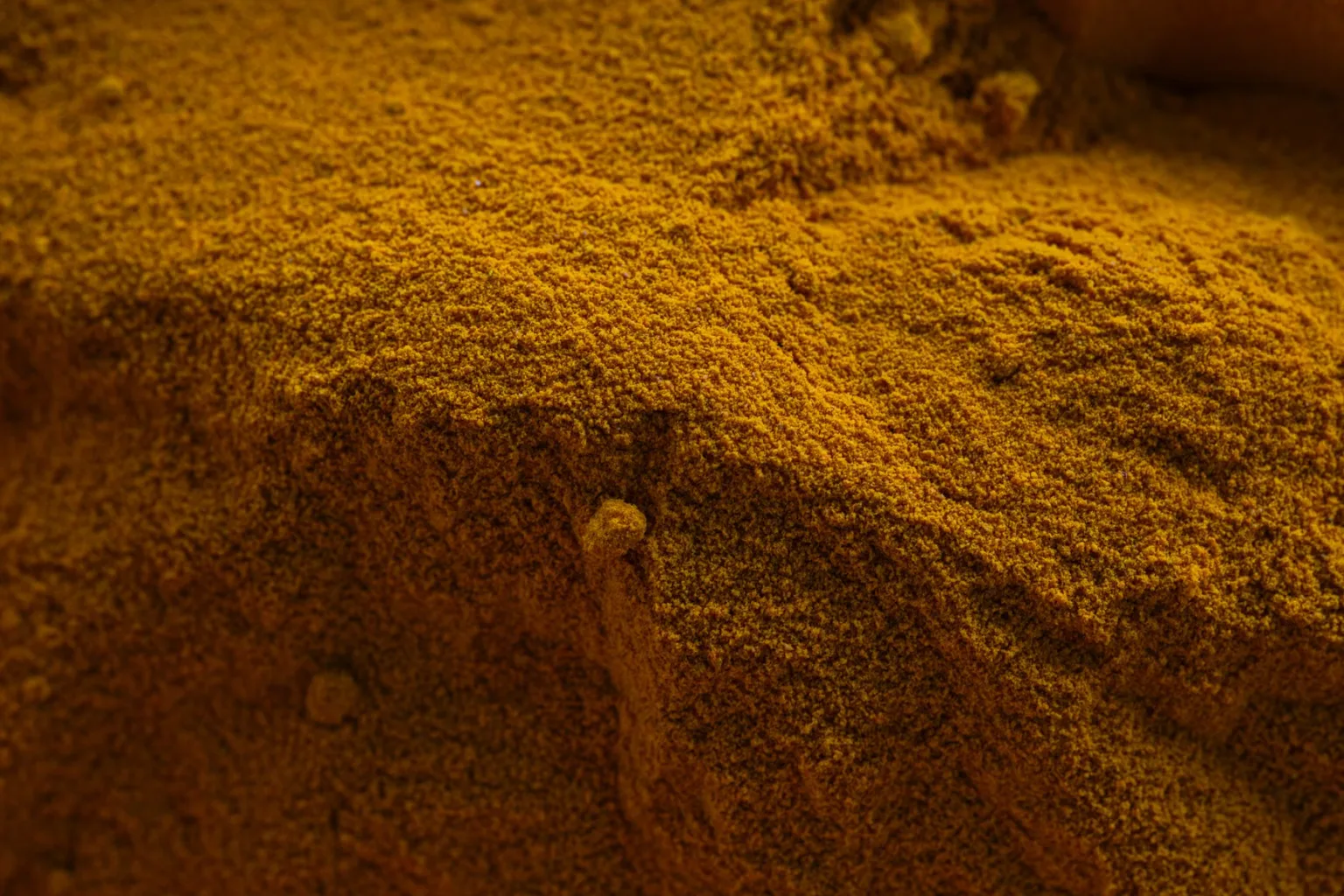
Chicken stock powder is a concentrated dry product used to provide chicken-broth flavor. It can be dissolved in water to make broth or added as a seasoning to dishes that already contain liquid. There is no single standard formula: a commercial product may contain salt, starch, sugar, monosodium glutamate, oil, maltodextrin, chicken ingredients, and hydrolyzed vegetable protein. Its flavor, strength, and ingredient list therefore depend on the product; always check the label of the one you have. It is not the same as ready-to-use liquid broth: the package directions normally tell you how much powder and water to use.
When to use it
Use it when you want chicken-broth flavor without opening or making liquid stock, such as in soup or while cooking beans. It can also make the quantity of broth called for in a recipe if the product provides reconstitution directions. Since each formula has its own concentration and salt content, do not assume that one amount works for every brand. If the recipe already includes salt or other seasonings, add the powder cautiously and taste before adding more.
How to use it
To make broth, check the powder-to-water ratio on the package and dissolve the product as directed. To season soup, stew, or a bean dish, add it gradually while the food cooks and stir to distribute it. Taste before adjusting the salt: some products list salt among their ingredients, and strength varies. If a recipe calls for liquid broth, you can prepare the powder according to its label and use the resulting broth as part of the recipe's liquid. Do not automatically replace all the liquid with dry powder; the powder needs the stated amount of water to reconstitute. Follow the directions for your specific package.
Flavour and texture
It adds a savory, salty flavor associated with chicken broth; the intensity and nuances depend on the product's formula. Dry, it has a powdery or granular texture; dissolved in water, it becomes broth. A commercial formula may combine salt, starch, sugar, flavor enhancers, and chicken ingredients, so two brands may taste different. Too much can make a dish excessively salty or overpowering. Start with a small amount and adjust only after tasting.
How to choose it
Compare the ingredient list and preparation directions, not just the product name or package size. Formulas vary: a product may contain salt, starch, sugar, monosodium glutamate, chicken ingredients, and hydrolyzed vegetable protein. Check the label if you need to avoid a particular ingredient or identify the source of the vegetable protein; the product name alone does not list every component. Choose a package with clear directions and check the date and storage information printed on it.
Storage
Store the product according to the directions on its package, since one storage rule cannot be assumed for every brand. Check the label for any instructions that apply after opening and for the product's date information. Do not rely on a general shelf-life estimate: formulas and packaging can differ. Follow any specific manufacturer directions and keep the package information available for reference.
Substitutions
Liquid chicken broth can replace prepared broth in a recipe, with other liquid adjusted to maintain the amount called for. If the recipe asks for reconstituted broth, follow the powder package's ratio. Another stock or bouillon product may work, but its concentration, salt level, and ingredients can differ; check its directions and season at the end. Do not replace a volume of dry powder with the same volume of liquid broth without adapting the recipe.
Common mistakes
A common mistake is using the same amount of different brands as though they had identical strength and salt content. Another is adding more before tasting, which can make the dish too salty. If a recipe calls for liquid broth, do not treat dry powder as an equal volume of liquid; reconstitute it according to the label. Check the ingredients rather than assuming every product has the same formula.
Safety and allergens
Read the ingredient list and package directions, especially if you need to avoid a particular component or confirm how the product should be prepared. The formula may include chicken ingredients and other components, and it is not identical across brands. Follow the manufacturer's directions for handling and storage. If an ingredient on the label is unclear, do not assume it is absent.
Culinary uses
- Seasoning for soups and broths
- Savory flavoring for beans and other cooked dishes
Recommended techniques
- Dissolve in water to prepare a broth, following the package directions
- Stir into a dish during cooking, adding gradually and tasting as you go
Pairs well with
- Beans
- Vegetable soups and stews
Frequently asked questions
How do I make broth from the powder?
Dissolve it in water using the ratio and directions on its package; amounts can vary between brands.
Can I add it directly to soup?
You can add it gradually during cooking, stir well, and taste before adding more, especially if the recipe already contains salt.
Do all chicken stock powders have the same ingredients?
No. Formulas vary. Check the ingredient list and directions for the specific product you plan to use.
Ingredient allergens
Allergen listThere are no verified associations for these ingredients yet.
Estimated nutrition
- Fat
- 1.2 g
- Saturates
- 0.32 g
- Carbohydrate
- 3.53 g
- Sugars
- 1.58 g
- Fibre
- 0 g
- Protein
- 2.52 g
- Salt
- 0.36 g
Sources and review
Automatically researched, cross-checked and validated content. Sources consulted:
- Pimentón - Wikipedia, la enciclopedia libre es.wikipedia.org/wiki/Piment%C3%B3n
- The Essential Glossary of Cooking Terms for the Culinary Arts - Escoffier www.escoffier.edu/blog/culinary-arts/the-essential-glossary-of-cooking-terms-for-the-culinar…
- Regionalismo y centralismo culinario en un manuscrito huancaíno del siglo XIX : influencias y sabores | OpenAlex openalex.org/W2981277873
- Sabores de nuestras tierras/recetas - 2024 | Agricultura y Recursos Naturales ucanr.edu/site/agricultura-y-recursos-naturales/sabores-de-nuestras-tierras-recetas-2024
- Eating Spain: National Cuisine Since 1900 - UKnowledge uknowledge.uky.edu/context/hisp_etds/article/1031/viewcontent/Eating_Spain_National_Cuisine_…
- Qué es (y qué no es) la estadística, usos y abusos de una disciplina clave en la vida de los países y las personas | Estudios económicos doi.org/10.52292/j.estudecon.2015.740
- La diabetes y la alimentación: Cómo planificar y cocinar comidas sabrosas y saludables | CAES Field Report fieldreport.caes.uga.edu/publications/C1364-08-SP/la-diabetes-y-la-alimentacion/
- Vamos a Conservar Alimentos: Sopas extension.psu.edu/vamos-a-conservar-alimentos-sopas/
- Para la ciudadanía www.aesan.gob.es/para-la-ciudadania
- Frijoles Refritos | Dinner Tonight dinnertonight.tamu.edu/recipe/frijoles-refritos/
- Caldo de Pollo Knorr en polvo 168 g | HEB www.heb.com.mx/caldo-de-pollo-knorr-en-polvo-168-g-343701/p
- Caldos y Consomés Porque buenas palabras no hacen buen caldo, el Laboratorio Nacional de Protección al Consumidor los puso ... www.gob.mx/cms/uploads/attachment/file/260287/Estudios_de_Calidad_Caldos_y_Consomes_de_Pollo…
- - YouTube www.youtube.com/watch?v=v7SWvI4oIWQ