- Category
- Meat
- State
- Fresh
- Usual unit
- unit
What it is
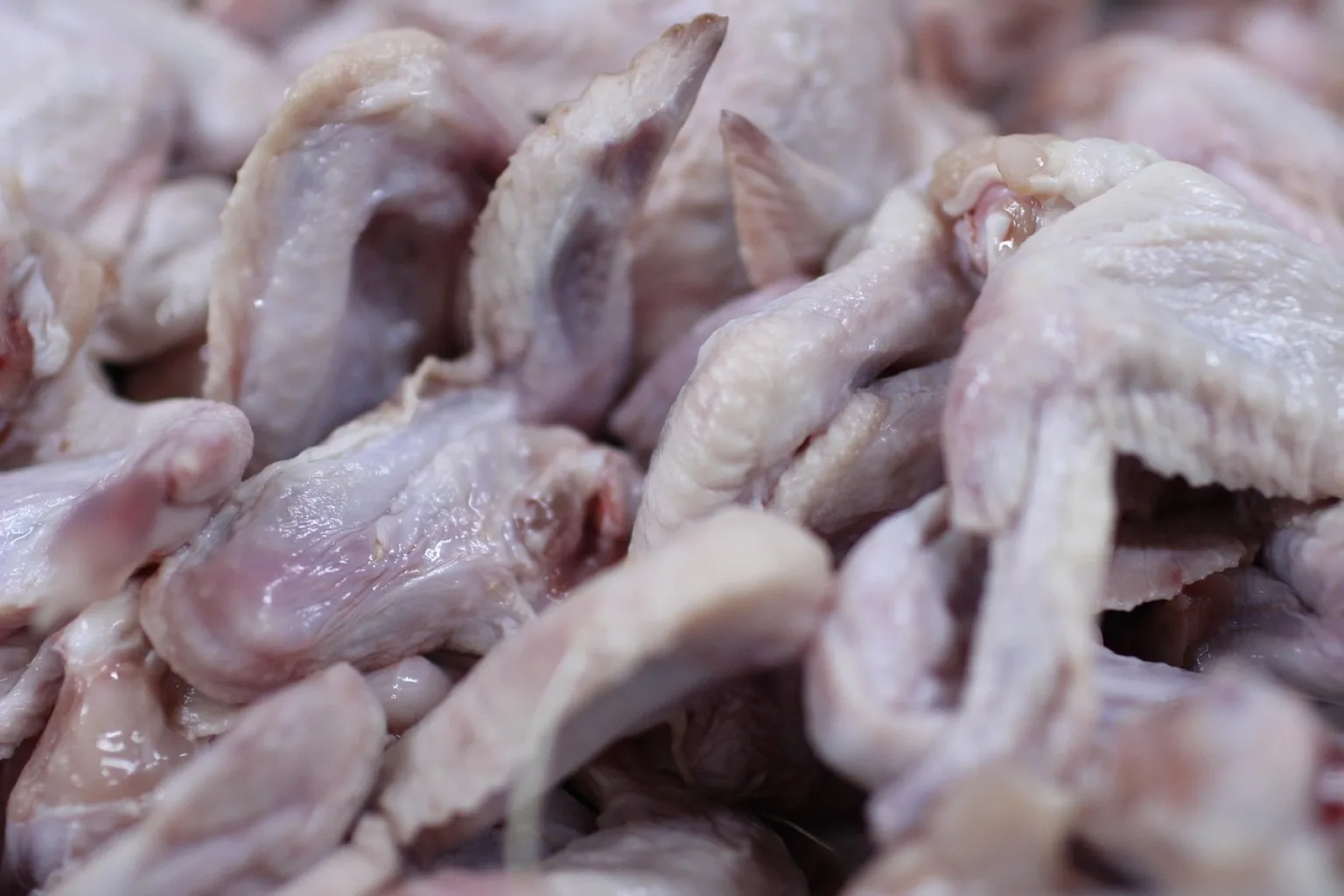
Chicken wings are poultry cuts that include skin and meat. They can be cooked whole or divided into portions, depending on the recipe and how they will be served. They are often presented as a shareable appetizer, but can also be part of a main course. Chicken’s mild flavor works with dry seasonings, marinades and sauces, from spicy preparations to aromatic blends. Grilling and frying are common options; the technique and size of the pieces affect the result. Serve them plain, with a dipping sauce, or coated in a glaze.
When to use it
Choose chicken wings for a casual meal, a shareable appetizer or a platter with several seasonings. They suit spicy, sweet, citrusy and aromatic flavors. Grill or fry them and offer sauces on the side so everyone can choose. If you prefer a coating, add the glaze toward the end of preparation so it adds flavor without overwhelming the other seasoning. To serve wings as a main course, pair them with the sides you prefer.
How to use it
Prepare the wings whole or divide them into portions if the recipe calls for it. Season them with a dry blend or use a marinade; flavors used with wings include garlic, ginger, lemon, sesame, soy sauce and spice blends. You can grill them, turning frequently, or fry them using a recipe suited to the pieces. For a coating, apply the glaze near the end or toss the cooked wings with sauce. Check the package directions for handling and cooking, and follow local food-safety guidance.
Flavour and texture
Chicken has a mild flavor that works with bold seasonings, marinades and sauces. The skin and meat provide different textures, and preparation shapes the result: wings may be crisp, tender or coated in a moist sauce. A glaze adds a flavorful coating, while a dry seasoning leaves the exterior seasoned without a layer of sauce. Piece size and cooking technique also affect the final texture.
How to choose it
Choose an intact package and check the product information, including the date and storage directions. If you want the pieces to cook similarly, select wings of comparable size. For wings that are already marinated or seasoned, read the ingredient list to see which flavors are included and decide whether extra seasoning is needed.
Storage
Store wings according to the directions on the package and from the seller. The product’s packaging can affect how it should be stored, so do not assume that all wings have identical storage instructions. If the package does not explain how to store them, ask the seller before storing or using the product.
Substitutions
Wing portions such as drumettes can stand in for whole wings in similar preparations; account for the size of each piece when following a recipe. Chicken thighs or legs can also make a similar-style meal, but they are different cuts and may call for a different technique and preparation.
Common mistakes
Do not leave wings unturned while grilling: turning them frequently is a useful practical tip. If adding a glaze or dry seasoning, do so toward the end of preparation. When using wings that are already seasoned or marinated, check their ingredients before adding more seasoning.
Safety and allergens
Follow the package directions for handling and cooking, along with local food-safety guidance.
Culinary uses
- aperitivo para compartir
- plato principal
- base para preparar alitas con salsa o glaseado
Recommended techniques
- asar a la parrilla y girar con frecuencia
- freír
- aplicar un glaseado o condimento seco hacia el final
Pairs well with
- ajo, jengibre y cinco especias
- limón, aceite de sésamo y salsa de soja
- salsas picantes o dulces
Frequently asked questions
How can chicken wings be cooked?
They can be grilled or fried. Adapt the preparation to the size of the pieces and follow the recipe and package directions.
What flavors pair well with wings?
They can be seasoned with garlic, ginger, lemon, sesame, soy sauce, five-spice blends or hot sauces.
When should I add a glaze?
Apply it toward the end of preparation or toss the cooked wings with the sauce.
Ingredient allergens
Allergen listThere are no verified associations for these ingredients yet.
Estimated nutrition
- Fat
- 14.3 g
- Saturates
- 4.46 g
- Carbohydrate
- 0 g
- Sugars
- 0 g
- Protein
- 17 g
- Salt
- 0.19 g
Sources and review
Automatically researched, cross-checked and validated content. Sources consulted:
- ¿Por qué la muerte es origen de miedos y tabúes? doi.org/10.64628/aao.fccyk3qj3
- Qué es (y qué no es) la estadística, usos y abusos de una disciplina clave en la vida de los países y las personas | Estudios económicos doi.org/10.52292/j.estudecon.2015.740
- Língua da Gente - Portuguese Podcast: Dialogs linguadagente.coerll.utexas.edu/dialog/
- John Ward's Latin - Folgerpedia folgerpedia.folger.edu/John_Ward%27s_Latin
- Spanish Velar-insertion and Analogy etd.ohiolink.edu/acprod/odb_etd/ws/send_file/send?accession=osu1290438177&disposition=inline
- Agonistic, 1921-1922 - Digital Library of Georgia dlg.usg.edu/record/asc_iaasc_agonistic-v-07-o
- Past Inside Ag Newsletters - College of Agriculture | Montana State University ag.montana.edu/publications/archive.html
- - YouTube www.youtube.com/watch?v=9IbjMQGRgdM
- Asas de frango 5 especiarias - Cookidoo® – la plataforma de recetas oficial de Thermomix® cookidoo.es/recipes/recipe/es-ES/r792862
- O que é asas de frango? Descubra história e curiosidades www.outback.com.br/glossario/asas-de-frango
- Asas de frango: FAQ, informações nutricionais e macros - Strongr Fastr www.strongrfastr.com/pt/alimentos/asas-de-frango-22
- Tu pollo favorito para asar y ahumar - Sanderson Farms sandersonfarms.com/es/tips-tricks/tu-pollo-favorito-para-asar-y-ahumar/