- Category
- Pulses
- State
- Powdered
- Usual unit
- g
What it is
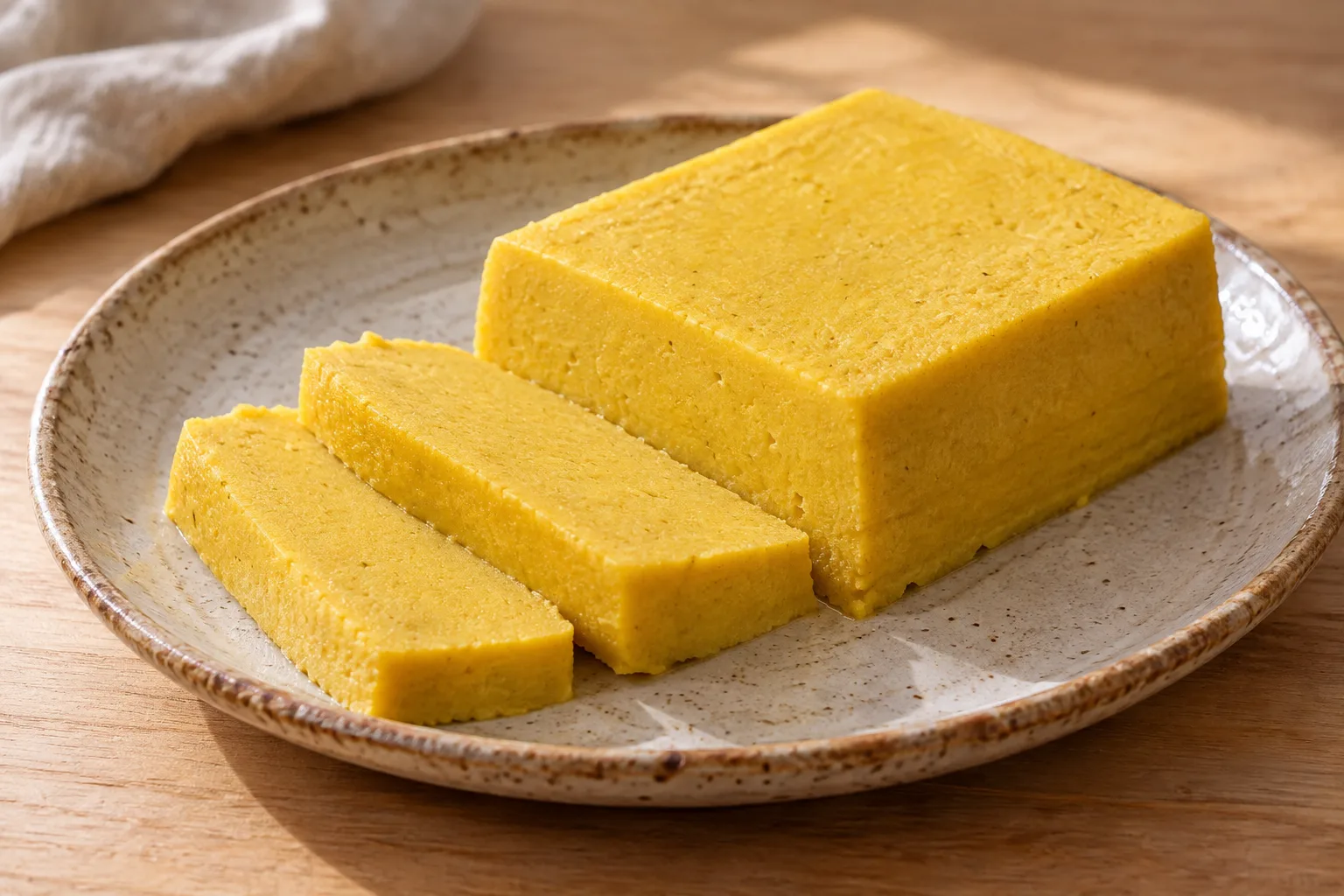
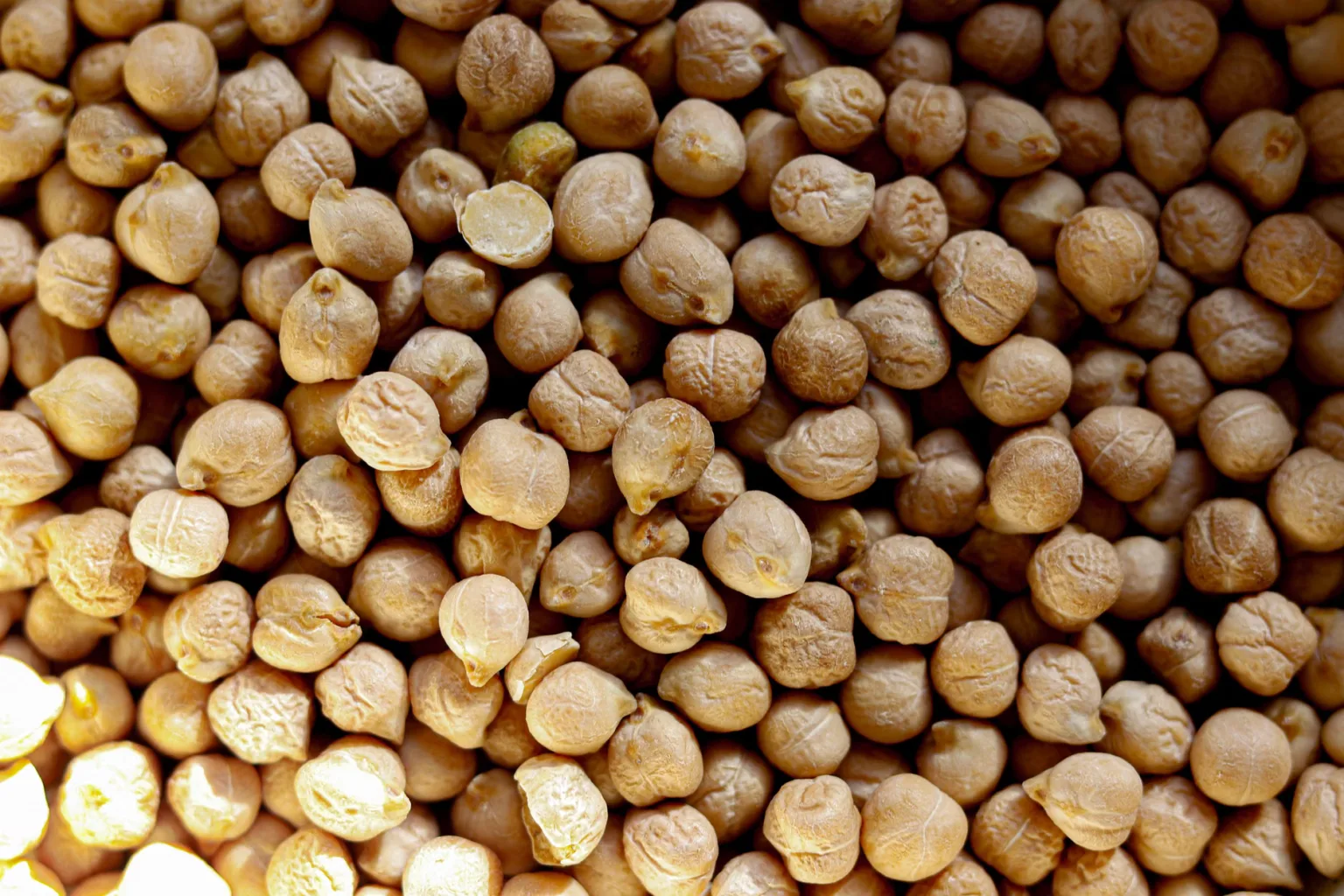
Chickpea flour is made by grinding dried chickpeas into a fine powder. It may also be sold under names such as besan, although the chickpea type and milling can vary between products. It is used in savory preparations including batters, pancakes and coatings, and can be added to blends with other flours. When hydrated, it forms a thick mixture and can help bind some preparations. It is not interchangeable with every flour in the same quantity or recipe: liquid absorption, flavor and texture depend on the product and intended use. Check the package for the ingredient list and any product-specific directions.
When to use it
Use it when you want to make a savory batter, pancake, coating or mixture that needs body and cohesion. It can also thicken soups and contribute to doughs and baked goods. In recipes that depend on wheat flour for structure, try blending it with another flour rather than automatically replacing all the wheat flour. Its distinctive flavor works well with vegetables and savory seasonings. Choose the consistency for the task: a thinner batter can coat ingredients, while a thicker mixture gives more body to a dough or patty.
How to use it
To make a mixture, gradually whisk the flour into liquid and stir to break up lumps; let the recipe guide the final consistency, since absorption can vary by product. Season the batter and use it to coat vegetables or other ingredients before cooking, or shape savory pancakes and doughs. You can also add it gradually to soup to thicken it, stirring thoroughly. For breads, doughs and baked goods, try blending it with wheat or maize flour, since replacing all the flour can change the structure and result. Follow the recipe and package directions, and do not eat a mixture uncooked when the preparation requires cooking.
Flavour and texture
It has a characteristic chickpea flavor that can be more or less pronounced depending on the product and milling. Dry, it is usually a fine powder; mixed with liquid, it forms a thick preparation and can add cohesion. Once cooked, it can contribute a firm or tender texture depending on the liquid ratio and cooking method. Its flavor may be noticeable in a dish, so it pairs especially well with savory ingredients and seasonings.
How to choose it
Choose a dry, well-sealed package without damage, and check the product name, ingredient list and allergen information on the label. Chickpea flours can differ according to the chickpea used and how finely they are milled; choose a texture suited to your intended use. If buying in bulk, check the available ingredient and handling information, especially if you need to avoid a particular ingredient.
Storage
Keep it sealed in a cool, dry place, protected from moisture and direct light. Avoid leaving the package open near steam, water or ingredients that could contaminate it. Follow the storage conditions and date on the package; any specific manufacturer instructions take precedence. Reseal the package after each use to help keep the powder dry and prevent it from absorbing surrounding odors.
Substitutions
It can be blended with wheat or maize flour and can replace some of another flour in certain preparations. Do not assume it will work as a direct, equal-quantity replacement in every recipe: liquid absorption, binding and texture may change. For a complete replacement, use a recipe designed for chickpea flour or adjust the blend gradually.
Common mistakes
A common mistake is adding all the liquid or flour at once, which can leave lumps or an unsuitable consistency. Do not assume all chickpea flours behave identically or that they can replace wheat flour completely without changing the recipe. Check the label as well, and follow the package's use and storage instructions.
Safety and allergens
Read the label for ingredients, allergen information, storage conditions and directions for use. Follow any product-specific instructions; in preparations that require cooking, cook the mixture before eating it.
Culinary uses
- thickener for soups and batters
- binding ingredient in savory mixtures
- flour for flatbreads and pancakes
Recommended techniques
- mix with liquid to make a batter
- use in coatings and breading
- combine with other flours for doughs and baked goods
Pairs well with
- water or other recipe liquids
- vegetables and savory seasonings
- wheat or maize flour
Frequently asked questions
What is chickpea flour used for?
It can be used in coatings, pancakes, savory doughs and baked goods; it can also thicken soups or be blended with other flours.
Can I replace all-purpose flour with chickpea flour?
Not in every recipe. Texture and liquid absorption may change; try a recipe designed for chickpea flour or replace only part and adjust the mixture.
How should chickpea flour be stored?
Keep it sealed in a cool, dry place and follow the date and storage directions printed on the package.
Ingredient allergens
Allergen listThere are no verified associations for these ingredients yet.
Estimated nutrition
- Fat
- 1 g
- Saturates
- 0 g
- Carbohydrate
- 66 g
- Sugars
- 2 g
- Fibre
- 4 g
- Protein
- 20 g
- Salt
- 3.75 g
Sources and review
Automatically researched, cross-checked and validated content. Sources consulted:
- En el etiquetado alimentario hay algunas menciones que son obligatorias eletiquetadocuentamucho.aesan.gob.es/obligatoria.html
- The Essential Glossary of Cooking Terms for the Culinary Arts - Escoffier www.escoffier.edu/blog/culinary-arts/the-essential-glossary-of-cooking-terms-for-the-culinar…
- Evaluación de harina de amaranto como ingrediente antioxidante para la preparación de matrices alimentarias funcionales doi.org/10.35537/10915/162211
- Washington State Food Access English-Spanish Glossary wpcdn.web.wsu.edu/wp-snaped/uploads/sites/2/2025/10/Food-Access-Spanish-Glossary.pdf
- Appendix B: Recipes for Disease Prevention – Culinary Medicine opentextbooks.library.arizona.edu/culinarymedicine/back-matter/appendix-b-recipes/
- Bard College | La Voz | Archivo | Las recetas del Chef Guevara www.bard.edu/campus/publications/lavoz/archivo/archivo.php?id=510
- IBD-AID ALLOWABLE FOODS LIST, BY PHASE www.umassmed.edu/globalassets/nutrition/ibdaid-food-list/foods-list-updated-aug-1.2019.pdf
- Para la ciudadanía www.aesan.gob.es/para-la-ciudadania
- Recipes | Servicio de Extensión de OSU extension.oregonstate.edu/es/food/recipes
- ¿Qué es y cómo se usa la ´Harina de garbanzos`? www.worldgastronomy.org/post/qu%C3%A9-es-y-c%C3%B3mo-se-usa-la-harina-de-garbanzos
- Harina de garbanzos: 🌾 una alternativa saludable y nutritiva www.lacribadevalseca.com/harina-de-garbanzos-una-alternativa-saludable-y-nutritiva/
- Food & Nutrition | Colorado State University Extension foodsmartcolorado.colostate.edu/category/recipes-and-how-tos/page/17/
- Usos y propiedades de la harina de garbanzo - %sitename legumbrespedro.com/2021/10/25/propiedades-de-la-harina-de-garbanzo/