- Category
- Herbs and spices
- State
- Powdered
- Usual unit
- teaspoon
What it is
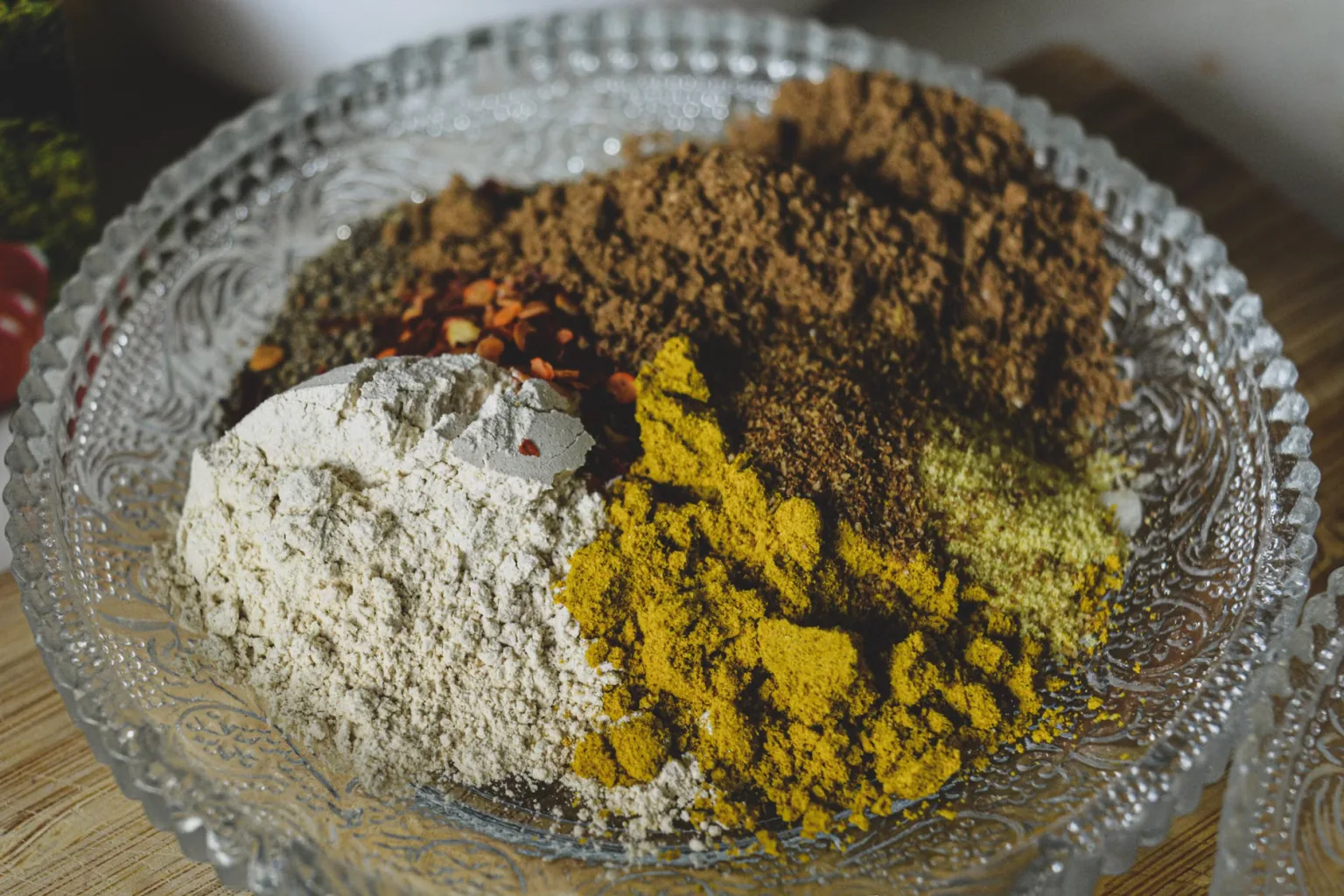
Chinese five-spice powder is a ground seasoning made by combining several spices. A common formula includes star anise, cloves, cinnamon or cassia, Sichuan pepper and fennel seeds. There is no single formula shared by every product: some versions add ingredients such as ginger, coriander, nutmeg or licorice. The name therefore does not guarantee identical ingredients or proportions from one package to another. The blend is used particularly in Chinese-style cooking and is often applied to meat dishes. It is available pre-ground and can also be made at home by grinding spices. The resulting aroma depends on the chosen ingredients and their balance.
When to use it
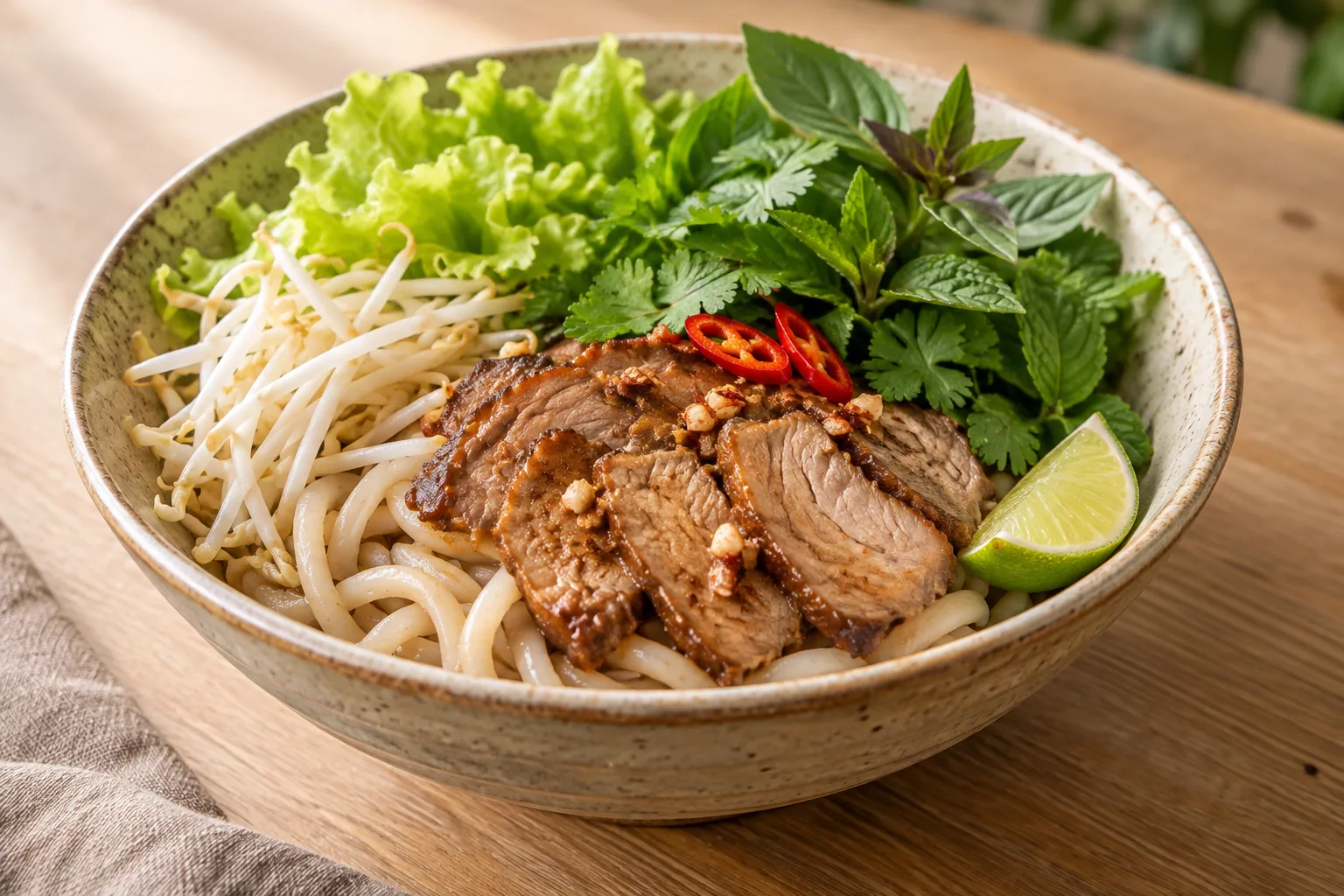
Use it when you want a layered, aromatic seasoning, especially with meats such as duck, chicken or beef, or in meat stews. It can also go into a marinade or be mixed with seasoning before cooking. Since commercial formulas vary and star anise can stand out, begin with a small amount and adjust to suit the dish. It is useful when you want several spice notes in one seasoning, but should not be treated as a fixed-ingredient blend when a recipe depends on a particular flavor.
How to use it
Add a small amount to a marinade or distribute it over meat before cooking, spreading the powder evenly. You can also stir it into a stew as it cooks so its aroma becomes part of the dish. Taste and adjust gradually: intensity and balance differ between products, and too much can make the anise-like note dominate. To make a blend at home, grind the spices to a powder and adjust the combination to your taste. Brief heating can bring out the aroma, but do not let the powder burn, as this can harm its flavor. Check the package ingredients when you need a particular composition.
Flavour and texture
This is a dry, aromatic powder whose profile depends on its ingredients and proportions. Common versions can bring together anise-like, sweet, warm and spicy notes; some descriptions associate the blend with sweet, sour, bitter, pungent and salty flavors. Not every formula has the same balance, and some products include additional ingredients. Star anise may be especially noticeable in certain blends.
How to choose it
The blend is sold ready-ground, including in jars or bags. Read the ingredient list before buying: some formulas use a common five-spice combination, while others add ingredients such as ginger, coriander, nutmeg, licorice or cumin. The name does not guarantee an identical recipe across brands. Choose according to the aromas you want in your dish and whether you need to avoid a particular ingredient.
Storage
Keep the powder in a tightly closed container and keep it dry, limiting exposure to air and moisture. Avoid leaving the container open beside a steaming pot or in a damp area. The available evidence does not establish a universal storage life for this blend, so do not rely on a fixed duration; check the package and smell the powder before using it.
Substitutions
Another five-spice blend may work if its ingredients and flavor suit the recipe, but check its label because formulas vary. You can also make a blend from star anise, cloves, cinnamon or cassia, Sichuan pepper and fennel. Expect a change rather than an exact match: different ingredients or proportions will alter the dish's aroma.
Common mistakes
Do not assume that every blend contains exactly the same ingredients or proportions. Avoid adding a large amount at once, since the flavor can be intense and the anise note may dominate. Also, a brief warming to release aroma is not the same as leaving the powder on the heat until it burns.
Safety and allergens
Formulas may contain different ingredients. If you need to avoid a specific ingredient, check the package list and do not assume another brand uses the same composition.
Culinary uses
- Condimento para carnes
- Mezcla aromática para guisos y adobos
Recommended techniques
- Añadir a marinadas o frotar sobre los ingredientes antes de cocinarlos
- Calentar brevemente para intensificar el aroma, evitando que se queme
Pairs well with
- Pato y pollo
- Ternera y guisos de carne
Frequently asked questions
What is usually in Chinese five-spice powder?
A common formula combines star anise, cloves, cinnamon or cassia, Sichuan pepper and fennel. Some versions include extra ingredients, so check the package for the exact blend.
What foods can I season with it?
It is often used with duck, chicken and beef, and can also be added to stews or marinades.
Do all five-spice blends taste the same?
No. Ingredients and proportions vary; some blends have a stronger anise-like aroma, while others include additional spices.
Ingredient allergens
Allergen listThere are no verified associations for these ingredients yet.
Estimated nutrition
- Fat
- 0 g
- Saturates
- 0 g
- Carbohydrate
- 0 g
- Sugars
- 0 g
- Protein
- 0 g
- Salt
- 0 g
Sources and review
Automatically researched, cross-checked and validated content. Sources consulted:
- ¿Por qué la muerte es origen de miedos y tabúes? doi.org/10.64628/aao.fccyk3qj3
- The Essential Glossary of Cooking Terms for the Culinary Arts - Escoffier www.escoffier.edu/blog/culinary-arts/the-essential-glossary-of-cooking-terms-for-the-culinar…
- Hierbas y Especias bookstore.ksre.ksu.edu/download/spanish-seasoning-with-herbs-and-spices_MF3539S
- Potencial de crecimiento de especias no tradicionales en Argentina | OpenAlex openalex.org/W7204293610
- Washington State Food Access English-Spanish Glossary wpcdn.web.wsu.edu/wp-snaped/uploads/sites/2/2025/10/Food-Access-Spanish-Glossary.pdf
- Creaciones de Cocina | New Mexico State University | BE BOLD. Shape the Future. kitchencreations.nmsu.edu/cocinar.html
- USDA FoodData Central libguides.marist.edu/fdc
- Guia_RGSEAA.pdf www.aesan.gob.es/dam/jcr:ebc1dca1-078f-400f-a649-6cc68ad1e1ef/Guia_RGSEAA.pdf
- Condimentalo extension.usu.edu/fscreate/files/2020-22-staff/Condimentalo.pdf
- Cinco especias chinas | Gastronomía & Cía www.gastronomiaycia.com/cinco-especias-chinas/amp/
- Cinco especias - EcuRed www.ecured.cu/index.php/Cinco_especias
- Ankorstore x Richesses Naturelles - 5 especias chinas - Polvo, 500g es.ankorstore.com/brand/richesses-naturelles-29850/5-epices-chinoises-en-poudre-500g-2947109
- Mezcla de Especias del Norte de África receta extension.oregonstate.edu/es/node/223106/printable/print
- Polvo de cinco especias - Wikipedia, la enciclopedia libre es.wikipedia.org/wiki/Polvo_de_cinco_especias