- Category
- Grains, flour and pasta
- State
- Fresh
- Usual unit
- portion
What it is
Cooked Japanese rice, called gohan in Japanese, is rice prepared to eat. It is commonly made with japonica rice, usually short- or medium-grain. Once cooked, the grains tend to be moist and cohesive, making them convenient to eat with chopsticks and to shape into rice balls or pieces. Not all Japanese rice is the same: uruchimai is ordinary table rice, while mochigome is glutinous rice, which is stickier and firmer and is mainly used for mochi and other particular preparations. Cooked rice can be served plain or combined with other ingredients; rice seasoned with vinegar, sugar and salt is prepared for sushi. The name describes rice that has already been cooked, not one single grain variety or a dish that is necessarily seasoned.
When to use it
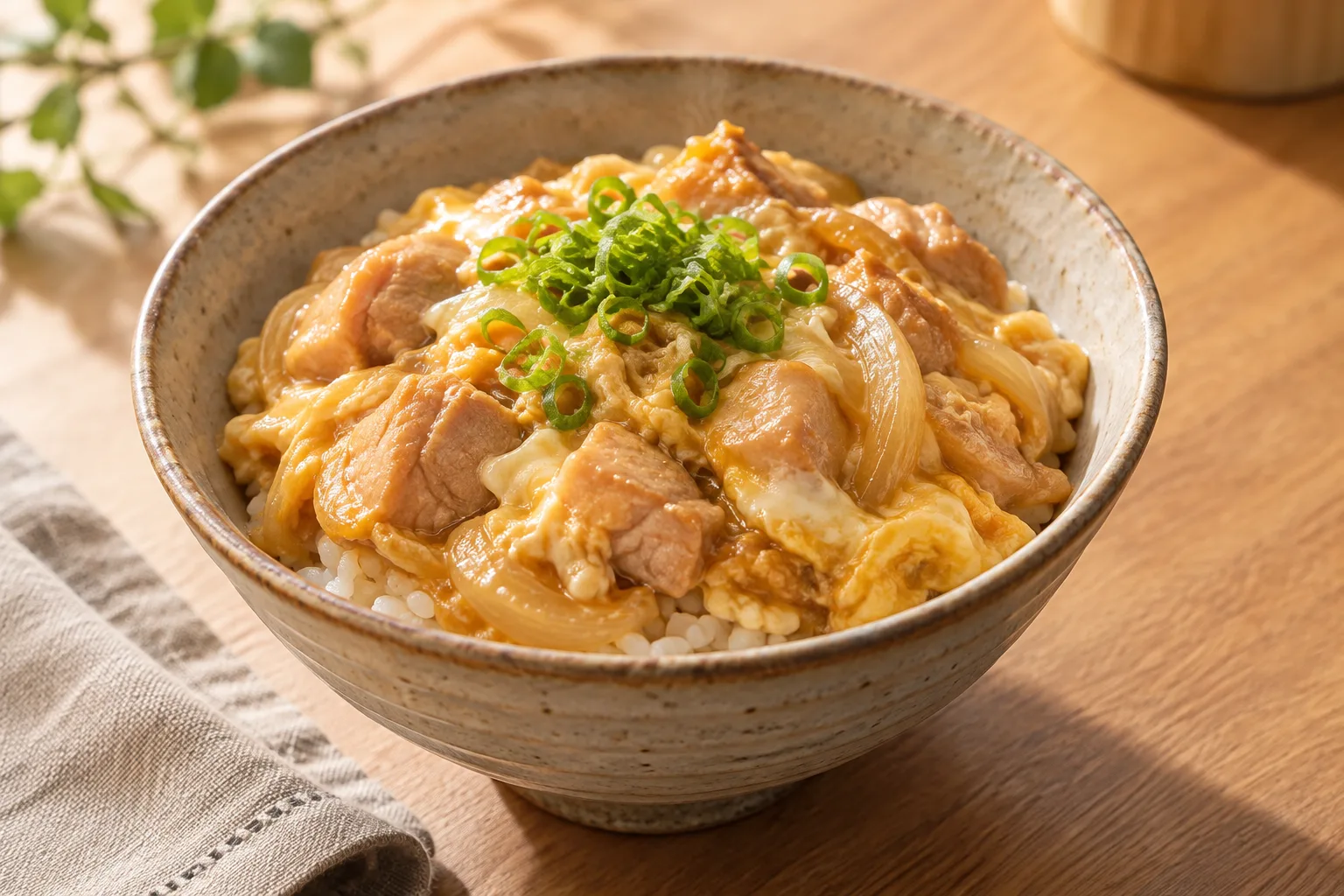
Use it when you want a mild, filling base for a meal or grains that hold together when shaping onigiri and sushi. Cooked Japanese rice also works as the base for donburi, topped with vegetables, egg, meat or fish, and as a side for savoury dishes. Plain white rice is not seasoned; for sushi, add the appropriate vinegar dressing and mix gently. If a recipe calls for mochi, look for glutinous mochigome rather than assuming any cooked Japanese rice will give the same result. Cooked rice can also be used in a stir-fry, although its moisture level affects the finished texture.
How to use it
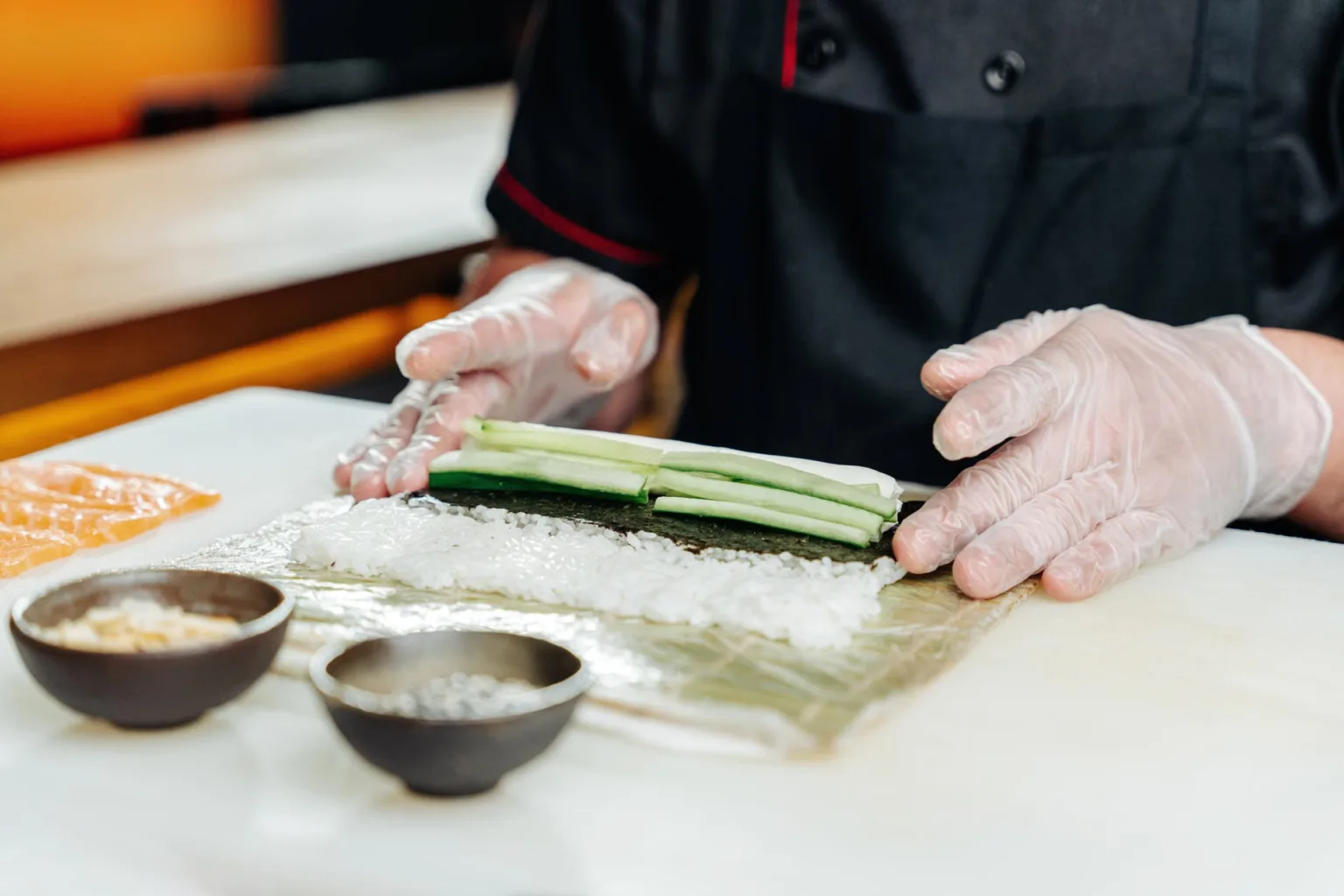
Serve the cooked rice warm or hot in a bowl, plain or as a base for toppings and sauces. For a donburi-style bowl, add separately prepared vegetables, egg, fish or meat. For onigiri, let the rice become manageable and shape it into balls or triangles without compressing it too firmly; its natural cohesion helps it hold its shape. For sushi, fold in rice vinegar and the chosen seasoning gently so the grains are not crushed. You can also add cooked rice to a pan for fried rice: loosen clumps carefully and combine it with ingredients that have already been cooked. The water amount and method for cooking uncooked rice vary with the rice and equipment, so follow the package or rice cooker directions. For storing or reheating leftovers, consult official food-safety guidance in your area.
Flavour and texture
Cooked japonica rice is generally mild, subtly sweet and unobtrusive, so it can accompany strongly flavoured foods without competing with them. The grains are tender, moist and more cohesive than those of many long-grain varieties. Texture varies with the variety and cooking method: uruchimai is sticky while retaining the shape of its grains, whereas cooked mochigome is even more cohesive and chewy. Sushi-seasoned rice also takes on the flavour of its vinegar and added seasonings.
How to choose it
For a Japanese table-rice texture, look for short- or medium-grain japonica rice and check whether the package identifies it as uruchimai or sushi rice. Glutinous mochigome is different: it is used for mochi and is not a direct replacement for table rice in every preparation. If buying cooked rice, check the ingredients and label to see whether it is seasoned or plain. Appearance and texture can differ among varieties; the Japanese name alone does not guarantee an identical result.
Storage
Keep cooked rice covered and handle it with clean utensils. For cooling, refrigerating, storing or reheating leftovers, follow official food-safety guidance in your area; no storage duration is specified here. Seasoned sushi rice and plain cooked rice may require different handling depending on added ingredients and serving conditions. Do not rely on smell or appearance alone to decide whether leftovers are safe.
Substitutions
Cooked short- or medium-grain rice is usually the closest substitute when cohesive grains matter. Cooked bomba rice can work as an approximate alternative in some dishes, but it does not reproduce japonica rice’s texture exactly. Avoid long-grain rice when the recipe depends on shaping compact balls or pieces. For mochi, use mochigome: ordinary table rice does not produce the same firm, cohesive texture.
Common mistakes
Do not confuse table-rice uruchimai with glutinous mochigome: they are suited to different uses. Do not assume cooked Japanese rice has already been seasoned for sushi; plain rice does not necessarily contain vinegar, sugar or salt. Long-grain rice is usually less cohesive in preparations that need grains to hold together. Handle the rice gently when mixing or shaping so the grains are not crushed.
Safety and allergens
Handle cooked rice hygienically. For cooling, refrigeration, storage or reheating, consult official food-safety guidance in your area. The available sources do not specify safe times for these steps, so no particular duration is given here.
Culinary uses
- base o acompañamiento
- ingrediente principal para cuencos de arroz
Recommended techniques
- cocción al vapor o en olla arrocera
- aliñado y mezclado para arroz de sushi
- salteado con arroz cocido
Pairs well with
- pescado y marisco
- verduras
- huevo
- salsas y condimentos japoneses
Frequently asked questions
Is cooked Japanese rice always sushi rice?
No. It can be plain rice served with a meal. Sushi rice is usually seasoned with vinegar and other seasonings.
Are uruchimai and mochigome the same?
No. Uruchimai is Japanese table rice; mochigome is glutinous rice, which is stickier and firmer and is mainly used for mochi.
What can I use instead of cooked Japanese rice?
Cooked short- or medium-grain rice is usually the closest match. Bomba rice can be an alternative, although its texture will not be identical.
Ingredient allergens
Allergen listThere are no verified associations for these ingredients yet.
Estimated nutrition
- Fat
- 0.34 g
- Saturates
- 0.05 g
- Carbohydrate
- 21.3 g
- Sugars
- 0.73 g
- Fibre
- 1.8 g
- Protein
- 3.99 g
- Salt
- 0.01 g
Sources and review
Automatically researched, cross-checked and validated content. Sources consulted:
- Los japonesismos culinarios | OpenAlex openalex.org/W2906636610
- "LITTLE WOMEN -- MUJERCITAS" people.duke.edu/~garci/cibertextos/ingles/ALCOTT-LOUISA/EIGHT-COUSINS/EIGHT-COUSINS-BILI.HTM
- Para la ciudadanía www.aesan.gob.es/para-la-ciudadania
- La importancia del arroz en Japón - Muy Japones www.muyjapones.com/la-importancia-del-arroz-en-japon/
- Qué tiene el arroz japonés para conquistar a un país entero gogonihon.com/es/blog/origen-y-caracteristicas-del-arroz-japones/
- Arroz japonés - Wikipedia, la enciclopedia libre es.wikipedia.org/wiki/Arroz_japon%C3%A9s
- Los ingredientes imprescindibles de la cocina japonesa - Gakko Sushi Formación gakkosushiformacion.es/los-ingredientes-imprescindibles-de-la-cocina-japonesa/
- lemmas.txt downloads.cs.stanford.edu/nlp/data/CoNLL17_Parser_Models/Spanish/Spanish-Parser/lemmas.txt
- Cómo cocinar arroz japonés perfecto en casa – Kwan Homsai www.kwanhomsai.com/como-cocinar-arroz-japones-gohan/
- Cocina con Cookiru: Auténtico arroz japonés ⋆ Cookiru cookiru.com/recetas/cocina-con-cookiru-autentico-arroz-japones/
- ¿Por qué el arroz japonés es tan especial? – Kaitsuko kaitsuko.es/blogs/informacion/por-que-el-arroz-japones-es-tan-especial
- Cómo preparar el gohan o arroz japonés | ComerJapones comerjapones.com/gohan-arroz-japones/
- Le riz au Japon | Japan Experience www.japan-experience.com/es/preparar-viaje/saber-mas/gastronomia-japonesa/el-arroz-en-japon
- - YouTube www.youtube.com/watch?v=9OY-ahF6aFo