- Category
- Pulses
- State
- Other
- Usual unit
- g
What it is
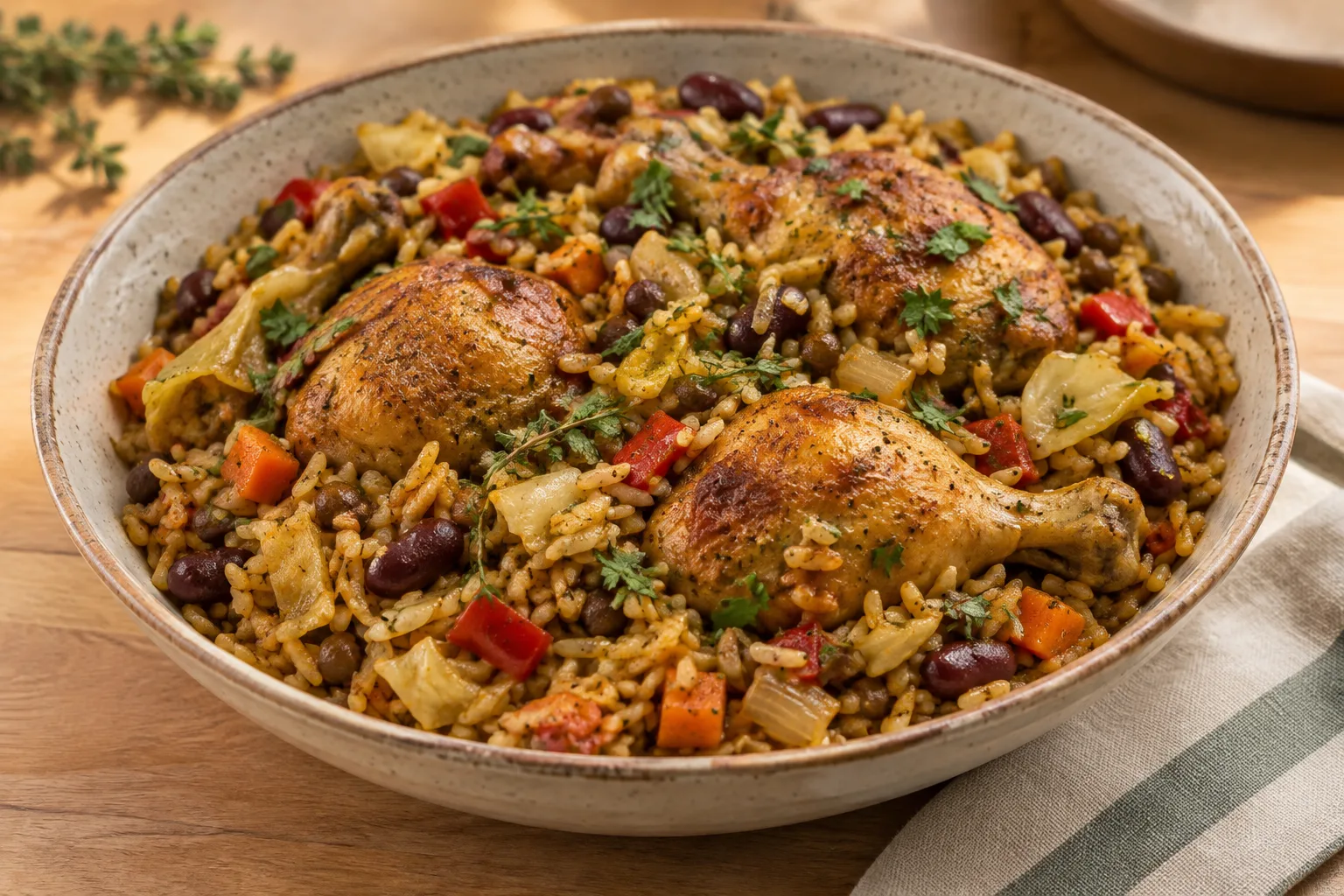
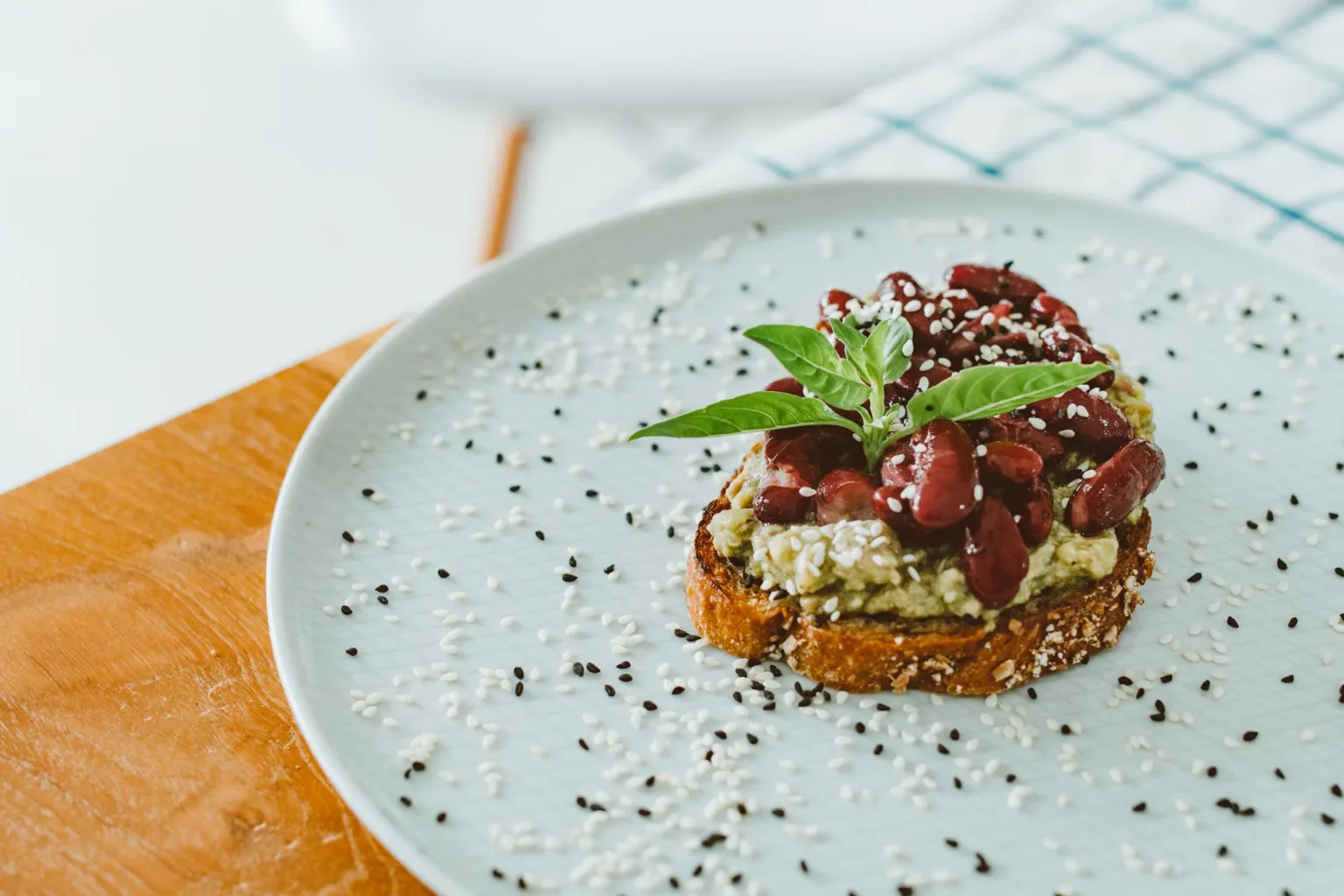
Cooked kidney beans are legume seeds that have already been cooked, so they can be added to a dish without starting with dry beans. The name usually refers to red, kidney-shaped beans; they may be sold canned or cooked at home. Products differ: some retain their shape and firmness, while others are softer or sold mashed. Check the package or preparation before deciding whether to drain, rinse or mash them, and adjust how you add them to the recipe. They can serve as a main ingredient, a side, or the base of a smooth or mashed preparation. As a ready-cooked ingredient, they are useful for quick meals as well as longer-simmered dishes.
When to use it
Use cooked kidney beans when you want to add legumes to a meal without cooking them from dry. They work in soups, stews and chili, where they can warm with the other ingredients, and in cold salads when drained first. They also make a substantial accompaniment to rice or can be mashed to thicken a dish. If a recipe calls for canned beans, cooked kidney beans can be used instead. Add them gently when you want to keep the beans whole; for a softer, more integrated result, mash or purée some of them before stirring them into the dish.
How to use it
For canned beans, open the can and drain the liquid; rinsing under running water can remove some of the canning liquid and excess salt. Decide whether the recipe needs whole, mashed or puréed beans. For a stew, add them to the seasoned mixture and heat until hot, stirring gently if you want to keep the beans intact. For a salad, drain them and combine with the other ingredients and dressing. Mash or purée them to thicken a preparation or make a smooth base. If you are preparing dry red kidney beans separately, do not put them raw into a slow cooker: boil them on the stovetop first, following safe-cooking guidance.
Flavour and texture
Cooked kidney beans have a mild flavor that readily takes on seasonings and the flavors of a stew. Their texture can be tender and creamy inside, with the skin intact, although firmness varies with the cooking and product. Mashing or puréeing makes them thicker and more uniform. In salads and side dishes, draining the beans helps prevent canning liquid from thinning the dressing or sauce.
How to choose it
When buying canned cooked kidney beans, check that the can is undamaged and read the label to see whether salt, canning liquid or seasonings have been added. Check whether the beans are whole or mashed, since each form suits different dishes. Choose a format that fits the recipe and the texture you want. Treat home-cooked beans as a cooked food that needs appropriate handling and storage, rather than as an uncooked dry product.
Storage
Store unopened cans according to the package directions. Refrigerate leftovers within two hours of opening a can or cooking beans at home; do not leave them at room temperature longer than that. To freeze, portion the beans into freezer-safe containers and label them. Cooked beans freeze well and can be kept frozen for up to six months. Follow package directions for commercial products, and discard food if you cannot establish that it is safe or in good condition.
Substitutions
In many recipes, cooked kidney beans can replace canned beans. Another variety of cooked bean may also work, though it will change the dish’s color, flavor and firmness. Adjust draining and seasoning to the product, especially if it already contains salt or seasonings. When the shape of the beans matters to the finished dish, choose a variety and cooking texture that will hold their shape.
Common mistakes
Avoid adding undrained beans to a salad or sauce if the canning liquid could make it watery. Stir gently when you want the beans to stay whole, and do not assume every product has the same salt level or texture. If starting with dry kidney beans, do not cook them directly in a slow cooker; boil them on the stovetop first to ensure they are fully cooked.
Safety and allergens
Refrigerate leftover cooked beans within two hours of preparation. If cooking dry red kidney beans for a slow cooker, boil them on the stovetop for at least ten minutes first; do not add them to the slow cooker raw or undercooked. Follow package directions for commercial products, and keep hands and food-contact surfaces clean.
Culinary uses
- Main ingredient in soups, stews and chili
- Salad ingredient or rice accompaniment
- Base for mashed or puréed bean preparations
Recommended techniques
- Rinse and drain, especially when using canned beans
- Mash or purée for a thick sauce or spread
- Simmer in a seasoned stew or soup
- Fold into salads or warm grain dishes
Pairs well with
- Rice
- Tomato and spices
- Cooked vegetables and herbs
- Meat in chili-style dishes
Frequently asked questions
Should I rinse canned kidney beans?
Draining and rinsing can remove canning liquid and some excess salt before you add the beans to a recipe.
Can cooked kidney beans replace canned beans?
Yes. Cooked beans can stand in for canned beans in a recipe; adjust draining and seasoning to suit the product.
How should I store leftovers?
Refrigerate them within two hours. You can also freeze cooked beans in suitable containers for up to six months.
Ingredient allergens
Allergen listThere are no verified associations for these ingredients yet.
Sources and review
Automatically researched, cross-checked and validated content. Sources consulted:
- Client Challenge doi.org/10.2307/jj.27939689.16
- Vamos a Conservar Alimentos: Sopas extension.psu.edu/vamos-a-conservar-alimentos-sopas/
- ¿Qué son los frijoles? Descubre tipos y variedades-Blog goya.es/blog/que-son-los-frijoles-descubre-sus-tipos-y-variedades
- Los fríjoles, imprescindibles en la comida latinoamericana | Distribuidora Latinoandina distribuidoralatinoandina.com/es/los-frijoles-imprescindibles-en-la-comida-latinoamericana/
- Frijoles Rojos | Cook for Your Life www.cookforyourlife.org/es/nuestro-blog-de-cocina/frijoles-rojos/
- Enchiladas de Huevo con Frijol 1939 (Egg and Bean Enchiladas) - lacocina.utsa.edu/cookbooks-featured-in-utsas-sombrilla-magazine/
- Frijol - Wikipedia, la enciclopedia libre es.wikipedia.org/wiki/Frijol
- Frijoles rojos: características y cómo | Recetas.com www.recetas.com/reportajes/frijoles-rojos-caracteristicas-y-como-usarlos-en-la-cocina.html
- - YouTube www.youtube.com/watch?v=i3lAnVM_7O8
- Frijoles Cocidos en la Olla de Cocción Lenta extension.oregonstate.edu/es/node/231926/printable/print
- Nutrición después de su trasplante - Health Online healthonline.washington.edu/sites/default/files/record_pdfs/Nutrition-After-Your-Transplant-…