- Category
- Dairy and eggs
- State
- Other
- Usual unit
- g
What it is
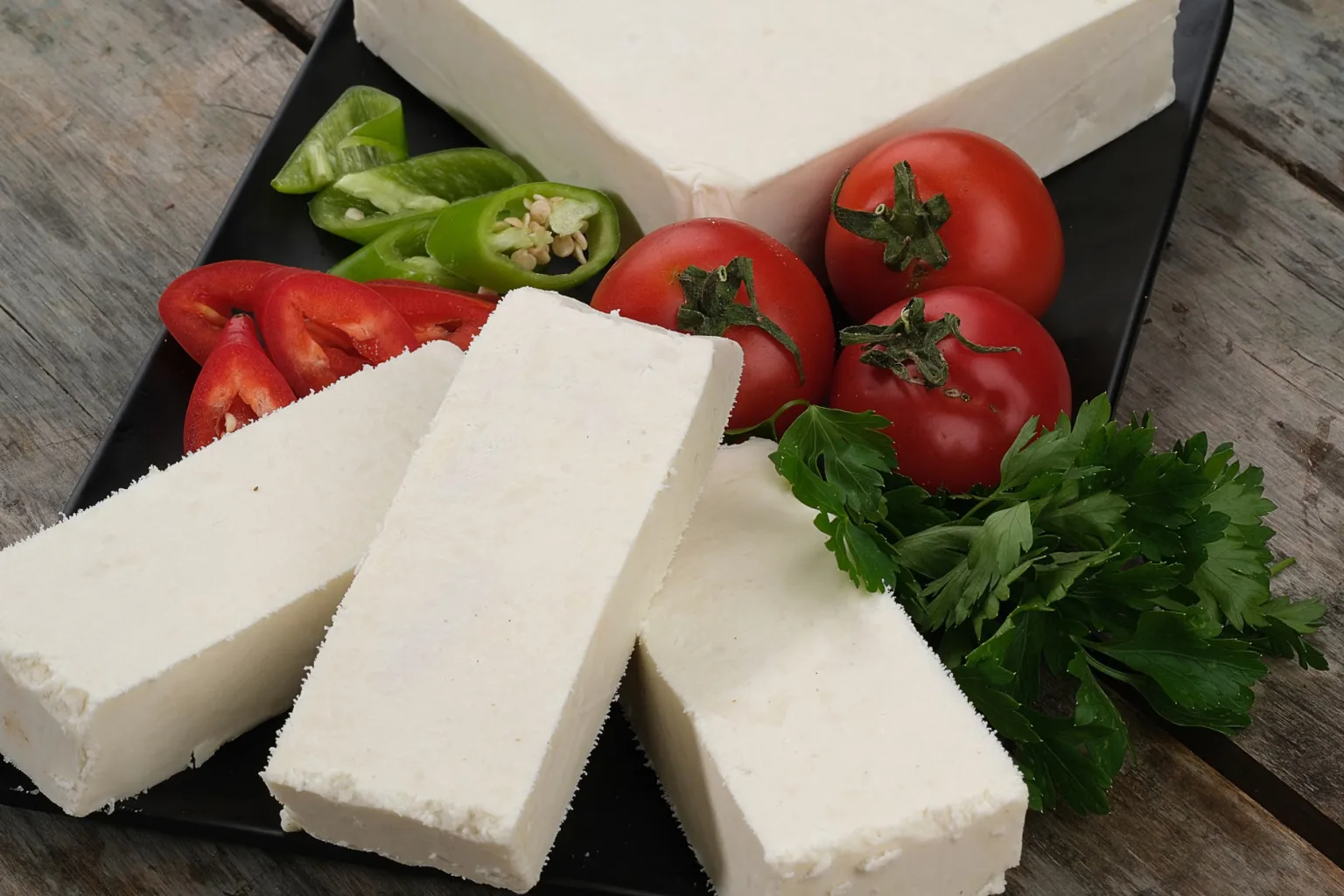
The name criollo cheese does not identify one single cheese everywhere. This profile covers the Mexican cheese associated with Taxco, Guerrero: a semi-hard cow's-milk cheese described as being matured for about 50 days. Its color can range from yellowish to orange; the body is firm but somewhat soft and may contain many holes. Its flavor is mild and slightly sweet, with a pronounced aroma. It is used for gratinating because it melts well. Other cheeses are also called criollo, including cheeses within Mexico, and they are not necessarily the same. The Chiapas version, for example, is a fresh cheese with ingredients mixed into the curd. Check the product's region and description rather than assuming every cheese with this name has the same characteristics.
When to use it
Choose the Taxco-style variety when you want a relatively mild cheese that melts to cover and gratinate a dish. Its clearest culinary use is gratinating; it can also be added to hot preparations where melted cheese is wanted. It may suit cooks who prefer a less forceful profile than some aged cheeses, although flavor and appearance can vary. If a recipe calls for criollo cheese, check which variety it means: the name is also used for different cheeses in other regions, so it does not guarantee that every version tastes or melts alike.
How to use it
Remove the wrapping and slice or grate the cheese to suit the topping or dish. For a gratin, spread it over the prepared food and heat until the cheese melts and the surface reaches the browning you want; keep an eye on the dish so it does not brown too much. You can also add it to a hot preparation when a melted layer is desired. Taxco-style cheese is described as suitable for gratinating, but there are no universal cooking times or temperatures for every dish. Follow your recipe and appliance instructions. If the package names a different criollo cheese, do not assume it will behave in exactly the same way.
Flavour and texture
The cheese is described as mild and slightly sweet, with a pronounced aroma. Its color may range from yellowish to orange. The texture is characterized as firm but somewhat soft, and it may have many holes, although individual pieces need not look identical. It melts well and is suitable for gratinating. Differences between makers and between cheeses sharing the name can affect the profile, so also use the product's own label as a guide.
How to choose it
Look for a label that clearly identifies the cheese and, if you want the variety described here, its connection with Taxco or Guerrero. Criollo is also used for different cheeses, so the name alone is not enough. Check the product description, appearance and package directions, and choose an intact, well-presented item. Taxco-style cheese is described as semi-hard, made from cow's milk and suitable for gratinating; those details can help distinguish it from a fresh variety or another local cheese.
Storage
The available information does not establish a shelf life or detailed storage conditions that apply to every criollo cheese. Follow the directions on the specific product and the guidance of the place where you bought it. Keep the cheese in the wrapping or container indicated on its label, and do not eat it if it shows signs of spoilage. Since the name can refer to different cheeses, do not assume that storage guidance for one variety applies to another.
Substitutions
For a gratin, try asadero or another mild semi-hard cheese that melts well. Asadero is a different cheese, but it is also described as melting well; the dish's flavor and texture may change. The swap is less direct if a recipe relies on the aroma, slight sweetness or characteristic holes attributed to Taxco-style cheese. Check that the substitute melts as needed.
Common mistakes
A common mistake is treating every cheese called criollo as one variety. Taxco-style cheese should not be confused with the fresh Chiapas criollo cheese or with products from other countries that share the name. Do not assume that every piece will have the same color or holes, either. Before cooking, check that the product is the variety you want and consider how well it melts before substituting it.
Safety and allergens
Contains milk. Follow the storage and use directions on the specific product, since criollo is a name used for different varieties. Do not eat the product if its label says it is unsuitable or if it shows signs of spoilage.
Culinary uses
- Gratinating cheese
- Melting cheese for hot dishes
Recommended techniques
- Grate or slice before adding to a dish
- Melt and brown as a gratin topping
Pairs well with
- Guajillo chile as a coating
- Mild vegetables in gratinated dishes
Frequently asked questions
Are all criollo cheeses the same?
No. The name is used for different cheeses in different regions. This profile covers the semi-hard cheese associated with Taxco, not the fresh Chiapas cheese or other varieties.
Can Taxco-style criollo cheese be used for gratinating?
Yes. It is described as melting well and being suitable for gratinating. The exact result can vary with the product and preparation.
What can I use if I cannot find Taxco-style criollo cheese?
Try asadero or another mild semi-hard cheese that melts well. They are not identical, so the flavor and texture of the dish may change.
Ingredient allergens
Allergen listThere are no verified associations for these ingredients yet.
Sources and review
Automatically researched, cross-checked and validated content. Sources consulted:
- Client Challenge doi.org/10.2307/jj.27939689.16
- The Essential Glossary of Cooking Terms for the Culinary Arts - Escoffier www.escoffier.edu/blog/culinary-arts/the-essential-glossary-of-cooking-terms-for-the-culinar…
- Regionalismo y centralismo culinario en un manuscrito huancaíno del siglo XIX : influencias y sabores | OpenAlex openalex.org/W2981277873
- Tipos de queso: Guía completa 2026 - Fotos y maridajes www.dehesadelosllanos.com/tipos-de-queso-guia-completa/
- neoliberal multiculturalism in early digital discourse about food. iro.uiowa.edu/view/pdfCoverPage?download=true&filePid=13873804470002771&instCode=01IOWA_INST
- Maqueta nº 10.2 aesan.gob.es/dam/jcr:1538b6eb-680f-44b8-bbc5-b08d810b00dc/comite_cientifico_10.pdf
- Queso criollo - Wikipedia, la enciclopedia libre es.wikipedia.org/wiki/Queso_criollo
- Queso criollo para Niños ninos.kiddle.co/Queso_criollo
- - YouTube www.youtube.com/watch?v=xouNl3s9VJw
- Food allergen labelling and information requirements technical guidance - GOV.UK www.gov.uk/government/publications/food-allergen-labelling-and-information-requirements-tech…